Plastic Slatted Floor for Pigs: Durable Comfort Meets Practical Design
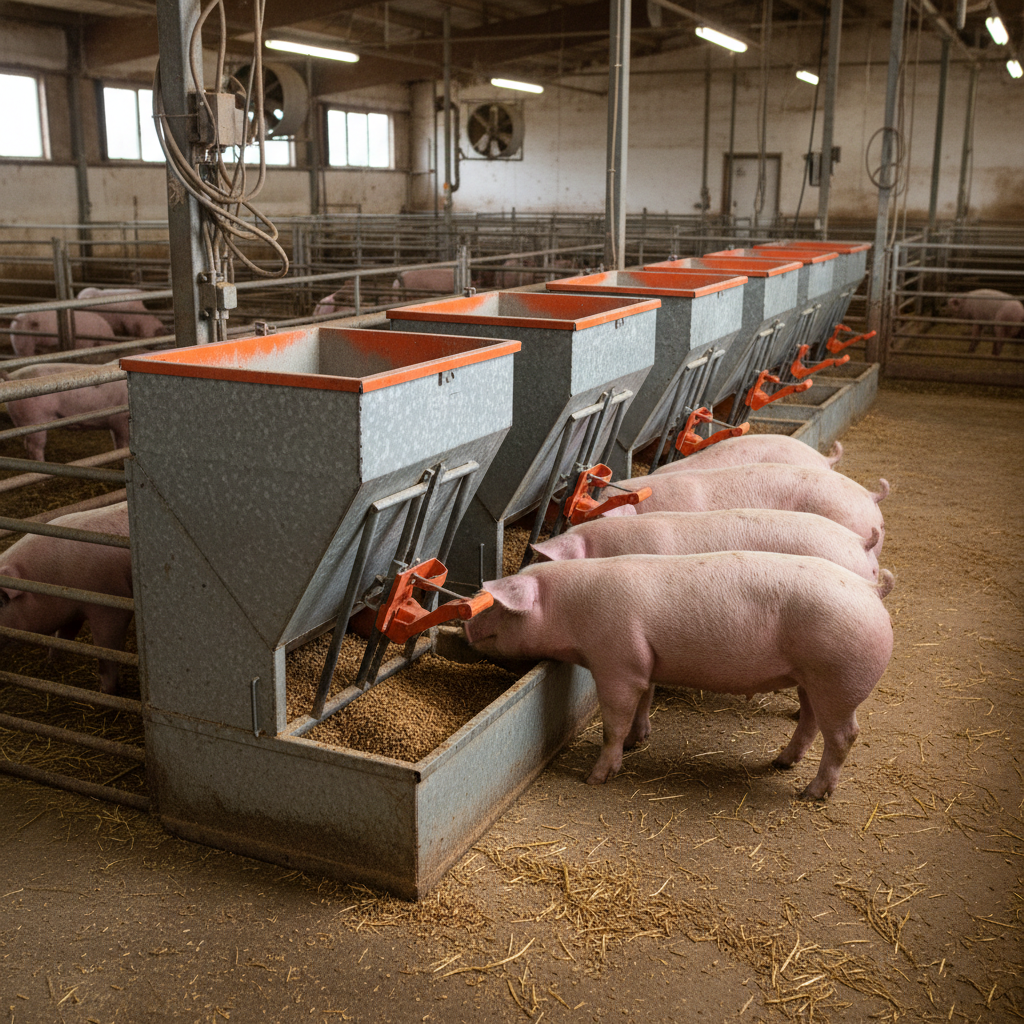
Having worked alongside farmers and equipment manufacturers for over a decade, I can tell you plastic slatted flooring for pigs is a fascinating subject. You might not realize it, but the choice of flooring in pig housing significantly affects animal welfare, farm hygiene, and operational efficiency.
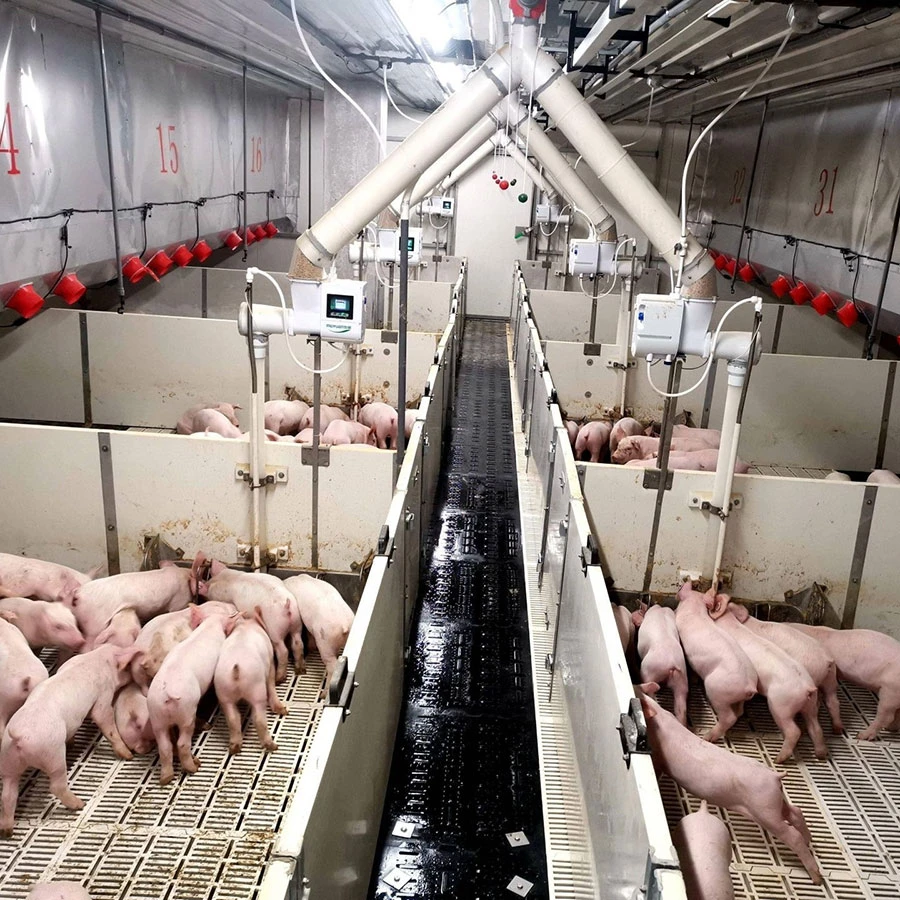
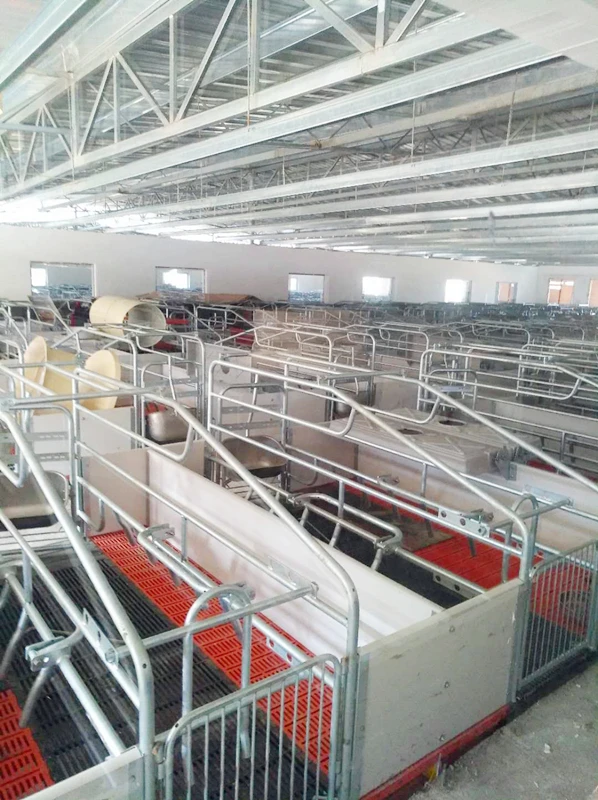
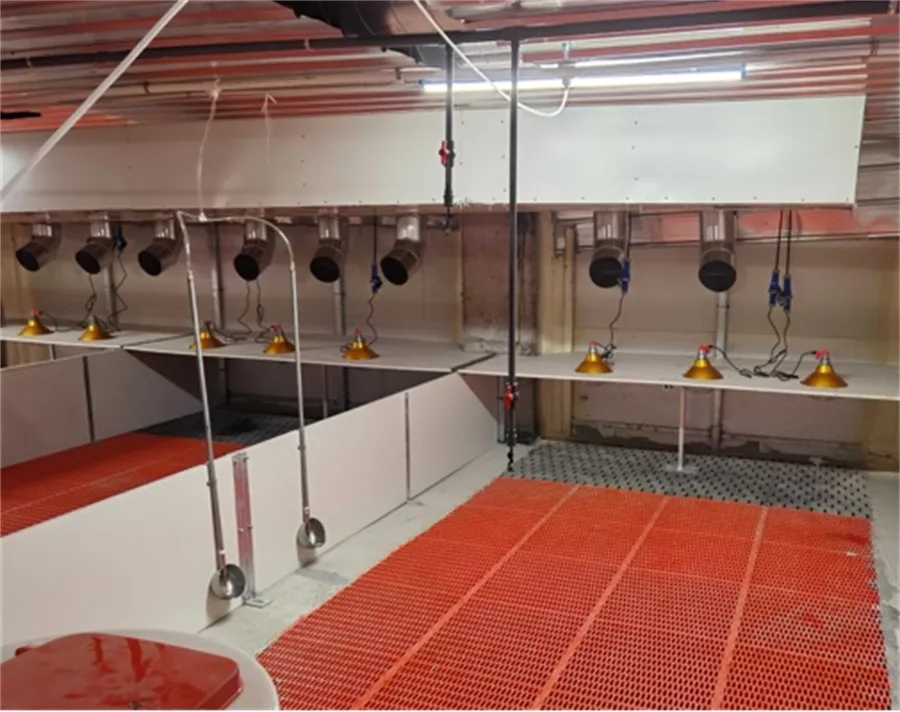
Back when I first saw these plastic slatted floors installed, I noticed right away how much easier cleaning was compared to traditional concrete floors, which often collect moisture and waste in cracks. These floors aren’t just a convenience—they’re a game changer for biosecurity and daily maintenance. And frankly, they make the pigs more comfortable, which leads to better growth performance over time.
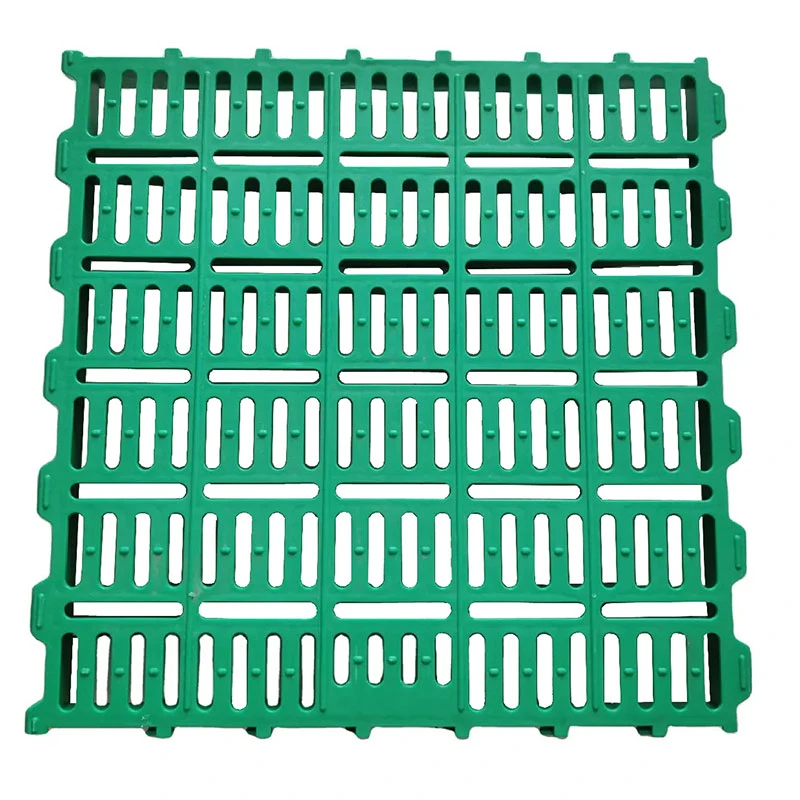
One thing that struck me early on was the importance of the material itself. Most of these floors are manufactured from high-grade polypropylene or recycled HDPE, chosen for toughness and resistance to aggressive cleaning chemicals. The plastic slats are designed to prevent slipping and allow waste to fall through, but without being too abrasive for sensitive pig skin. It’s a balance that takes careful engineering.
Industry leaders often run rigorous testing on these products, ranging from load capacity assessments to long-term UV and chemical resistance checks. I remember discussing with engineers how they simulate years of wear using accelerated aging tests. It's reassuring to know many products can handle typical pig weights and daily use for 10+ years without cracking or warping.
Now, about customization — there’s a decent variety of slat widths, thicknesses, and gap sizes to accommodate different pig sizes and farm layouts. Some floors even come with modular clip systems to make installation faster and repairs simpler on the fly. One swine farmer I know swears by his choice of 100mm-wide slats because they perfectly match the size of his growing pigs, reducing foot entrapment and injuries.
It’s curious, though, how less obvious factors affect performance. For example, I’ve noticed that slightly textured surfaces prevent pigs from slipping as effectively as smoother ones, but don’t wear their hooves down too aggressively — at least that’s what veterinarians have advised in a few discussions.
Without further ado, here’s a quick rundown of typical specifications from a reputable plastic slatted floor I recently examined:
| Specification | Details |
|---|---|
| Material | High-impact Polypropylene |
| Slat Width | 100 mm |
| Slat Thickness | 25 mm |
| Load Capacity | Up to 800 kg/m² |
| Color Options | Gray, Blue, Black |
| Installation Method | Click-lock modular panels |
Of course, the market offers several options. Let’s lay out a quick comparison among three popular vendors I’ve worked with or reviewed extensively:
| Vendor | Material | Warranty | Unique Feature | Price Range |
|---|---|---|---|---|
| AgriSlat Pro | Polypropylene | 10 years | Anti-slip textured surface | $$$ |
| EcoSlat Systems | Recycled HDPE | 5 years | Modular panels with quick-release clips | $$ |
| SwineSafe Flooring | Polypropylene blend | 8 years | Custom sizing per project | $$$ |
Reflecting on my encounters, the best results tend to come from collaboration between equipment suppliers and the farm managers who understand the behavior of their animals. For example, one midwest hog operation switched from concrete to a plastic slatted floor system supplied by plastic slatted floor for pigs, reporting lower vet visits for joint issues and easier cleaning routines — saving sweat and time.
When thinking about a plastic floor system, remember: it’s not just a product but a long-term partnership. Warranty terms, quality of material, ease of installation, and replacements all matter more than you might initially guess. And oddly enough, color choice can affect how warm the floor feels to the pigs under different lighting conditions (though that’s a bit of a niche fab detail).
In real terms, investing in a properly designed plastic slatted floor is an upfront cost that pays off in health, cleanliness, and operational efficiency. I suppose that’s why more farms are switching, despite initial hesitation about plastic vs. concrete durability. If you want to explore, check out the details and options on plastic slatted floor for pigs; an informed choice can save you headaches down the line.
To sum up: it’s worth digging into vendor comparisons, testing or visiting installations, and factoring in your specific herd and environment. It’s not glamorous, but these floors quietly support the backbone of good pig farming.
References:
- Swine Welfare and Housing Systems, Journal of Animal Science, 2022
- Materials in Agriculture Equipment, AgriTech Reviews, 2023
- Farm Maintenance and Biosecurity Practices, Midwest Livestock Journal, 2021
Post time: Jan . 06, 2026