Farrowing Crate Feeders: Optimizing Sow & Piglet Health
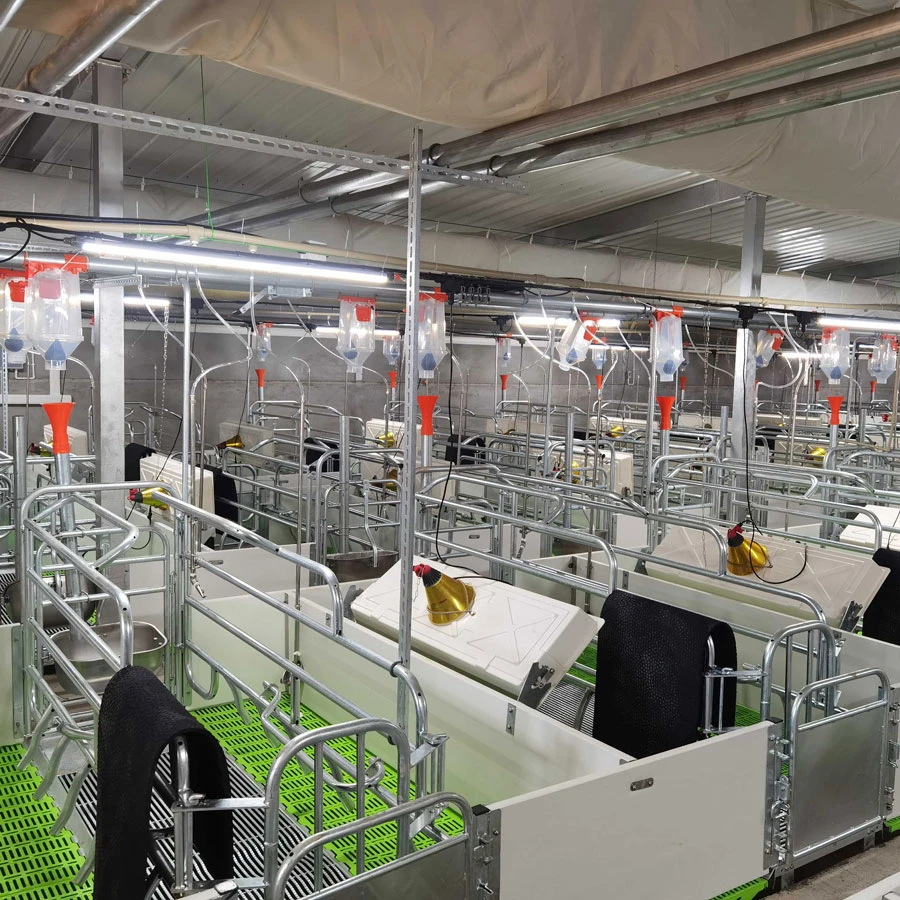
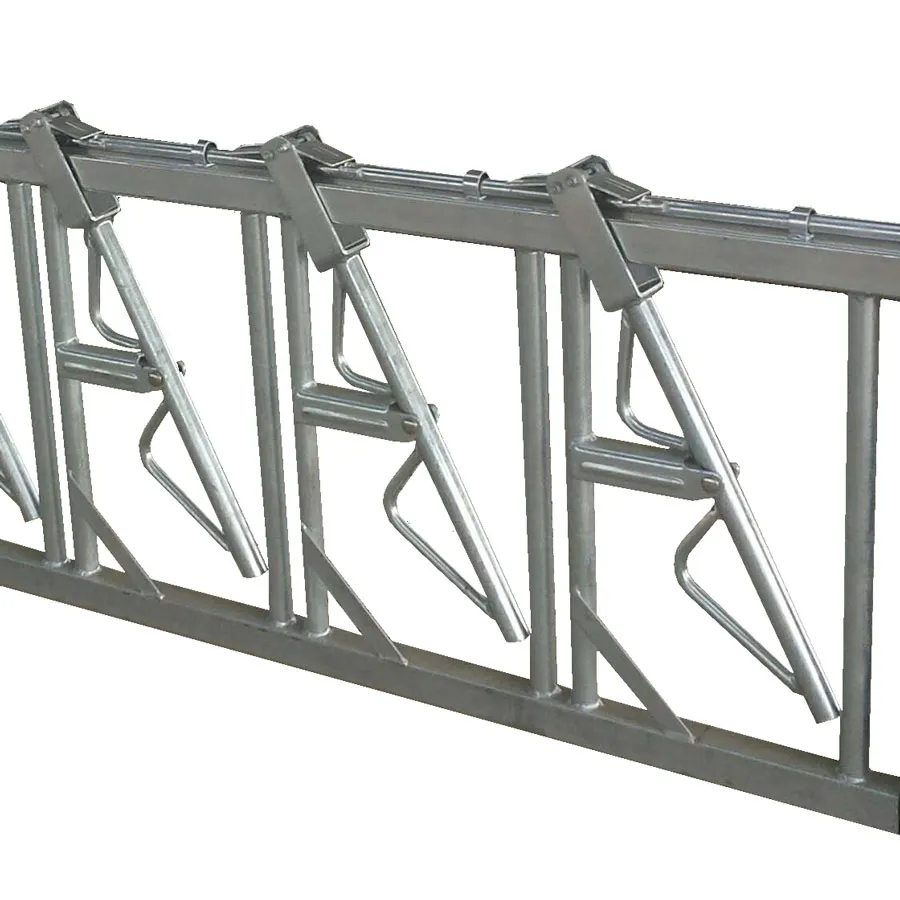
Farrowing crate feeders are a critical component in modern swine production, designed to provide optimal nutrition to sows and piglets during the crucial farrowing and lactation periods. Efficient feeding strategies directly impact sow health, milk production, and ultimately, piglet weaning weights and overall farm profitability. Selecting the right farrowing crate feeder is therefore a vital decision for any pig farmer. This article will explore the key features, benefits, types, and considerations when choosing a farrowing crate feeder for your operation.
Understanding the Importance of Farrowing Crate Feeders
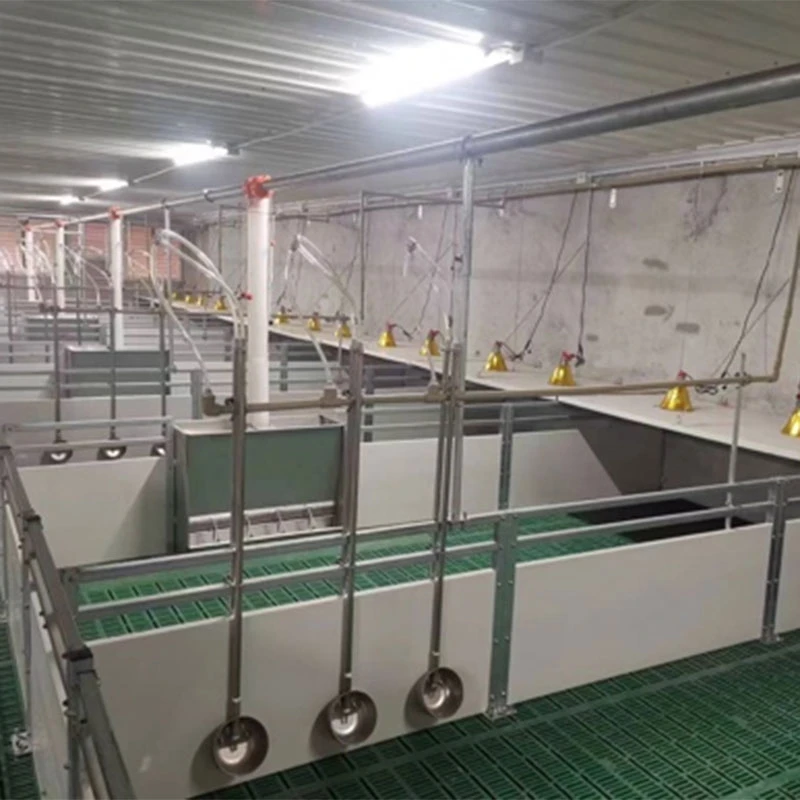
Traditional methods of feeding sows during farrowing can be inefficient, leading to wasted feed, inconsistent intake, and increased labor costs. Farrowing crate feeders address these challenges by delivering precise feed portions directly to the sow, minimizing waste and ensuring consistent nutrition. This is especially important as the sow’s nutritional needs drastically increase during lactation to support milk production. A well-designed feeder also helps to prevent piglets from accessing the sow’s feed, reducing the risk of digestive upset and promoting healthy growth. Choosing a system from a reputable provider like CXL Livestock ensures quality and durability.
Key Benefits: Minimized feed waste, consistent sow nutrition, reduced piglet access to sow feed, improved labor efficiency, and enhanced sow & piglet health.
Types of Farrowing Crate Feeders
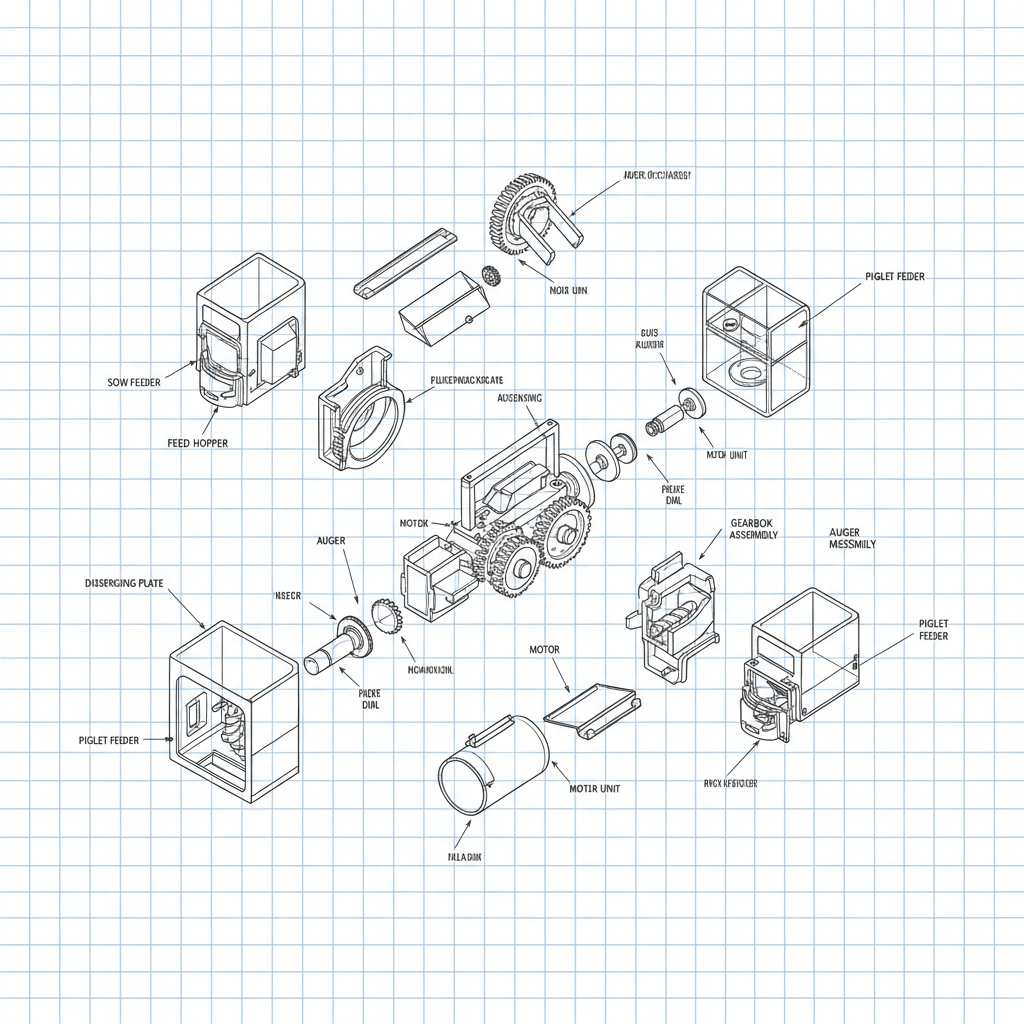
Several types of farrowing crate feeders are available, each with its own advantages and disadvantages. The most common include dry sow feeders, liquid feeders, and manual feeders. Dry sow feeders dispense a measured amount of dry feed, while liquid feeders provide a slurry of feed and water. Manual feeders require manual portioning and dispensing, which can be time-consuming. The best option depends on factors like farm size, budget, labor availability, and feeding strategy.
Farrowing Feeder Comparison:
• Dry Sow Feeders: Precise portion control, reduces waste, suitable for various feed types.
• Liquid Feeders: Increased palatability, supports hydration, requires careful mixing and maintenance.
• Manual Feeders: Lowest initial cost, requires significant labor, prone to inconsistencies.
Choosing the Right Farrowing Crate Feeder: Key Considerations
Selecting the ideal farrowing crate feeder requires careful consideration of several factors. Sow size and breed will influence the appropriate feeder height and capacity. The number of piglets per litter also plays a role, as you’ll need to ensure adequate feed availability for the sow to support optimal milk production. Durability and ease of cleaning are essential for maintaining hygiene and preventing disease. Investing in a high-quality feeder from a reputable manufacturer like CXL Livestock will ultimately save you time and money in the long run.
Benefits of Automated Farrowing Crate Feeders
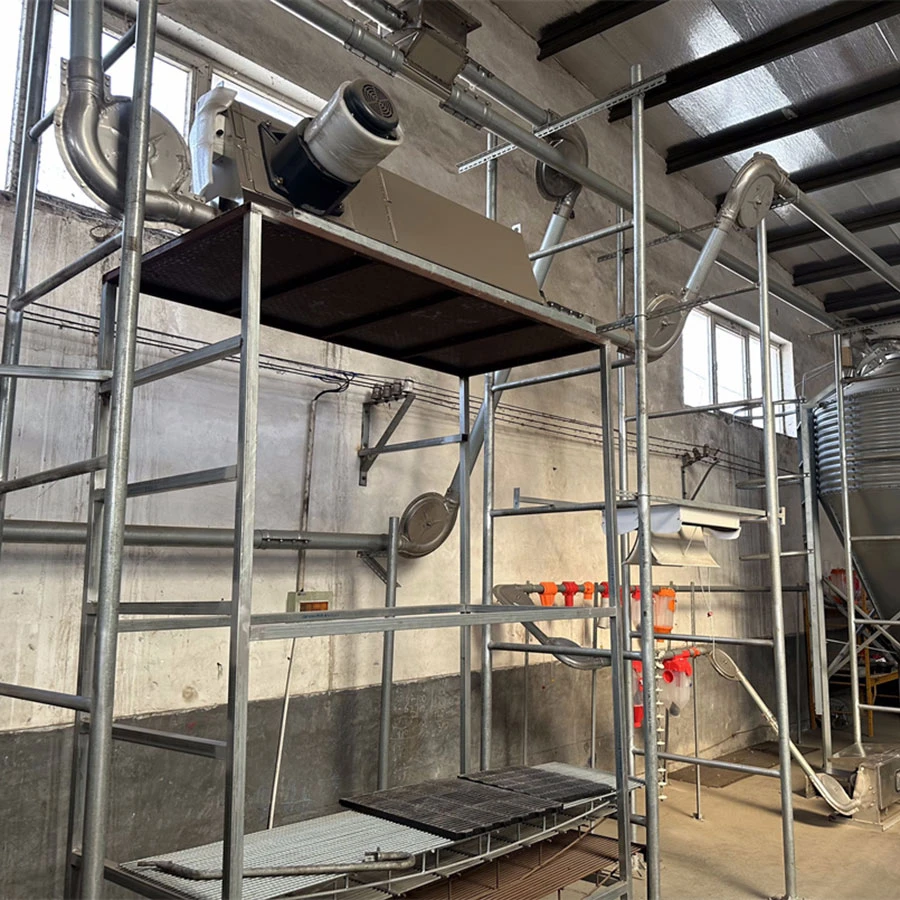
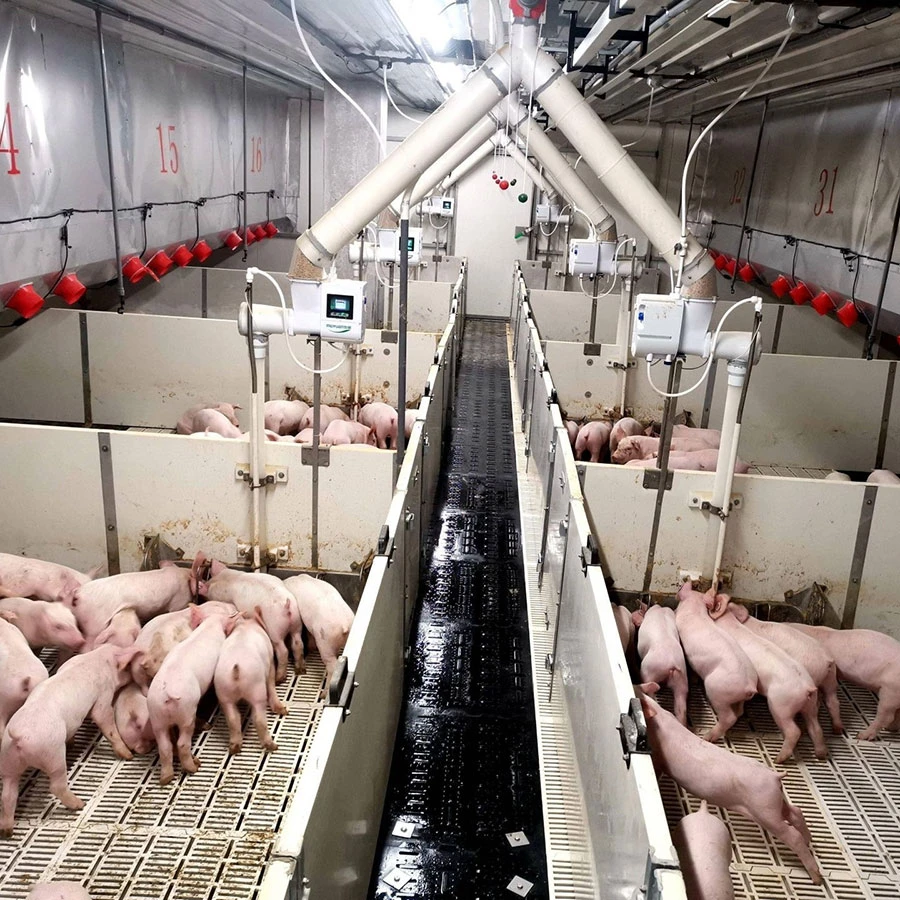
Automated farrowing crate feeders offer significant advantages over manual systems, particularly in large-scale operations. These systems often feature programmable feeding schedules, precise portion control, and remote monitoring capabilities. Automation reduces labor requirements, minimizes feed waste, and allows for more accurate tracking of sow feed intake. This data can be invaluable for optimizing feeding strategies and improving overall farm performance.

Product Specifications: CXL Livestock Farrowing Crate Feeders
CXL Livestock offers a range of farrowing crate feeders designed to meet the diverse needs of modern swine farms. Here’s a snapshot of the key specifications:
Conclusion: Investing in Optimal Sow & Piglet Nutrition
Choosing the right farrowing crate feeder is an investment in the health and productivity of your swine operation. By carefully considering your specific needs and selecting a high-quality, durable feeder, you can optimize sow nutrition, reduce feed waste, and improve overall farm profitability. Explore the range of options available from CXL Livestock to find the perfect solution for your farm.
Frequently Asked Questions (FAQs)
What is the recommended cleaning schedule for farrowing crate feeders?
Regular cleaning is crucial to prevent the build-up of bacteria and maintain hygiene. Feeders should be thoroughly cleaned at least once per week, and more frequently if necessary. Remove any leftover feed, wash the feeder with a mild detergent and warm water, and rinse thoroughly. Disinfecting the feeder periodically can also help prevent the spread of disease. Always follow the manufacturer’s instructions for cleaning and disinfection, and ensure the feeder is completely dry before refilling it.
How do I prevent piglets from accessing the sow’s feed?
Piglet access to sow feed can lead to digestive issues and reduced growth rates. Many farrowing crate feeders are designed with features to prevent this, such as adjustable bars or gates. Ensure these features are properly adjusted to allow the sow access while restricting piglet entry. Providing piglets with their own creep feeder containing a specially formulated starter feed will also encourage them to consume a balanced diet without accessing the sow’s feed.
What materials are farrowing crate feeders typically made from?
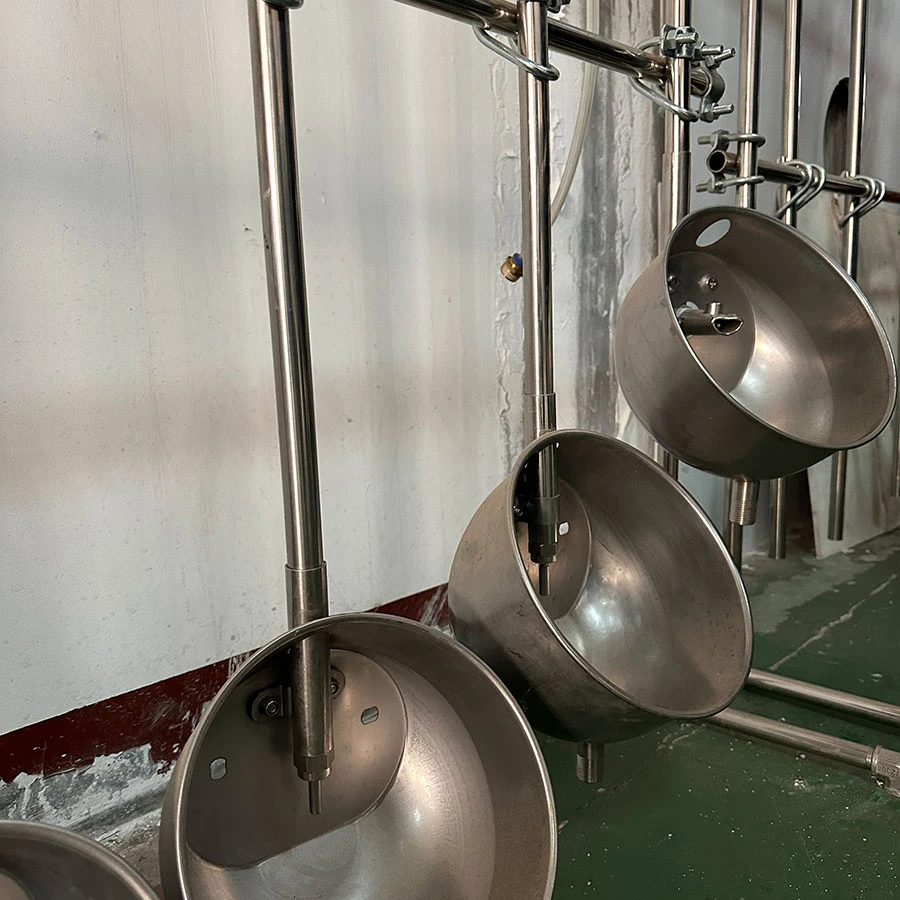
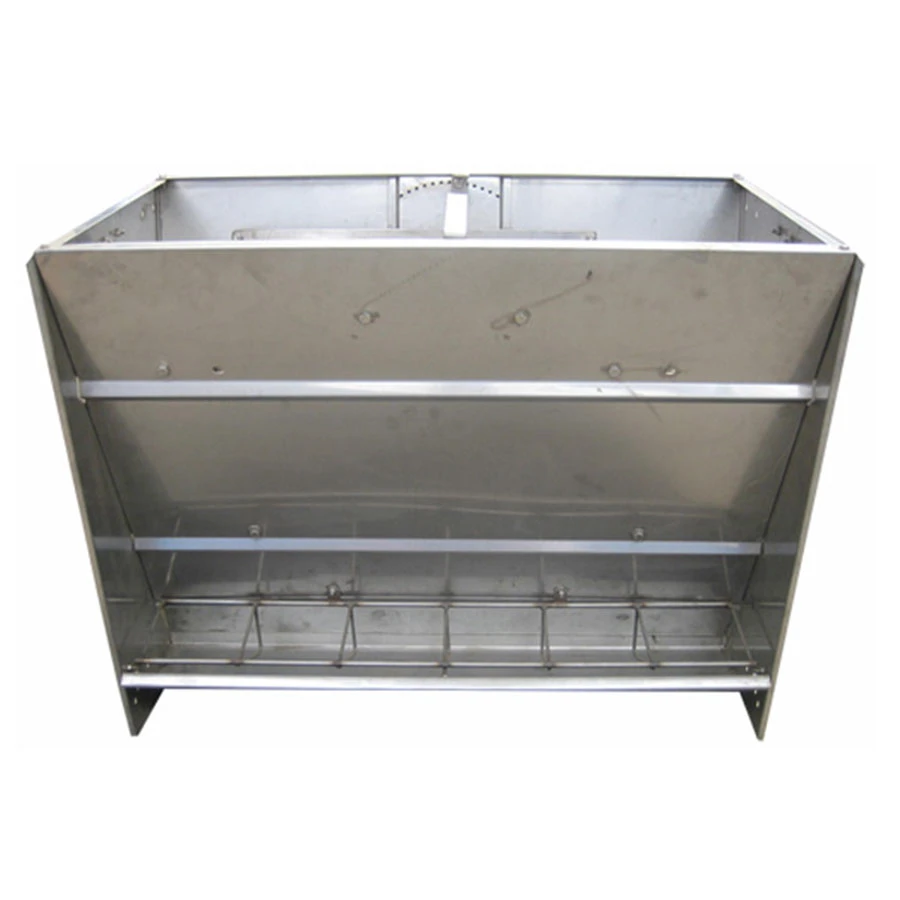
Farrowing crate feeders are commonly constructed from stainless steel or heavy-duty plastics. Stainless steel is highly durable, corrosion-resistant, and easy to clean, making it a preferred choice for many farms. Heavy-duty plastics are a more affordable option, but may be less durable and require more frequent replacement. The best material depends on your budget and the expected lifespan of the feeder.
How can I determine the correct feeder capacity for my sows?
The correct feeder capacity depends on the sow’s body weight, stage of lactation, and litter size. Consult with a swine nutritionist to determine the optimal daily feed intake for your sows. Choose a feeder with a capacity that can accommodate this intake while minimizing waste. It’s generally better to err on the side of slightly larger capacity to ensure the sow has access to enough feed, especially during peak lactation.
Post time: Jan . 27, 2026