Choosing the Right Stainless Hog Feeder for Your Farm
Investing in the right feeding system is crucial for the health and productivity of your swine. A stainless hog feeder offers durability, hygiene, and efficiency. This article will guide you through the benefits of stainless steel feeders, different types available, key considerations for choosing the best option, and how to maintain your investment for long-term use. Efficient feeding directly impacts growth rates and overall farm profitability. Choosing the right feeder isn't just about cost; it's about maximizing your return on investment.
Why Choose a Stainless Hog Feeder?
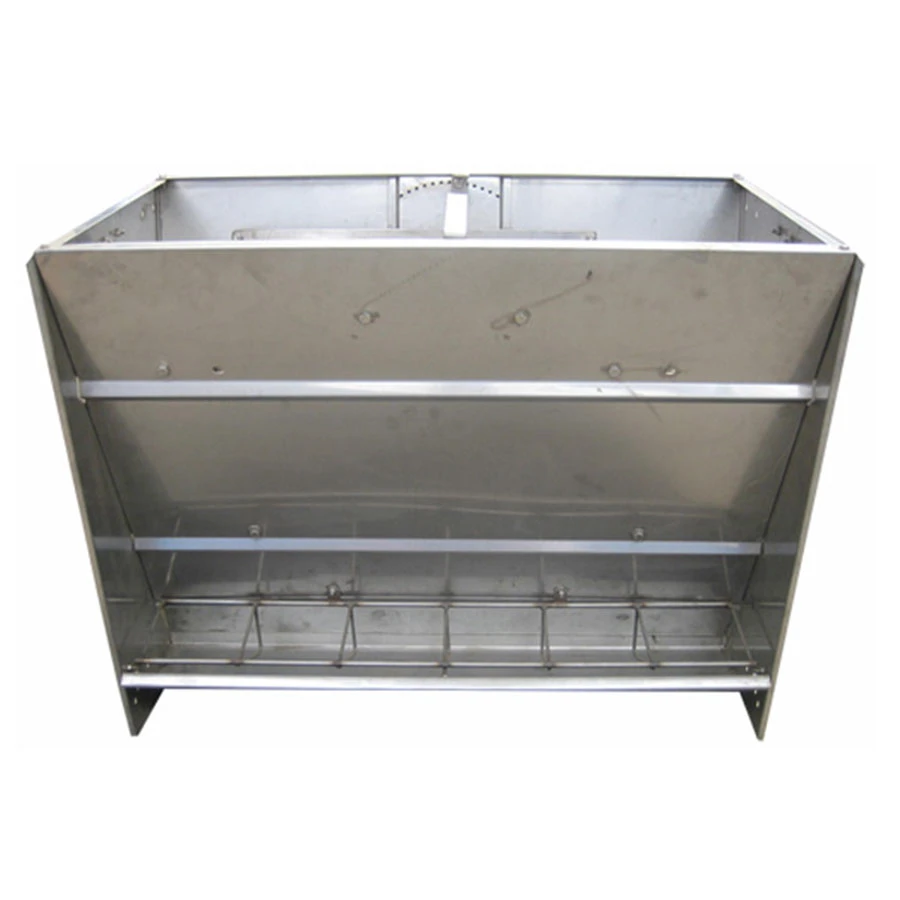
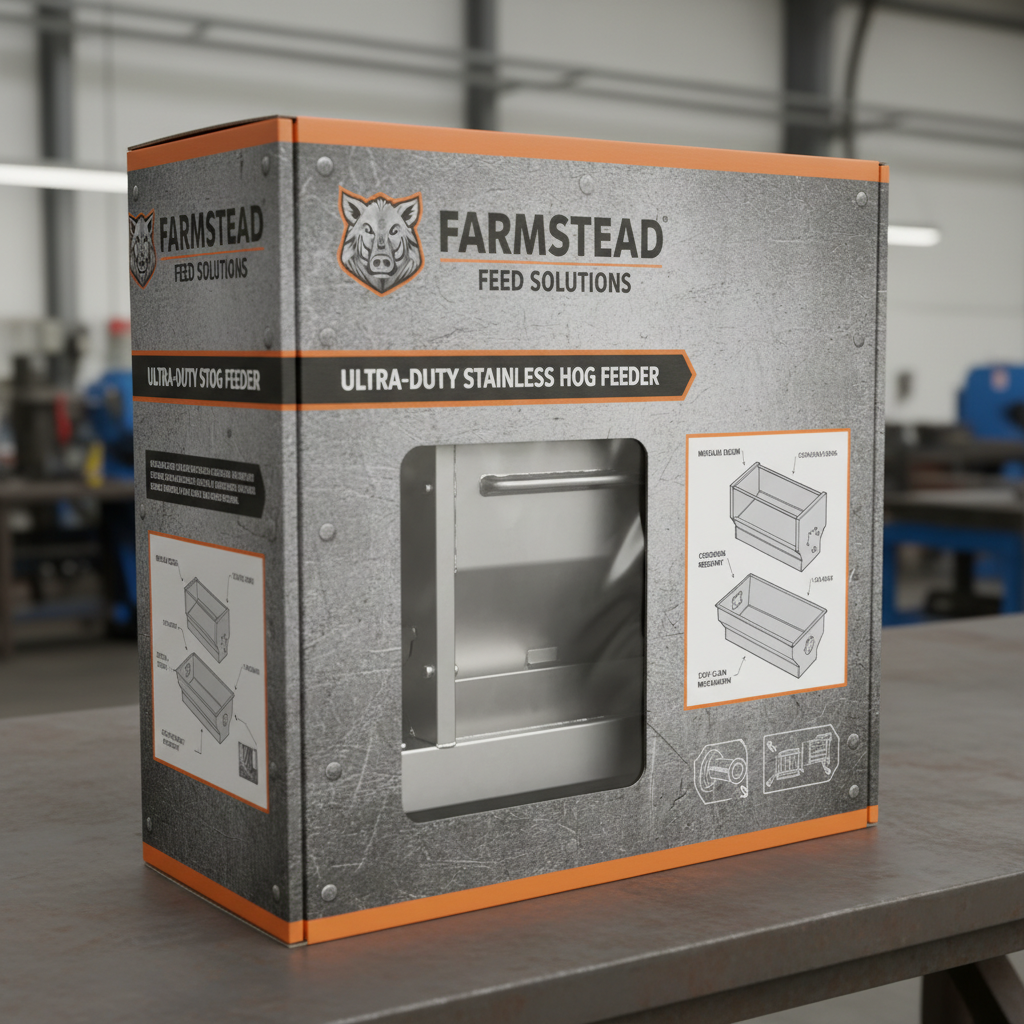
Stainless steel is the material of choice for hog feeders due to its superior qualities. Unlike plastic or galvanized steel feeders, stainless steel resists corrosion, even with constant exposure to feed, water, and swine waste. This means a longer lifespan, reduced replacement costs, and improved biosecurity. Stainless steel is also non-porous, making it easier to clean and sanitize, which minimizes the risk of disease transmission. Furthermore, stainless steel is a strong and durable material that can withstand the constant use and potential abuse from pigs, ensuring a reliable feeding solution for years to come. Choosing a feeder from CXL Livestock guarantees quality and longevity.
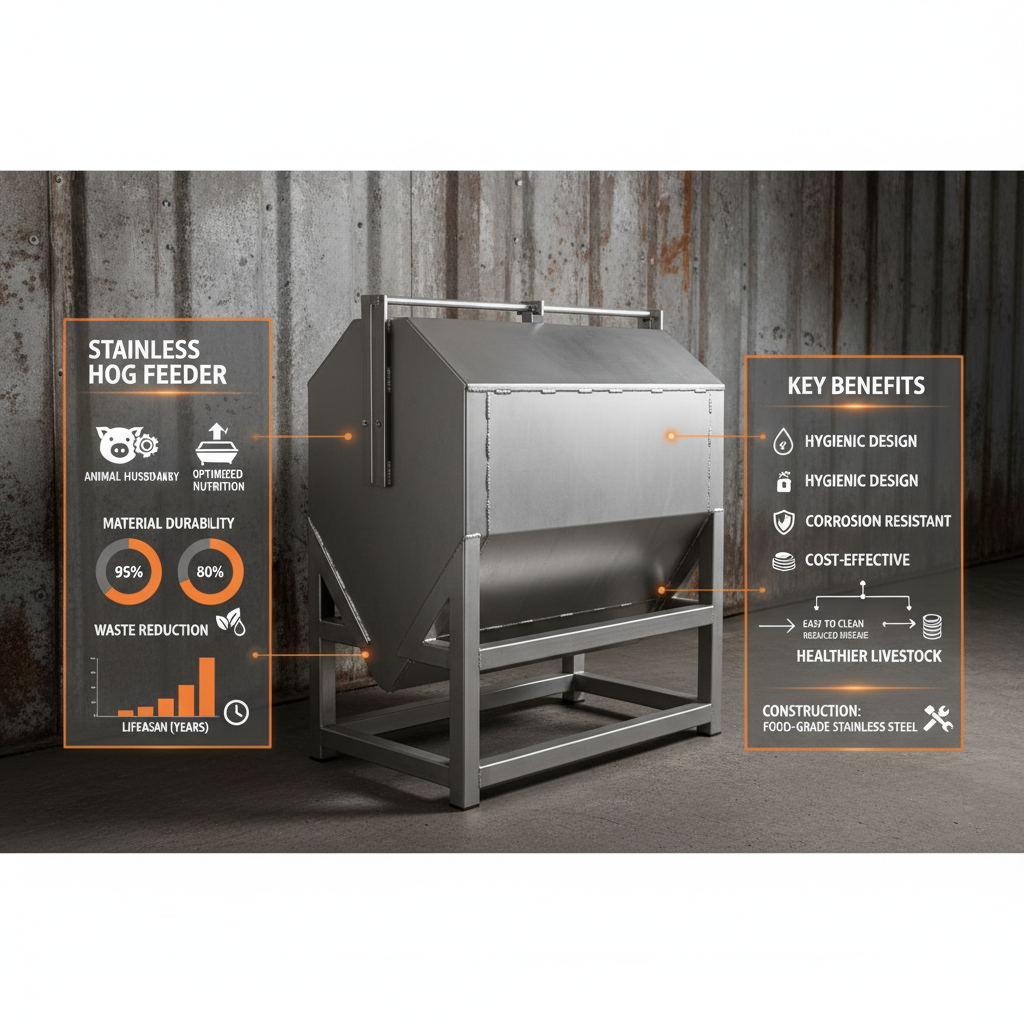
Key Benefits: Superior corrosion resistance, hygienic and easy to sanitize, durable and long-lasting, minimizes disease transmission, reduces replacement costs.
Types of Stainless Hog Feeders Available
There are several types of stainless steel hog feeders designed to meet different needs and farming operations. These include: dry/dry feeders, wet/dry feeders, self-feeders, and group feeders. Dry/dry feeders dispense a dry feed mix, while wet/dry feeders allow for adding water to the feed, improving palatability and reducing waste. Self-feeders provide a constant supply of feed, minimizing labor requirements. Group feeders are designed for multiple pigs, offering a communal feeding space. The choice depends on your herd size, feeding strategy, and the age/weight of your swine. Consider the specific requirements of your operation when selecting a feeder type.
Feeder Type Benefits:
• Dry/Dry: Cost-effective, simple operation.
• Wet/Dry: Improved feed palatability, reduced waste.
• Self-Feeders: Reduced labor, constant feed access.
• Group Feeders: Efficient for larger groups.
Comparing Materials: Stainless Steel vs. Other Options
While stainless steel is the premium choice, it’s important to understand how it stacks up against other common feeder materials. Plastic feeders are inexpensive but prone to cracking and harboring bacteria. Galvanized steel feeders offer some durability but are susceptible to rust and corrosion, especially in humid environments. Stainless steel, while more expensive upfront, offers a much longer lifespan and superior hygiene, ultimately making it a more cost-effective solution in the long run. The investment in a stainless steel hog feeder minimizes the need for frequent replacements and reduces the risk of disease outbreaks.
Selecting the Right Size and Capacity
The size and capacity of your stainless hog feeder are critical factors to consider. Overcrowding at the feeder can lead to stress and reduced feed intake, while feeders that are too large can result in wasted feed. The number of pigs per feeder will depend on their age and weight. Younger pigs require more space per animal. Consult with a livestock specialist or refer to the product specifications on CXL Livestock's website to determine the appropriate feeder size for your specific operation.
Maintenance and Cleaning for Longevity
Proper maintenance is key to maximizing the lifespan of your stainless steel hog feeder. Regular cleaning is essential to prevent the buildup of feed residue and bacteria. Use a mild detergent and warm water, and avoid abrasive cleaners that could scratch the surface. Inspect the feeder regularly for any signs of damage, such as cracks or corrosion. Promptly address any issues to prevent them from worsening. Investing a little time in maintenance will ensure your feeder continues to perform optimally for years to come.
Conclusion: A Smart Investment for Your Farm
Investing in a stainless hog feeder from CXL Livestock is a smart choice for any swine operation. The durability, hygiene, and efficiency of stainless steel translate to long-term cost savings and improved animal health. By carefully considering your needs and selecting the appropriate feeder type and size, you can optimize your feeding system and maximize your farm's profitability.
Frequently Asked Questions (FAQs)
How often should I clean my stainless hog feeder?
It's recommended to clean your stainless steel hog feeder at least once a day, or more frequently if necessary, to remove feed residue and prevent bacterial growth. Thoroughly scrub all surfaces with a mild detergent and warm water, then rinse and allow to dry completely. Regular cleaning ensures optimal hygiene and prevents the spread of disease within your herd. This is crucial for maintaining the health and productivity of your swine.
What type of detergent is safe to use on a stainless steel hog feeder?
Use a mild, non-abrasive detergent specifically designed for food contact surfaces. Avoid harsh chemicals, bleach, or abrasive cleaners, as these can damage the stainless steel and leave harmful residues. Ensure the detergent is thoroughly rinsed off after cleaning to prevent contamination of the feed. Refer to the detergent manufacturer's instructions for proper dilution and usage.
How can I prevent rust from forming on my stainless steel feeder?
While stainless steel is highly resistant to rust, it's not entirely immune, especially in harsh environments. To prevent rust, avoid prolonged exposure to chlorides (like salt) and regularly clean the feeder to remove any corrosive substances. If scratches occur, polish the area with a stainless steel polish to restore the protective layer. Proper maintenance and prompt attention to any damage will help preserve the rust-resistant properties of your feeder.
Where can I find replacement parts for my CXL Livestock feeder?
CXL Livestock offers a comprehensive range of replacement parts for all of their feeders. You can find these parts on their website, www.cxlivestock.com, or by contacting their customer support team directly. They can assist you in identifying the correct parts for your specific model and ensure a quick and efficient replacement process.
Post time: Feb . 26, 2026