Maximizing Livestock Efficiency with Premium Farm Feed Bins
Efficient feed management is the cornerstone of any successful livestock operation. Utilizing high-quality farm feed bins allows producers to store large quantities of nutrients while protecting them from environmental degradation and pests. By reducing waste and streamlining the feeding process, these storage solutions directly impact the growth rates and overall health of the herd. In this guide, we will explore how to choose the right storage systems to optimize your farm's operational workflow and ensure your animals receive consistent, high-quality nutrition throughout the year.
The Critical Role of Farm Feed Bins in Feed Preservation
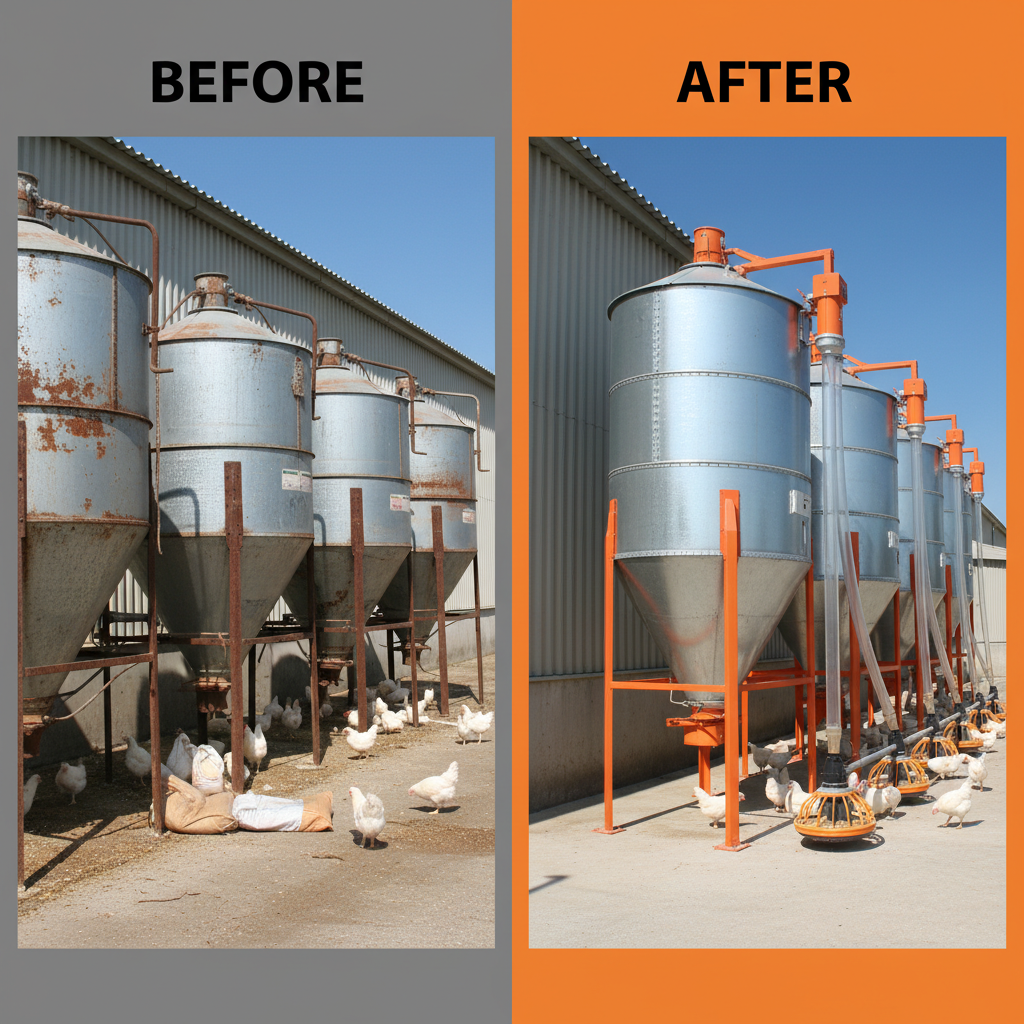
Feed spoilage can lead to significant financial losses and, more importantly, health risks for livestock. Professional farm feed bins are engineered to create a controlled environment that keeps moisture out and prevents the growth of mold and fungi. Unlike open-air storage, sealed bins protect expensive supplements and grains from rain, wind, and opportunistic rodents. This ensures that the nutritional integrity of the feed remains intact from the moment of purchase to the moment of consumption, allowing farmers to buy in bulk during price dips without worrying about quality loss.
Pro Tip: Regularly inspecting the seals and ventilation of your storage bins can extend the shelf life of your feed by up to 30%, significantly reducing annual waste.
Comparing Material Options for Farm Feed Bins
Choosing between galvanized steel, polyethylene, and concrete depends on your specific climate and budget. Galvanized steel is the industry standard for large-scale operations due to its immense strength and resistance to rust. Polyethylene bins are often preferred for smaller setups or corrosive environments because they are lightweight and chemically inert. Understanding these differences is key to selecting the farm feed bins that will best serve your livestock's needs over the next decade.
Optimizing Workflow with Integrated Feed Systems
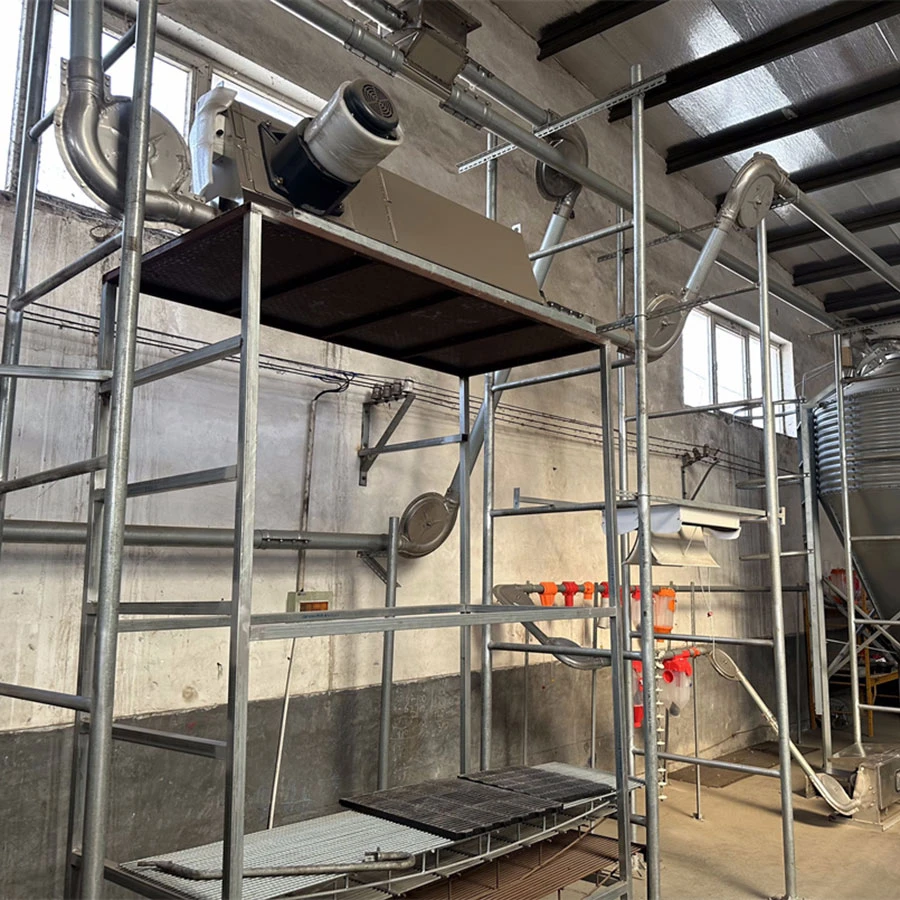
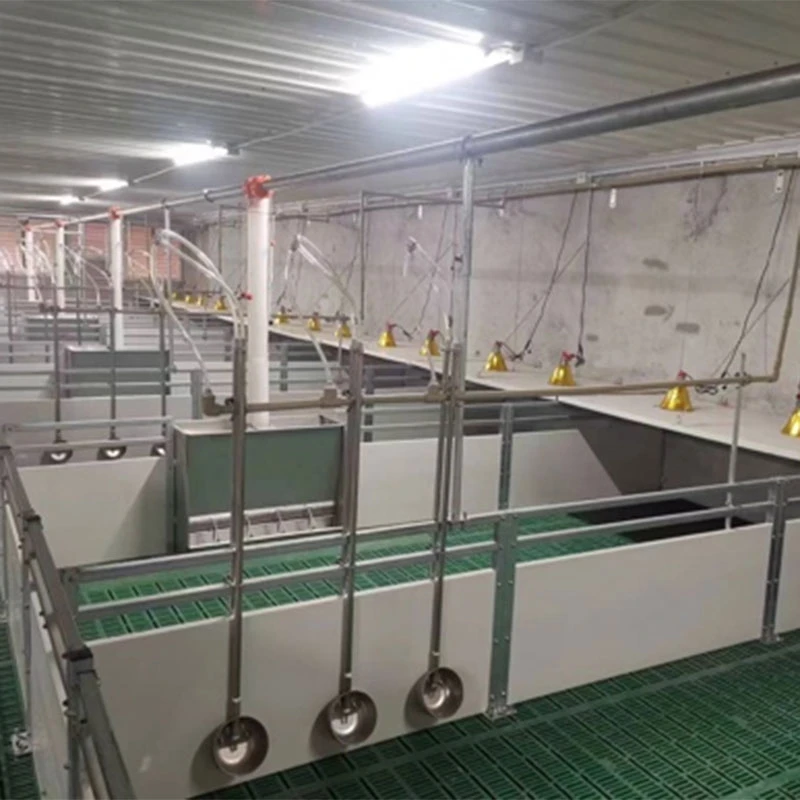
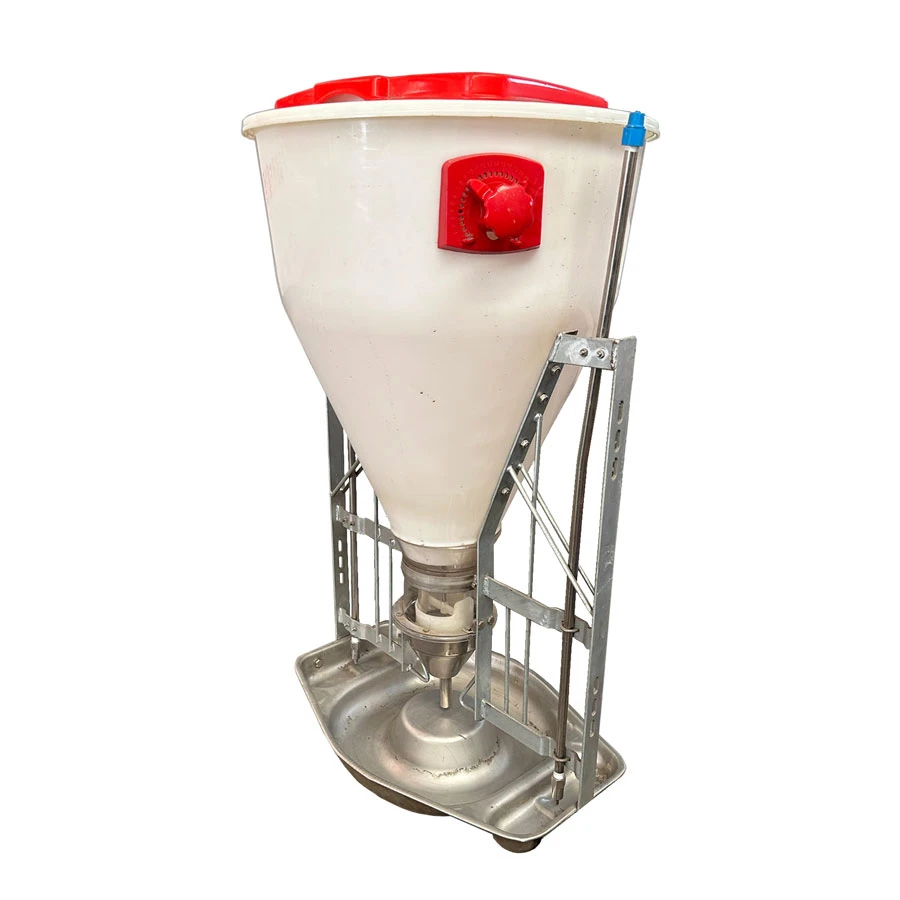
The modern farm requires more than just a container; it requires a system. Integrating farm feed bins with automated augers and dispensing mechanisms can save hours of manual labor daily. By automating the flow of feed from the bin to the trough, you reduce the physical strain on workers and ensure a more precise delivery of feed, which prevents overfeeding and reduces waste. This systemic approach allows for precision feeding, where nutritional intake can be strictly monitored and adjusted based on the animals' growth stages.
Technical Specifications for Farm Feed Bins
When browsing for the ideal storage solution, it is essential to look at the technical specifications to ensure the bin can handle the volume and weight of your feed. Capacity is measured in bushels or tons, and the cone angle at the bottom is critical for ensuring the feed flows freely without "bridging" (where feed gets stuck). High-quality farm feed bins typically feature reinforced legs and weather-tight lids to withstand extreme outdoor conditions. Below is a standard specification table for common industrial models.
Maintenance Best Practices for Long-Term Use
To ensure your investment lasts, a consistent maintenance schedule is vital. The primary enemy of any storage system is internal moisture and residue buildup. We recommend cleaning out farm feed bins thoroughly between different feed batches to prevent cross-contamination and the growth of bacteria. Checking for structural fatigue in the support legs and lubricating any moving parts of the dispensing system will prevent costly downtime during peak feeding seasons. A well-maintained bin not only lasts longer but also ensures a safer environment for both the handlers and the animals.
Strategic Placement of Feed Storage on the Farm
Where you place your farm feed bins can significantly impact your daily efficiency. Ideally, bins should be located on a level, concrete pad to prevent settling and ensure easy access for delivery trucks. Placing them in a central location relative to your livestock housing reduces the distance feed must be transported, lowering fuel costs and labor time. Additionally, ensure there is adequate clearance around the bins for cleaning and maintenance access, while keeping them shielded from the most extreme wind corridors to maintain internal temperature stability.
Conclusion: Elevating Your Livestock Management
Investing in professional farm feed bins is more than just a purchase; it is a strategic move toward a more sustainable and profitable farming operation. By protecting your feed, reducing waste, and automating delivery, you create a foundation for healthier animals and a more streamlined business. Whether you are managing a small family herd or a large-scale commercial operation, the right storage solution ensures that your livestock always have access to the best nutrition possible. Upgrade your storage today for a more efficient tomorrow.
Frequently Asked Questions (FAQs)
How do I prevent feed from bridging in my farm feed bins?
Bridging occurs when feed clumps together and forms a "bridge" over the discharge opening, stopping the flow. To prevent this, choose bins with a steeper cone angle to encourage gravity flow. Additionally, ensuring the feed is properly dried before storage reduces moisture-induced clumping. Some farmers install vibration motors or "bridge breakers" in larger bins to physically disrupt clumps, ensuring a steady flow of nutrition to the livestock without manual intervention.
What is the best way to protect bins from pests?
Pest protection starts with a tight seal. Ensure your farm feed bins have heavy-duty, locking lids that fit snugly. For the bottom discharge areas, using metal screens or locking gates prevents rodents from entering from below. Regularly cleaning the area around the base of the bin to remove spilled feed also discourages pests from gathering. Using galvanized steel is also an advantage, as it is much harder for rodents to chew through than plastic or wood.
How often should I clean out my feed storage systems?
It is highly recommended to perform a deep clean at least once a year, or whenever you switch to a different type of feed formula. Old feed residue can harbor mold and bacteria, which can contaminate new batches. A thorough cleaning involves emptying the bin completely and using a brush or vacuum to remove "dead zones" where feed may have settled. This prevents cross-contamination and ensures that your animals are consuming the freshest possible nutrients.
Can I use these bins for various types of livestock feed?
Yes, professional bins are designed to be versatile. They can store corn, soy, pellets, and mixed grains. However, the flow characteristics vary between materials; for example, fine powders may flow differently than large pellets. When choosing a bin, consider the most common feed type you use. If you use multiple types of feed, investing in several smaller farm feed bins is better than one giant bin to avoid mixing nutrients and to maintain specific dietary control for different animal groups.
Post time: Apr . 16, 2026