Understanding "Hogs at the Trough": Optimizing Livestock Feeding Strategies
The phrase "hogs at the trough" evokes a vivid image – and a critical challenge in livestock management. It refers to the competitive feeding behavior observed in pigs, where dominant animals may monopolize access to feed, leaving less for subordinate ones. This leads to uneven growth rates, increased stress, and potential welfare concerns. At CXL Livestock, we understand these challenges and offer innovative solutions to ensure all your animals receive the nutrition they need. Effective feeding strategies are paramount for maximizing productivity and profitability in swine operations. This article will delve into the causes of "hogs at the trough," explore the consequences of unequal feed access, and present practical strategies to promote fairer and more efficient feeding.

The Root Causes of Competitive Feeding
Several factors contribute to the "hogs at the trough" phenomenon. Social hierarchy plays a significant role; pigs establish a pecking order, with dominant individuals asserting their priority access to resources. Feed presentation also matters – a single, centralized trough encourages competition, while multiple feeding stations can distribute access more evenly. The number of pigs per pen, pen layout, and even the type of feeder can influence the level of competition. Furthermore, factors like stocking density and the nutritional value of the feed itself can exacerbate the issue. Pigs will exhibit more aggressive behavior when resources are scarce or highly desirable. CXL Livestock’s expertise helps address these multifaceted issues.
Key Contributors: Social Hierarchy, Feed Presentation, Stocking Density, Nutritional Value of Feed.
The Negative Impacts of Unequal Feed Access
Allowing "hogs at the trough" to dictate feeding patterns results in a cascade of negative consequences. Subordinate pigs receive insufficient feed, leading to slower growth rates and reduced overall productivity. This variation in growth within a group can necessitate prolonged finishing periods and increased feed costs. Stress levels among subordinate animals rise due to constant competition, compromising their immune systems and increasing susceptibility to disease. Furthermore, uneven growth can lead to inconsistencies in carcass quality, impacting market value. CXL Livestock prioritizes minimizing these negative outcomes through tailored feeding solutions.
Consequences of Unequal Feed Access:
• Slower Growth Rates
• Increased Stress
• Compromised Immune System
• Reduced Carcass Quality
Strategies to Mitigate “Hogs at the Trough”
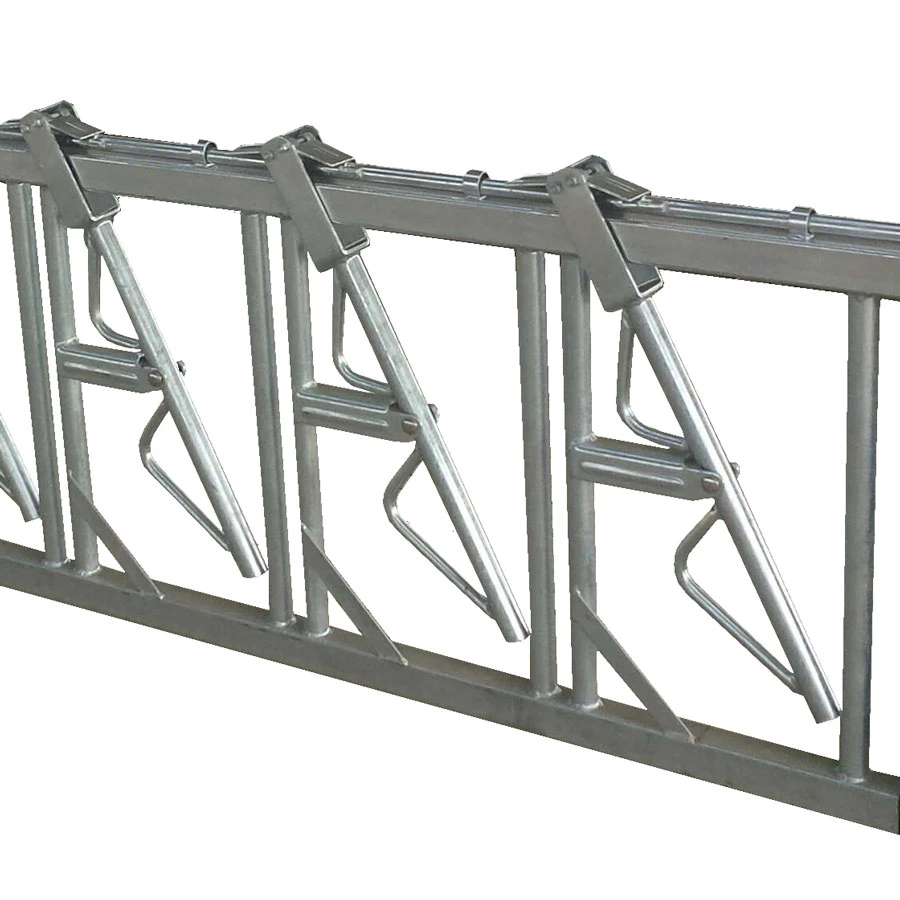
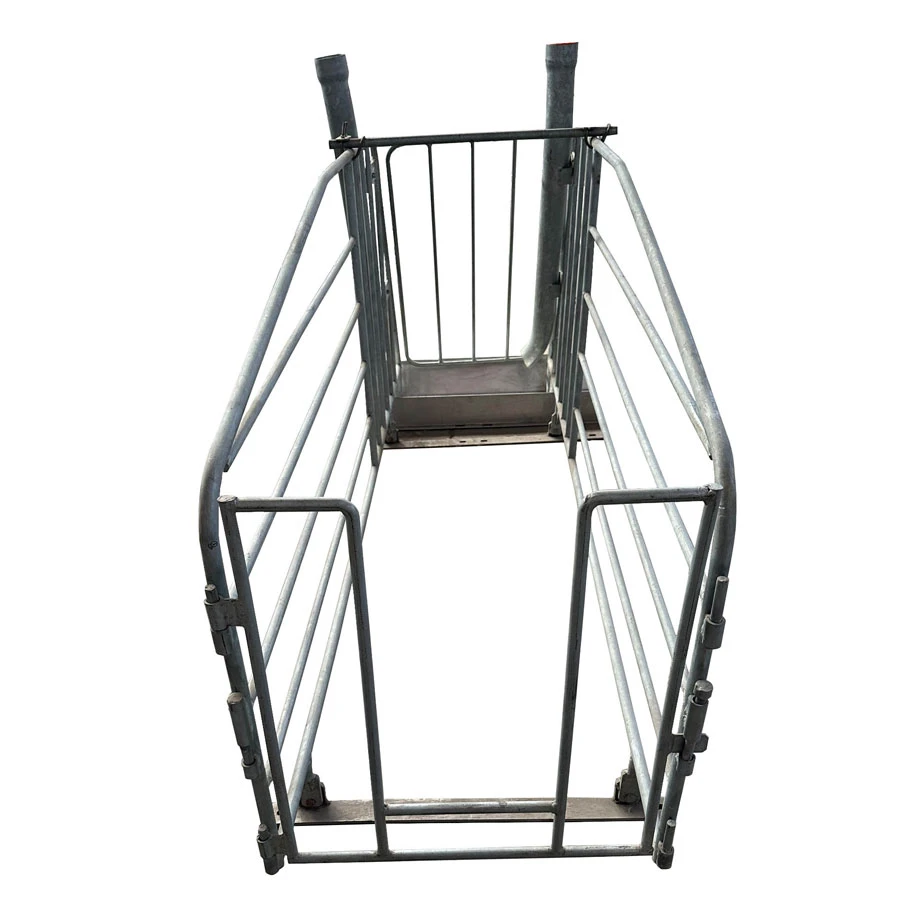
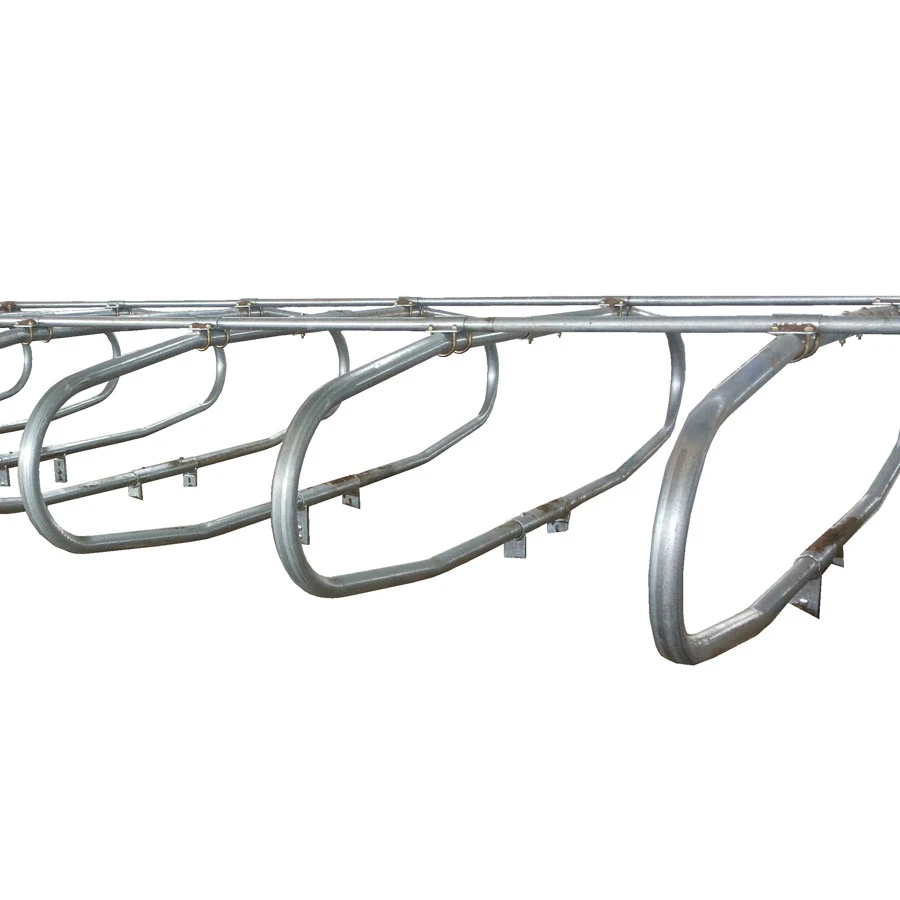
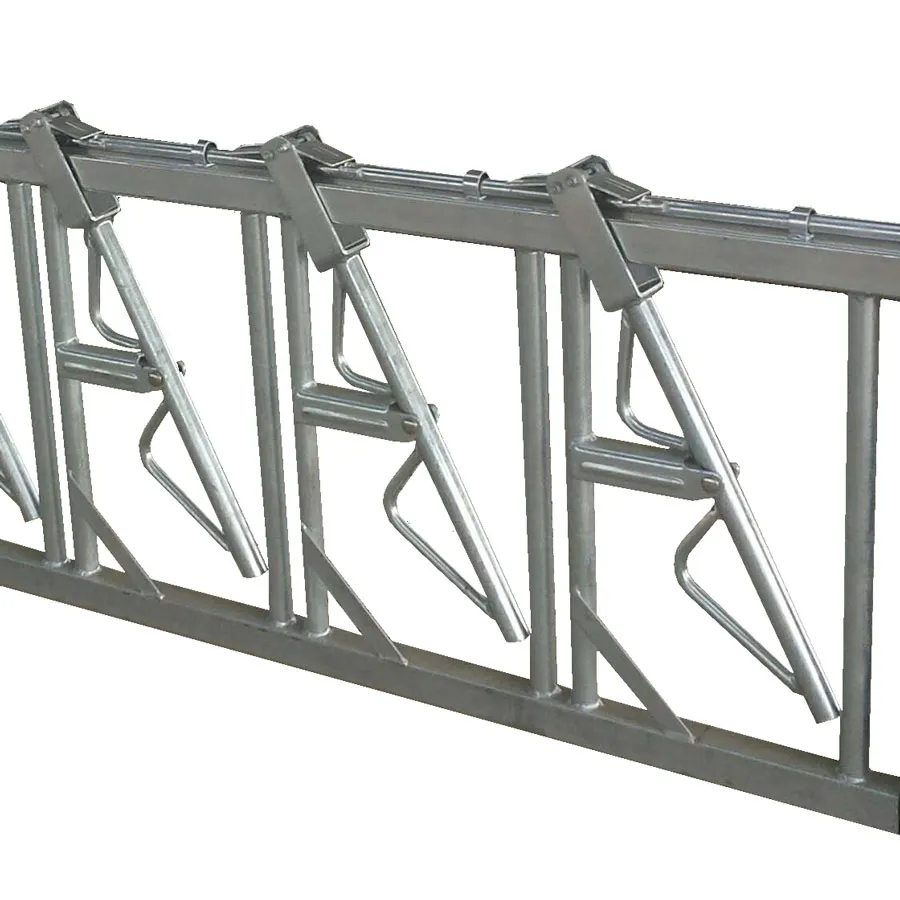
Several practical strategies can effectively address the problem of competitive feeding. Increasing the number of feeding spaces is paramount – ensure enough feeders are available so each pig can comfortably access feed simultaneously. Consider using individual feeding stalls, particularly for younger or more vulnerable animals. Adjusting the feeder design can also make a difference; explore options that restrict access to dominant pigs, such as nipple drinkers or individual feed drops. Regularly monitoring feed intake and body condition scores can help identify animals that are consistently being deprived of feed. Careful pen stocking and management are also essential to minimize competition.
Innovative Solutions from CXL Livestock
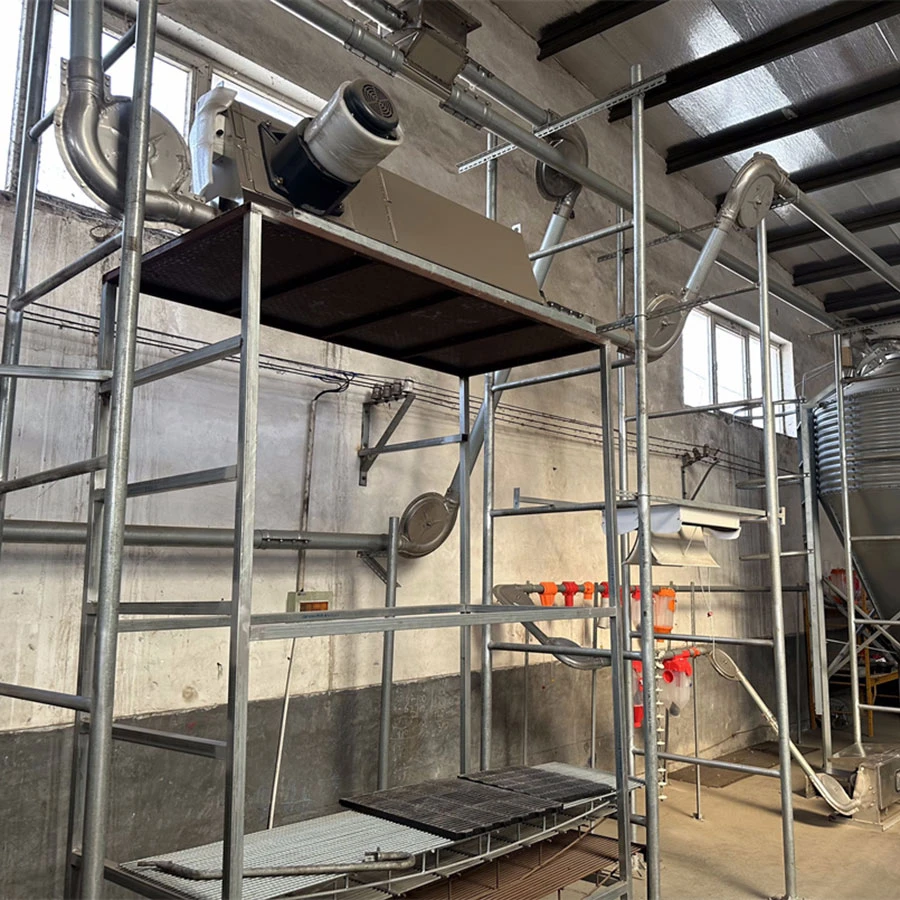
At CXL Livestock, we offer a range of precision feeding systems designed to minimize competition and optimize feed utilization. Our automated feeders distribute feed evenly among all animals, reducing the opportunity for dominant pigs to monopolize resources. We also provide expert consultation services to help you tailor your feeding strategy to the specific needs of your operation, considering factors such as pig breed, age, and growth stage. We are dedicated to helping you achieve optimal animal performance and profitability.

Product Spotlight: CXL Automated Feeders – Ensuring Fair Access
Our CXL Automated Feeders are engineered to deliver precise portions of feed to each animal, eliminating competition and promoting uniform growth. Here's a quick overview of their key specifications:
Conclusion: Promoting Optimal Nutrition & Welfare
Addressing the issue of “hogs at the trough” is crucial for maximizing the productivity and welfare of your swine operation. CXL Livestock is committed to providing innovative solutions and expert support to help you achieve optimal feeding efficiency and ensure all your animals receive the nutrition they need to thrive. Don't let competition compromise your results – partner with us for a healthier, more profitable future.
Frequently Asked Questions (FAQs)
What are the signs that I have a "hogs at the trough" problem in my piggery?
Common indicators include uneven growth rates among pigs in the same group, with some noticeably smaller than others. You might observe dominant pigs aggressively guarding feeders or preventing subordinate pigs from accessing feed. Look for signs of stress in less dominant animals, such as skin lesions, tail biting, or increased susceptibility to illness. Regularly monitoring body condition scores can also reveal discrepancies in nutritional intake. If you notice these signs, it's essential to investigate further and implement strategies to improve feed access for all animals.
How does stocking density affect competition for feed?
Higher stocking densities inherently increase competition for resources, including feed. When more pigs are confined to a smaller space, they have less opportunity to access feeders without encountering competition from others. This can exacerbate the "hogs at the trough" problem and lead to greater disparities in feed intake. Reducing stocking density, where feasible, can help alleviate competition. Careful pen design and placement of feeders are also crucial considerations in managing stocking density effectively.
Can the type of feed influence the level of competition?
Yes, highly palatable or nutrient-dense feeds tend to elicit more competitive behavior. Pigs will be more motivated to compete for feeds that offer a significant nutritional reward. Providing a well-balanced and nutritionally adequate diet can reduce the drive to compete. Furthermore, presenting feed in a less concentrated form (e.g., mixing it with water to create a slurry) can help reduce its appeal and lessen competition.
What is the role of enrichment in reducing competitive feeding?
Providing environmental enrichment can help distract pigs and reduce their focus on food, thereby decreasing competitive behavior. Enrichment items such as straw, toys, or rooting materials can encourage natural foraging behaviors and reduce stress. A stimulated pig is less likely to constantly focus on gaining access to the feed trough. Enrichment creates a more positive and engaging environment, promoting overall animal welfare.
Post time: Feb . 24, 2026