Farrowing Pens for Pigs: A Veteran’s Perspective on Practical Design and Performance
Having spent over a decade working hand-in-hand with swine producers and equipment manufacturers, I’ve seen farrowing pens evolve in subtle but important ways. Farrowing pens are more than just enclosures. They’re the frontline environment shaping the health and growth of piglets and the wellbeing of sows alike.
Now, farrowing pens might sound straightforward, but frankly, the choice of design, materials, and flexibility can make or break operations—especially if you’re managing multiple litters a year or raising larger herds. You know that balancing sow comfort with piglet safety isn’t just good husbandry; it’s good business.
One vendor I’ve come to respect over time is CX Livestock. Their farrowing pens are built with real-world farm conditions in mind—tough, easy to clean, and adaptable. Oddly enough, some folks overlook how crucial these “small” details are until they face a messy, poorly draining pen that cramps productivity.
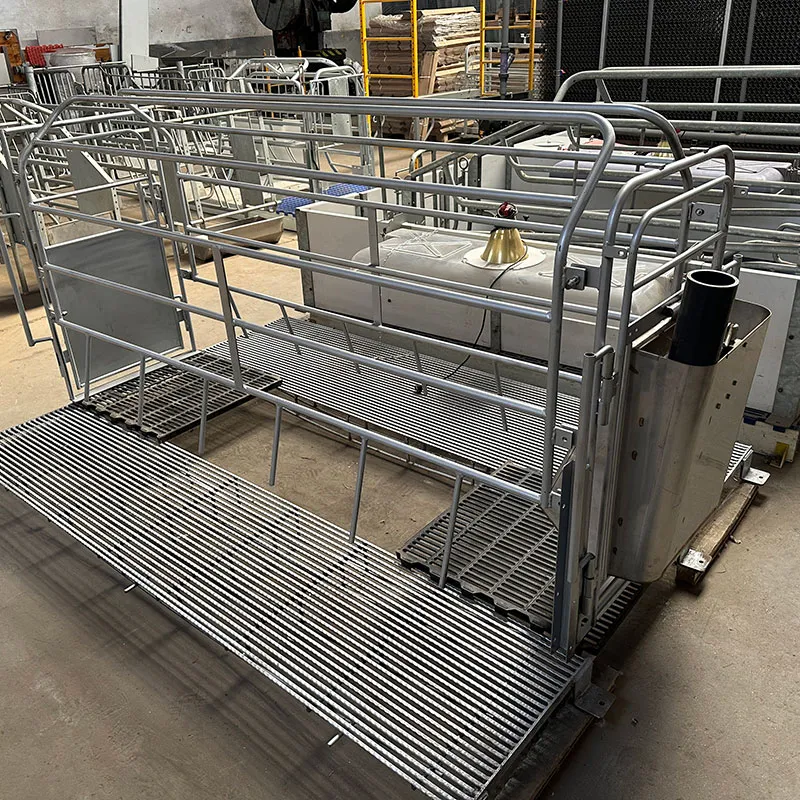
To give you some real insight, here’s a quick rundown of typical modern farrowing pen specs you might expect from a trusted manufacturer like CX Livestock:
| Feature | Specification | Benefit |
|---|---|---|
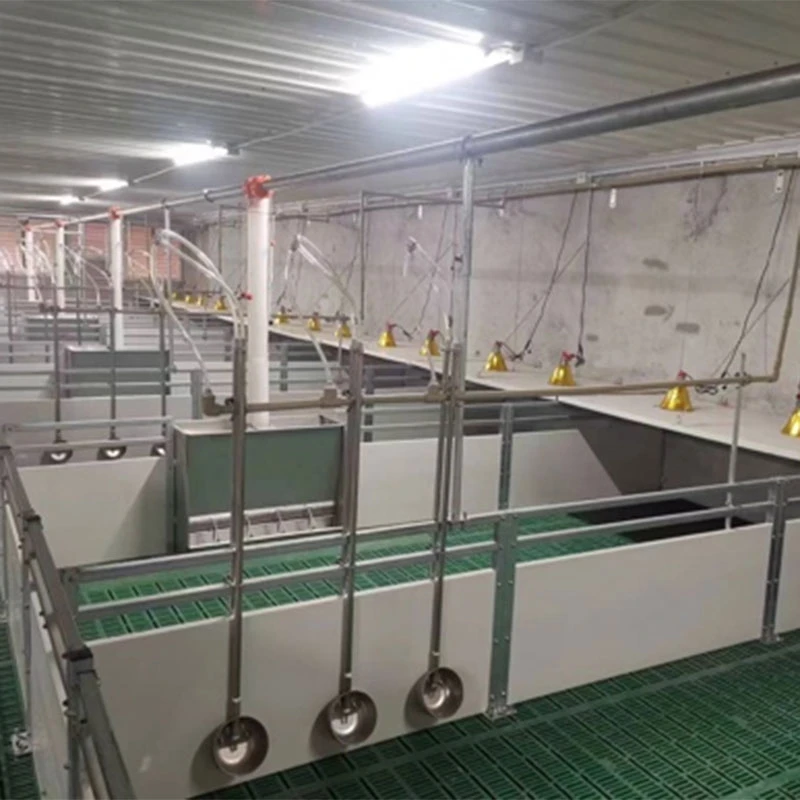
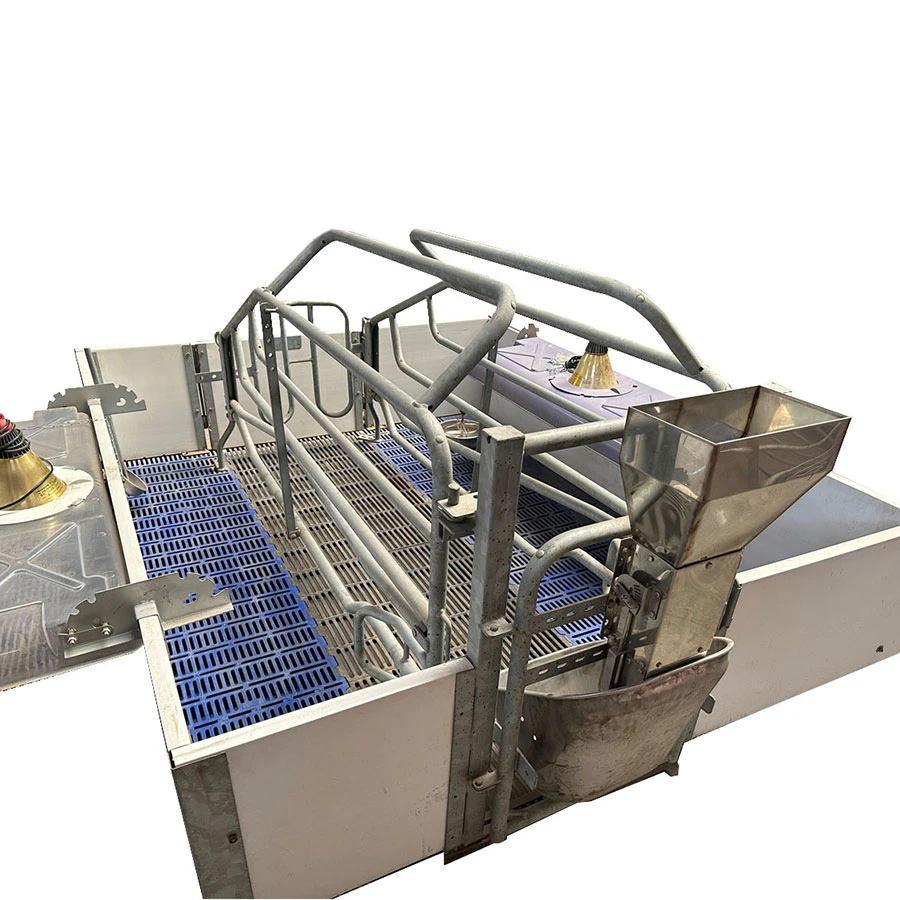
| Dimensions (LxW x H) | 2.5m x 1.5m x 1.2m | Ample space for sow & piglets, with easy access |
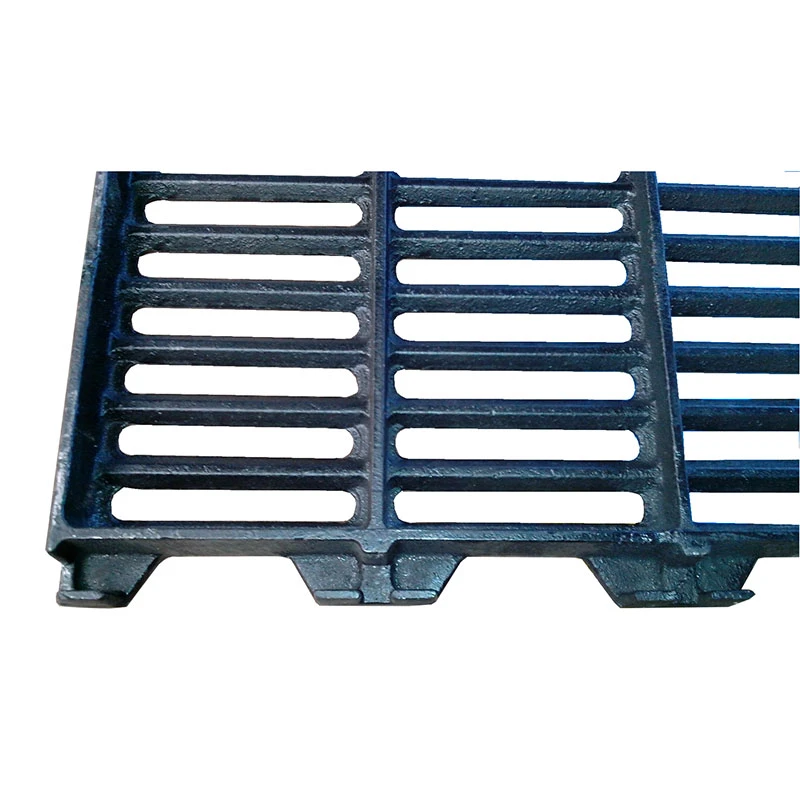
| Material | Hot-dip galvanized steel frame, composite floor panels | Durable, corrosion-resistant, hygienic foundation |
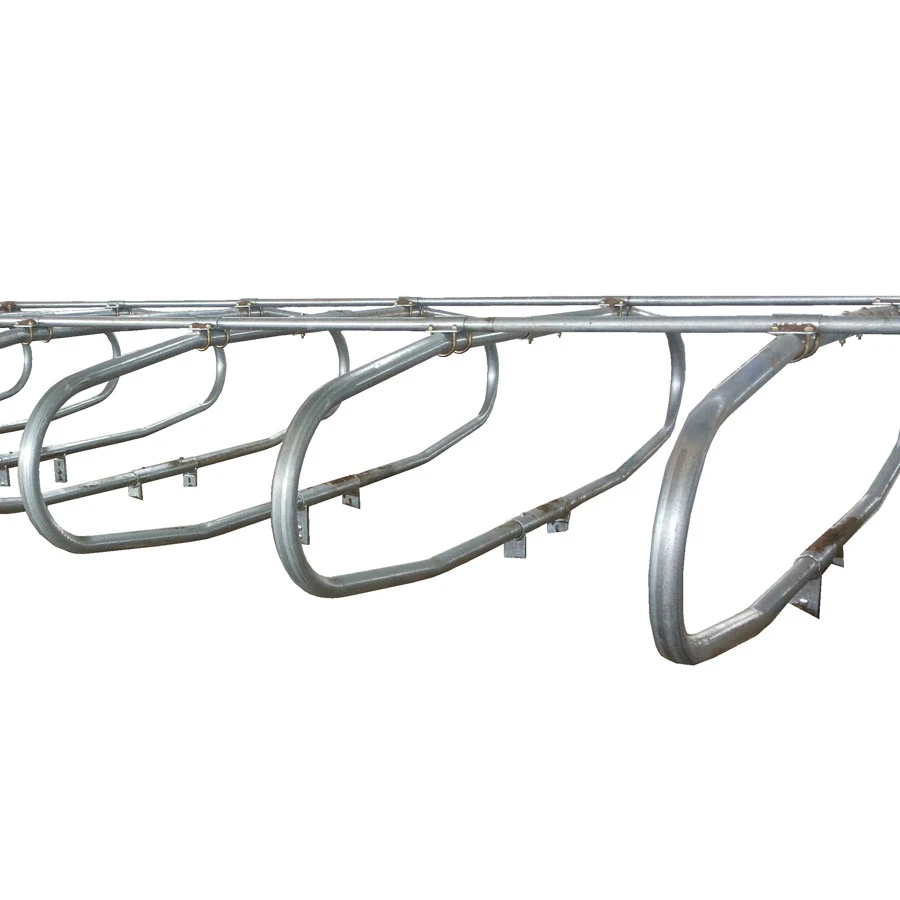
| Side Walls | Adjustable steel bars with plastic-coated bars | Flexibility for sow size, easy cleaning |
| Heating | Optional heat lamps or pads | Better piglet survival in colder climates |
| Drainage | Sloped composite floor with drainage groves | Maintains hygiene and prevents moisture buildup |
When I visit farms deploying these pens, one thing I notice is how the design balances sow containment and piglet freedom. The protective rails prevent crushing, one of a piglet’s biggest hazards in farrowing. But it’s not just about safety — it’s about managing stress for the sow, which frankly reflects in her milk production and behavior.
For a quick reality check, here’s a vendor comparison I often use when advising clients. It highlights how features vary and what you might pay for premium vs. budget pens:
| Vendor | Material Quality | Customization Options | Price Range (USD) | Warranty |
|---|---|---|---|---|
| CX Livestock | High (galvanized steel, premium composites) | Adjustable frames, heating options, size variants | $700–$1200 | 2 years |
| GenericCo | Medium (standard steel, plywood flooring) | Limited size options | $450–$850 | 1 year |
| FarmEquip Plus | Medium-high (powder-coated steel) | Heating, modular panels | $600–$1100 | 18 months |
It’s worth noting — from both experience and chatter among fellow vets and producers — that spending a bit more upfront is often justified. A robust farrowing pen reduces downtime, cuts replacement costs, and frankly, spares a lot of headaches.
One small anecdote: on a chilly November morning, I visited a farm using these pens with optional heated flooring. They credited those heat pads with a 15% drop in piglet mortality through the winter. That’s not just a happy coincidence; it’s a game changer in real terms. It shows how adaptations that seem minor can have outsized impacts.
So, if you’re eyeing improvements in your pig breeding setup, think beyond just "fencing." Consider the quality and adaptability of your farrowing pens. They’re the quiet heroes of any successful operation.
For a deeper dive, or if you’re shopping around, visit CX Livestock to see their full product range and specs.
Bottom line: good pens = healthier pigs and a smoother workflow. It’s a simple equation, but one rooted in years of practical knowledge.
References:
1. Swine Equipment & Management, National Pork Board
2. Industry Insights: The Practical Farmer’s Handbook, 2022
3. CX Livestock Product Literature, 2024
Post time: Jan . 02, 2026