Choosing the Right Small Bulk Feed Bins for Your Livestock Operation
Efficient livestock management often begins with proper feed storage. Small bulk feed bins offer a practical and cost-effective solution for farms and ranches needing to store moderate quantities of feed. Selecting the right bin is crucial for maintaining feed quality, preventing waste, and ensuring easy access for your animals. This article will guide you through the key considerations when choosing small bulk feed bins, exploring different types, features, and benefits. We will help you identify the best option to streamline your feeding process and improve your overall operation.
Understanding Your Feed Storage Needs
Before investing in small bulk feed bins, assess your specific requirements. Consider the types of feed you’ll be storing (grain, pellets, complete feeds), the volume needed to last between deliveries, and the space available. Different feed types have varying storage requirements; some are more susceptible to moisture damage and pests. Accurately estimating your feed consumption rate is vital to prevent overstocking or running short. Furthermore, think about the ease of filling and dispensing the feed – will you be using a front-end loader, gravity feed, or manual scooping? CX Livestock offers a range of options to meet diverse farm needs.
Key Considerations: Feed type, storage volume, available space, filling/dispensing method, and pest control.
Types of Small Bulk Feed Bins Available
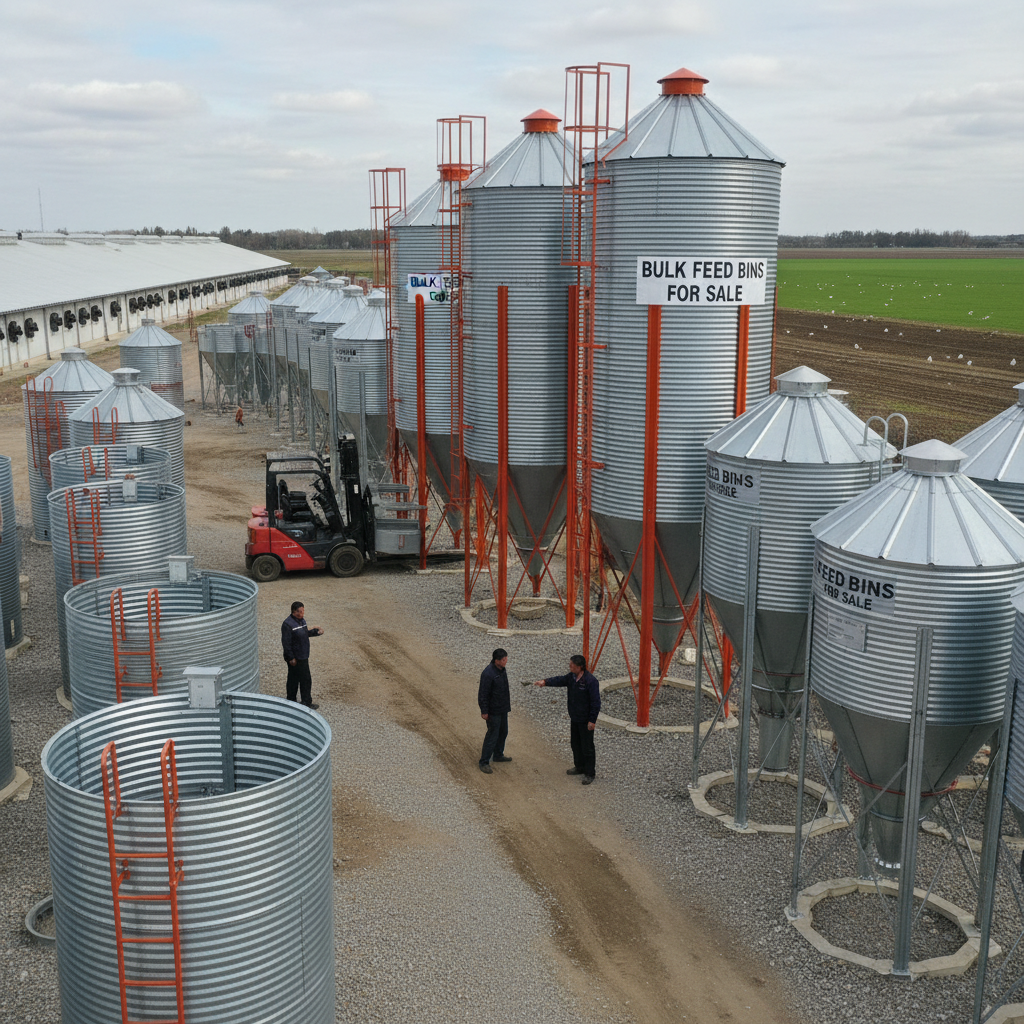
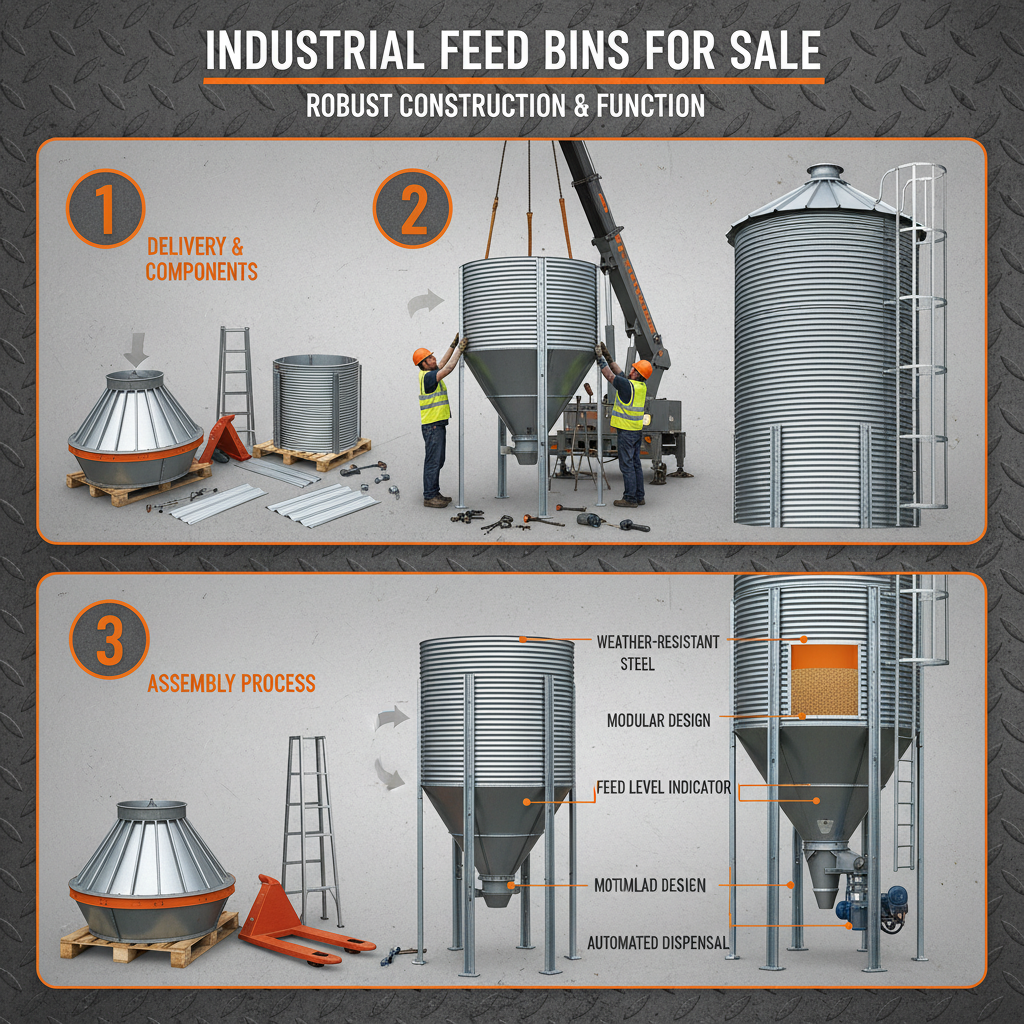
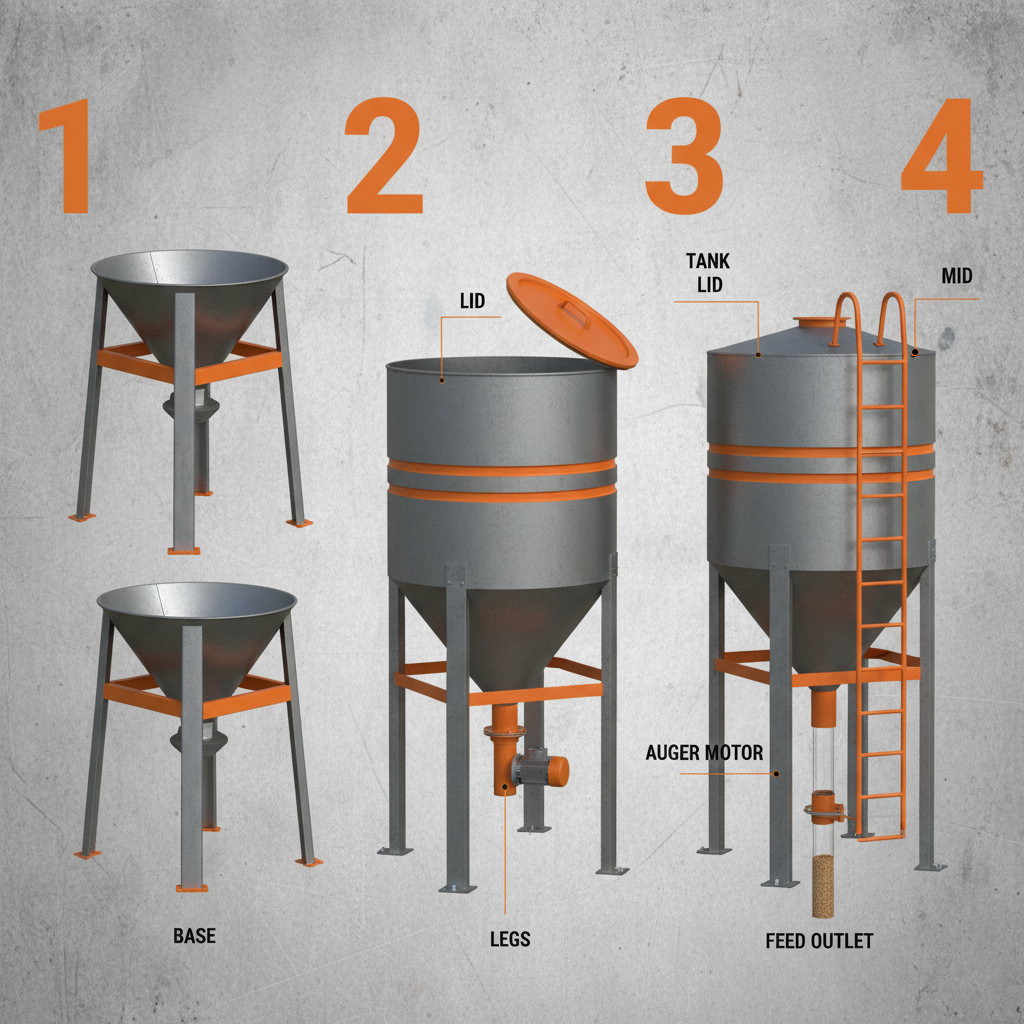
Several types of small bulk feed bins are available, each with its advantages and disadvantages. Poly bins are lightweight, durable, and resistant to corrosion, making them ideal for storing a variety of feed types. Steel bins are stronger and can handle larger volumes, but are susceptible to rust if not properly maintained. Conical bottom bins facilitate easy flow of feed, minimizing waste and the need for manual unloading. Hopper bins are often used for gravity feeding, allowing animals to access feed directly. Choosing the right type depends on your budget, storage needs, and preferred feeding method.
Feed Bin Options:
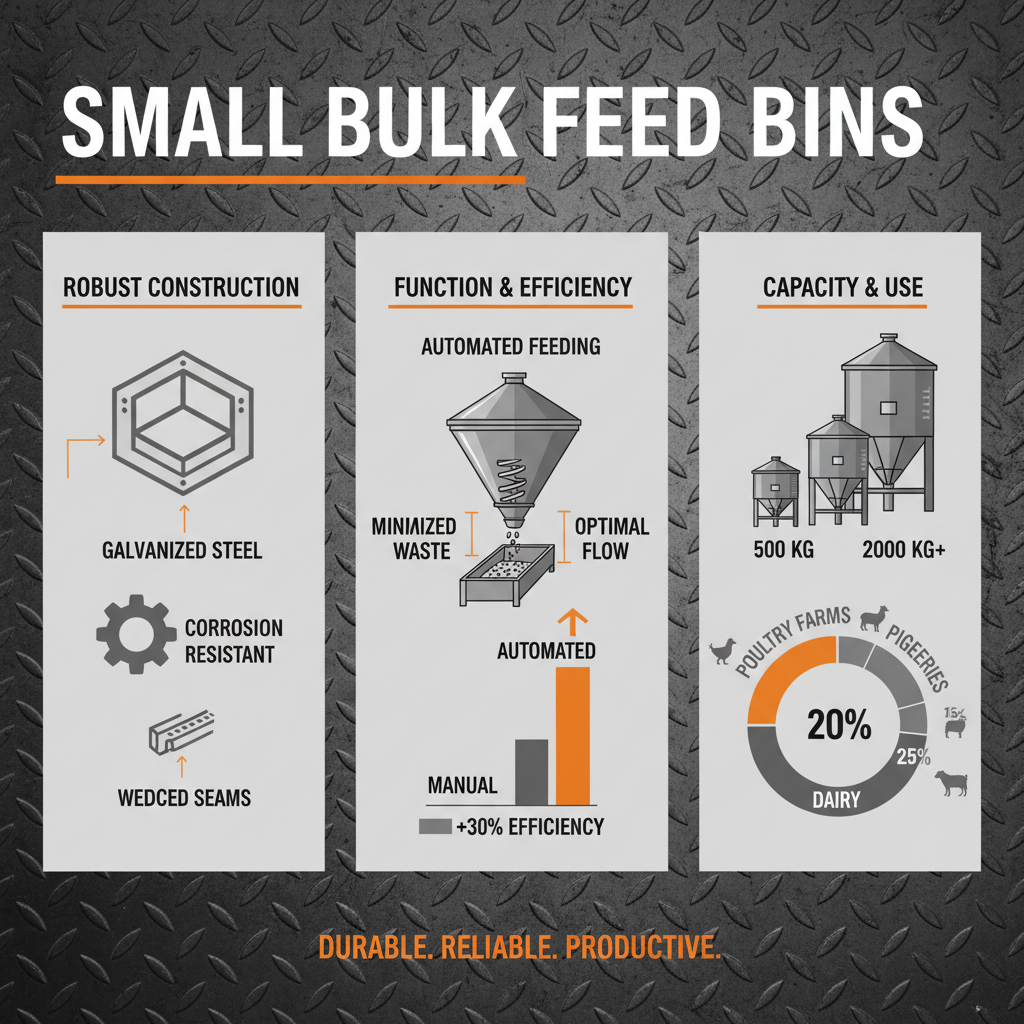
• Poly Bins: Lightweight, durable, corrosion-resistant.
• Steel Bins: Strong, high capacity, requires maintenance.
• Conical Bottom Bins: Easy feed flow, minimizes waste.
• Hopper Bins: Gravity feeding, direct animal access.
Key Features to Look For in Small Bulk Feed Bins
Beyond the bin type, consider specific features that enhance functionality and longevity. Look for bins with UV-resistant materials to prevent degradation from sunlight exposure. Secure lids are essential to protect feed from moisture, pests, and contamination. Reinforced construction ensures the bin can withstand the weight of the feed and environmental factors. Consider bins with access doors or spouts for easy filling and dispensing. CX Livestock provides bins with these features, built to withstand the rigors of farm life.
Comparing Bin Materials: Poly vs. Steel
The choice between poly and steel for your small bulk feed bins depends on your priorities. Poly bins are generally more affordable, lighter, and resistant to corrosion, making them ideal for storing various feed types, especially those prone to moisture damage. Steel bins are stronger and can hold larger volumes, but require regular maintenance to prevent rust. The initial investment for steel may be higher, but their longevity can offset the cost over time. Consider the long-term maintenance requirements and potential corrosion risks when making your decision.
CX Livestock: Your Partner for Quality Feed Storage Solutions
At CX Livestock, we offer a comprehensive selection of small bulk feed bins designed to meet the diverse needs of livestock operations. Our bins are built to last, with durable materials and innovative features. We prioritize quality and customer satisfaction, offering expert advice to help you choose the right bin for your specific application. Browse our catalog today and experience the difference that quality feed storage can make.
Conclusion: Invest in Efficient Feed Storage
Choosing the right small bulk feed bin is a crucial investment for any livestock operation. It ensures feed quality, minimizes waste, and streamlines your feeding process. CX Livestock is committed to providing durable, reliable, and cost-effective feed storage solutions. Don't compromise on feed management – invest in a bin that will serve your operation for years to come.
Frequently Asked Questions (FAQs)
What size small bulk feed bin do I need?
Determining the appropriate size depends on your livestock numbers and feed consumption rates. A general rule of thumb is to calculate your daily feed requirement and then multiply it by the number of days you want the bin to hold. For example, if you need 500 lbs of feed per day and want a 7-day supply, you'll need a bin with a capacity of at least 3500 lbs. It’s always better to slightly overestimate your needs than to underestimate. CX Livestock can assist with size calculations based on your specific operation.
How do I prevent pests from entering my feed bin?
Pests can contaminate feed and reduce its nutritional value. Ensure your bin has a tightly sealing lid. Regularly inspect the bin for any cracks or openings and repair them promptly. Store the bin in a clean, dry area, away from potential pest breeding grounds. Consider using pest control products specifically designed for feed storage, following the manufacturer’s instructions carefully. Good sanitation practices are essential for pest prevention.
What maintenance is required for steel feed bins?
Steel feed bins require regular maintenance to prevent rust and corrosion. Periodically inspect the bin for any signs of rust. Remove any rust with a wire brush and apply a rust-inhibiting primer and paint. Avoid using abrasive cleaners that can damage the protective coating. Ensure the bin is properly grounded to prevent static electricity buildup. Regular maintenance will extend the lifespan of your steel bin.
Are your bins suitable for storing medicated feed?
Yes, our bins are suitable for storing medicated feed, but it’s crucial to follow all label instructions and regulations regarding medicated feed storage. Ensure the bin is thoroughly cleaned before storing medicated feed to prevent cross-contamination. Keep a record of the medication used and the date it was added to the feed. Always consult with a veterinarian or feed specialist for guidance on medicated feed storage.
Post time: Mar . 28, 2026