Revolutionizing Swine Farming: A Guide to Automatic Swine Feeders
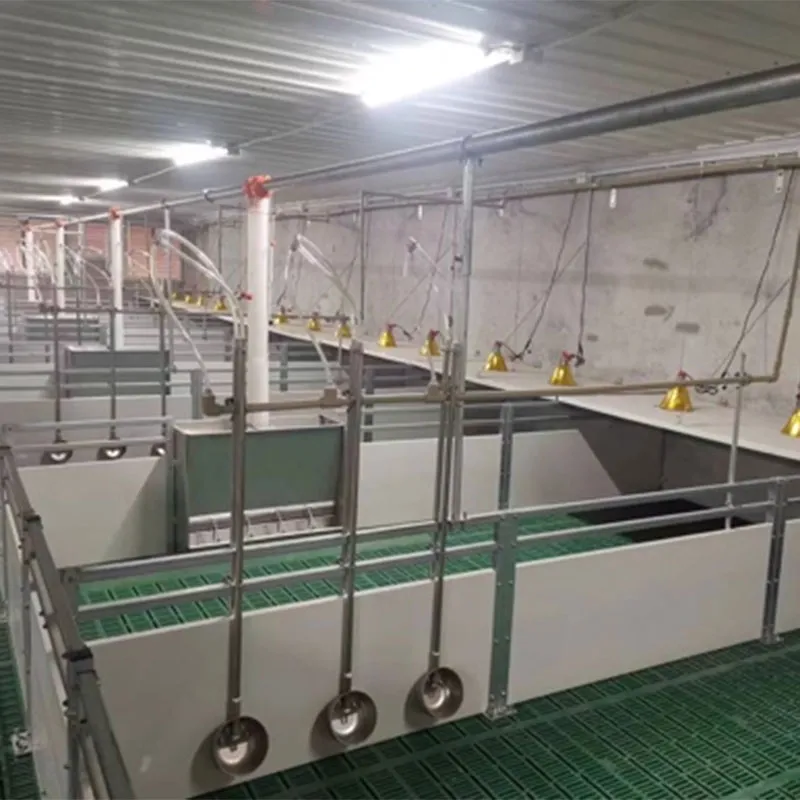
Modern swine farming demands efficiency and cost-effectiveness. One of the most impactful technologies to emerge in recent years is the automatic swine feeder. These systems automate the process of feeding pigs, offering significant advantages over traditional manual methods. From reduced labor costs to improved feed conversion ratios, automatic feeders are transforming how swine operations are managed. This article will explore the benefits, types, and considerations when choosing an automatic swine feeder for your farm. Optimizing feeding is key to maximizing profitability and animal welfare. CX Livestock provides a range of solutions to meet your farm’s specific needs.
The Benefits of Automatic Swine Feeders
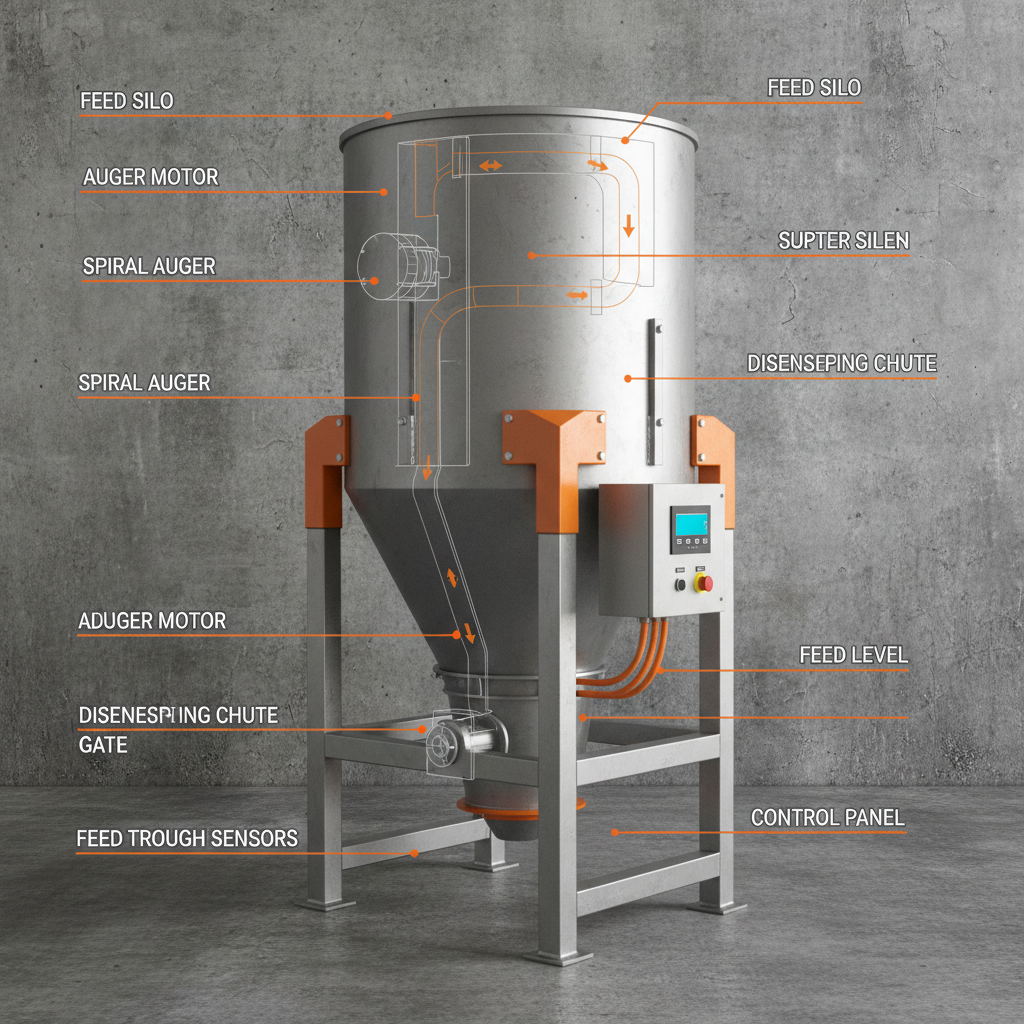
Implementing an automatic swine feeder offers a multitude of benefits. Labor costs are significantly reduced as the manual task of feeding is automated. This allows farm personnel to focus on other critical aspects of animal care and management. Furthermore, these systems offer precise feed dispensing, minimizing waste and optimizing feed conversion ratios (FCR). Improved FCR translates directly into increased profitability. Animal welfare is also enhanced through consistent and predictable feeding schedules, reducing competition and stress among pigs. Finally, data collection capabilities provide valuable insights into feed consumption patterns, aiding in informed decision-making.
Key Benefits: Reduced labor, optimized feed conversion, enhanced animal welfare, minimized feed waste, data-driven management.
Types of Automatic Swine Feeders
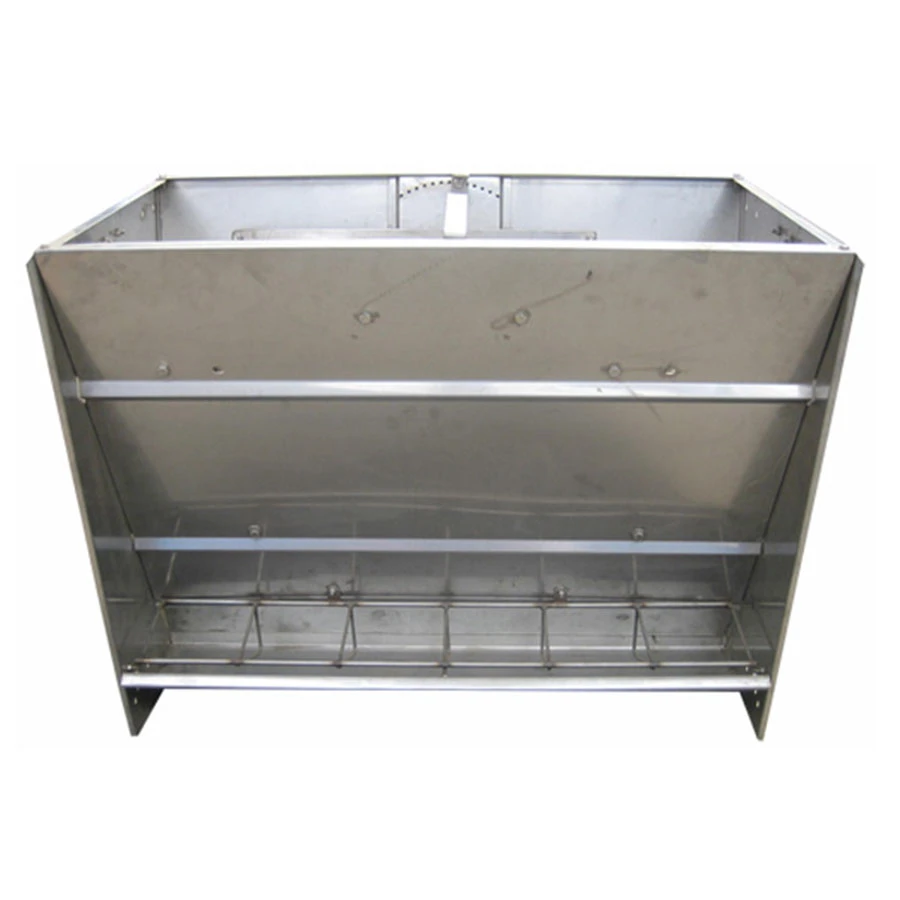
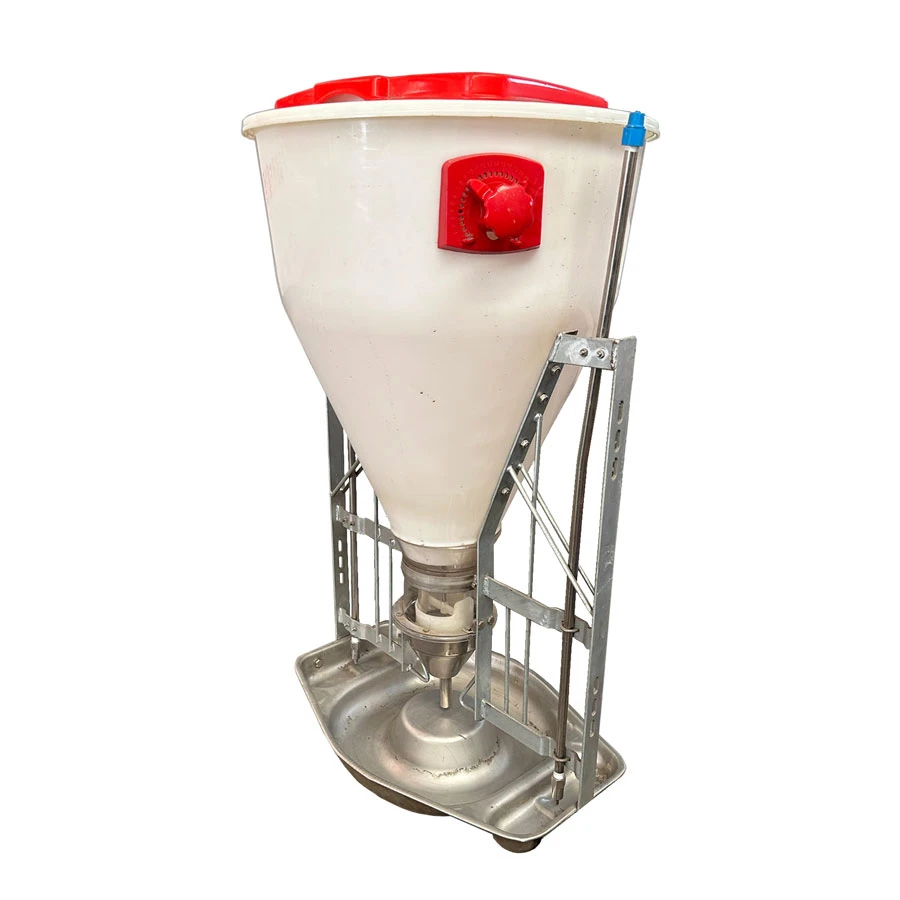
Several types of automatic swine feeders are available, each suited to different farm sizes and operational needs. Dry-feed dispensers are the most common type, delivering pre-mixed dry feed to individual feeding stations. Liquid feeders dispense liquid feed, often a slurry of feed and water, offering a different feeding approach. Volumetric feeders dispense a specific volume of feed per cycle, while weigh feeders deliver a precise weight of feed. Choosing the right type depends on factors such as the age and size of the pigs, the type of feed used, and the farm's overall feeding strategy. CX Livestock offers expert guidance to help you select the ideal feeder for your operation.
Feeder Type Breakdown:
• Dry-Feed Dispensers: Versatile and widely used.
• Liquid Feeders: Suitable for specific diets and young pigs.
• Volumetric Feeders: Deliver consistent volume.
• Weigh Feeders: Provide precise weight control.
Automatic Swine Feeder Comparison
Understanding the differences between feeder types is crucial for making the right investment. Below is a comparison table highlighting the key features and benefits of each.
Key Considerations When Choosing a System
Selecting the right automatic swine feeder requires careful consideration of several factors. Farm size and layout are crucial; larger farms may benefit from more sophisticated systems with centralized control. The age and weight of the pigs will influence the type of feeder and feed dispensing method. Budget constraints also play a role, as the initial investment can vary significantly. Finally, consider the level of technical support and maintenance available from the vendor. CX Livestock provides comprehensive support to ensure seamless integration and ongoing operation.
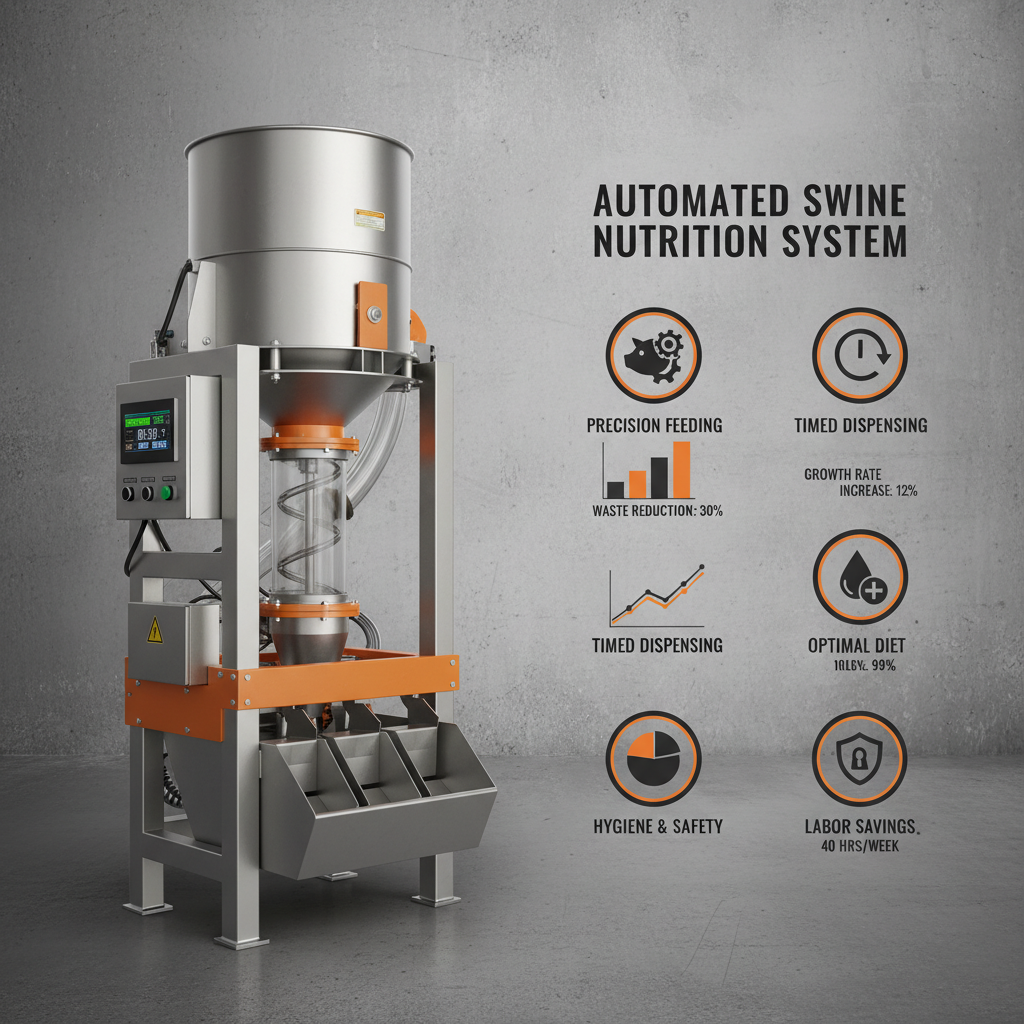
Product Specifications: CX Livestock Automatic Swine Feeder
Here are the specifications for our flagship automatic swine feeder model:
Conclusion: Invest in Efficiency with CX Livestock
The automatic swine feeder represents a significant advancement in swine farming technology. By optimizing feeding processes, reducing labor costs, and enhancing animal welfare, these systems offer a compelling return on investment. CX Livestock is your trusted partner in implementing this technology. Contact us today to learn more and find the perfect solution for your farm.
Frequently Asked Questions (FAQs)
What is the typical payback period for an automatic swine feeder?
The payback period varies depending on farm size, labor costs, and feed efficiency gains, but typically ranges from 18 to 36 months. The primary cost savings come from reduced labor requirements and improved feed conversion ratios. A more efficient use of feed, combined with less labor dedicated to feeding, contributes to a significant return on investment. Detailed cost-benefit analyses are available from CX Livestock to help you determine the specific payback period for your operation.
How much maintenance is required for an automatic feeder?
Automatic swine feeders require minimal maintenance. Regular cleaning of the feed hoppers and dispensers is essential to prevent feed buildup and ensure proper operation. Periodic inspection of moving parts and electrical connections is also recommended. CX Livestock provides comprehensive maintenance schedules and support services to minimize downtime and maximize the lifespan of your investment.
Can automatic feeders be used with different types of swine feed?
Yes, most automatic swine feeders are compatible with various types of feed, including dry feed, pellets, and liquid feed (depending on the feeder type). However, it's essential to ensure that the feeder is properly calibrated for the specific feed density and flow characteristics to ensure accurate dispensing. CX Livestock can provide guidance on calibrating your feeder for optimal performance with your chosen feed.
What data can be collected from an automatic feeding system?
Automatic feeding systems can collect valuable data such as total feed consumption per pen, individual pig feeding rates (with RFID technology), and feed dispensing times. This data can be used to monitor animal health, optimize feed allocation, and identify potential problems early on. CX Livestock’s advanced systems provide real-time data access and reporting capabilities.
Post time: Mar . 03, 2026