Floor Mesh Grating: A Comprehensive Guide
When selecting flooring for industrial, commercial, or agricultural applications, floor mesh grating stands out as a robust and versatile option. Offering excellent strength, ventilation, and safety, it's a favored choice across diverse industries. This guide explores the benefits, applications, types, and considerations when choosing the right floor mesh grating for your needs. Ensuring you select the appropriate grating is crucial for long-term performance and safety.
Understanding the Benefits of Floor Mesh Grating
Enhanced Safety: Floor mesh grating provides a slip-resistant surface, crucial for minimizing workplace accidents, especially in wet or oily environments. The open grid design allows for debris to fall through, reducing accumulation and maintaining a safer footing. Superior Ventilation: Unlike solid flooring, mesh grating allows for excellent airflow, preventing the build-up of fumes, dust, and moisture. This is particularly important in areas with potential hazards or where maintaining air quality is essential. Durability and Strength: Constructed from materials like carbon steel, stainless steel, or aluminum, floor mesh grating is incredibly durable and can withstand heavy loads and harsh conditions. Cost-Effectiveness: Compared to some other flooring options, mesh grating offers a balance of strength and cost, making it an economical choice for many applications.
Types of Floor Mesh Grating Available
There are several types of floor mesh grating to choose from, each with its own unique characteristics and applications. The most common types include:
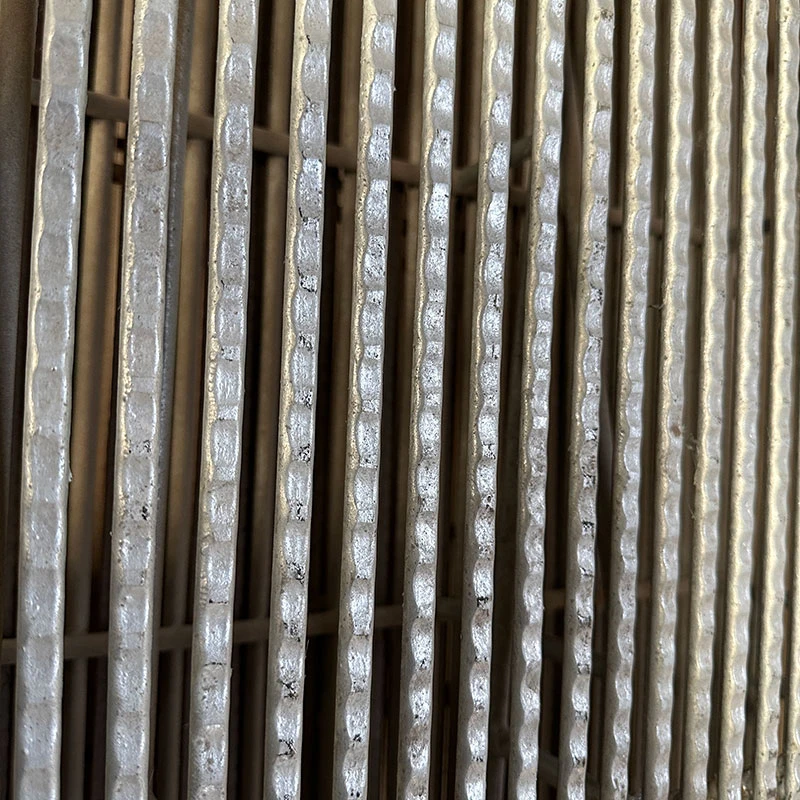
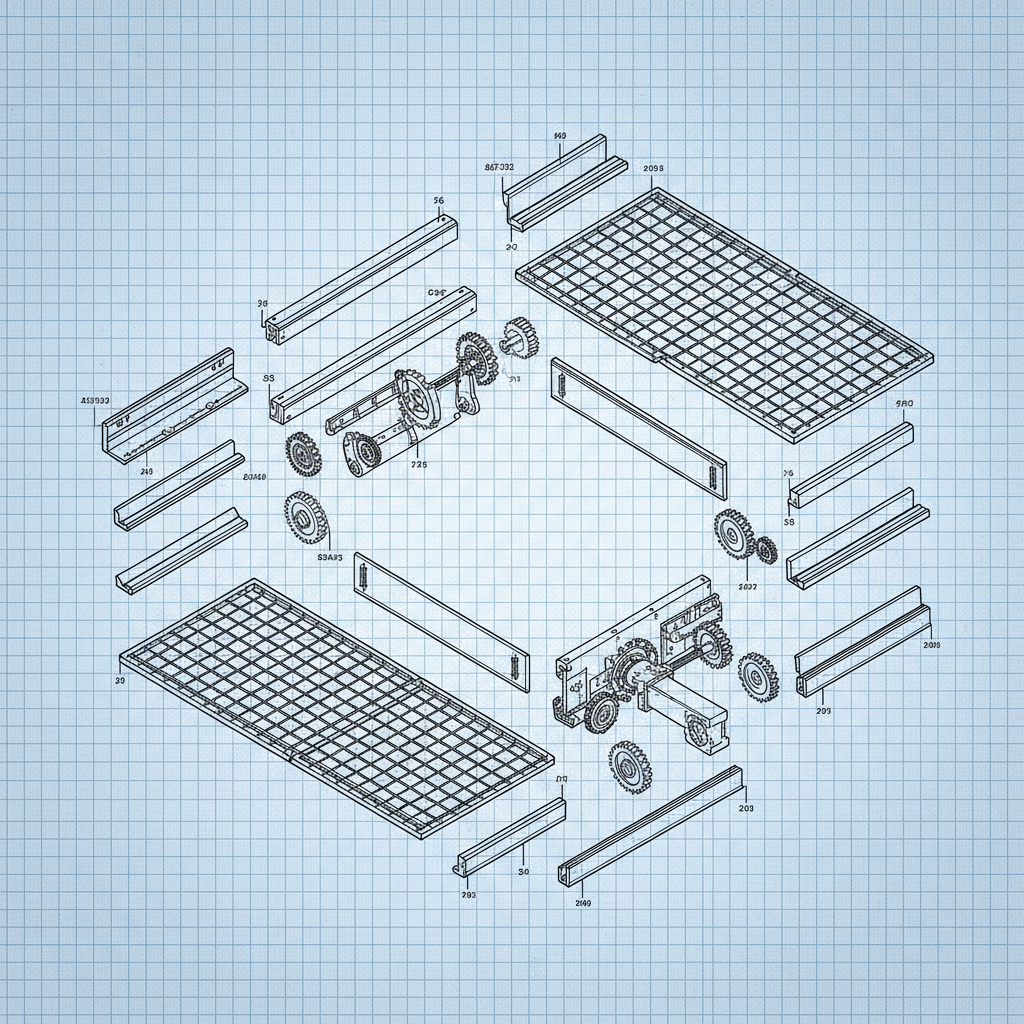
Welded Grating: Manufactured by welding cross bars to bearing bars, providing a strong and durable surface. Swage-Locked Grating: Cross bars are pressed into bearing bars, creating a smooth and seamless surface. Riveted Grating: Cross bars are secured to bearing bars with rivets, offering a cost-effective option. Molded Grating: Constructed from fiberglass reinforced plastic (FRP), providing corrosion resistance and lightweight properties.
Choosing the Right Floor Mesh Grating: Key Considerations
Selecting the appropriate floor mesh grating requires careful consideration of several factors. These include the anticipated load capacity, the environmental conditions, the required level of corrosion resistance, and the aesthetic preferences. The type of material used is also critical. For example, stainless steel is ideal for corrosive environments, while carbon steel offers a more economical option for general applications. Properly assessing these factors ensures a safe, durable, and cost-effective flooring solution.
Key Considerations:
• Load Capacity: Determine the maximum weight the grating needs to support.
• Material: Select based on corrosion resistance and strength.
• Span: Consider the distance between supports to ensure adequate support.
• Mesh Size: Choose a mesh size that balances safety and drainage.
Floor Mesh Grating Comparison: Material Properties
Different materials offer varying degrees of strength, corrosion resistance, and cost. Understanding these differences is crucial for making the right selection. The table below summarizes the key properties of common grating materials:
Applications of Floor Mesh Grating
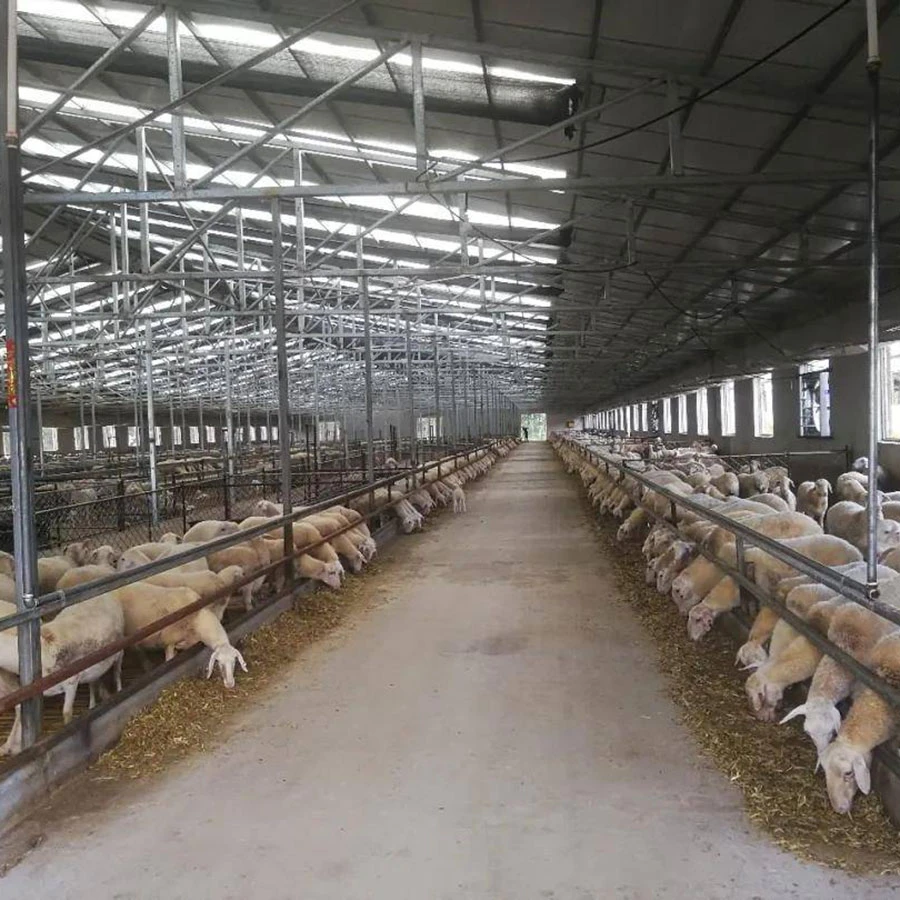
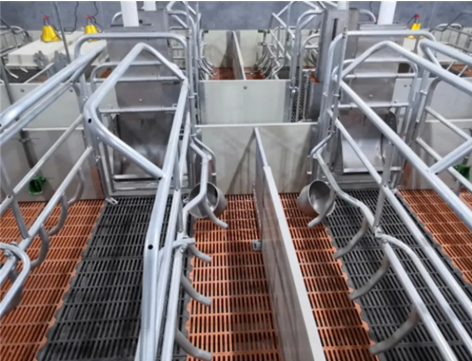
The versatility of floor mesh grating makes it suitable for a broad range of applications, including: Industrial Platforms: Providing safe and durable walkways and platforms in manufacturing facilities and warehouses. Catwalks and Mezzanines: Offering secure access to elevated areas. Stair Treads: Enhancing safety and providing slip resistance on stairs. Drainage Systems: Facilitating efficient drainage in areas prone to wetness. Livestock Flooring: Offering a hygienic and comfortable surface for animals (as offered by CX Livestock).
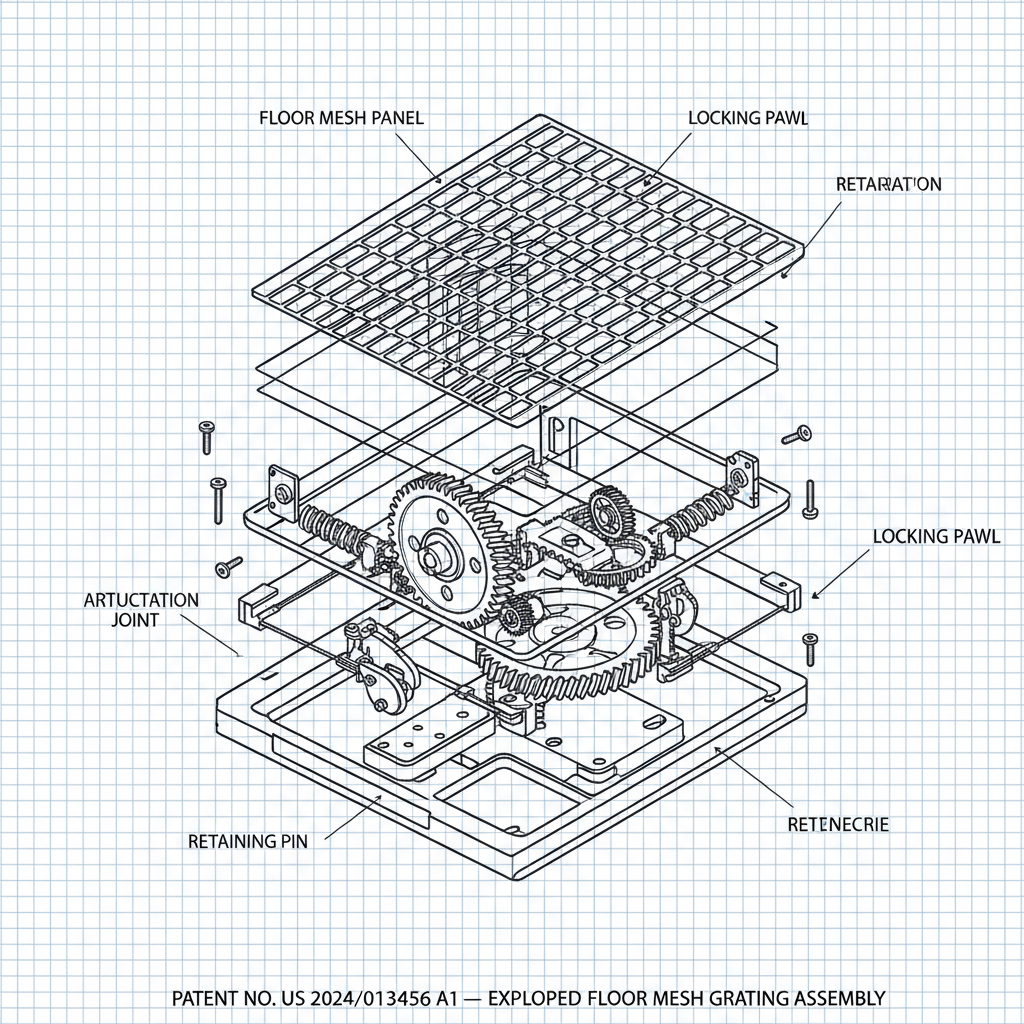
Product Specifications & Installation Guidelines
Proper installation is key to maximizing the performance and lifespan of your floor mesh grating. Always follow the manufacturer’s instructions and local building codes. Ensure adequate support is provided based on the span and load requirements. Securely fasten the grating to the supporting structure using appropriate fasteners. For detailed specifications and installation guidance, consult with CX Livestock.
Conclusion: Choosing the Right Grating for Your Needs
Selecting the right floor mesh grating is a crucial investment in safety, durability, and long-term performance. By carefully considering the factors outlined in this guide, and partnering with a reputable supplier like CX Livestock, you can ensure you choose the perfect solution for your specific application.
Frequently Asked Questions (FAQs)
What is the recommended maintenance for floor mesh grating?
Regular inspection is crucial to identify any signs of damage or corrosion. Clean the grating periodically to remove debris and maintain its slip-resistant properties. For carbon steel grating, apply a protective coating as needed to prevent rust. For stainless steel and FRP grating, a simple wash with mild detergent and water is usually sufficient. Addressing minor issues promptly can prevent them from escalating into more significant problems.
What load capacity should I consider when selecting floor mesh grating?
The load capacity should be based on the heaviest expected load, including the weight of people, equipment, and materials. It’s essential to factor in both static loads (constant weight) and dynamic loads (impact or moving weight). Consult with a structural engineer or the grating manufacturer to determine the appropriate load capacity for your specific application. It's always best to err on the side of caution and choose a grating with a higher load capacity than you anticipate needing.
Can floor mesh grating be used in corrosive environments?
Yes, but the material selection is critical. Stainless steel and FRP grating are excellent choices for corrosive environments, offering superior resistance to chemicals, salt, and moisture. Carbon steel grating can be used, but it requires a protective coating (such as galvanizing or powder coating) to prevent corrosion. The type of coating should be selected based on the specific corrosive agents present in the environment.
What are the benefits of using FRP floor mesh grating?
FRP grating offers several advantages, including excellent corrosion resistance, lightweight construction, and non-conductivity. It's ideal for applications in harsh chemical environments or where electrical hazards are present. FRP is also easier to install than heavier metal grating. However, it generally has a lower load capacity than steel grating.
Post time: Jan . 27, 2026