Understanding the Importance of a Farrow Pen in Modern Livestock Management
In the world of swine farming, the term farrow pen might not roll off the tongue for everyone—but for farmers, veterinarians, and livestock managers, it’s an essential concept. Globally, pork remains one of the most consumed meats, and with over 1 billion pigs raised annually (according to FAO data), the systems surrounding pig reproduction and early care are crucial not just economically, but ethically and environmentally, too.
Why does it matter? Because the farrow pen affects piglet survival rates, sow welfare, disease management, and ultimately farm profitability. Understanding this basic but vital structure unlocks better animal care practices, reduced losses, and more sustainable farming methods—advantages that ripple far beyond the pen itself.
Farrow Pens: Context in a Global Livestock Industry
Pork production is a mammoth global industry, with Asia, Europe, and North America leading in output. The World Bank estimates that livestock contributes over 40% of global agricultural GDP, and within that, pigs play a hefty role. However, the swine sector faces ongoing challenges, including disease outbreaks like African Swine Fever, animal welfare scrutiny, and the increasing demand for efficient, biosecure farming environments.
Enter the farrow pen—a management tool designed primarily to protect newborn piglets and provide a safe, clean space for the sow to farrow (give birth). This simple setup addresses issues around mortality, piglet crushing (quite a common problem), and disease transmission. With over 60% piglet mortality reported in some setups worldwide, smart pen design can be genuinely transformative.
Key takeaway:
- Farrow pens enhance early piglet survival, a critical stage for swine farm success.
- They respond to global welfare standards and biosecurity needs.
What Exactly Is a Farrow Pen?
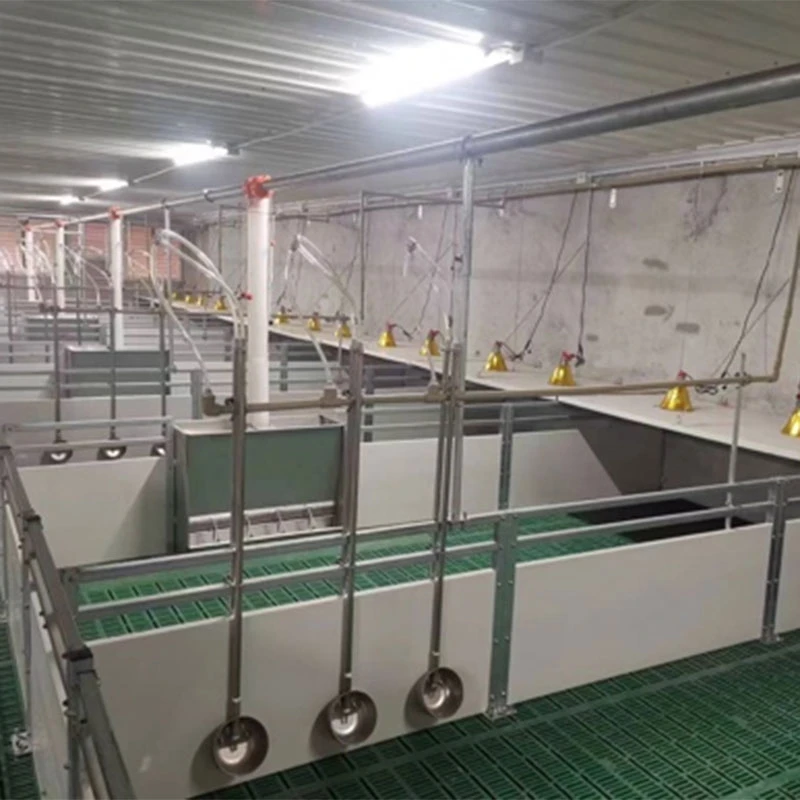
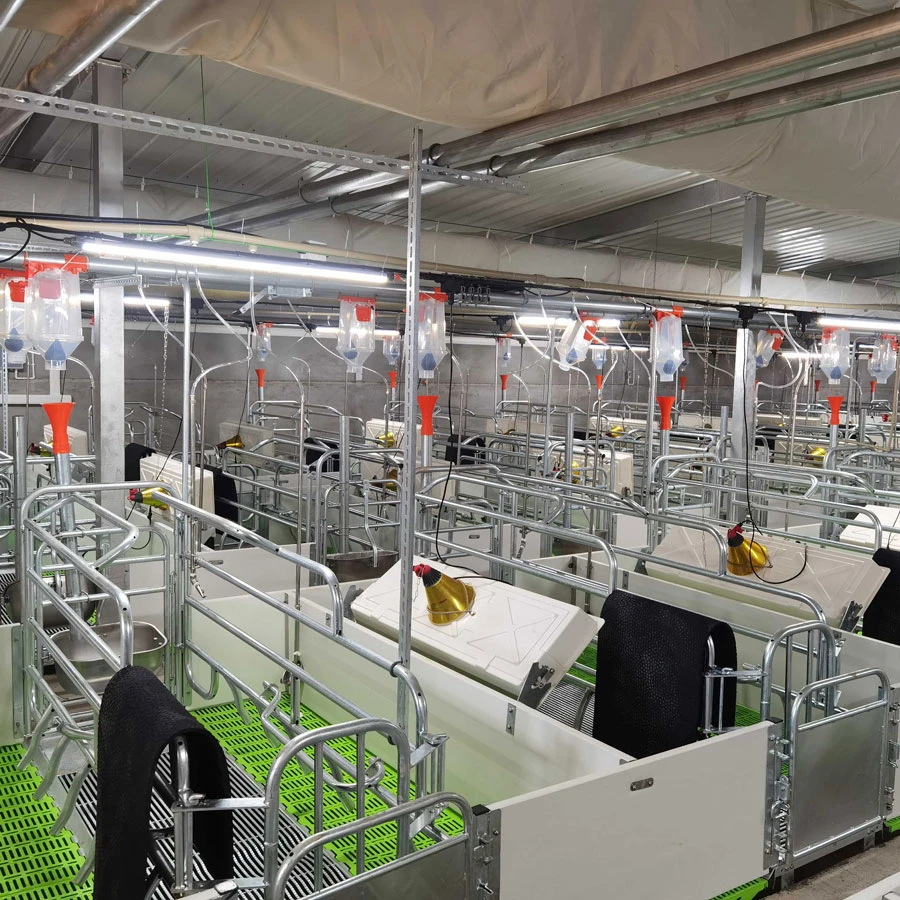
Put simply, a farrow pen is a specialized enclosure inside a pig barn designed for sows during the farrowing process and the early life of piglets. Typically, it consists of a confined area where the sow can give birth, rest, and nurse while also offering protection and access to piglets.
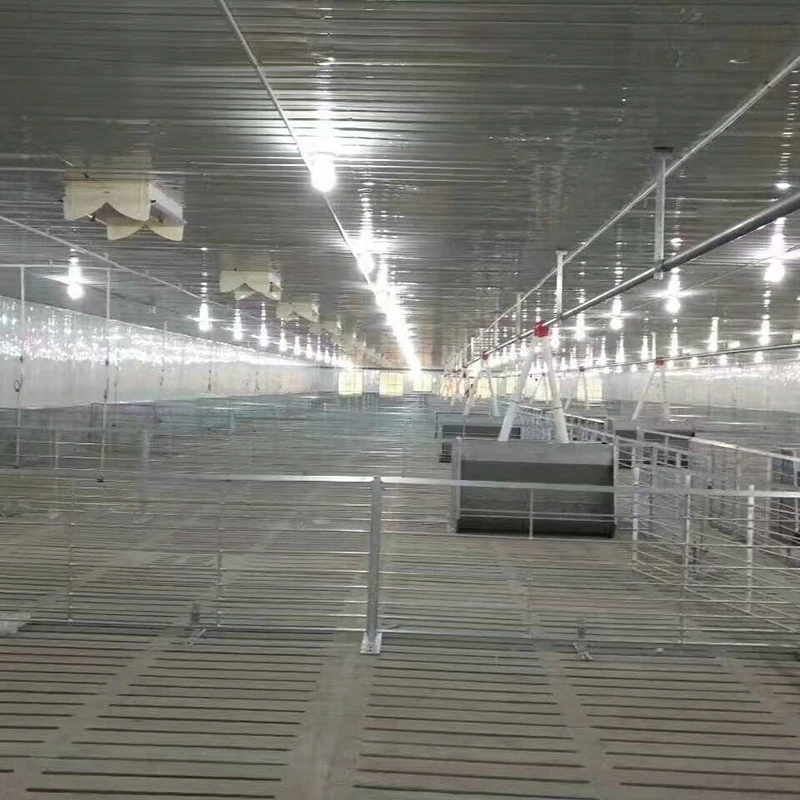
Modern farrow pens can range from simple open crates to complex modular setups with temperature control, feed automation, and integrated waste management. They reflect broader trends in agriculture technology and animal welfare legislation, especially as farming strives toward both productivity and humane treatment.
Key takeaway:
- Farrow pens bridge traditional husbandry with modern livestock management.
- They contribute directly to animal welfare and farm efficiency.
Core Components of an Effective Farrow Pen
1. Durability and Hygiene
Materials must endure moisture, waste, and frequent cleaning. Steel frames and plastic-coated surfaces are popular since they prevent corrosion and ease sanitation. After all, disease control hinges heavily on hygiene.
2. Safety and Piglet Protection
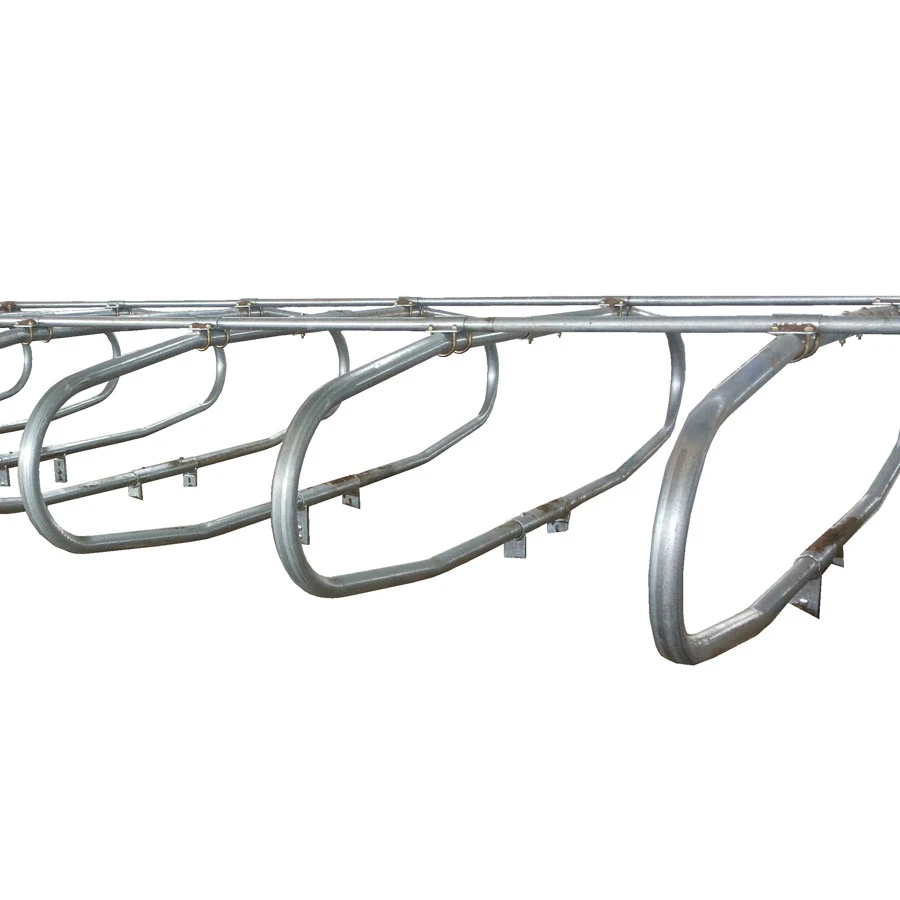
One of the main goals is to minimize piglet crushing by providing barriers or guardrails that restrict the sow's movement without distressing her. Many designs also incorporate temperature-controlled heat lamps or heated pads to keep newborns warm, ensuring better survival.
3. Space and Comfort for the Sow
An often-overlooked factor is how sows feel within these pens. Stress affects farrowing success, so options that allow natural postures and gentle movement improve outcomes.
4. Cost Efficiency and Scalability
For many producers, especially smaller farms, cost is king. Modular pen designs that can be expanded or reconfigured allow farms to grow without entire infrastructure overhauls.
5. Easy Maintenance and Accessibility
Farmworkers need straightforward access to monitor sows, assist during farrowing, and care for piglets, so designs often feature removable gates or hinged sections.
Mini takeaway:
- Good farrow pens balance toughness, animal welfare, productivity, and worker convenience.
- Each element supports farm health, efficiency, and humane practices.
Global Applications and Real-World Use Cases
While farrow pens are classic in intensive pig farming, their design variations suit different climates, cultures, and farm sizes. For example:
- Europe & North America: Emphasis on automation and welfare compliance results in high-tech farrow pen systems with sensors and climate controls.
- Asia: Rapidly growing pork markets have led to a hybrid approach—combining cost-effective steel pens with manual labor to optimize piglet survival.
- Developing regions: NGOs introduce basic farrow pen designs in rural areas to boost smallholder pig farming, helping with livelihood improvements after crises (think post-disaster recovery).
For instance, a Midwestern US farm using advanced farrow pen setups reported a piglet mortality drop from ~15% to under 5% within two years. It’s a tangible uplift validated by farmers who swear by such systems.
Typical Farrow Pen Specifications
| Specification | Typical Range / Feature |
|---|---|
| Dimensions (L × W) | 7 to 8 feet × 5 to 6 feet (2.1m × 1.5m) typical |
| Material | Galvanized steel frame; plastic-coated or stainless surfaces |
| Flooring | Slatted floors or solid with rubber mats for comfort and drainage |
| Heat source | Infrared lamps, heated pads, or floor heating options |
| Guardrails / barriers | Piglet protection rails to reduce crushing |
| Accessibility features | Removable or swing gates for sow and worker access |
Comparing Top Farrow Pen Vendors
| Vendor | Price Range | Materials | Key Features | Best For |
|---|---|---|---|---|
| AgriPen Pro | $$$ | Stainless steel & heavy-duty plastics | Automated feeders, climate control | Large commercial farms |
| FarmSafe Solutions | $$ | Galvanized steel frames | Modular design, easy cleaning | Mid-size and growing farms |
| EcoSwine Systems | $ | Recycled plastics & simple metals | Low-cost, basic pen with heat lamp holders | Smallholders, NGOs, developing regions |
The Advantages and Long-Term Value of Farrow Pens
In real terms, employing a thoughtfully designed farrow pen can dramatically improve:
- Piglet survival rates: Protection and warmth mean fewer losses.
- Animal welfare: Reduced stress and injury, meeting modern ethical standards.
- Operational efficiency: Easier access and maintenance reduce labor costs and errors.
- Biosecurity: Controlled environment reduces diseases and cross-contamination.
Emotionally, it's a relief to see healthier litters and less suffering, which builds farmer trust in their practices—and frankly, that kind of peace of mind can't be underestimated.
Emerging Trends and Innovations in Farrow Pen Design
Oddly enough, there’s quite a bit of innovation happening here:
- IoT and automation: Sensors monitor temperature, sow movement, even piglet health in real time.
- Eco-friendly materials: Bio-based composites and recycled plastics reduce environmental impact.
- Modular, adaptable systems: Pen designs that can be reconfigured as farms scale or as breeds change.
- Renewable energy integration: Solar-powered heating and ventilation systems are popping up.
These advances suggest farrow pens will soon be part of smart farming ecosystems, dovetailing with big data and animal welfare policies.
Challenges with Current Farrow Pen Practices—and How to Tackle Them
Despite the benefits, many farms still struggle with high upfront costs, difficulty cleaning complex setups, or pens poorly adapted to local herd breeds and climates.
Experts recommend:
- Choosing modular designs that fit local budgets and conditions.
- Training staff in maintenance and animal handling.
- Partnering with vendors for custom solutions instead of one-size-fits-all.
Sometimes, the best solution is just the one that fits your farm—and that can mean starting simple.
FAQs: Frequently Asked Questions About Farrow Pens
1. What makes farrow pens different from regular pig pens?
Farrow pens are specifically designed for sows during farrowing and nursing. They include protections to prevent piglet crushing, heat sources for newborns, and features that improve hygiene and sow comfort, unlike general pig pens that house groups without these specialized needs.
2. How long does a farrow pen need to be used for each sow?
Typically, sows occupy farrow pens for about 3 to 4 weeks, covering farrowing and the critical early life stages of piglets before weaning.
3. Are farrow pens suitable for smallholder farms?
Absolutely. While high-tech versions might be costly, many designs scale down well for smallholders and can improve piglet survival and sow health significantly.
4. Can farrow pens reduce piglet mortality?
Yes, by providing a safer, warmer environment and barriers to avoid crushing, farrow pens can reduce piglet mortality rates by up to 50% or more on some farms.
5. Is it difficult to clean and maintain farrow pens?
Good designs emphasize materials and layouts that allow thorough cleaning. While it requires effort, regular maintenance is essential to prevent disease and ensure long-term durability.
Conclusion: Why Investing in Farrow Pens Pays Back in the Long Run
To wrap it up, farrow pens are more than just a convenient pen—they’re a vital tool for improving piglet survival, sow welfare, and farm profitability worldwide. With innovations making these tools more accessible and efficient, the case for upgrading your farrow pen setup grows stronger every year.
If you’re curious to explore options or want to dive deeper into farrow pen designs tailored to your farm’s needs, visit our website. Sometimes the best improvements come from a simple change in structure.
References:
Post time: Dec . 02, 2025