Understanding Gestation Crate Free Meaning: Why It Matters Globally
When you hear the phrase gestation crate free meaning, it's more than just a technical phrase thrown around in farming circles. It represents a shift in how animals, particularly sows, are treated worldwide. Globally, livestock production is responsible for a significant chunk of agricultural output — and animal welfare concerns have become a hot-button issue that affects everything from consumer choices to trade policies. Understanding what it means to be “gestation crate free” unlocks a window into ethical farming, sustainability, and the future of humane agriculture.
The key benefits of embracing gestation crate free methods are multifold: improved animal welfare, better public perception for producers, and often, better meat quality. But the ripple effects touch economics, environment, and yes, even social responsibility. The world is watching — literally billions of consumers are making choices based on these principles now.
Global Context: Why Is This Topic Important Today?
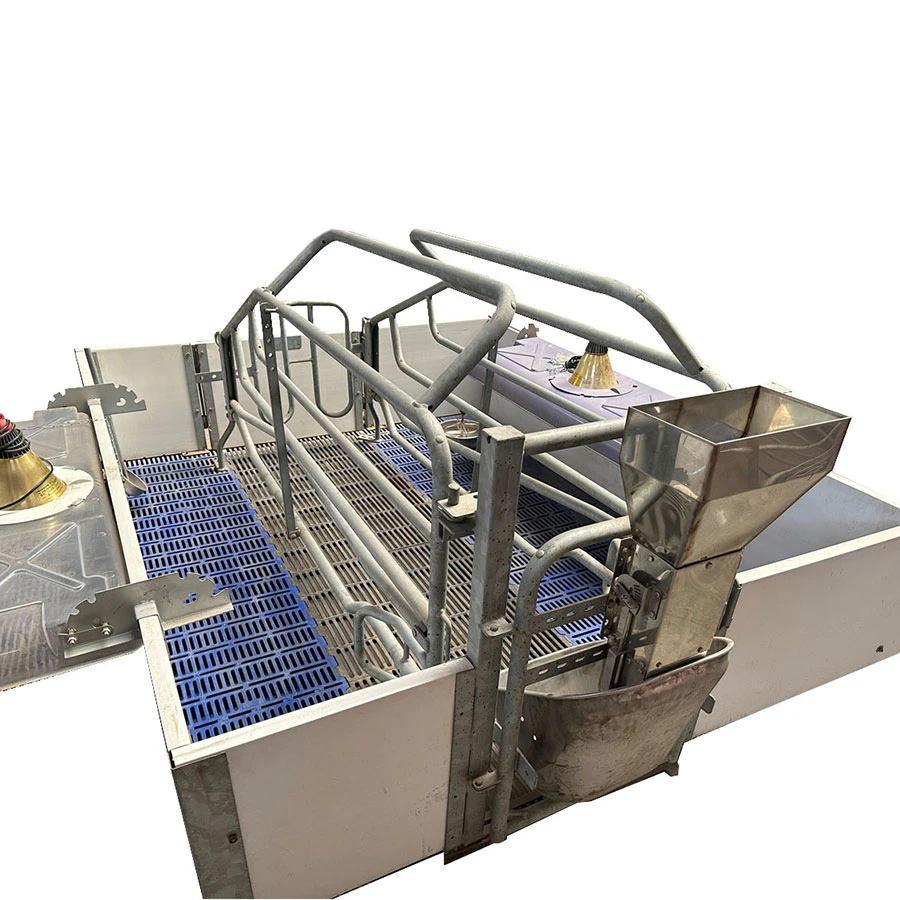
Around 70 billion animals are farmed worldwide every year, with pig rearing accounting for a sizable percentage of that figure (FAO, 2024). Traditionally, many pigs are kept in gestation crates — narrow metal stalls just wide enough to hold a pregnant sow, restricting movement for most of their pregnancy. This practice has been under scrutiny across continents for decades.
Global pressure is mounting. Europe has banned or restricted gestation crates in many countries, and U.S. states like California and Michigan have passed legislation aiming to phase out these crates (Wikipedia). The United Nations’ Sustainable Development Goals (SDGs), particularly those addressing responsible consumption and production, indirectly support moves towards more humane animal husbandry.
Yet, many producers resist change citing cost, space, and management challenges. The question arises: what does gestation crate free actually mean, and how can industries adopt it practically?
Gestation Crate Free Meaning: Simple Definition
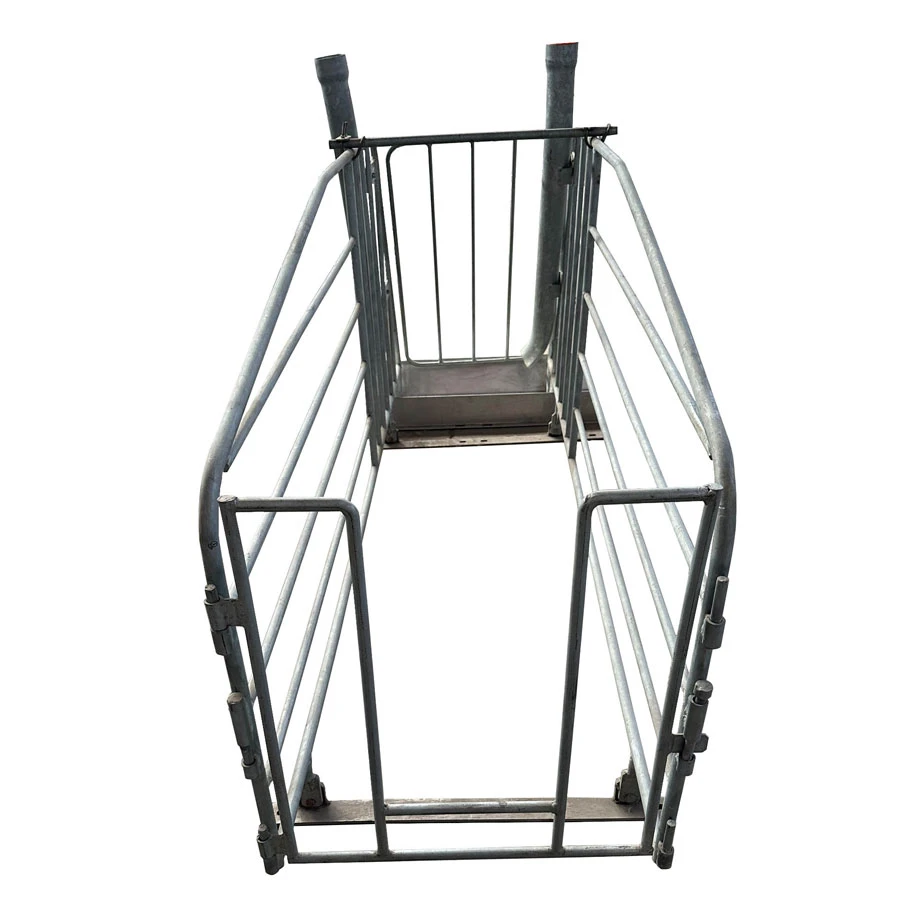
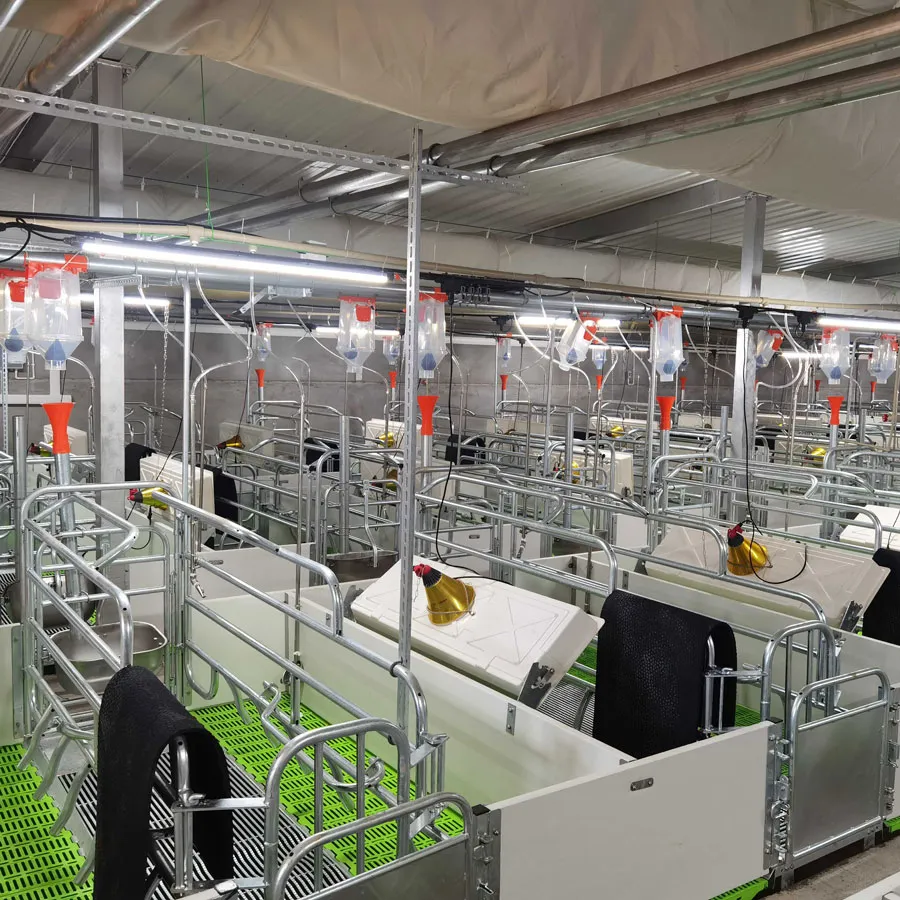
At its heart, gestation crate free meaning boils down to raising pregnant sows without confining them in narrow metal crates for their entire pregnancy. Instead, they are housed in group pens or other systems that allow free movement and natural behaviors.
This approach aligns with modern animal welfare science, which points out the psychological and physical harms gestation crates cause. It’s also a direct response to consumer demand for ethical sourcing. So, think of gestation crate free as more than a label — it’s a commitment to improved quality of life for the animals in production.
Key Components of Gestation Crate Free Systems
1. Space & Mobility
Central to the gestation crate free meaning is providing sows with enough space to turn around, lie down comfortably, and socialize with other animals. This increase in mobility reduces stress and leads to healthier pregnancies.
2. Group Housing
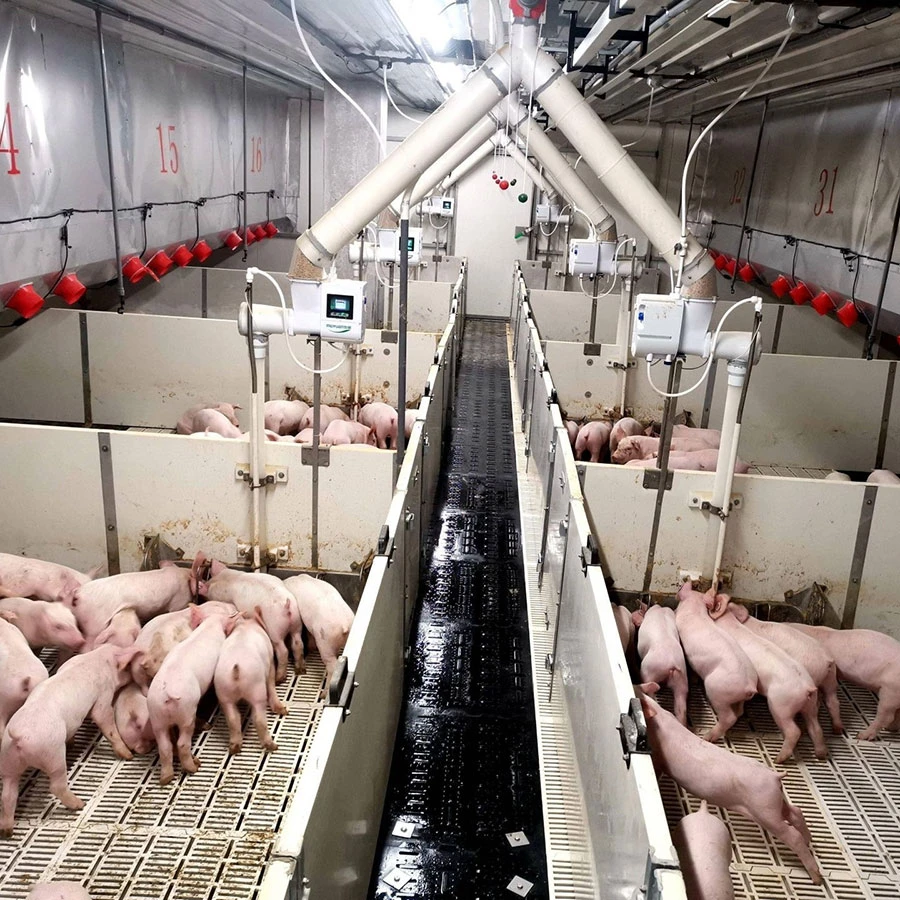
Instead of isolating sows, group housing systems promote interaction and natural herd behaviors. However, managing aggression during feeding requires skillful design and monitoring.
3. Feeding & Nutrition Management
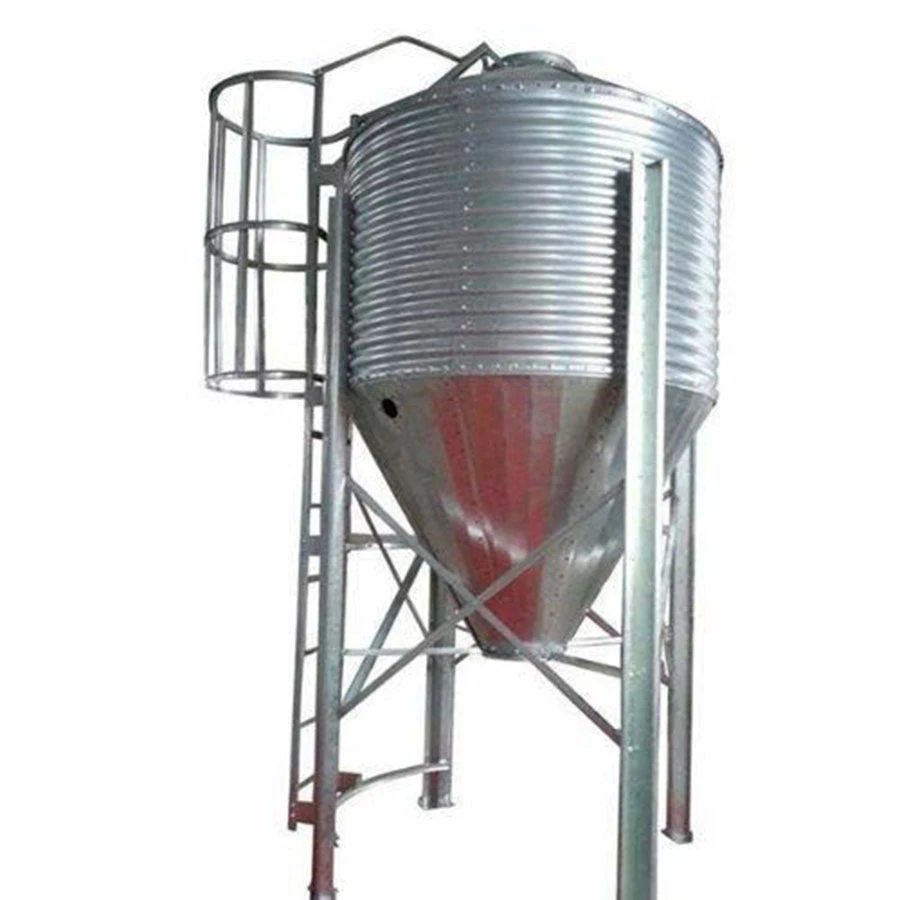
Since sows compete for food in groups, advanced feeding systems ensure all animals get their nutritional needs met, reducing injury and stress.
4. Environmental Enrichment
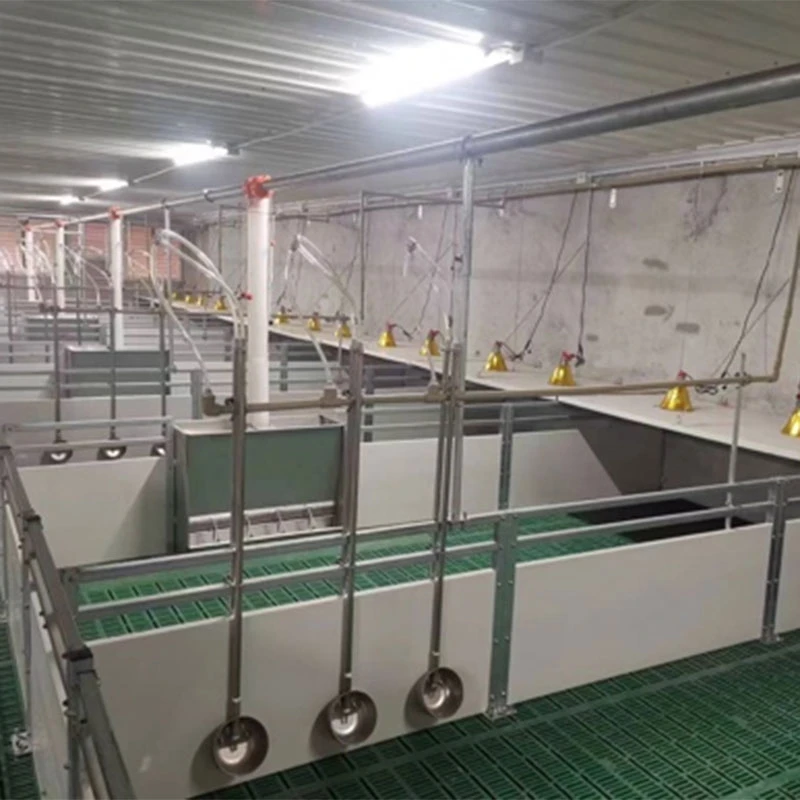
Items like straw bedding, rooting materials, and enhanced flooring improve mental stimulation and prevent harmful repetitive behaviors often seen with crate confinement.
5. Regulatory Compliance & Certification
Many producers adopting gestation crate free methods align with certification frameworks such as Global Animal Partnership or RSPCA Assured, offering transparency and credibility to consumers.
6. Cost Considerations
Yes, transitioning can involve upfront costs — modifying or replacing housing, investing in training, and monitoring animal health more closely. But over time, many report improved sow longevity and productivity, which count in gains.
Mini takeaway: Gestation crate free meaning stretches beyond philosophy — it demands practical changes in space, social behavior management, feeding, and compliance.
Global Applications and Real-World Use Cases
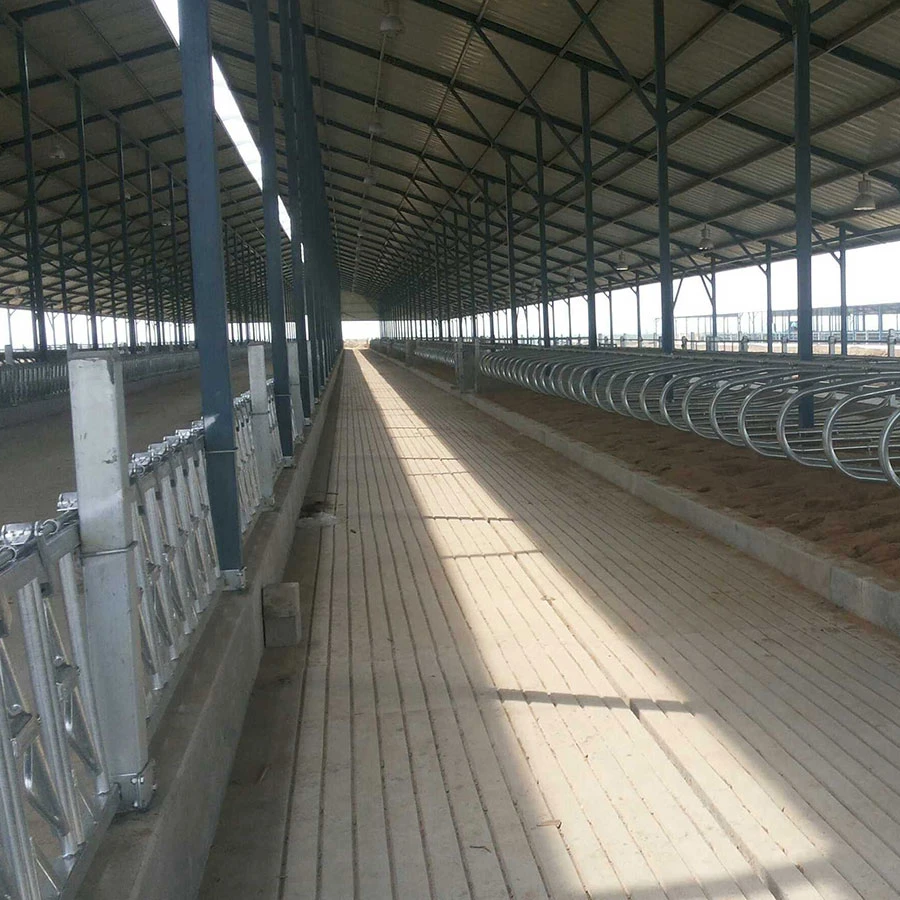
The shift towards gestation crate free systems is happening unevenly but with momentum worldwide. Europe leads with bans dating back to 2013 in several countries, including Sweden and the UK. In North America, voluntary adoption by large producers is increasing, spurred by consumer demand and retailer policies.
For example, Smithfield Foods in the U.S. pledged to transition to 100% gestation crate free by 2028, a landmark commitment impacting millions of sows. Meanwhile, in developing countries, change is slower due to infrastructure and economic barriers — but NGOs and international agencies are promoting gestation crate free principles as part of animal welfare improvement programs.
Oddly enough, in parts of Asia and Latin America, where smallholders dominate pig farming, simpler pen systems naturally provide more movement than industrial crates. Connecting these producers to certified markets helps scale humane practices economically.
Product Specification Table: Typical Gestation Crate vs. Gestation Crate Free System
| Feature | Gestation Crate | Gestation Crate Free |
|---|---|---|
| Space per Sow | ~0.7 m² (confined) | 2 m² or more (group pens) |
| Mobility | Minimal, can’t turn | Full movement allowed |
| Social Interaction | None (isolated) | Group housing encourages |
| Typical Costs | Lower upfront, higher long-term welfare issues | Higher initial investment, better productivity |
| Animal Welfare Rating | Low to poor | High, meets welfare standards |
Advantages and Long-Term Value of Gestation Crate Free Systems
The advantages here aren’t just ethical — though that alone is pretty compelling. Animal welfare improvements translate into healthier sows, fewer heart or joint problems, better stress management, and ultimately, longer productive lifespans. From a consumer standpoint, products labeled gestation crate free consistently command premium prices, reflecting rising market demand.
Furthermore, sustainability benefits arise: better welfare leads to more efficient feed utilization and potentially reduced environmental footprints over a herd’s lifespan. Plus, the trust generated with consumers and regulators alike secures market access, especially in export-heavy operations.
And frankly? It just feels like the right thing to do. There’s a dignity that these animals deserve, and not confining them in barren crates speaks volumes.
Future Trends & Innovations in Gestation Crate Free Farming
Looking ahead, emerging technologies are set to overhaul gestation crate free systems. Smart sensors monitor sow welfare in real-time, automating feed adjustments and health alerts. AI-driven behavior analysis can flag aggression or illness early on.
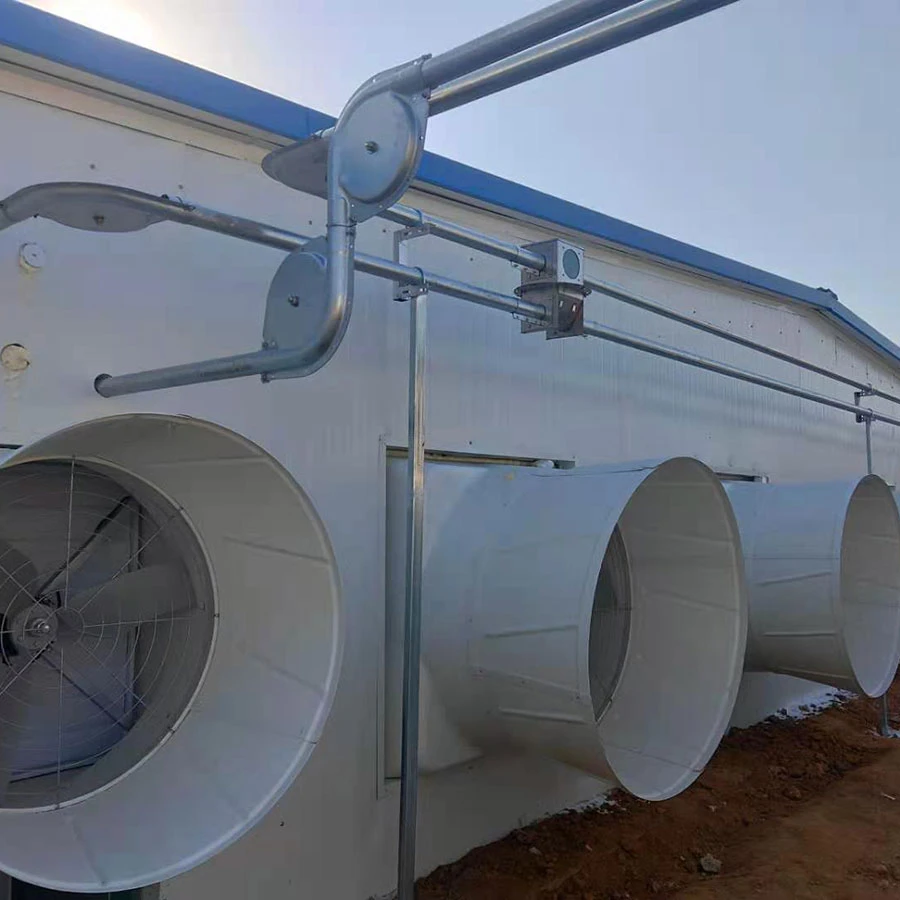
Environmentally, greener building materials and renewable energy integration reduce operational footprints. Precision agriculture technologies optimize resource use, ensuring welfare improvements don’t come at an unsustainable cost.
On the policy front, international trade agreements are beginning to include welfare standards, nudging more producers globally to adopt gestation crate free principles sooner rather than later.
Challenges & Solutions: Navigating Obstacles
Of course, gestation crate free systems aren’t without their hurdles. Transition costs can be steep, space requirements complicate scaling, and group housing management demands skilled labor.
Innovative solutions include modular pen designs, improved feeding technology to mitigate competition, and training programs for farm workers. Some producers employ phased rollouts over years rather than overnight changes.
Perhaps most crucial is cooperation — between government, industry, and consumers — to provide incentives and market pull for gestation crate free systems.
Vendor Comparison Table: Leading Gestation Crate Free Housing System Providers
| Vendor | System Type | Key Features | Pricing (Approx.) | Regions Served |
|---|---|---|---|---|
| AgriFree | Modular Group Housing | Smart feeders, non-slip floors | $600-$900/sow unit | NA, EU, Asia |
| EcoPig Solutions | Straw-Based Pens | Environmental enrichment focus | $700-$1,000/sow unit | EU, Canada |
| NextGen Livestock | Automated Group Pens | AI monitoring, IoT sensors | $1,000-$1,200/sow unit | Global |
FAQ: Your Questions About Gestation Crate Free Meaning Answered
Q1: What exactly does gestation crate free mean for pig welfare?
A: It means pregnant sows are raised without being confined to tiny metal crates, allowing them freedom of movement, social interaction, and a generally less stressful environment.
Q2: Are gestation crate free systems more expensive to implement?
A: While initial investments are higher than traditional crates, long-term benefits include healthier sows and better productivity, often offsetting costs over time.
Q3: How widespread is the adoption of gestation crate free practices globally?
A: Adoption varies; Europe leads with bans, North America has growing voluntary adoption, and developing regions are slowly transitioning with NGO support.
Q4: Can existing farms easily convert to gestation crate free systems?
A: Conversion usually requires housing redesign, staff training, and new feeding solutions, but phased approaches and modular designs aid smoother transitions.
Q5: How does gestation crate free farming impact meat quality?
A: Reduced stress on animals generally improves meat quality, including texture and flavor, potentially leading to higher consumer satisfaction.
Mini takeaway: These FAQs highlight that while gestation crate free practices pose challenges, the welfare and quality gains make them a compelling choice.
Wrapping It Up: Why Gestation Crate Free Meaning Is More Than a Label
To circle back, embracing the gestation crate free meaning is both a moral and practical pathway forward in animal agriculture. It signals respect for animal dignity, responds to global market demands, and aligns well with evolving sustainability goals. Sure, it can be complex to implement, but the technological advances and rising global momentum provide a bright horizon.
If you’re a producer, retailer, or just someone curious about humane food practices, doing a deeper dive into gestation crate free principles is worth your time — even crucial as this shifts from a niche concern to mainstream expectation.
Want to learn more or explore solutions tailored to your needs? Visit our website: https://www.cxlivestock.com — your gateway to progressive livestock welfare insights.
References & Credible Sources:
Post time: Dec . 02, 2025