What Are Gestation Crates for Pigs and Why Should We Care?
At first glance, the term gestation crates for pigs might sound purely technical or even a bit obscure. But it’s actually a huge topic in global agriculture, animal welfare, and food production. Understanding what these crates are, how they’re used, and why they're controversial matters — whether you're a farmer, consumer, policymaker, or just curious about where our pork comes from.
Why is it a big deal globally? Because pigs are one of the most widely farmed animals on Earth, with over a billion raised annually. Gestation crates directly impact the wellbeing of sows while intersecting with ethical farming practices, industry economics, and regulatory standards worldwide.
By peeling back the layers, we get insight into the balance between efficient food production and animal care — a debate that’s only growing louder.
Setting the Stage: Global Context Behind Gestation Crates
Globally, pork is the most consumed meat, outpacing even beef and poultry in some regions. The UN’s Food and Agriculture Organization highlights that pork production is on a steady rise — with China leading by a large margin, followed by the EU, USA, and Brazil. To keep up with this demand, intensive farming methods have been adopted, gestation crates being one of them.
But there’s a challenge. While gestation crates facilitate managing and protecting pregnant sows during gestation (roughly 114 days), animal welfare concerns have spurred bans and restrictions in places like the EU, UK, and several US states.
So the big question the industry faces is: How do we maintain productivity and protect animals simultaneously?
Mini Takeaway:
Gestation crates represent a crossroads between global pork demand and the ethics of animal welfare — a subject that has prompted evolving policies and innovations worldwide.
Breaking it Down: What Are Gestation Crates for Pigs?
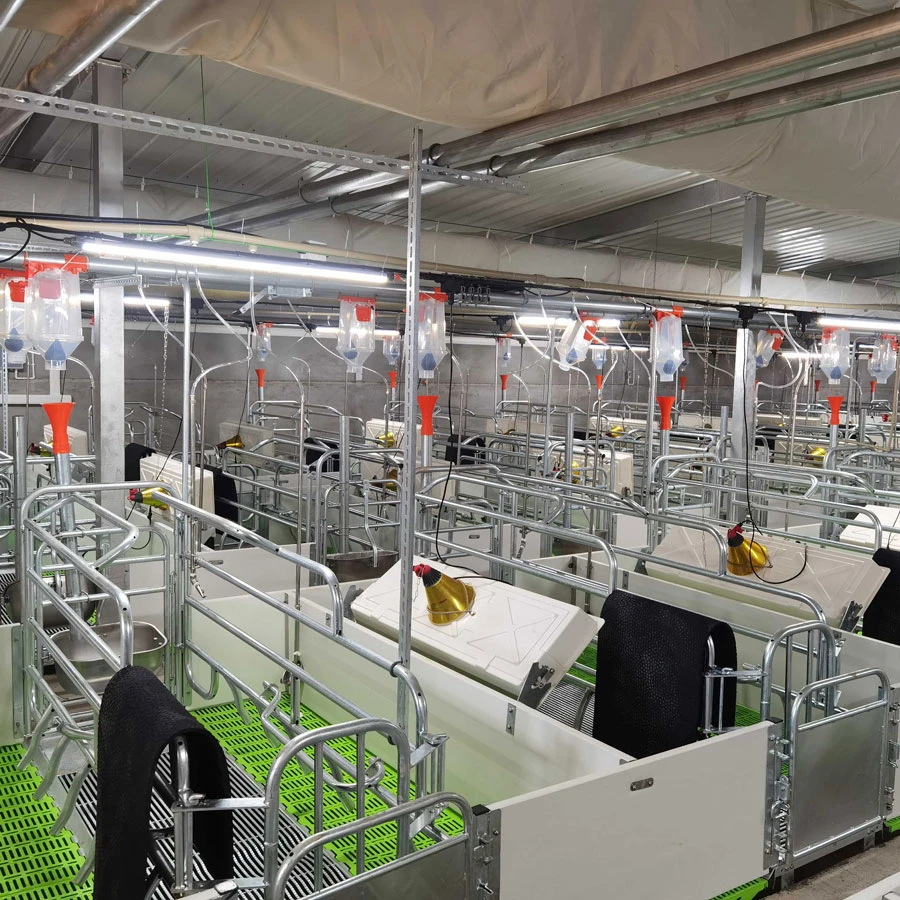
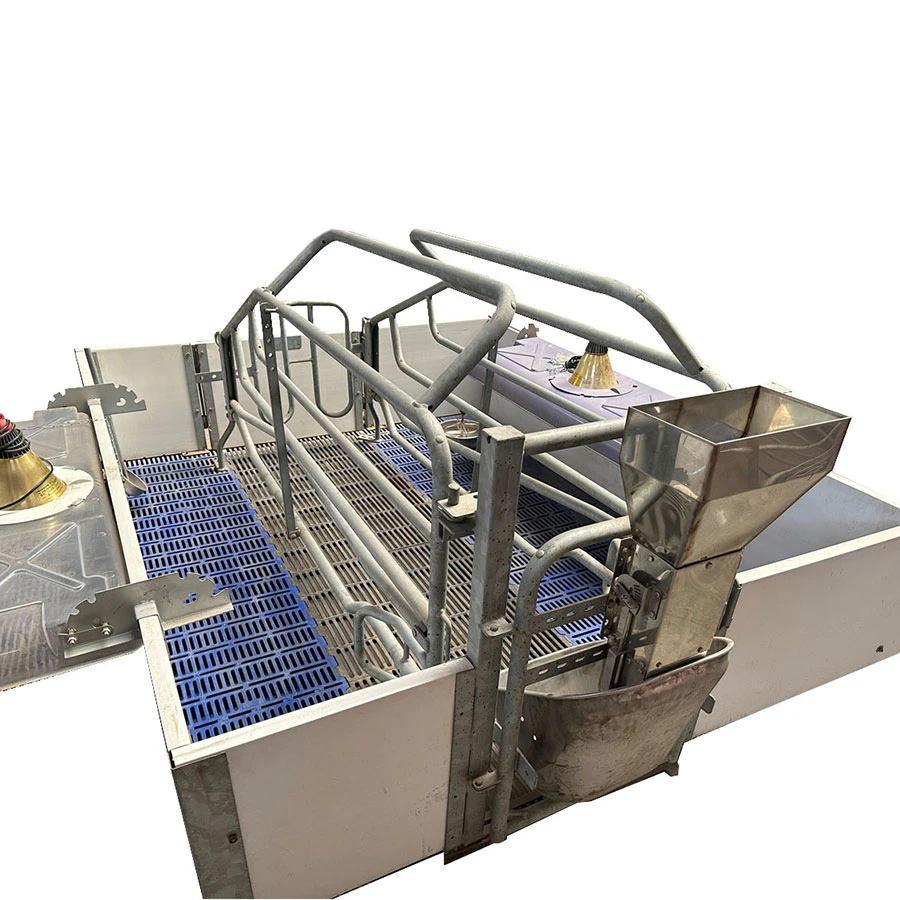
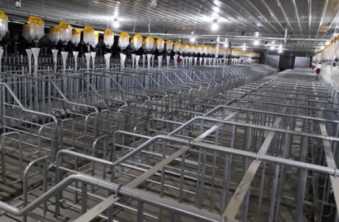
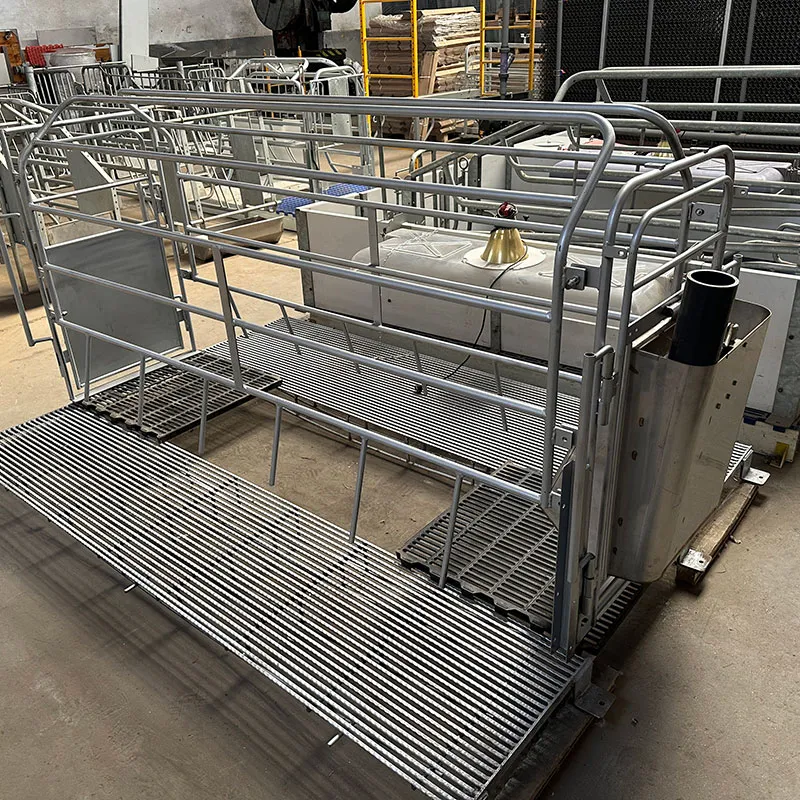
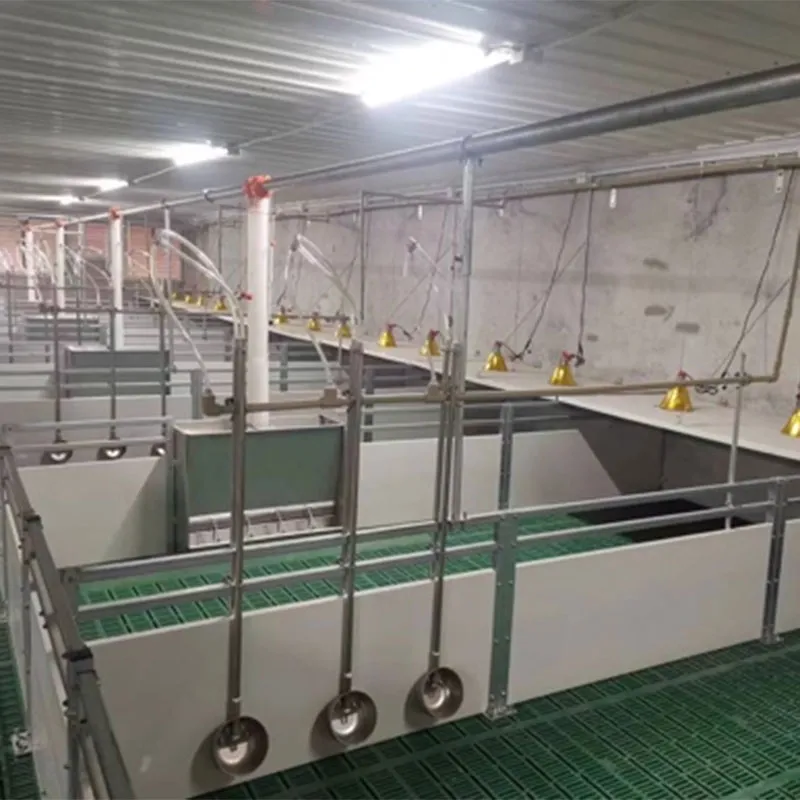
Simply put, gestation crates for pigs are metal enclosures where pregnant sows are confined during most of their pregnancy period. Usually about 2 meters long and less than a meter wide, these crates restrict movement to prevent fighting and injury among sows and to allow close monitoring.
From the farm’s perspective, they provide a practical way to allocate food accurately and prevent dominant animals from bullying others, which could affect fetal health. But the downside is that sows have very limited mobility, raising ethical questions and driving innovation for alternatives.
Mini Takeaway:
In a nutshell: gestation crates are about control and protection, but the trade-offs between animal freedom and operational efficiency complicate the picture.
Core Features and Factors of Gestation Crates
1. Size and Design
Typically, these crates are just wide enough for a pig to stand, lie down, or shift position, but not turn around. The dimensions are precisely calculated to constrain movement yet maintain comfort enough to reduce stress—although many animal welfare groups disagree on how comfortable “enough” really is.
2. Durability and Materials
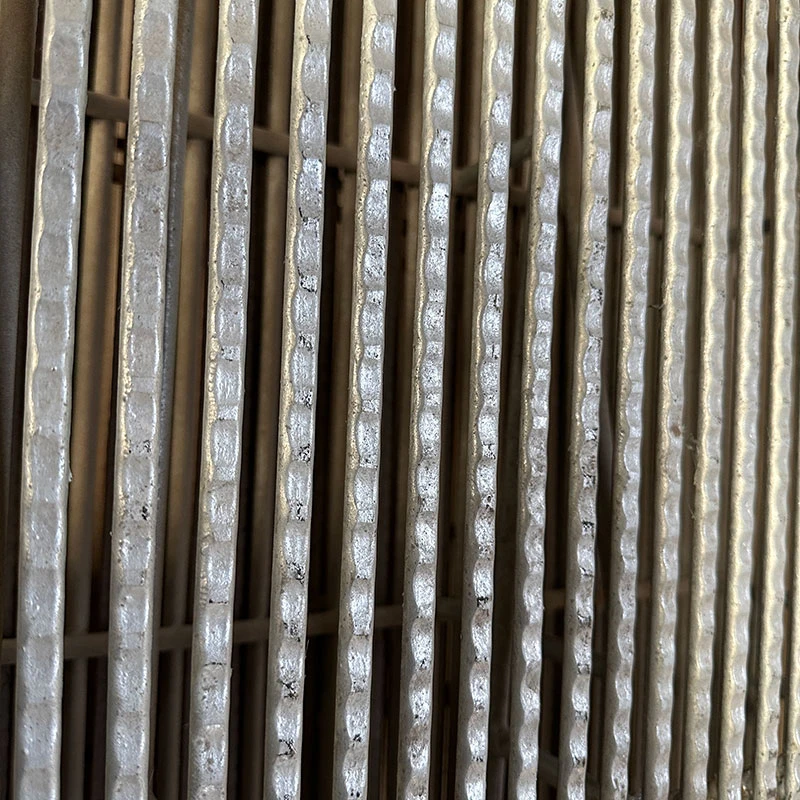
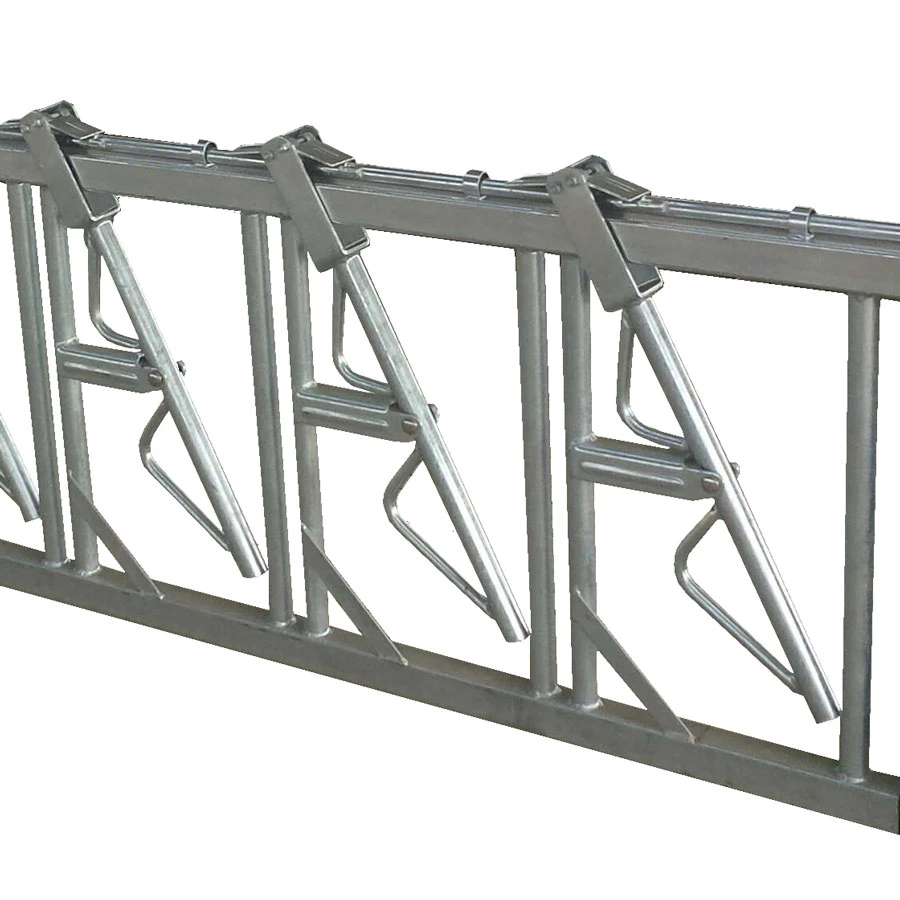
Most gestation crates are made from galvanized steel to resist corrosion, rust, and wear in humid barn conditions. The design often includes smooth edges to minimize injury risk. Durability doesn’t just affect longevity; it’s a safety factor for both animals and handlers.
3. Cost Efficiency
While initial investment is significant, crates aim to reduce labor costs, decrease injuries, and optimize feeding. Farmers often find that controlled individual feeding prevents waste, so the cost is offset over time.
4. Hygiene and Maintenance
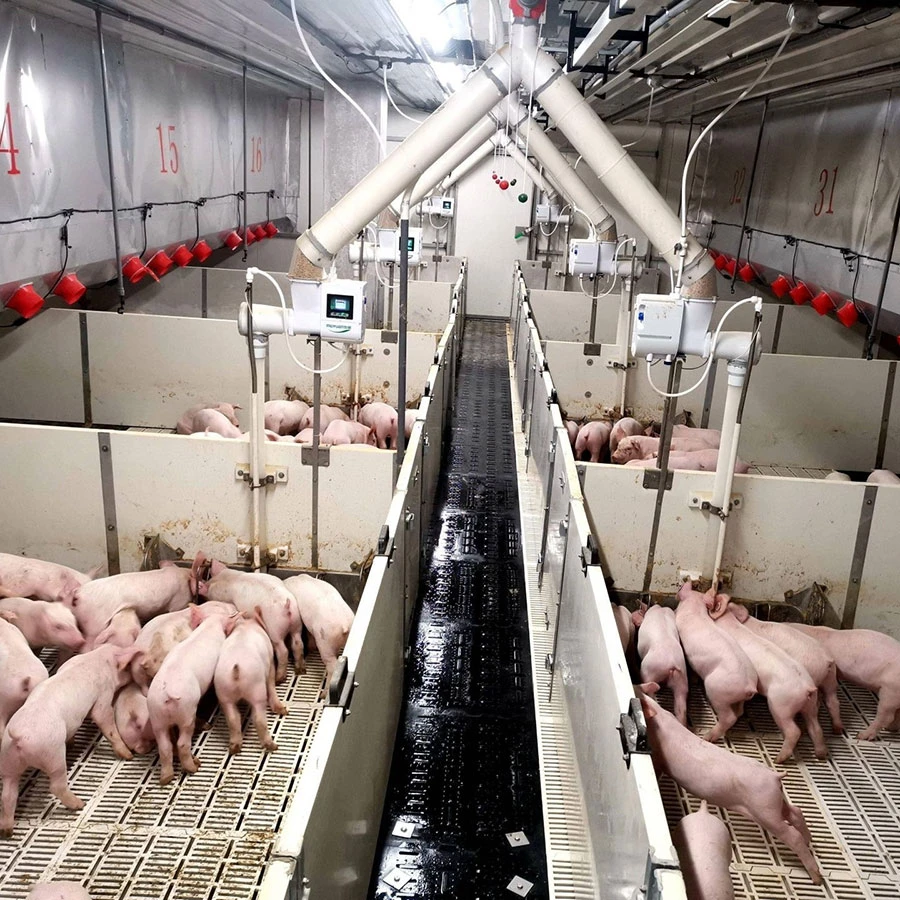
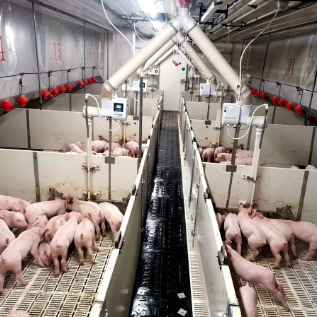
The crates are designed for easy cleaning and manure removal, often combined with automated slurry systems beneath the floor. This helps mitigate disease risks and keeps the barns safer.
5. Regulatory Compliance
Different countries demand different crate specifications — some banning them outright. Hence, manufacturers often customize crates to comply with local laws or organic standards.
Mini Takeaway:
Understanding these core factors helps comprehend why crates remain popular despite controversies: it's a pragmatic tool in a complex landscape.
Product Specifications at a Glance
| Feature | Specification | Notes |
|---|---|---|
| Dimensions (L x W) | 2.1 m x 0.6 m (approx.) | Custom sizes for breed variations |
| Material | Galvanized steel, powder-coated options | For rust resistance |
| Flooring | Slatted, concrete base | Promotes waste drainage |
| Feeding Access | Individual troughs per crate | Prevents food theft |
| Weight Capacity | Up to 250 kg per sow | Suitable for large breeds |
How Different Vendors Approach Gestation Crate Solutions
| Vendor | Material Quality | Customization | Sustainability Efforts | Price Range |
|---|---|---|---|---|
| AgriCrate Inc. | High-grade galvanized steel | Fully customizable sizes & coatings | Offers recycled material options | $$$ |
| FarmSafe Solutions | Standard steel, powder-coated | Limited customization | Focus on energy-efficient manufacturing | $$ |
| BioPig Systems | Innovative composite materials | Sizes adapted for animal welfare standards | Crates are 80% recyclable | $$$+ |
Global Applications and Real-Life Uses of Gestation Crates
In the real world, gestation crates for pigs dominate intensive pig farming operations mainly in Asia, North America, and parts of Europe. China uses them extensively to meet its massive pork demand, while European countries have largely phased them out — opting for group gestation pens instead. This shows how regulation and cultural norms shape usage.
In developing countries, gestation crates offer a way to protect pregnant sows from aggressive herd mates and improve survival rates, especially where veterinary care is limited. Meanwhile, large commercial farms value the consistent monitoring and feeding control enabled by crates, reducing piglet mortality.
Mini Takeaway:
Where and how gestation crates are used depends heavily on local law, farm size, and cultural priorities — a complex picture rather than a one-size-fits-all scenario.
Advantages and Long-Term Value of Using Gestation Crates
- Efficient Use of Space: Crates maximize barn use, allowing more sows in a fixed footprint.
- Individual Feeding Control: Ensures pregnant sows get target nutrition without competition.
- Injury Prevention: Reduces fighting that can cause harm and stress during pregnancy.
- Monitoring Ease: Farmers can track individual sow health more closely, spotting illness early.
- Cost Savings: Reduced labor from simplified feeding and cleaning routines over time.
But it’s not all economics. On the emotional side, many farmers say they worry about animal welfare but feel trapped by system demands. Innovations aimed at making crates more humane—or replacing them altogether—are ongoing, hopeful signs of progress.
Looking Ahead: Innovations Shaping the Future of Gestation Crates
The future feels like a mashup of tougher animal welfare laws and smart farm technologies. Many manufacturers are experimenting with modular pens that allow movement yet reduce aggression. Digital sensors increasingly monitor sow stress levels, health, and behavior in real time, moving beyond just crates to smart barns.
Also, materials science is stepping in: lightweight composites, recycled metals, and coatings that improve hygiene — all aimed at sustainability. Plus, with pressure to cut methane and waste emissions, there’s a push toward designs that integrate waste-to-energy solutions.
Challenges in Using Gestation Crates and Possible Solutions
Here’s the rub: while gestation crates help with management and health, their confinement raises serious animal welfare red flags. Limited movement impacts natural behaviors, stresses sows, and can lead to physical ailments.
Solutions being explored include:
- Switching to group gestation housing with better space and social dynamics.
- Installing enrichment materials to reduce boredom and stress.
- Using sensor tech to flag animal well-being and adjust conditions proactively.
- Policy reforms encouraging phase-out with support for farmers transitioning.
FAQ: Frequently Asked Questions About Gestation Crates for Pigs
Q1. Why are sows confined in gestation crates during pregnancy?
A1. Sows are kept in gestation crates mainly to prevent aggression and injury from other pigs, ensure they receive proper nutrition without competition, and allow close health monitoring during the gestation period. It’s a management strategy balancing welfare and productivity.
Q2. Are gestation crates legal everywhere?
A2. No, their legality varies by country and region. The EU and UK have banned or heavily restricted their use due to welfare concerns, while many parts of Asia and North America still permit their use under various regulations. Always check local laws when sourcing equipment.
Q3. What alternatives exist to gestation crates for pig farming?
A3. Alternatives include group housing pens where sows live together with sufficient space to reduce fights, and free-access stalls that give pigs movement freedom yet control. These options aim to improve animal welfare without sacrificing productivity.
Q4. How do gestation crates impact pork quality or farm economics?
A4. By reducing injuries and ensuring consistent nutrition, crates can help maintain sow and piglet health, thus potentially improving overall productivity. However, welfare concerns and regulations may affect farm economics and market acceptance depending on consumer awareness.
Q5. Can technology improve conditions related to gestation crates?
A5. Absolutely. Smart sensors, automated feeding, and environmental monitoring can optimize sow comfort, detect issues early, and enhance traceability, helping farms balance welfare and efficiency.
Wrapping It Up: Why Knowing About Gestation Crates Matters
In the end, understanding what are gestation crates for pigs touches on so much — from farm economics and global food supply to ethics and innovation. It’s not a straightforward story. But one thing’s clear: as consumers and producers become more informed, the demand for better solutions will only grow.
If you want to dive deeper into sustainable pig farming practices or explore products in livestock management, visit our website — plenty of resources await.
Final Thought:
The story of gestation crates is really about how we balance human needs with the dignity of animals — a challenge and opportunity for the future of agriculture.
References
Post time: Dec . 02, 2025