Understanding Sow Gestation Stalls: Why They Matter Globally
Sow gestation stalls might not exactly come up in everyday conversations unless you’re inside the world of pig farming or animal husbandry. But these specialized enclosures are critical in the global agricultural landscape, especially as demand for sustainable and ethical meat production rises. In essence, they are individual cages designed for pregnant sows to ensure safety, health monitoring, and controlled feeding during their gestation period. At first glance, it might sound a bit clinical, but understanding sow gestation stalls sheds light on how modern farming balances productivity and animal welfare.
Worldwide, pork is one of the most consumed meats, with the FAO estimating over 110 million tons produced annually. Efficient management of breeding sows is vital in maintaining this supply chain. Sow gestation stalls help farmers optimize reproductive success while maintaining sanitary and controlled environments—features that impact food security, economic stability, and animal welfare.
Mini takeaway: Sow gestation stalls are a behind-the-scenes cornerstone of modern pork production, shaping industry outcomes both economically and ethically.
The Global Context: Why Sow Gestation Stalls Are Relevant Today
It may surprise some to learn that pig farming is a billion-dollar industry with vast implications across continents. According to the World Bank, countries like China, the United States, and Spain lead pork production, relying heavily on optimized housing systems to meet global consumption demands. Sow gestation stalls come into play as a means to improve management efficiency — though they also bring forward significant challenges and debates.
The biggest dilemma? Balancing productivity with animal welfare concerns. Organizations such as the ISO and the World Organisation for Animal Health (OIE) have slowly influenced standards, encouraging alternatives to conventional stalls. Still, the immense scale of production means sow gestation stalls remain a mainstay in many systems, especially in regions where infrastructure modernization is gradual.
As the global population grows and climate change adds pressure to agriculture, understanding every part of the value chain is crucial — including the controversial yet functional sow gestation stall.
What Exactly Are Sow Gestation Stalls?
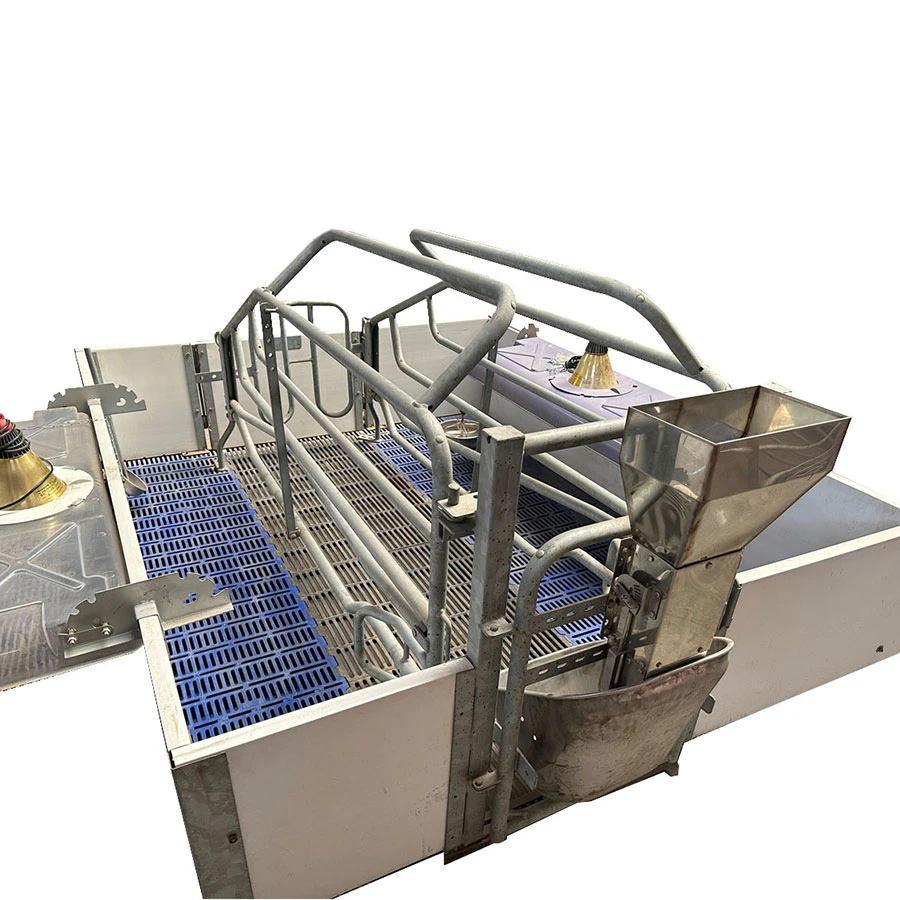
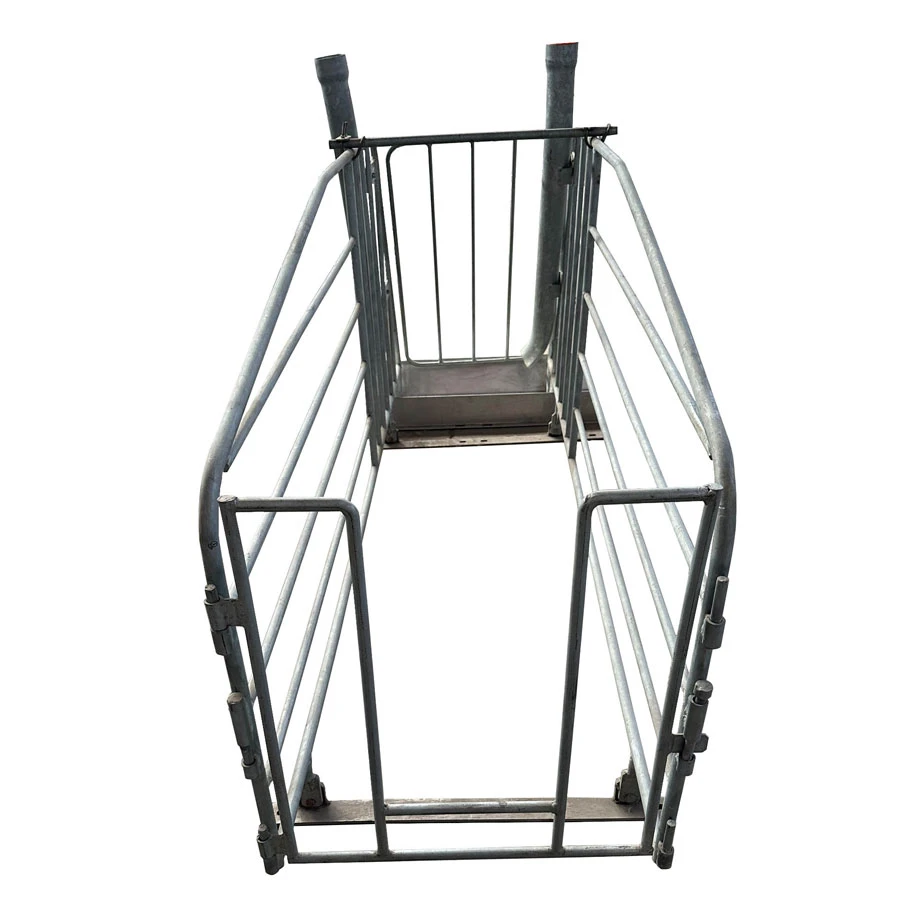
Simply put, sow gestation stalls are narrow, individual enclosures designed to house pregnant sows separately during their approximately 114-day gestation period. They typically measure around 60 cm wide and 2 meters long, enough to allow minimal movement but primarily to prevent fighting, injuries, and to allow for easy feeding control.
These stalls connect deeply to the modern livestock industry’s goal: maximize reproductive efficiency while limiting stress and disease transmission. However, they've sparked controversy due to animal welfare implications — many advocates campaign for group housing instead.
On a humanitarian or ethical level, the discussion also raises questions about how tech and design can improve animal well-being while satisfying economic pressures.
Key Factors Shaping the Design and Use of Sow Gestation Stalls
1. Durability and Materials
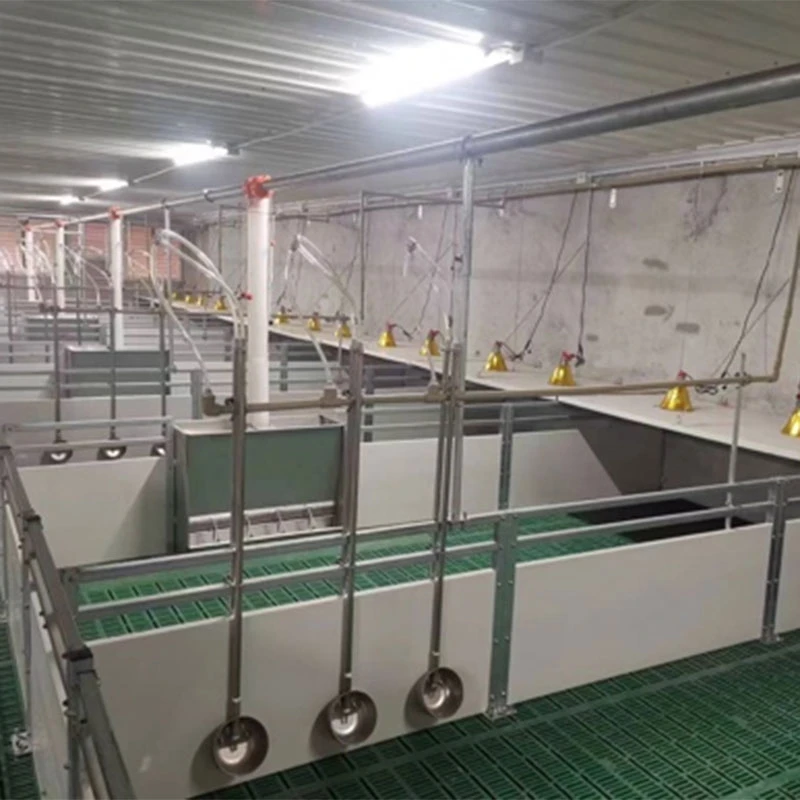
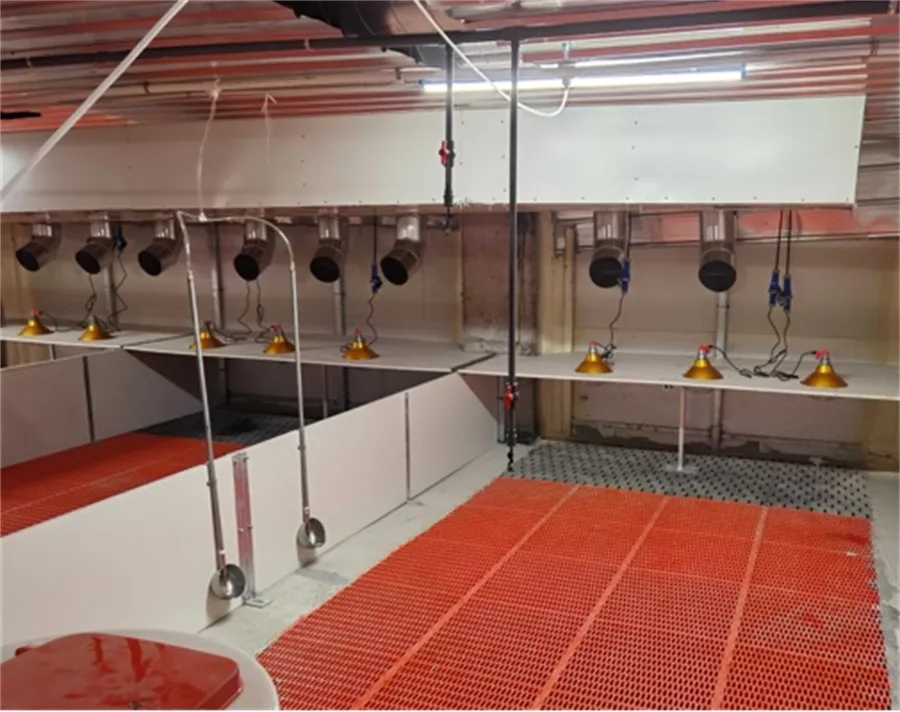
The construction often uses galvanized steel frames and plastic-coated flooring to resist corrosion and ease cleaning. The materials have to withstand harsh cleaning regimes and pig activity for several reproductive cycles, roughly 2–3 years before replacement. Durability directly affects long-term cost efficiency and hygiene.
2. Animal Welfare Considerations
Although stalls provide safety, their restrictive size limits natural behaviors. Increasingly, design improvements incorporate wider stalls or modulated pen systems that allow more movement while keeping individual feeding intact.
3. Cost Efficiency & Scalability
Sow gestation stalls have historically been popular because they reduce fighting-related injuries, which can be costly. For large-scale farms running hundreds of sows, stalls offer predictable management and feeding control. Still, costs vary depending on materials, setup complexity, and local labor rates.
4. Sanitation and Disease Prevention
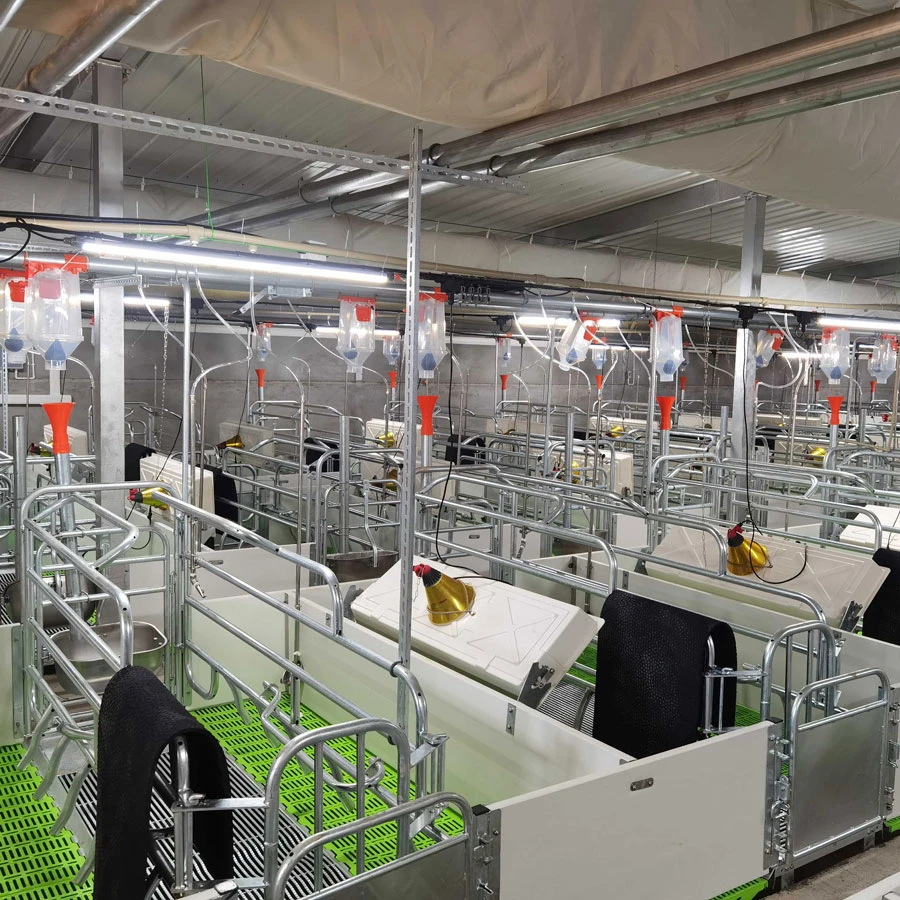
These stalls facilitate easy manure collection and cleaning, crucial for biosecurity. Proper wastewater management reduces disease spread, which is pivotal in intensive production. In fact, many farms invest in automated cleaning systems integrated with stall design.
5. Integration with Monitoring Technologies
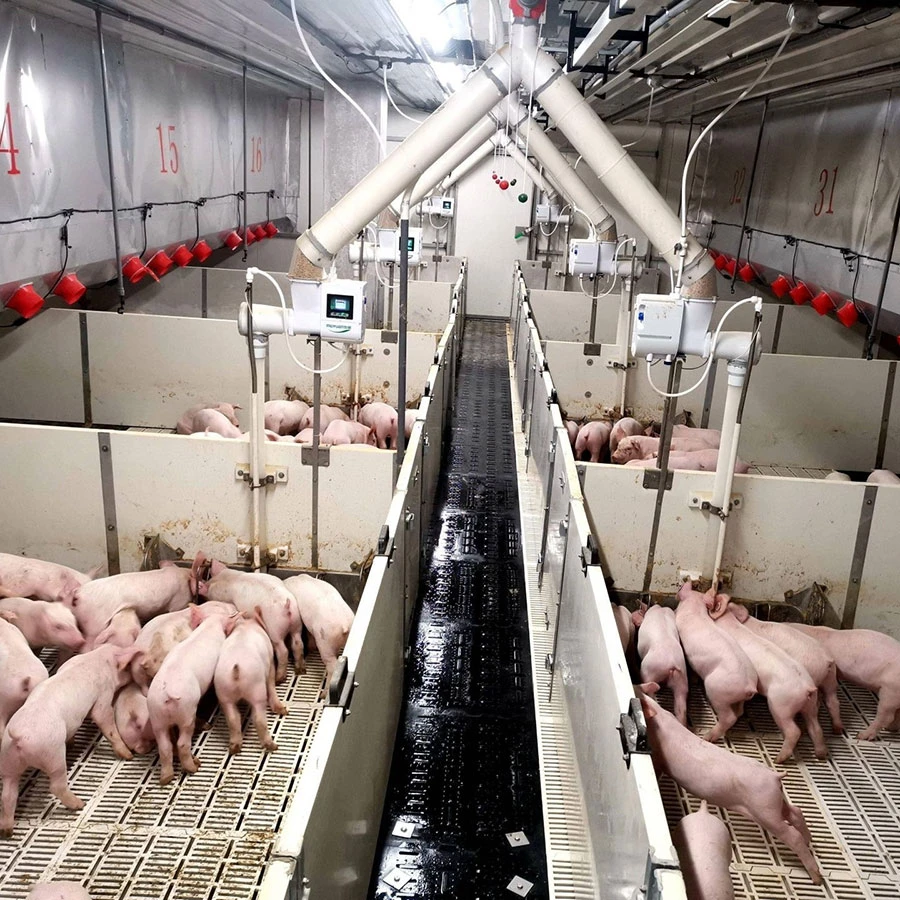
The future is smart farms, where sensors track sow health, temperature, and behavior inside stalls. These data help optimize feeding, detect illness early, and improve overall productivity — innovations that are becoming increasingly common worldwide.
Mini takeaway: The balance of durability, welfare, and cost is central to designing sow gestation stalls — and the next generation leans heavily on technology integration.
Product Specification Table: Typical Sow Gestation Stall Features
| Feature | Specification | Benefit |
|---|---|---|
| Dimensions | ~60 cm width x 200 cm length | Optimized space for sow safety and feeding |
| Material | Galvanized steel, plastic-coated floor | Durable & easy to sanitize |
| Weight capacity | Up to 300 kg per sow | Supports fully grown pregnant sows |
| Drainage | Slatted plastic flooring with waste channels | Maintains hygiene and biosecurity |
| Optional integration | Sensors for health & behavior monitoring | Data-driven sow management |
How Sow Gestation Stalls Are Used Around the World
Regions like North America and industrialized parts of Europe rely heavily on gestation stalls because they streamline standard farming operations in sizable facilities. Meanwhile, countries aiming to modernize agriculture, such as Brazil and China, blend traditional and progressive methods, often integrating stall use with group housing initiatives.
In developing regions, sow gestation stalls can be vital in small-scale or cooperative farms where disease control and feeding regulation affect the viability of the entire herd. Moreover, during post-disaster recovery or drought periods, controlled environments like stalls help manage breeding cycles reliably even amidst environmental stresses.
For those curious, industries such as specialized genetic breeding and pharmaceutical research also use gestation stalls to monitor behavioral or physiological effects meticulously — showcasing the stalls’ versatility beyond just pork production.
Vendor Comparison Table: Choosing the Right Sow Gestation Stall Supplier
| Vendor | Material Quality | Customization Options | Price Range | Lead Time |
|---|---|---|---|---|
| AgriStall Solutions | High-grade galvanized steel | Widths, sensor integration | $$$ (premium) | 4-6 weeks |
| FarrowTech Inc. | Standard steel, plastic floors | Basic sizing | $$ | 3-5 weeks |
| EcoStall Systems | Recycled metal & plastics | Eco-friendly custom builds | $$ | 6-8 weeks |
Advantages and Long-Term Value of Sow Gestation Stalls
When examining sow housing options, stalls offer predictability. They reduce injury risk during social stress, simplify feeding schedules, and enhance disease control efforts. Perhaps more than cost savings, they deliver peace of mind — a crucial yet less tangible benefit that modern farms rely on.
Ethically, while stalls are often criticized, incremental design changes have improved the sows' environment. Newer systems add enrichment materials and slightly increased space — all supporting animal dignity without dropping productivity.
In real terms, farms report improved reproductive outcomes when sows are closely monitored, and stalls facilitate that. Over time, the sustained gains in piglet survival, fewer vet bills, and smoother operations justify investments in thoughtfully designed stalls.
Future Trends: What Lies Ahead for Sow Gestation Stalls?
Advancements are heading toward greater automation, IoT sensor deployment, and greener building materials. Mixing data analytics with physical design is shaping “smart gestation stalls,” making animal health monitoring real-time and more precise. Sustainability is also nudging manufacturers to explore recycled metals and bio-based plastics.
Policies worldwide are evolving too, with the EU, for example, setting timelines to phase out traditional stalls in favor of group housing by 2027 — forcing the industry to innovate rapidly or adapt.
Challenges Facing Sow Gestation Stall Usage and Innovative Solutions
The main issue remains animal restriction and welfare concerns. Farmers face pressure to move toward group housing, but group systems bring fighting and complexities in feeding management. The solution? Hybrid stalls allowing limited movement or advanced sensor technologies to monitor group dynamics and stress signals.
Cleaning and durability challenges persist, especially in tropical climates with high humidity. Eco-friendly coatings and modular, easy-to-replace parts are helping extend stall life and reduce downtime.
FAQ: Frequently Asked Questions About Sow Gestation Stalls
-
Q: Are sow gestation stalls allowed everywhere?
A: Their legal status varies. Some regions like the EU are phasing them out due to welfare regulations, while others still permit or promote their use based on practical farm needs. -
Q: How do gestation stalls impact sow health?
A: Used properly, they help prevent injuries and manage feeding, but limited movement can stress animals. New designs try to balance restriction with comfort. -
Q: Can stalls be adapted for group housing?
A: Hybrid systems exist that allow sows limited movement or grouping while maintaining feeding control via electronic sow feeders. -
Q: What is the typical lifespan of a gestation stall?
A: Usually 2–3 years depending on material quality and maintenance — although high-end stalls with smart features may last longer.
In Conclusion: The Balanced Future of Sow Gestation Stalls
Sow gestation stalls remain a pivotal part of pig farming worldwide, blending practical management and evolving welfare standards. As demands for ethical farming intensify alongside production needs, the industry is navigating carefully between tradition and innovation.
Whether you’re a farmer exploring sow gestation stalls or an industry observer, it’s clear the future lies in smarter, more sustainable designs — not abandoning stalls altogether but refining them.
Curious to see the latest in stall technology? Visit our website: https://www.cxlivestock.com for cutting-edge solutions tailored to your operation’s unique needs.
References:
Post time: Dec . 02, 2025