The Quiet Power of the Cattle Trough: More Than Just a Water Bowl
At first glance, a cattle trough might seem like nothing more than a simple container to hold water or feed for livestock. But, in reality, it’s a surprisingly crucial piece of agricultural infrastructure. Globally, ensuring clean, accessible water and feed for cattle impacts everything from rural economies to food security. Understanding the role and design of cattle troughs unlocks not just better livestock management but also supports sustainable farming practices worldwide.
Mini takeaway: Cattle troughs are foundational yet often overlooked tools that play a vital role in agricultural sustainability and animal welfare.
Why Cattle Troughs Matter on a Global Scale
According to the United Nations Food and Agriculture Organization (FAO), livestock farming contributes around 40% of global agricultural GDP and supports the livelihoods of 1.3 billion people. Yet a major challenge lies in ensuring animals have constant access to clean water and proper nutrition, particularly in arid and remote regions.
Ill-designed or insufficient cattle troughs can lead to contamination, dehydration stress, and inconsistent feeding—issues that cascade into lower productivity, animal health problems, and economic losses. Globally, drought-prone areas, outbreak zones, and even burgeoning industrial farms wrestle with how best to implement reliable watering solutions. This is where the design, durability, and location of cattle troughs become not just a farm efficiency topic but a critical component of food security.
Mini takeaway: The cattle trough isn’t just a local farm matter, but an essential piece in global efforts toward livestock welfare, food supply stability, and poverty reduction.
What Exactly is a Cattle Trough?
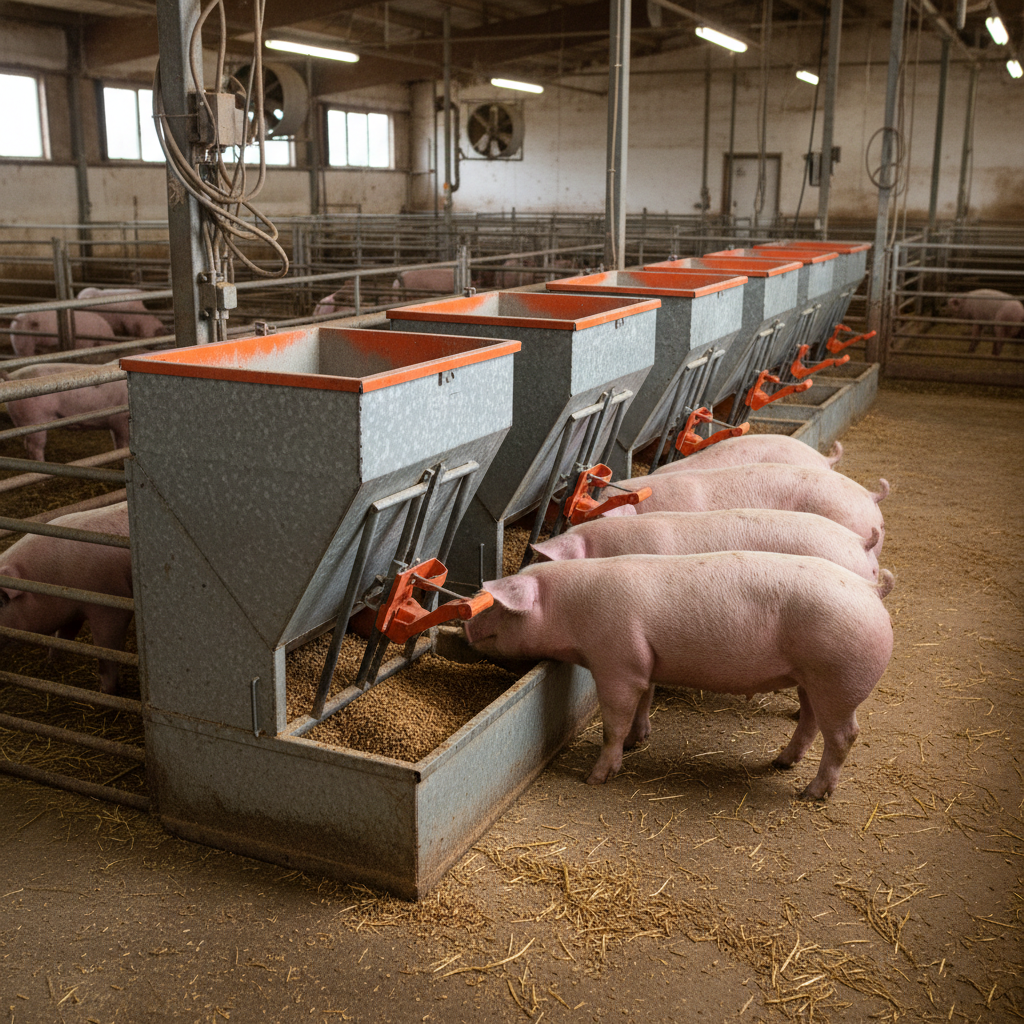
Put simply, a cattle trough is a basin or container designed to hold water or feed for cattle and other livestock. They come in various sizes and materials like concrete, plastic, galvanized metal, or fiberglass. Modern troughs aim to reduce water wastage, prevent contamination, and withstand weather extremes.
In many ways, the cattle trough is an unsung hero of modern agriculture. It connects ancient pastoral practices with today’s technology-driven farms and even humanitarian efforts, where relief agencies may deploy mobile or temporary troughs for displaced herds in drought-stricken zones.
cattle trough designs vary, but all share that basic mission: safe, reliable access to water or feed.
Core Features That Make a Good Cattle Trough
1. Durability
Since troughs often endure rough weather, animal interaction, and continuous use, material robustness is key. Concrete or UV-resistant plastics are common. Engineers emphasize lifespan because frequent replacement adds unexpected costs and disruptions.
2. Capacity & Size
Cattle size, herd number, and watering frequency define the trough's volume. Too small, and animals compete; too large, and water stagnates.
3. Safety & Hygiene
Preventing algae, bacteria, and other contaminants is vital. Designs that minimize debris entry and facilitate cleaning improve animal health.
4. Ease of Installation & Portability
In remote or pastoral regions, a trough’s weight and assembly time impact deployment. Lightweight mobile troughs gain traction in disaster relief.
5. Cost Efficiency
High initial costs can deter adoption in developing areas, so balancing upfront investment with lifespan is an ongoing design challenge.
6. Environmental Impact
Water-saving features and use of recyclable or eco-friendly materials align with sustainable farming goals.
Mini takeaway: A cattle trough’s success rests on practicality and quality rather than complexity—though innovation is shifting that balance.
Global Applications & Practical Use Cases
From sprawling Australian ranches to small pastoral farms in sub-Saharan Africa, the cattle trough remains integral. UN disaster relief agencies frequently include portable troughs in drought response kits. These lightweight units help prevent dehydration in displaced livestock, aiding food security for vulnerable communities.
Industrial livestock farms in North America often invest in high-tech troughs with automated refill systems to optimize resource use and reduce labor.
In many developing countries, NGOs promote durable plastic troughs that communities can maintain easily, lowering disease risk and loss rates.
Oddly enough, even in some European organic farms, innovative steel troughs designed to reduce algae growth are replacing older concrete tanks.
Product Specification Table: Typical Cattle Trough Features
| Feature | Specification | Benefit |
|---|---|---|
| Material | UV-stabilized polyethylene | High durability & lightweight |
| Capacity | 500 liters | Suitable for medium-sized herds |
| Dimensions (LxWxH) | 150cm x 70cm x 50cm | Easy to access for various cattle breeds |
| Weight | 30 kg | Portable for quick field setup |
| Water-Saving Design | Overspill lip and anti-contamination guards | Minimizes wastage and bacterial growth |
How Do Vendors Compare?
| Company | Material Used | Price Range | Typical Client | Key Differentiator |
|---|---|---|---|---|
| LivestockPro | Concrete | $$ | Large-scale farms | High durability, custom molds |
| GreenFeed Systems | Recycled plastic | $ | Small to medium farms, NGOs | Eco-friendly & light |
| AquaTrough Co. | Galvanized steel | $$$ | Commercial feedlots | Automation-ready & durable |
Long-Term Advantages of Investing in Quality Cattle Troughs
From a practical standpoint, an efficient cattle trough reduces water wastage, decreases disease risk, and eases livestock management. This translates to fewer vet bills and higher meat or milk yields, so it’s not just animal welfare but profitability at stake.
On a less tangible level, farmers report peace of mind knowing their herds have consistent access to clean water, which is worth all the investment. There’s something satisfying about a well-designed trough — it symbolizes care, responsibility, and progress.
For NGOs and global agencies, deploying sustainable troughs supports social dignity for communities dependent on livestock and combats the ripple effects of drought and famine. Such investments matter far beyond the farm gate.
Future Trends in Cattle Trough Technologies
We’re seeing interesting innovations like solar-powered automated refill systems that trigger watering only when levels drop. Materials research is pushing for more biodegradable or recycled composites without sacrificing durability. Some smart troughs incorporate sensors to monitor animal drinking patterns to detect health issues early.
With increasing demand for sustainable farming, policies might soon reward farmers who adopt environmentally friendly water management tools, including advanced troughs. It feels like the industry is quietly moving good old troughs into the 21st century.
Common Challenges and Practical Solutions
- Challenge: Water contamination.
- Solution: Use of covers or troughs with antimicrobial linings.
- Challenge: High upfront costs, especially in developing regions.
- Solution: Modular, lightweight units with local material sourcing.
- Challenge: Difficulty in cleaning and maintenance.
- Solution: Designs with smooth surfaces and drainage valves.
- Challenge: Animal injury from sharp edges.
- Solution: Rounded, smooth edges and non-toxic coatings.
FAQs About Cattle Troughs
- How do I choose the right size of cattle trough for my herd?
- The capacity depends on herd size, animal weight, and watering frequency. As a rule, 10 to 15 liters per animal per drinking session is a good baseline. It’s better to slightly oversize than risk competition and dehydration.
- What materials are best for durability and hygiene?
- UV-stabilized plastics and concrete are popular for durability. Plastic troughs often win on weight and ease of cleaning, while concrete offers longevity but needs careful maintenance to prevent cracks.
- Can cattle trough designs help conserve water?
- Absolutely. Features like overspill lips and covers prevent waste. Automated refill systems can also top off the trough only as needed. This is especially crucial in drought-prone locations.
- Are portable cattle troughs effective in disaster relief?
- Yes, portable troughs allow quick deployment and ensure livestock survival during emergencies. Their lightweight design and ease of assembly are key benefits NGOs look for.
- How often should cattle troughs be cleaned?
- Cleaning every 1-2 weeks is recommended to prevent buildup of algae and bacteria. In warm climates, more frequent cleaning helps maintain water quality.
Wrapping Up: Why a Better Cattle Trough Means a Better Tomorrow
The humble cattle trough quietly supports a spectrum of benefits — animal health, farm productivity, environmental sustainability, and community resilience. Investing in thoughtful trough design is an investment in a more stable food system, and honestly, it’s a little reassuring to remember that such a basic thing can carry such weight in the grand scheme.
If you’re looking to explore quality options or want to learn more about modern cattle watering solutions, visit our website: https://www.cxlivestock.com.
Mini takeaway: Never underestimate the impact of good infrastructure. The right cattle trough connects people, animals, and the planet in perfectly simple ways.
References:
Post time: Dec . 01, 2025