Why a Trough for Cows Matters More Than You Think
At face value, a trough for cows might sound like a pretty straightforward farming tool — just a container where cattle eat or drink, right? Yes, but it’s actually a small yet vital piece in the puzzle of global food security, sustainable agriculture, and livestock welfare. Worldwide, with over 300 million head of cattle (according to the UN Food and Agriculture Organization), efficient feeding solutions directly impact productivity, animal health, and resource use.
Understanding the nuances of designing and using a well-crafted trough for cows can improve yield, reduce waste, and even aid in disaster relief where livestock support is critical. So, why does this humble piece of equipment deserve such attention? Simply put, it’s the frontline of animal nutrition and welfare.
The Global Stage: Why Cattle Feeding Solutions Are Critical
Livestock farming remains a cornerstone of many economies, especially in emerging regions of Africa, South Asia, and Latin America. The World Bank estimates that livestock contributes up to 40% of the global value of agricultural output and supports the livelihoods of 1.3 billion people worldwide. But here’s the kicker: inefficient feed delivery systems can lead to 10–30% feed wastage, directly affecting farm income and environmental footprints.
Challenges like water scarcity, fluctuating feed quality, and harsh climates push farmers to seek durable, efficient, and adaptable feeding systems. This is where the design and material selection of a trough for cows become key. Without them, livestock productivity — and by extension, food security — can falter.
What Exactly Is a Trough for Cows?
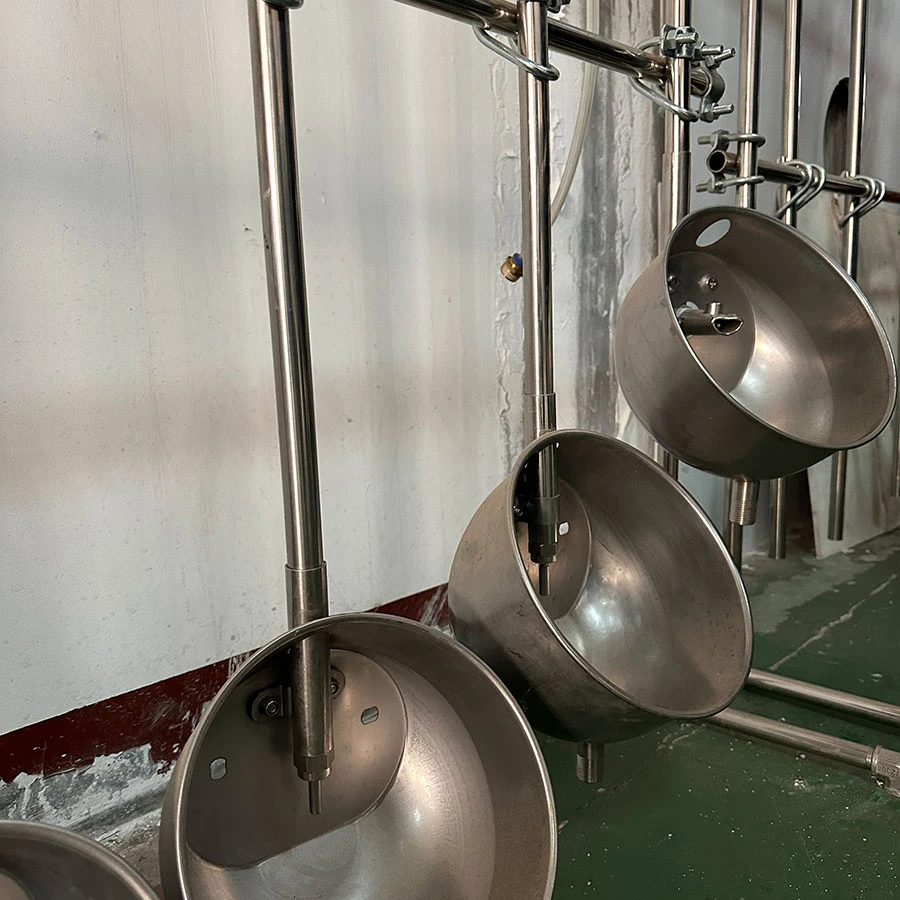
Simply put, a trough for cows is a container or receptacle designed to hold feed or water, enabling multiple animals to eat or drink comfortably and hygienically. They range from basic wooden or concrete forms to sophisticated plastic or stainless steel designs with anti-spill features or automated refilling.
Why does this matter today? Modern agriculture and humanitarian efforts intersect here. For instance, in regions hit by drought or floods, portable but sturdy feed troughs ensure cattle can access nutrition without contamination, reducing disease spread and improving survival rates.
Core Components That Define a Trough’s Practical Value
Durability: Standing Up to the Elements and Cattle
Cows are, frankly, pretty hefty and curious animals — they rub, lean, and sometimes try to chew or knock over their feeders. A durable material choice like stainless steel, HDPE plastic, or treated concrete ensures the trough withstands daily wear, UV exposure, and weather changes.
Size & Capacity: The More, The Merrier (Cows)
The ideal trough size balances between accommodating sufficient feed or water and avoiding wastage. Oversized troughs may appear beneficial but can lead to spoilage or forced overcrowding, stressing the animals.
Ease of Cleaning: Hygiene Is Half the Battle
Dirty troughs invite bacterial buildup and disease, so designs that allow quick draining or scrubbing are preferred. Smooth interiors and rounded edges help reduce trapped debris and simplify maintenance.
Portability vs. Stability
Some troughs are fixed installations, often concrete or embedded, while others are portable for rotational grazing or emergency response. Lightweight plastic variants are practical but must be stable enough to prevent tipping.
Customization & Automation
Increasingly, manufacturers incorporate sensors and automated refill mechanisms, especially for medium to large-scale farms. This reduces labor and optimizes feed usage.
In nutshell: A good trough is tough, just right in size, easy to clean, adaptable to farmer needs, and built for longevity.
Real-World Use Cases: From Farm to Disaster Relief
In East Africa, where mixed smallholder herding and agro-pastoralism dominate, portable troughs enhance feeding efficiency during dry seasons. NGOs working with pastoralists often provide durable troughs to prevent livestock decline during drought.
In industrialized countries like the US and Australia, large fixed troughs combined with automated systems support large-scale dairies, improving milk output and animal health monitoring.
Post-disaster zones, such as after floods in South Asia, see humanitarian groups installing temporary troughs to prevent livestock starvation and dehydration, stabilizing community livelihoods.
Advantages and Long-Term Value of Investing in Quality Troughs
- Cost Efficiency: Less feed waste means direct savings.
- Sustainability: Durable materials reduce plastic waste and replacement frequency.
- Animal Welfare: Clean, accessible feeding supports health and growth.
- Social Impact: Improved livestock nutrition strengthens rural economies.
- Reliability: Tough construction reduces downtime and repair costs.
It’s not just about saving money — it’s about trust and dignity for farmers and their animals. Knowing the animals get clean feed, on time, is both emotionally rewarding and practically smart.
What’s Next? The Future of Troughs for Cows
The agricultural tech boom is touching even the simplest equipment. Innovations include:
- Sustainable materials: Biodegradable composites and recycled plastics.
- Smart troughs: Sensors that track feed levels and animal feeding behavior, feeding data back via mobile apps.
- Solar-powered automated refilling: For remote farms, cutting fuel dependency.
- Modular designs: Easier transport and assembly in emergency zones.
These trends not only improve efficiency but align with global carbon neutrality and animal welfare goals (ISO 9001 and ISO 14001 standards increasingly influence these fields).
Addressing Challenges — and How to Overcome Them
Despite the advances, some common hurdles remain:
- Cost Barriers: High-tech options may be out of reach for smallholders.
- Maintenance: Dirty or broken troughs are too common, especially in resource-limited settings.
- Environmental Impact: Plastic-based troughs can add to waste if not recycled.
Custom financing plans, robust community training, and innovations in recyclable materials are practical solutions. Also, partnerships between NGOs and local manufacturers often help tailor solutions to local needs.
Quick FAQ — Troughs for Cows
- Q: What materials are best for trough durability?
- A: Stainless steel and high-density polyethylene (HDPE) are top choices for longevity and resistance to weather and chewing. Concrete is durable but less portable.
- Q: How often should troughs be cleaned?
- Ideally daily or every other day to prevent bacterial growth and avoid contamination that can cause illnesses in cattle.
- Q: Can automated troughs reduce labor costs?
- Yes, automated feeding systems with smart sensors not only cut manual work but help optimize feeding schedules.
- Q: Are portable troughs practical in large-scale farming?
- Mostly effective for rotational grazing systems or emergency feed management but fixed troughs remain standard for large dairies.
Product Specification Table: Typical Trough for Cows Models
| Model | Material | Capacity (liters) | Weight (kg) | Portability | Price (USD) |
|---|---|---|---|---|---|
| EcoFeed 120 | Recycled HDPE | 120 | 15 | Portable | $220 |
| SteelMax Pro | Stainless Steel | 250 | 45 | Fixed | $650 |
| ConcreteBase 350 | Treated Concrete | 350 | 120 | Fixed | $480 |
Vendor Comparison: Your Go-To Suppliers
| Vendor | Product Range | Pricing | Global Shipping | Customization |
|---|---|---|---|---|
| Livestock Solutions Ltd. | Basic to Premium Troughs | Mid-range | Yes | Color & size options |
| AgriTech Innovations | Smart Automated Troughs | Premium | Limited | Full tech integration |
| EcoFeed Supplies | Eco-Friendly Portable Troughs | Budget | Yes | Size & portability |
Wrapping It Up: The Last Word on Troughs for Cows
To put it simply: investing in the right trough for cows is about more than just placing a container here and there. It’s about advancing animal welfare, improving farm sustainability, and enhancing food security for billions. From a smallholder in Kenya managing a few cows to a massive dairy operation in New Zealand, the right feeding setup impacts everything from health to livelihoods.
Want to learn more or scout for your ideal trough? Check out https://www.cxlivestock.com — the perfect stop for anyone serious about animal nutrition solutions.
References:
Post time: Dec . 02, 2025