Understanding Swine Farrowing Crates: Why They Matter Worldwide
Whether you're a seasoned livestock professional or just vaguely curious about agricultural innovations, the term swine farrowing crate might ring a bell. These specialized enclosures have a big role in the global pork industry — a sector that produces about 120 million metric tons of pork yearly (FAO, 2023). But the importance of these crates goes beyond just numbers; they influence animal welfare, farm profitability, and even global food security. Understanding how swine farrowing crates operate and their benefits is crucial, especially as the demand for sustainable, efficient pig farming continues to rise worldwide.
Swine farrowing crates represent a fusion of animal husbandry tradition and modern design philosophy – which means they are not just simple pens, but crafted solutions addressing real challenges in breeding sows and protecting newborn piglets.
The Global Context: Why Swine Farrowing Crates Take Center Stage
In many countries, pork is a dietary staple and a cornerstone of local economies. According to the World Bank, Asia alone accounts for nearly 60% of pork consumption, with China leading the charge. However, piglet mortality rates have long troubled farmers everywhere, sometimes reaching up to 25% in less controlled environments (UN FAO, 2022). This is where swine farrowing crates come in — they aim to reduce crushing, improve piglet survival, and streamline farm management.
Moreover, concerns over animal welfare have sparked both regulatory reforms and consumer demands, particularly in the EU and North America. The tricky part? Balancing sow comfort and productivity with piglet safety in a cost-effective way. Swine farrowing crates have been designed to address this narrow pathway, but the debate around their use continues globally.
What Exactly Is a Swine Farrowing Crate?
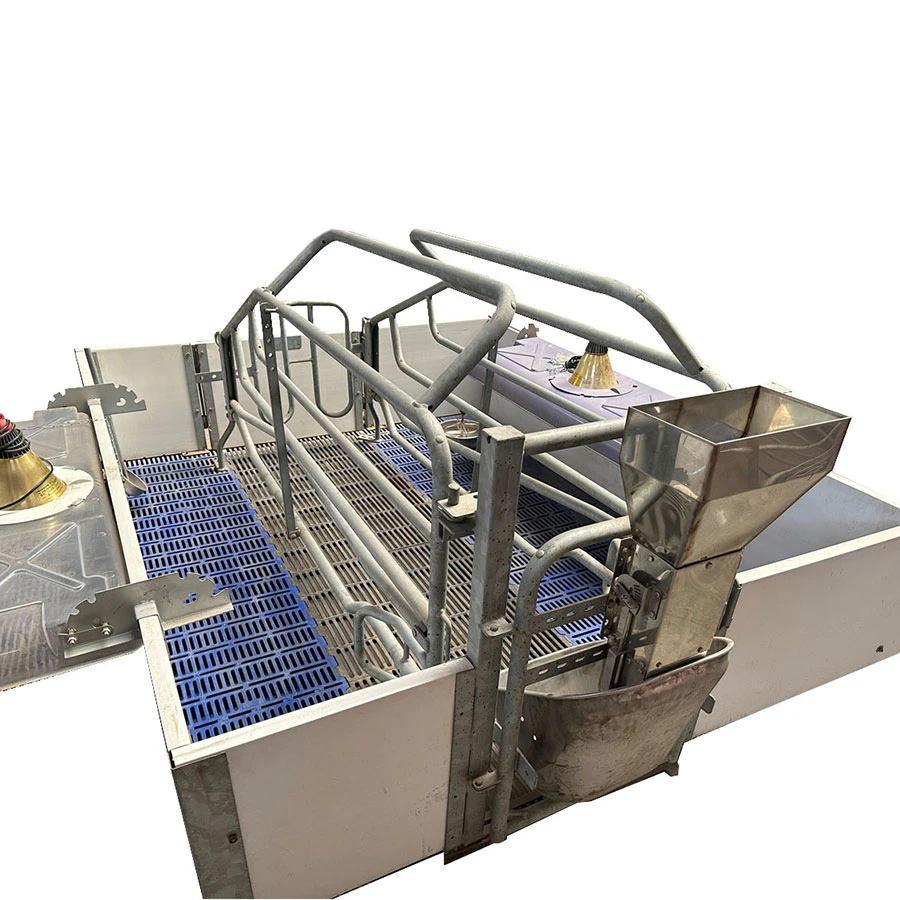
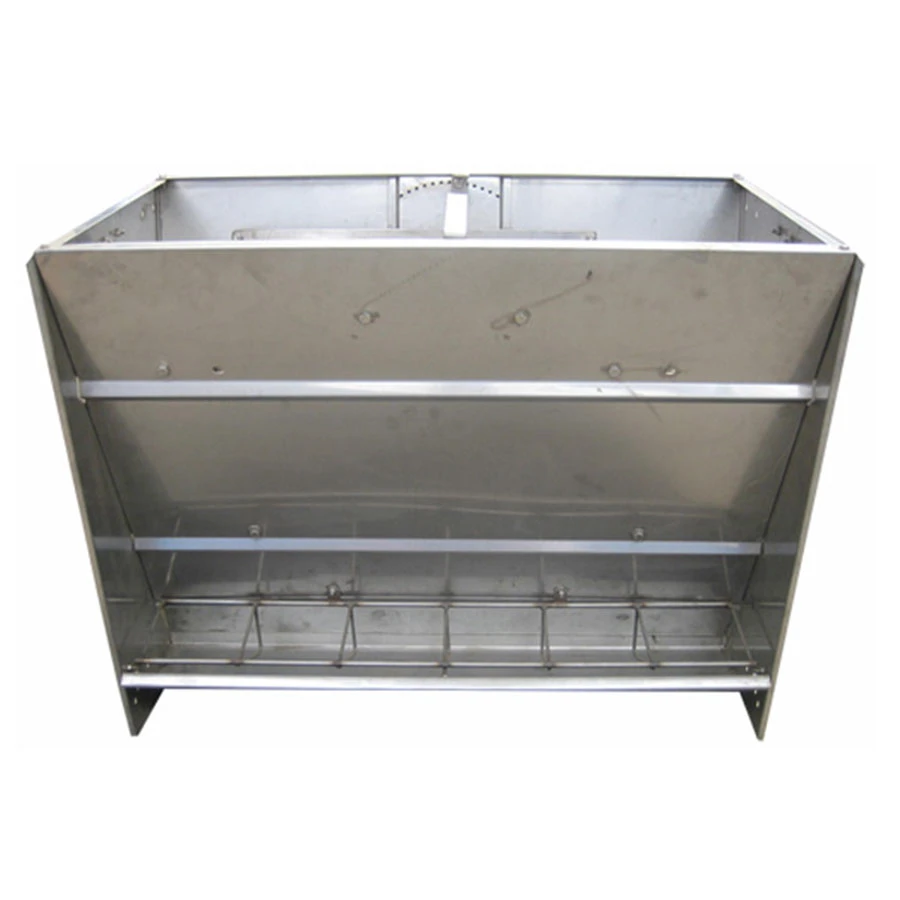
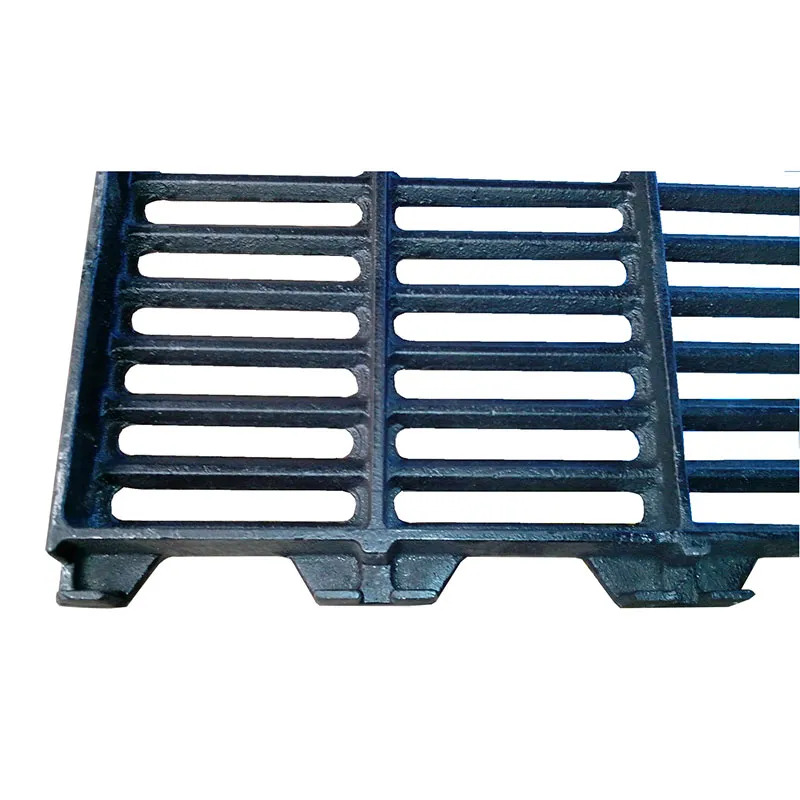
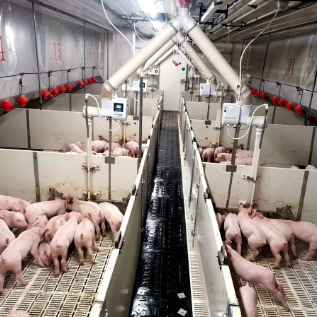
Put simply, a swine farrowing crate is a metal or plastic pen where a mother sow is confined during the birthing (farrowing) period and while nursing piglets. The crate restricts the sow's movement enough to prevent accidental crushing of her piglets, yet still allows her to lie down, eat, and nurse. These crates typically include a slatted floor for waste drainage, feeding troughs, and a separate heated area — often called a "creep area" — where piglets can warm themselves without risk from the sow’s movements.
In a way, farrowing crates are a product of both necessity and compromise — they serve modern intensive farming demands while trying to provide a safer, cleaner environment during one of the most vulnerable stages of a piglet’s life.
Core Components of Swine Farrowing Crates
Durability and Materials
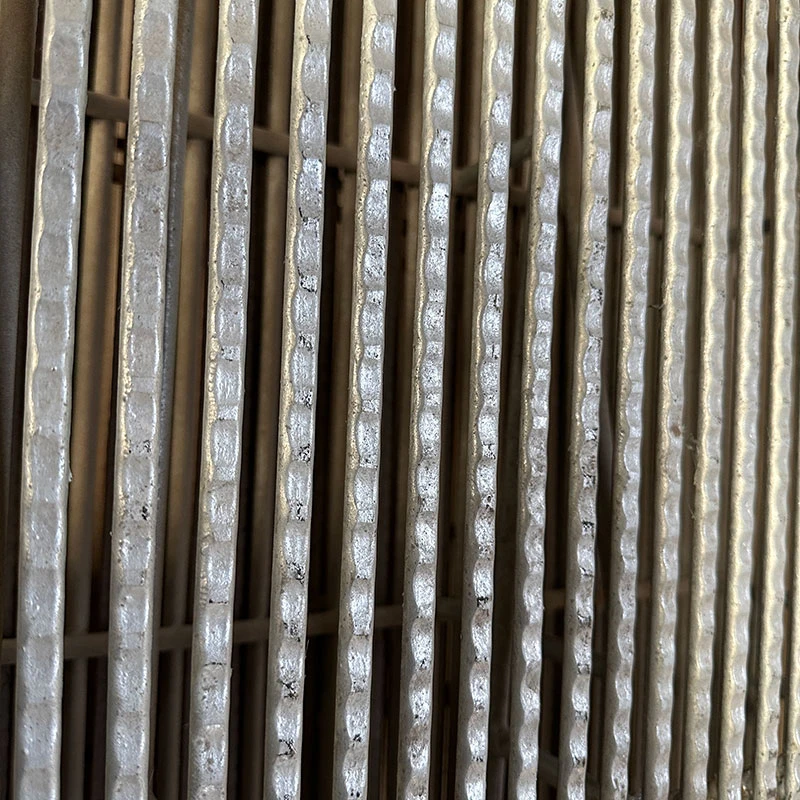
Most crates are constructed from galvanized steel or coated aluminum, ensuring resistance to urine and manure corrosion. The choice of materials affects lifespan — many crates last 10–15 years under heavy use, provided they are cleaned regularly. Manufacturers also sometimes use plastic panels for easier maintenance and improved hygiene.
Space and Design Ergonomics
Dimensions are crucial: a typical sow requires around 6 feet of length and 21–24 inches width to prevent excessive movement but minimize stress. Meanwhile, the adjacent creep area must be sufficiently warm and accessible. Hit too small or too confining, and it leads to sow distress; too large, and you risk piglets getting crushed or cold.
Scalability for Farm Size
Whether you run a small family farm or a large commercial operation, farrowing crates come in modular designs that let you add or remove units quickly. Many farmers appreciate systems that integrate well with automated feeding and cleaning equipment, which cut labor overhead dramatically.
Cost Efficiency
While the upfront investment can be significant, the reduction in piglet mortality and labor costs often pays back quickly — sometimes within a single farrowing cycle. Additionally, good crates optimize feed use and manure handling, creating ongoing savings.
Animal Welfare Features
Some modern crates include adjustable gating, softer flooring, and electronic monitoring to better track sow health and movement. These features help farms meet increasingly strict animal welfare standards and consumer expectations.
Easy Cleaning and Maintenance
Because farrowing crates need daily cleaning to maintain hygiene, easy access and rust-proof materials are essential. Slatted floors improve drainage but require regular clearing.
Real-World Uses and Global Applications
You see swine farrowing crates pretty much wherever commercial pig farming is practiced — Europe, the US, China, Brazil, and increasingly in emerging markets. For example:
- EU farms: Often equipped with high-tech, welfare-certified crates aligned with strict regulations.
- US midwest: Large concentrated operations use farrowing crates alongside electronic feed monitoring.
- China and Southeast Asia: Growing commercial farms adopt crates to improve piglet survival amid rising pork demand.
- Developing regions: NGOs and agricultural extension programs sometimes introduce affordable crate systems to increase returns from small-scale pig farming.
Interestingly, humanitarian efforts in food security often recommend improved swine husbandry including farrowing crates because pork is a calorie-dense and culturally acceptable protein source in many parts of the world.
Mini takeaway:
The swine farrowing crate’s design and application may appear straightforward, but its role spans welfare, economic, and even global food security concerns — quite a lot packed into a humble pen!
| Feature | Specification | Notes |
|---|---|---|
| Material | Galvanized steel or aluminum alloy | Corrosion-resistant coating applied |
| Length | ~180–190 cm (70–75 inches) | Fits most adult sows comfortably |
| Width | ~55–60 cm (21–24 inches) | Limits excessive movement to prevent crushing |
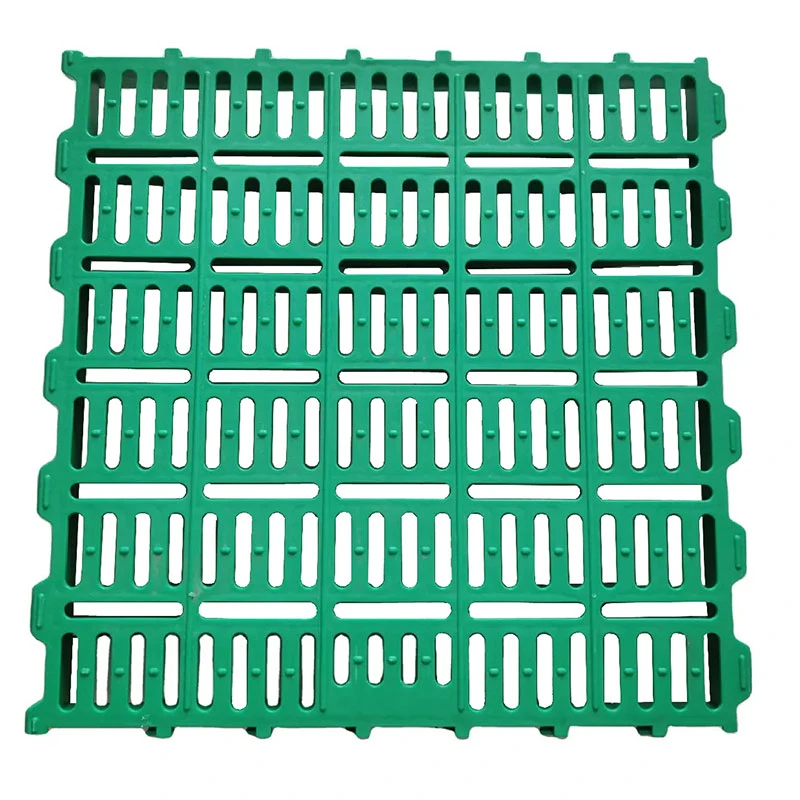
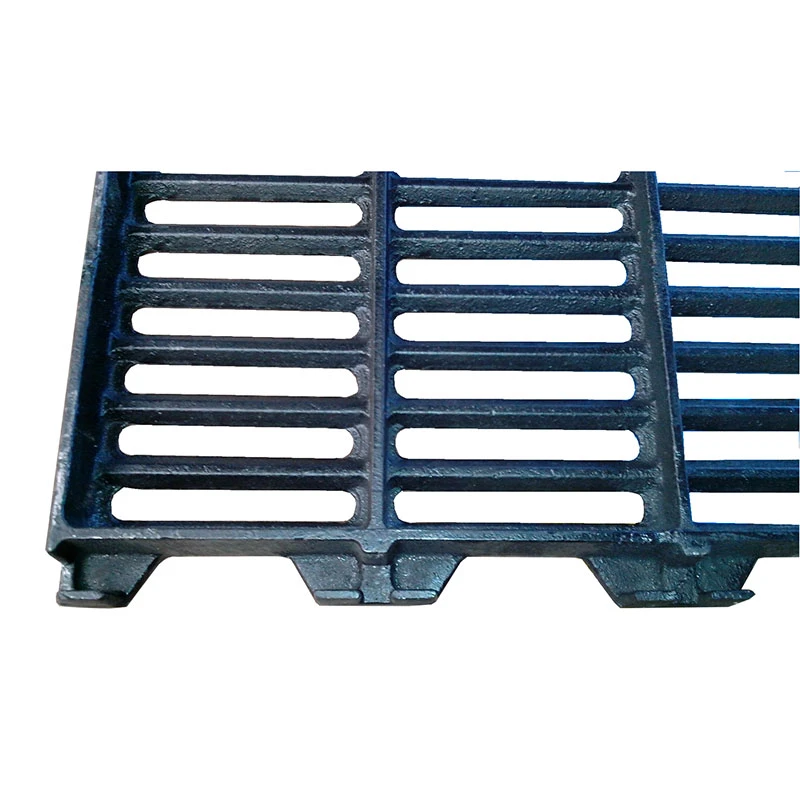
| Floor type | Plastic slatted or metal grid | Allows drainage and easy cleaning |
| Heating | Optional heat lamps or mats in creep zone | Ensures piglets stay warm safely |
| Weight support | Up to 300 kg (660 lbs) | Accommodates large sows |
Advantages and Long-Term Value of Swine Farrowing Crates
The benefits are multifaceted. First and foremost, these crates significantly reduce piglet mortality — which is just an obvious win. Fewer piglets lost means better farm profitability and less wasted resources.
Beyond economics, there's the welfare angle. Many farmers report that well-designed crates allow the sow to rest more calmly and nurse effectively. Plus, there’s an emotional comfort in knowing your animals aren’t unintentionally harmed during their most vulnerable moments.
From a sustainability perspective, crates that facilitate cleaner environments reduce disease risks and antibiotic use — a big topic as the world pushes to combat antimicrobial resistance.
And if you think about it, innovation in farrowing crates helps trust build between producers and consumers — especially those who increasingly ask, “Was this pork raised responsibly?”
Looking Ahead: Innovations and Future Trends in Crate Design
The industry isn’t standing still. Advances include integrating automated monitoring systems: sensors now can track sow activity, feeding times, and even body temperature to alert farmers to health issues early. Green energy initiatives have also inspired solar-powered heating in creep areas, reducing energy costs.
Material science is moving toward lighter, stronger composites that resist biofilms and are easier to sanitize. Animal welfare advocates push for even more adjustable designs, allowing sows more natural movement while protecting piglets.
Oh, and smart farming concepts — linking crates to IoT platforms — will soon provide massive data insights, all to boost efficiency and welfare simultaneously.
Challenges Farmers Face and Solutions at Hand
Despite their benefits, farrowing crates face criticism regarding sow confinement and associated stress. Not every design fits every farm, and costs can be prohibitive for smallholders.
Experts recommend considering adjustable or partial confinement systems, combining crates with enriched environments. Moreover, training farmers in best practices ensures crates serve their purpose without causing unintended harm.
Many suppliers now offer modular designs at flexible price points, along with loans or subsidies in developing nations, which helps overcome upfront barriers.
| Vendor | Price Range (USD) | Material | Customization | Extra Features |
|---|---|---|---|---|
| AgriCo | $350–$500 | Galvanized steel | Standard sizes, limited mods | Basic heating options |
| FarmPro Solutions | $400–$650 | Aluminum & composite panels | Fully customizable dimensions | Integrated IoT sensor kits |
| GreenPig Tech | $370–$550 | Recycled plastics | Eco-friendly designs | Solar-powered heating |
FAQs About Swine Farrowing Crates
- Q: How does a swine farrowing crate improve piglet survival rates?
- A: By restricting the sow’s movement sufficiently, farrowing crates drastically reduce accidental crushing of piglets, one of the top causes of mortality during farrowing periods. Plus, they create a warm, secure space for nursing and resting.
- Q: Are farrowing crates harmful to sow welfare?
- A: It depends on the design and management. Modern crates often balance confinement with comfort features. Supplementing them with environmental enrichments and careful monitoring helps mitigate stress.
- Q: Can small-scale farmers afford swine farrowing crates?
- A: Initially, there’s cost, but many suppliers offer modular or scaled options within modest budgets. Also, improved piglet survival can lead to a quick return on investment.
- Q: What maintenance is required for a farrowing crate?
- A: Daily cleaning and occasional inspection for rust or damage are standard. Choosing corrosion-resistant materials and slatted floors reduces workload over time.
- Q: Are there environmentally friendly farrowing crate options?
- A: Yes. Several manufacturers use recycled plastics, solar heating, and modular designs to reduce environmental footprints.
Wrapping Up: The Last Word on Swine Farrowing Crates
Swine farrowing crates are a real-life example of how thoughtful engineering meets agricultural needs — improving piglet survival, enhancing animal welfare, and boosting farm efficiency. They’re not perfect, but with smart design and evolving technology, they continue to be central to sustainable pork production worldwide.
If you’re ready to explore practical, reliable swine farrowing crates to upgrade your livestock operation, take a look at trusted suppliers and product lines at https://www.cxlivestock.com. The future of pig farming, in all its complexity and promise, might just start from the crate.
References
Post time: Dec . 02, 2025