Why Stainless Steel Feeders Matter in Today's Global Markets
If you've ever worked in industries like agriculture, food processing, or animal husbandry, you probably appreciate the steady hum of a well-built feeder. Stainless steel feeders — those unsung workhorses — quietly but surely shape how we deliver feed with efficiency, hygiene, and sustainability. In a world where demand for reliable, clean, and durable feeding systems grows every year, understanding the mechanics and benefits of stainless steel feeders isn't just some industrial niche topic: it’s critical for ensuring quality, reducing waste, and supporting global food chains.
Introduction: The Global Importance of Stainless Steel Feeders
Today, the global food production system faces notable pressures—climate variability, rising populations, and the urgent need to minimize waste and contamination. According to the Food and Agriculture Organization (FAO), improving feed efficiency can significantly raise productivity without expanding farming footprints. Stainless steel feeders have emerged as a frontier solution: they address contamination issues common in plastic or wooden feeders and resist corrosion and damage even in harsh environments.
In a 2023 report from the International Organization for Standardization (ISO), the use of stainless steel feeders in large-scale livestock farms showed a 12% boost in feed delivery efficiency and simultaneously reduced feeder replacements by 30% over five years. This not only impacts bottom lines but plays a key role in sustainable agriculture.
Mini takeaway:
Stainless steel feeders aren't just “nice to have” — they represent a practical answer to food safety, economic efficiency, and sustainable farming in a rapidly changing world.
Defining the Stainless Steel Feeder: What Is It Exactly?
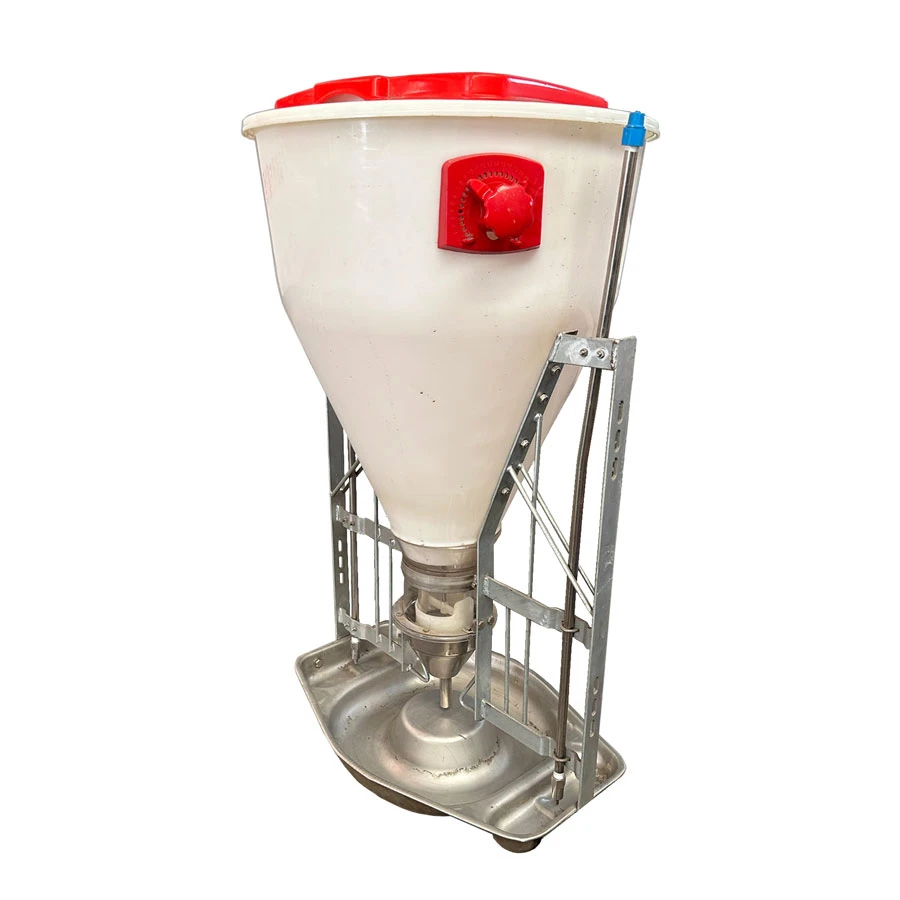
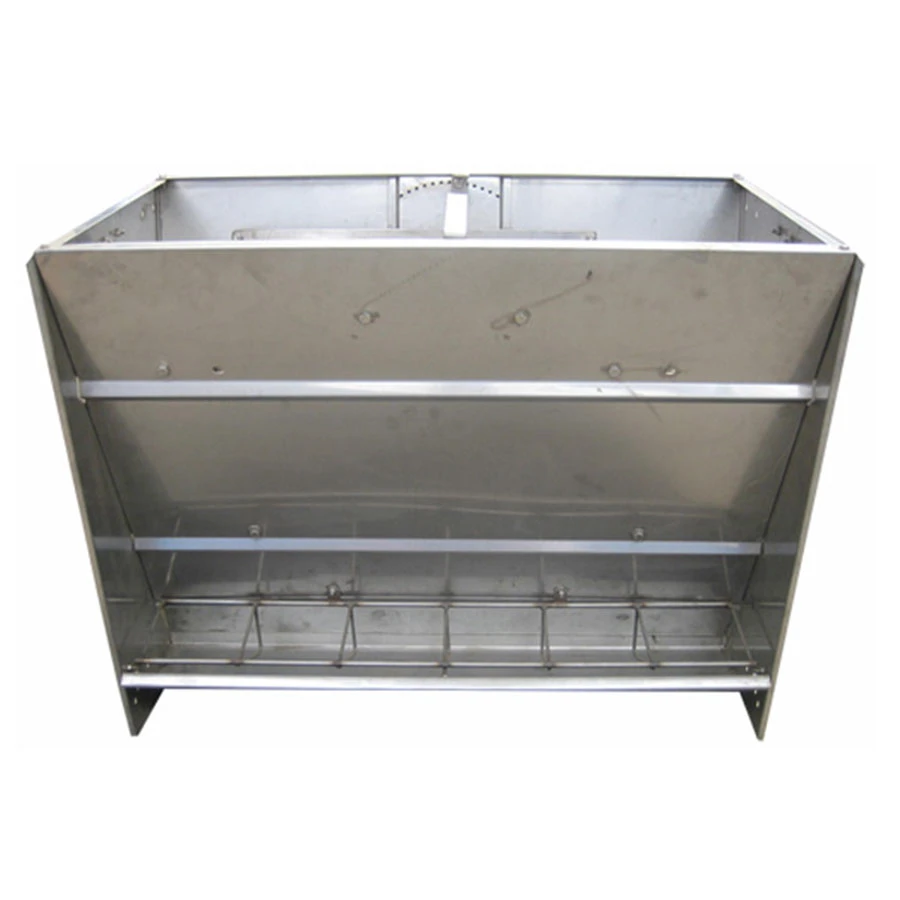
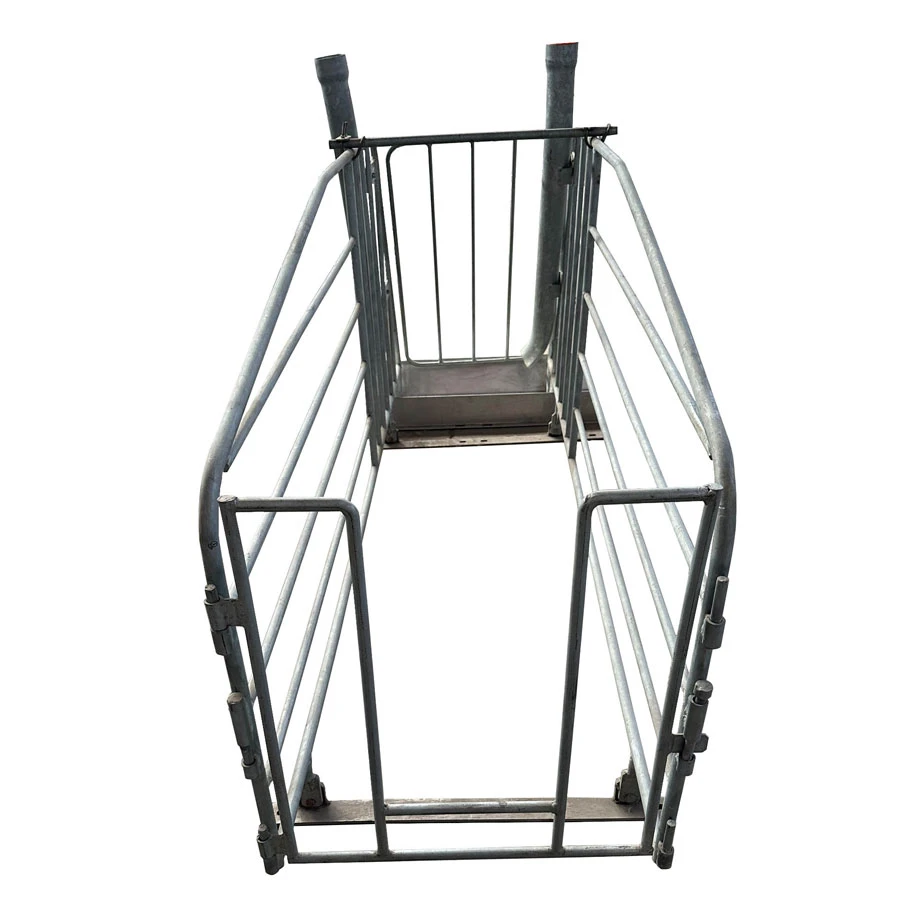
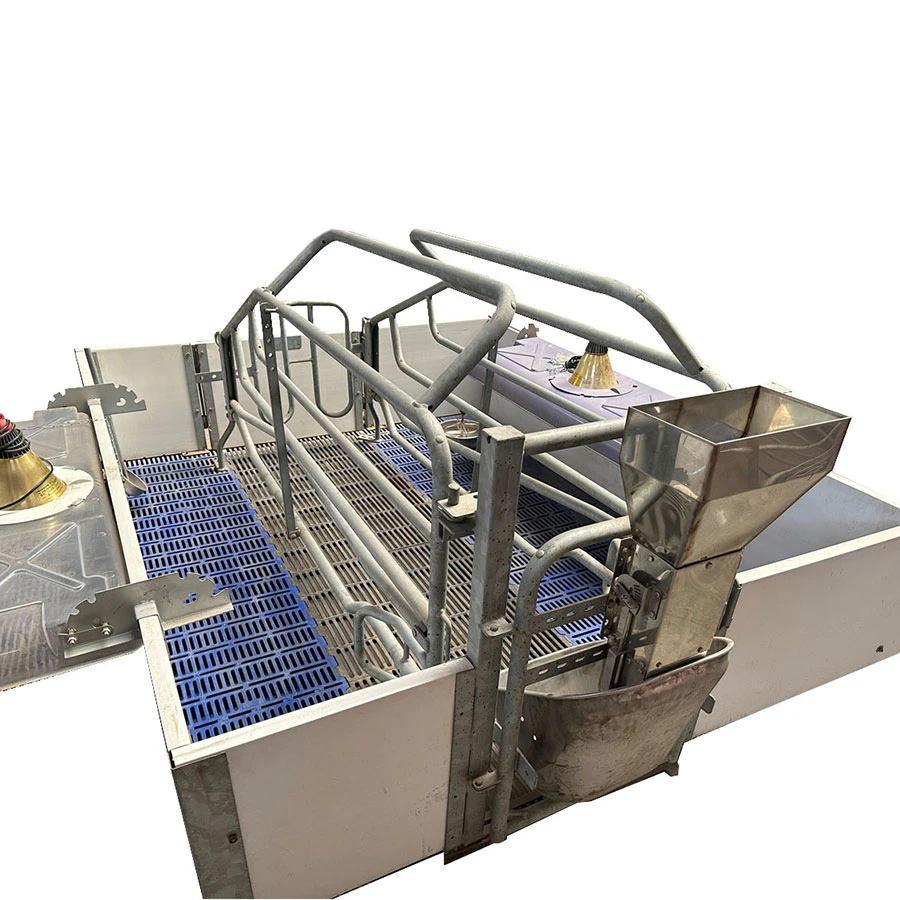
Simply put, a stainless steel feeder is a device designed to dispense food or feed—think grains, pellets, or mash—to animals, usually in agricultural or industrial settings. What makes it distinctive? The material. Stainless steel offers resistance to rust, bacteria, and physical wear unlike any other common feeder material. This quality ensures the feeder maintains hygienic conditions over long periods.
More than just a fancy metal container, these feeders link directly to modern trends emphasizing animal welfare, efficient resource use, and even humanitarian logistics. For instance, in disaster relief, portable stainless steel feeders have been deployed to ensure livestock survival in displaced farming communities—proving their wider social impact.
Core Components and Key Aspects of Stainless Steel Feeders
Durability and Longevity
Stainless steel’s natural corrosion resistance means feeders last years longer in environments where moisture or corrosive elements are present. Many engineers note how the investment upfront pays dividends as fewer replacements and repairs are needed.
Hygiene and Food Safety
Regular cleaning without risk of material degradation keeps bacterial contamination at bay. This is especially critical in poultry farms or food processing plants where health regulations are strict.
Customization and Scalability
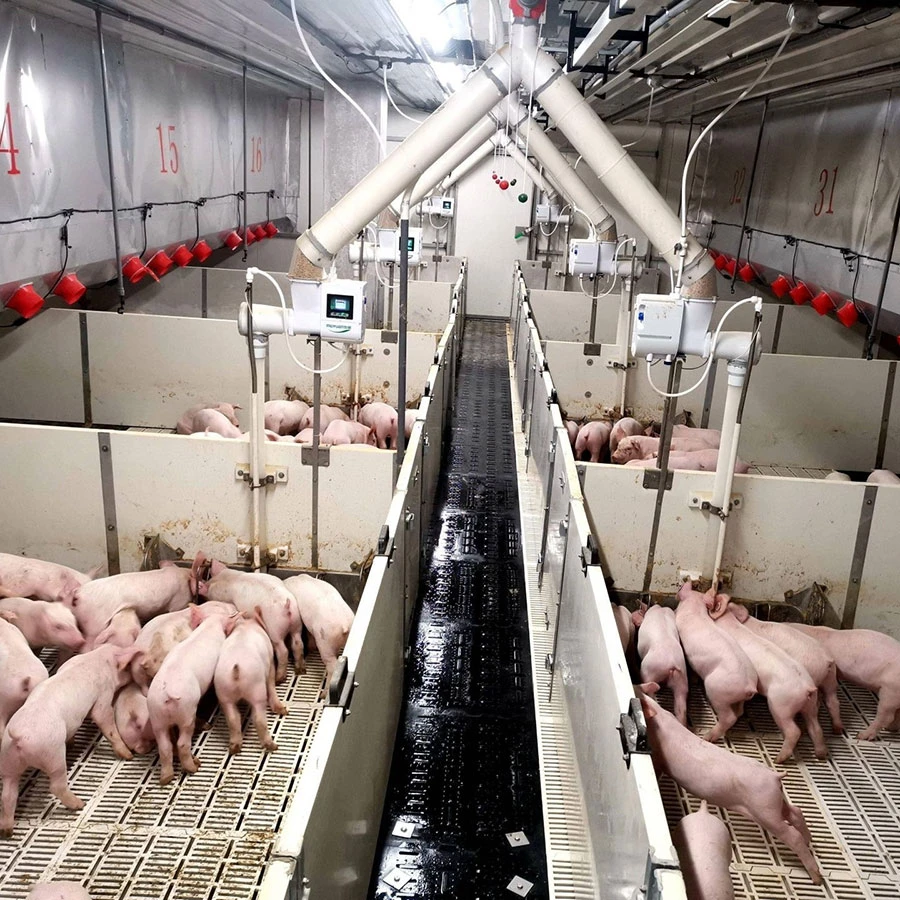
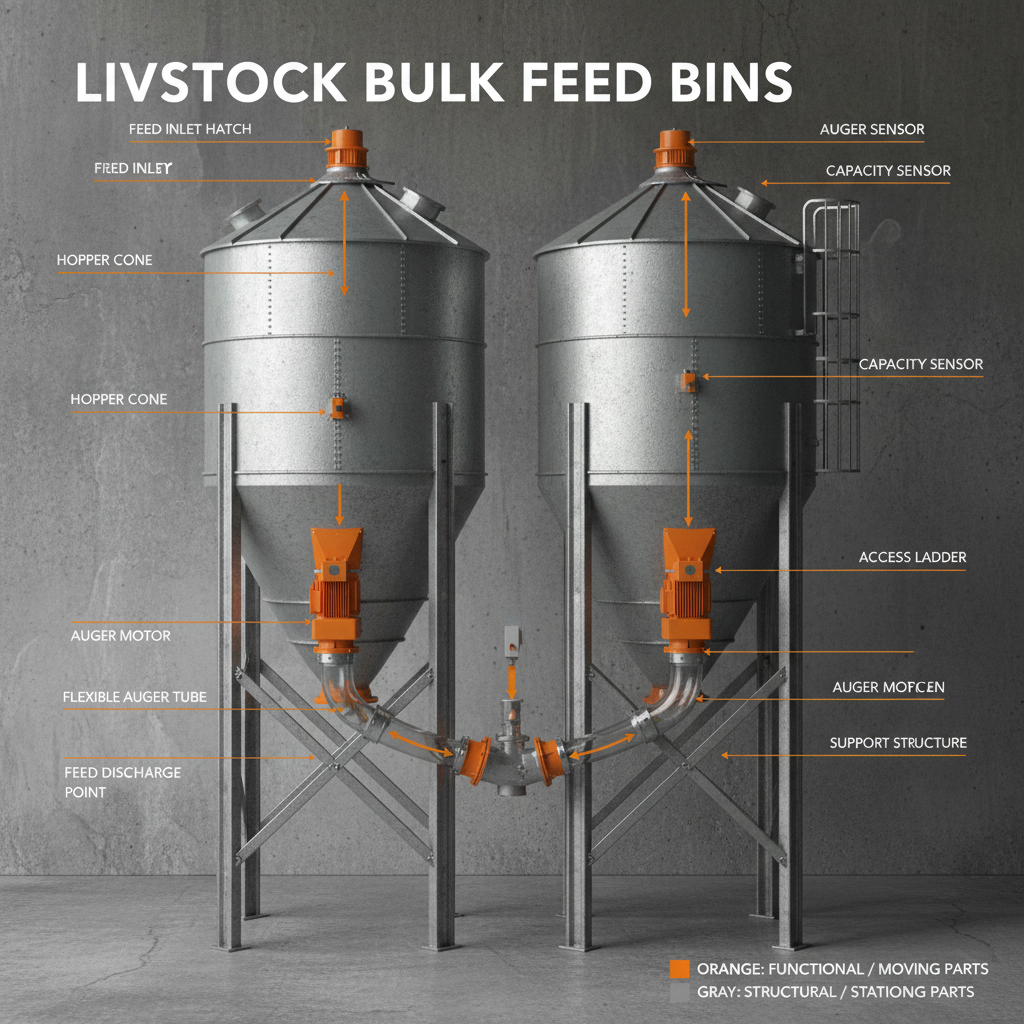
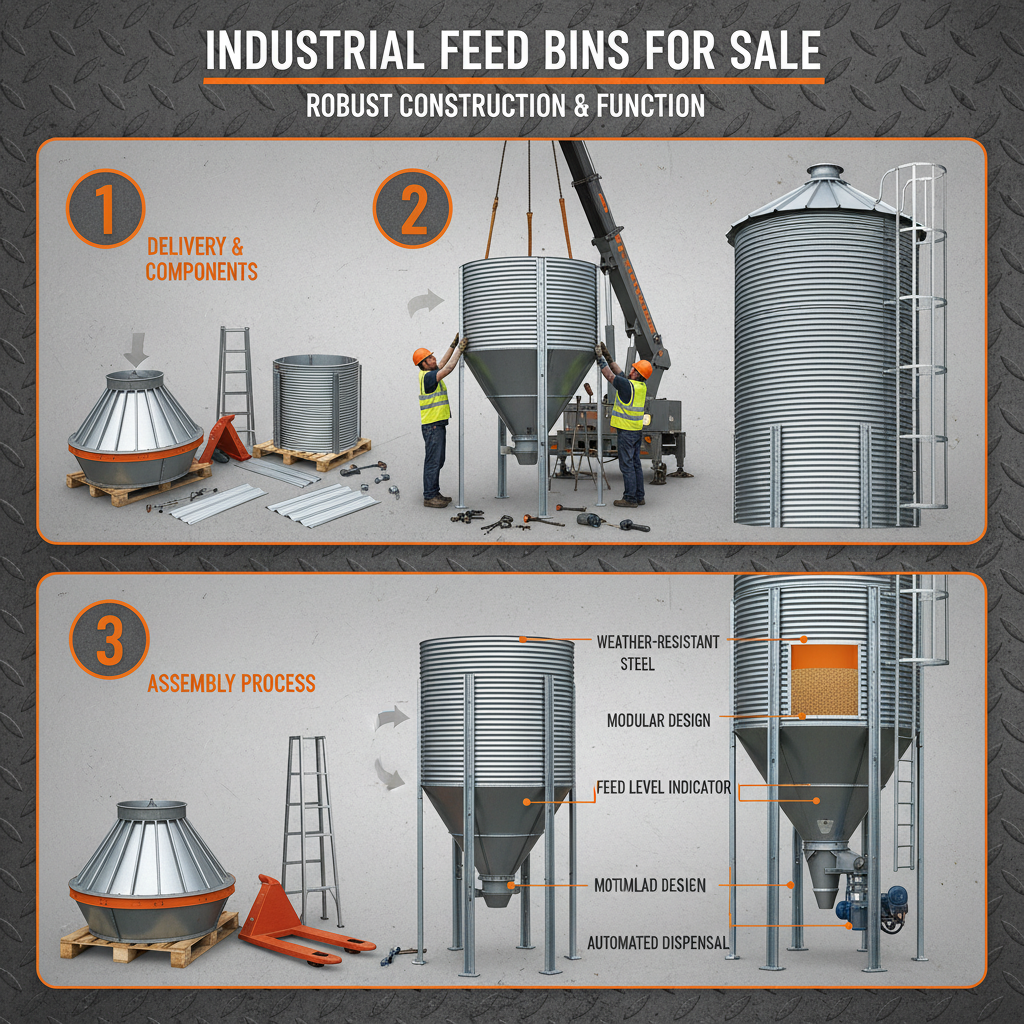
From small-scale feeders for rural households to large automated systems in industrial farms, stainless steel feeders adapt easily through modular designs. Vendors often offer tailor-made sizes and shapes that match different species and feeding habits.
Cost Efficiency Over Time
Despite initial higher prices compared to plastic, the lower maintenance and replacement rates translate to reduced total cost of ownership—another reason many commercial enterprises prefer stainless steel feeders.
Environmental Sustainability
Recycling and reduced waste generation factor into sustainability goals. Stainless steel can often be fully recycled, contrasting with plastics that contribute long-term waste.
Ease of Integration with Technology
Modern feeders may incorporate sensors or automated controls, and stainless steel frames often serve as strong, safe housings for such innovations.
Mini takeaway:
These core features make stainless steel feeders not merely feeding tools, but important assets for operational efficiency and sustainability.
Worldwide Uses and Industry Applications
Stainless steel feeders find homes in a surprisingly diverse array of environments:
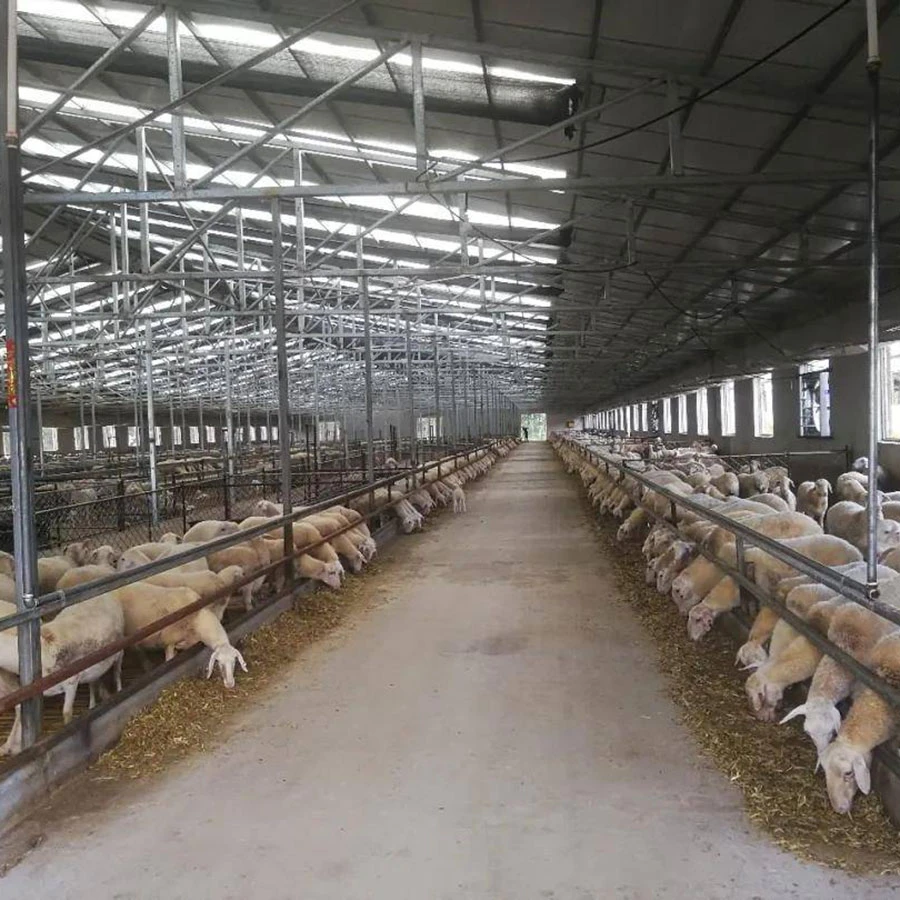
- Agriculture: From free-range poultry farms in Europe to cattle ranches in the Americas.
- Food Processing Plants: Ensuring hygienic feed delivery in controlled production lines.
- Disaster Relief: Portable feeders used by NGOs in Africa and Asia to support livestock recovery.
- Research Facilities: Feeding labs where animal health monitoring requires sterile equipment.
For example, a large-scale dairy farm in New Zealand recently switched to stainless steel feeders to improve hygiene and reduce mold-related issues during humid months, leading to healthier herds and higher milk output.
Mini takeaway:
Whether in high-tech farms or challenging remote zones, stainless steel feeders adapt, proving their versatility and essential role in feeding systems.
Product Specification Table: Typical Stainless Steel Feeder Features
| Feature | Description |
|---|---|
| Material Grade | 304 or 316 stainless steel |
| Capacity | From 5 to 100 kilograms |
| Dimensions | Custom sizes available, standard from 30x30x50 cm |
| Coating | Polished finish for easy cleaning |
| Automation | Optional sensor integration available |
| Weight | Ranges from 4 to 20 kg depending on size |
Vendor Comparison: Leading Stainless Steel Feeder Providers
| Vendor | Range of Products | Customization | Price Range | Lead Time |
|---|---|---|---|---|
| AgriSteel Systems | Wide: small to industrial | High (tailored solutions) | $$$ (premium) | 4-6 weeks |
| FarmEquip Co. | Medium range | Medium (standard plus mod.) | $$ | 2-4 weeks |
| EcoFeed Solutions | Small batch, portable | Low (mostly fixed models) | $ | 1-3 weeks |
The Long-Term Value and Advantages of Stainless Steel Feeders
Cost savings aside, the beauty of stainless steel feeders lies in their reliability. When animals depend on steady nutrition, you want systems that won’t buckle under weather swings, rust, or daily wear-and-tear. Many livestock managers report peace of mind from not having to deal with feeder failures mid-cycle.
Emotionally, these feeders also contribute to animal welfare — a factor that customers and regulatory bodies increasingly demand. Clean, rust-free feeders help maintain dignity for both animals and farmers by minimizing illness and ensuring fair access to food.
Mini takeaway:
In real terms, stainless steel feeders pay for themselves through durability, food safety, and aligning with modern expectations around sustainable farming and animal care.
Future Trends: What's Next for Stainless Steel Feeder Technology?
Oddly enough, even something as straightforward as a feeder is evolving. Automation and sensor-based feeding control systems tied to stainless steel hardware allow for precise rationing and waste reduction. Green manufacturing processes now target stainless steel's carbon footprint, using recycled alloys and energy-efficient production.
Some firms explore smart feeders connected to IoT platforms, monitoring feed levels or animal eating patterns in real-time to optimize health and efficiency. The trend toward modular, easy-to-transport units means such feeders could be instrumental in emerging markets and humanitarian efforts alike.
Challenges in the Field and How They Are Overcome
Stainless steel feeders aren’t without quirks. The initial purchase price can deter smaller farms. Also, though corrosion-resistant, they require proper maintenance to stay in top shape. Weight is sometimes a factor too—heavier than alternatives, which can make manual handling tricky.
Thankfully, technological advances like lightweight alloys and modular designs address these issues. Financing arrangements and leasing options help smaller operations enter the game. Training programs teach best maintenance practices, ensuring longevity.
FAQ: Common Questions About Stainless Steel Feeders
- Q1: Are stainless steel feeders suitable for outdoor use in humid climates?
- A: Absolutely. Stainless steel’s corrosion resistance, particularly grades 316 and higher, make these feeders reliable even in humid or coastal environments. Proper cleaning and occasional maintenance further prolong lifespan.
- Q2: How customizable can a stainless steel feeder be?
- A: Quite customizable. Vendors often offer tailored dimensions, capacities, and integration with automated systems. This flexibility helps meet species-specific feeding behaviors and operational scales.
- Q3: Do stainless steel feeders improve animal health?
- A: Yes, indirectly but significantly. Their hygienic nature reduces disease risks linked to feed contamination, ensuring animals receive clean, unspoiled nutrition.
- Q4: How does the cost compare to plastic feeders in the long run?
- A: While the upfront cost is higher, stainless steel feeders require fewer replacements and fewer repairs, typically resulting in lower total cost over several years.
- Q5: Can these feeders be used in conjunction with automatic feeding systems?
- A: Indeed. Stainless steel feeders are ideal housings for sensors and automated controls, enabling modern smart farming setups.
Conclusion: Why Invest in Stainless Steel Feeders Today?
When you consider durability, hygiene, sustainability, and adaptability, stainless steel feeders clearly offer more than temporary convenience — they forge lasting value in diverse agricultural and industrial settings. Whether you run a high-tech farm or support livestock in humanitarian efforts, their design and function make daily feeding smoother and more efficient.
Interested in upgrading your feeding systems? Visit our website for detailed options and consultations at https://www.cxlivestock.com. Because feeding right is the first step to thriving.
References
Post time: Dec . 03, 2025