Small Feed Silos: The Unsung Heroes of Efficient Livestock Farming
After more than a decade working with industrial equipment—especially in the agricultural sector—I’ve learned that sometimes it’s the smaller components that make the biggest difference. Take small feed silos, for instance. They might not be as flashy or towering as their giant cousins, but their role in the smooth running of a farm is absolutely vital.
Here’s something I’ve noticed: in real terms, the best small feed silos balance capacity with durability and user-friendliness. Whether you’re managing a mid-sized dairy or a poultry operation, these silos need to be flexible enough to fit your feeding schedule, tough enough to withstand the elements, and simple enough for quick emptying and cleaning. Frankly, that’s a tougher combo than it sounds.
Oddly enough, many engineers I’ve met say that the design of these silos has barely changed over the last two decades, but in practice, there are some neat innovations creeping in. For example, powder-coated steel builds have become increasingly popular, offering more corrosion resistance compared to traditional galvanized options. Some silos now include built-in moisture sensors or even remote monitoring tech, which is pretty cool if you ask me.
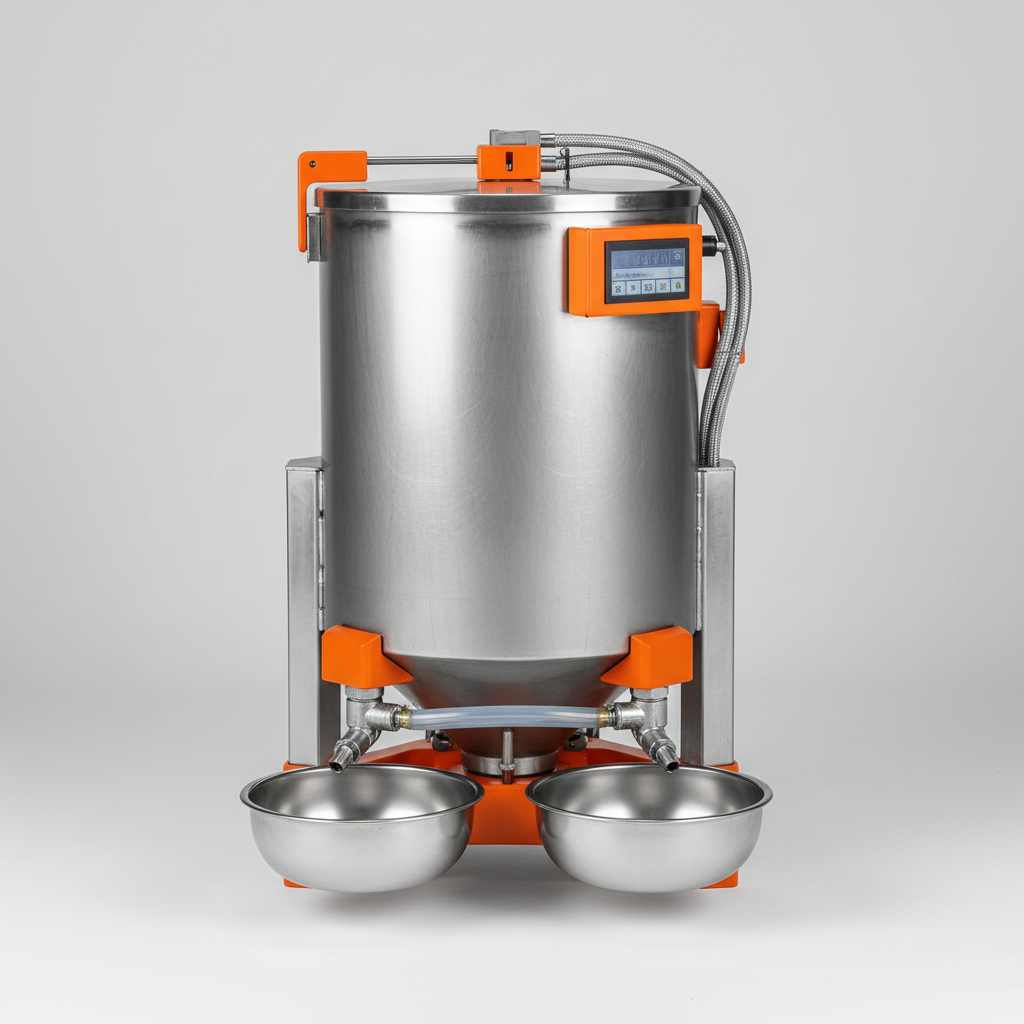
Here’s a quick look at a typical small feed silo’s core specs, just to give you an idea of what I mean:
| Specification | Details |
|---|---|
| Capacity | 1,000 to 5,000 kg |
| Material | Powder-coated steel or galvanized steel |
| Dimensions | Varies; typically 1.5–3 meters tall |
| Features | Easy access cleaning ports, moisture sensors (optional) |
| Installation | Free-standing or mounted on steel frames |
Now, when it comes to choosing a supplier, you kind of want someone with a good pedigree but also flexibility in the product line. Not every farm matches a one-size-fits-all solution. So here’s a simple vendor comparison I pulled together based on experience and feedback:
| Vendor | Material Options | Customization | Tech Features | Lead Time |
|---|---|---|---|---|
| CX Livestock | Powder-coated steel, galvanized | Custom heights, port locations | Optional moisture sensors | 2-4 weeks |
| AgriMax | Galvanized only | Limited | None | 3-5 weeks |
| FarmEquip Co. | Powder-coated steel | Standard models only | Basic level sensor | 1-2 weeks |
I remember one client I worked with, a cattle farmer in Nebraska, who swore by their small feed silo from CX Livestock. They told me it was a game changer because it helped avoid feed spoilage during the humid summer months—thanks largely to the high-quality coating and the moisture sensor option. That kind of on-the-ground feedback feels more meaningful to me than just cold specs.
Of course, small feed silos aren’t without challenges. Dust buildup can cause clogs, and sometimes the silos can’t handle sudden surges in feed volume without modification. But honestly, those issues aren’t unique to small silos — they come down to maintenance and knowing your daily feed cycles.
So, if you’re considering a small feed silo for your farm, think about what you really need: capacity, customization, and maybe a touch of technology to make your routine a little bit easier. With the right choice, these humble silos can quietly save time and money in ways you might not expect.
As always, I think it pays off to invest time upfront—shopping around and asking suppliers the right questions. It’s kind of like farming itself: a little care yields big rewards.
Thanks for reading. Hopefully, the small feed silo turns out to be a “small” topic with some big impact for your operation.
References
- Livestock Feed Storage Best Practices, AgriTech Journal, 2022.
- Design Innovations in Feed Silos, Industrial Equipment Reviews, 2023.
- Customer Feedback: CX Livestock, Nebraska Cattle Farmer, 2023.
Post time: Jan . 05, 2026