The Single Cow Headlock: Unlocking Efficiency in Livestock Management
When managing livestock, every detail counts—from the animal’s welfare to operational efficiency. One device that speaks volumes in this space is the single cow headlock. Though it might sound like a simple contraption, it’s a small piece of equipment with a global footprint that resonates through dairy farms, veterinary practices, and animal welfare programs worldwide.
Why does it matter? Well, livestock farming is a critical element feeding millions and supporting rural economies. Efficient herd management tools like the single cow headlock help increase productivity, improve safety, and boost sustainability — all of which are crucial for feeding a growing population on a planet with limited resources.
single cow headlock is just one example of how smart design joins with practical needs in the complex world of livestock care. So, buckle up, and let’s dig into what makes this device so important globally and how it’s shaping the future of animal husbandry.Introduction: Putting the Single Cow Headlock in Global Perspective
Globally, dairy and beef industries represent a multi-billion-dollar backbone for many economies. According to the UN FAO, livestock supports the livelihoods of nearly 1.3 billion people worldwide. But here’s the kicker: managing large herds efficiently is a challenge. Ensuring safety for handlers while reducing stress on animals demands clever solutions, especially given varying farm sizes, from small family setups to sprawling commercial operations.
The single cow headlock addresses this. It’s a device designed to restrain an individual animal’s head for veterinary care, feeding, or observation. It helps operators save time and reduces injuries—both animal and human. For example, improper restraint techniques can lead to cattle stress or even accidents that cause economic loss.
Considering the estimated 1.5 billion cattle worldwide (yes, that’s billion), any efficiency gains multiply quickly. It’s no wonder farmers and vets alike demand headlocks that are durable, easy to use, and safe.
What Is a Single Cow Headlock?
At its core, a single cow headlock is a restraint device that holds a cow’s head gently but firmly. Made of metal bars and locking mechanisms, it secures an individual animal so that procedures like vaccination, hoof trimming, or feeding can be done safely. Unlike full-body chutes, headlocks allow for quick access and quicker turnover—ideal for daily farm routines.
This device isn’t only about practicality, though—it’s connected to broader community needs. For instance:
- It enables humane handling, aligning with modern animal welfare standards (ISO 10993-10 for biocompatibility and stress reduction).
- It contributes to safer labor conditions in livestock farming (crucial in regions with heavy reliance on agriculture labor).
In short, single cow headlocks are a lifeline for modern, sustainable, and ethical livestock management.
Core Aspects of Single Cow Headlocks
Durability and Material Quality
Most headlocks are constructed from galvanized steel or stainless steel to resist rust and wear. This makes them a long-term investment, especially in wet or outdoor environments. The metal’s strength ensures reliable operation without frequent breakdowns — a must-have when you’ve got a 900-pound cow that won’t wait.
Ease of Operation
Farmhands value devices that lock and unlock smoothly, ideally with one hand. Simplicity reduces handling time and stress on both animals and handlers. In many cases, the locking mechanism is spring-loaded or hydraulically assisted for effortless use.
Animal Welfare Considerations
Comfort and minimal restriction play big roles here. Single cow headlocks are designed to securely restrain the head without causing pain, panic, or long-duration confinement. Compliance with welfare standards means better health outcomes and better milk yields.
Scalability in Herd Management
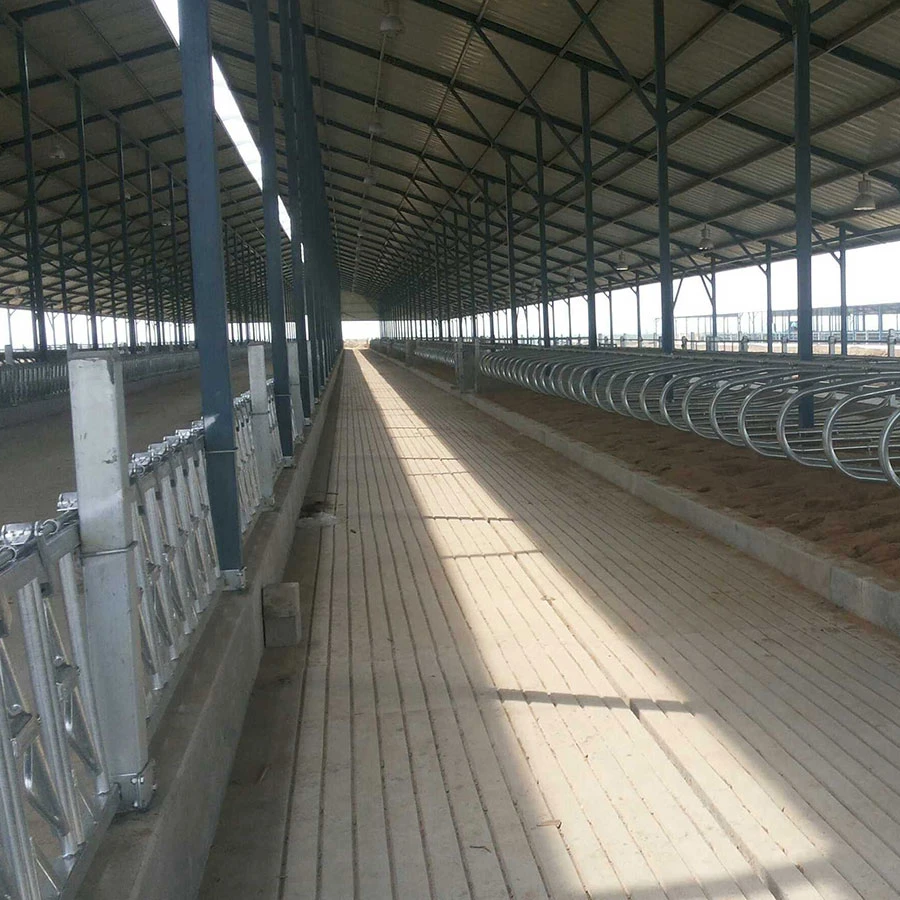
Many farms invest in headlocks that can be installed singly or in long rows. This flexibility means you can handle a handful of cows or hundreds with minimal adjustment. Modular systems help scale operations while maintaining consistent care quality.
Cost Efficiency
While initial investment varies, a good headlock lasts years, reducing downtime and labor. Savings come from improved safety, faster veterinary procedures, and fewer animal injuries. In the long haul, it’s about balancing upfront costs with life-cycle value.
Customization and Integration
Modern single cow headlocks come in various sizes and locking styles to fit different breeds and farm layouts. Some can integrate with digital herd management systems, allowing real-time monitoring during handling, which feels oddly futuristic but quite practical.
Real-World Uses: How Single Cow Headlocks Make a Difference
Across continents, the single cow headlock is at work:
- North America and Europe: Dairy farms use them daily in milking parlors to reduce labor intensity and improve safety.
- India and Southeast Asia: Smallholder farms integrate single headlocks to manage local breeds more humanely, improving vet intervention success.
- Disaster Relief Operations: NGOs deploying agricultural support kits often include single cow headlocks as a staple, helping preserve livestock health when traditional infrastructure is compromised.
- Research and Education: Universities with veterinary programs use these devices to train students on animal handling without undue stress.
In one case study I came across, a dairy cooperative in New Zealand reported 20% less vet-related injuries after adopting single cow headlocks nationwide. The anecdote is just one example of how such equipment transforms daily farm life, often behind the scenes.
Advantages and Long-Term Value
Let me lay it out plainly: good single cow headlocks make farms safer, more sustainable, and frankly, more humane. The device's long-lasting metal reduces waste—no yearly replacement madness—and the animal stress reduction signals fewer vet visits and better milk quantity and quality. There’s an emotional relief for farmers, too, knowing their animals suffer less during routine care.
On a social level, it improves the dignity of work while supporting animal rights movements. Also, it meets increasingly strict regulations, so farmers dodge hefty penalties. Combining all that is sheer innovation—bringing trust between human and animal closer with every lock and unlock.
Future Trends and Innovations
Innovation isn’t stopping at steel bars. Upcoming trends in the single cow headlock space include:
- Smart Sensors: Embedded devices that alert handlers when an animal is locked too long or shows signs of distress.
- Eco-Friendly Materials: Development of recycled and corrosion-resistant composites to reduce environmental impact.
- Automation: Headlocks integrated into robotic milking systems for fully automated herd management.
These advancements promise to reduce labor even more and increase transparency about animal welfare in real-time. Imagine a headlock that tells you the cow is unusually restless, hinting at illness before visible symptoms emerge.
Challenges and How to Tackle Them
Not everything is perfect, and the single cow headlock’s main hurdle is size variability. Some breeds or younger animals need differently sized headlocks, or horseshoe-shaped designs. Also, improper installation can lead to user frustration or even injuries.
Experts recommend customization and hands-on training for operators. Manufacturers have responded by offering modular designs and user manuals that include best safety practices. And for tough cases, there are digital tutorials and on-site demos available—a nice touch that makes the technology more accessible.
Frequently Asked Questions About Single Cow Headlocks
A1: Single cow headlocks restrain only the animal’s head, allowing faster handling with less stress. Full-body chutes secure the entire body, used mostly for intensive procedures. Headlocks are more suited for routine care and quick vet checks.
Q2: Can a single cow headlock be installed on any farm size?
A2: Yes! Their modular nature means farmers can fit them singly or in rows, scaling from a few animals to hundreds. Installation is adaptable to most fencing and barn structures.
Q3: Are single cow headlocks safe for the animals?
A3: When used correctly, yes. They’re designed to restrain without causing pain or panic, supporting animal welfare standards globally. Proper training and fitting are essential.
Q4: How do headlocks fit into sustainable farming?
A4: By reducing stress and injury, headlocks promote healthier animals, which means less medication and better milk yields. Durable materials also lower waste and environmental footprint.
Q5: Where can I purchase reliable single cow headlocks?
A5: Leading suppliers often specialize in agricultural equipment. For a start, check cxlivestock.com for quality options that suit your needs.
Single Cow Headlock Specifications
| Specification | Details |
|---|---|
| Material | Galvanized steel, 304 stainless steel option |
| Dimensions | Adjustable width from 280mm to 350mm |
| Weight | Approx. 10 kg per unit |
| Lock Mechanism | Spring-loaded manual locking with optional hydraulic assist |
| Installation | Wall or fence-mounted with modular expansion capability |
| Warranty | 3 years against manufacturing defects |
Vendor Comparison: Popular Single Cow Headlock Brands
| Brand | Material Quality | Price Range | Customization | Customer Support |
|---|---|---|---|---|
| FarmLock Pro | Galvanized steel, rust-resistant | $$ | Adjustable widths, optional sensors | 24/7 live support, training videos |
| CattleEase | Stainless steel premium | $$$ | Wide range of sizes, automation ready | On-site installation help |
| Livestock Guard | Standard galvanized steel | $ | Limited sizes, budget-focused | Email and phone support |
Wrapping Up: Why the Single Cow Headlock is Worth the Investment
So, what’s the bottom line? The single cow headlock is more than just a farming gadget. It’s a reliable partner in daily herd management that lives up to promises of safety, efficiency, and care. For farmers looking to modernize their operations or simply get the job done with fewer headaches, investing in a quality headlock feels like the logical step — almost like putting on a sturdy pair of work gloves before a busy day.
Thinking about upgrading your livestock handling equipment? Visit https://www.cxlivestock.com to explore options tailored to your farm’s unique needs.
1. Food and Agriculture Organization of the United Nations (FAO), Livestock and the Environment
2. ISO 10993-10: Tests for irritation and skin sensitization, International Organization for Standardization
3. New Zealand Dairy Cooperative Case Study (2022) – Private communications
Post time: Nov . 28, 2025