Sheep Hurdles Price: Understanding What Drives Cost and Value Worldwide
Sheep hurdles — those practical, versatile fence panels that gently herd flocks — might seem straightforward. But when you dive in, the sheep hurdles price becomes surprisingly multi-layered. Why does one panel cost $20 and another $60? Why does it matter beyond a small farm in rural Scotland or Australia?
Globally, sheep hurdles are essential in livestock management, helping safeguard animals, improve herding, and optimize pasture use. Understanding what influences their pricing is crucial not only for farmers but also for industries supporting sustainable agriculture, disaster relief involving livestock, and even environmental conservation efforts.
Why Global Context Matters When Considering Sheep Hurdles Price
Here’s the deal: more than 1.2 billion people worldwide rely on sheep and goats as a livelihood (FAO 2022). Sustainable, affordable livestock control—sheep hurdles included—is key to protecting this animal wealth. The global market for livestock fencing equipment is projected to grow steadily, powered by rising meat and wool demand, as well as modernization of farming practices (MarketWatch 2023).
Yet, many small-scale farmers struggle with costs and supply chain inefficiencies when sourcing hurdles. Price fluctuations often reflect shifting raw material costs (steel, wood, or composites), manufacturing location, and logistical hurdles. This economic tension often trickles down to impact food security in vulnerable regions. So, tweaking sheep hurdles price isn't just about savings. It's about equitable access and resilience in a changing world.
Mini takeaway:
Sheep hurdles price is a small cog in a vast, interconnected global system supporting food, economy, and ecology. Dive deeper and you’ll see it’s more complex — yet manageable.
Defining Sheep Hurdles Price: What Exactly Are We Paying For?
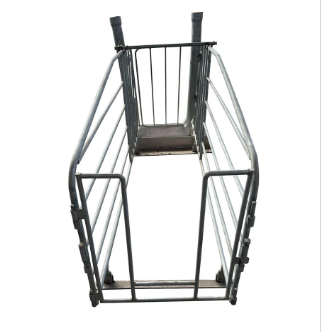
Put simply, sheep hurdles price is the amount a buyer pays for transportable fence panels used specifically for managing sheep. These panels vary in material (galvanized steel, hardwood), size, finish, and sometimes additional features like locking gates or modular connectors.
Modern livestock management — especially in intensive or rotational grazing systems — relies on movable hurdles to flexibly allocate pasture or separate animals during vaccination, shearing, or shipment. In humanitarian settings, such as refugee camps with livestock components, sheep hurdles provide quick, durable fencing solutions.
So, the price includes raw materials, craftsmanship, durability, and sometimes the intangible value of ease-of-use or innovation.
Mini takeaway:
Sheep hurdles price reflects more than just metal or wood — it’s about functionality, durability, and purpose-driven design.
Key Factors Influencing Sheep Hurdles Price
1. Material Durability and Quality
Galvanized steel hurdles resist rust longer but cost more upfront than untreated varieties. Hardwood hurdles offer natural aesthetics but vary by wood species and finish quality. Some innovative hurdles now use composite or recycled plastics, shifting the price landscape entirely.
2. Panel Size and Weight
Standard panels range from 1.2m to 2.5m in length. Larger, heavier panels cost more in raw materials and are less portable. But oddly enough, some farmers favor big panels despite the weight because fewer pieces means quicker setup.
3. Manufacturing and Shipping Costs
Hurdles made near customers cost less to ship, but certain specialized designs require centralized factories with precision machinery, increasing price. International tariffs and supply chain delays can also add unpredictability.
4. Design Features and Modularity
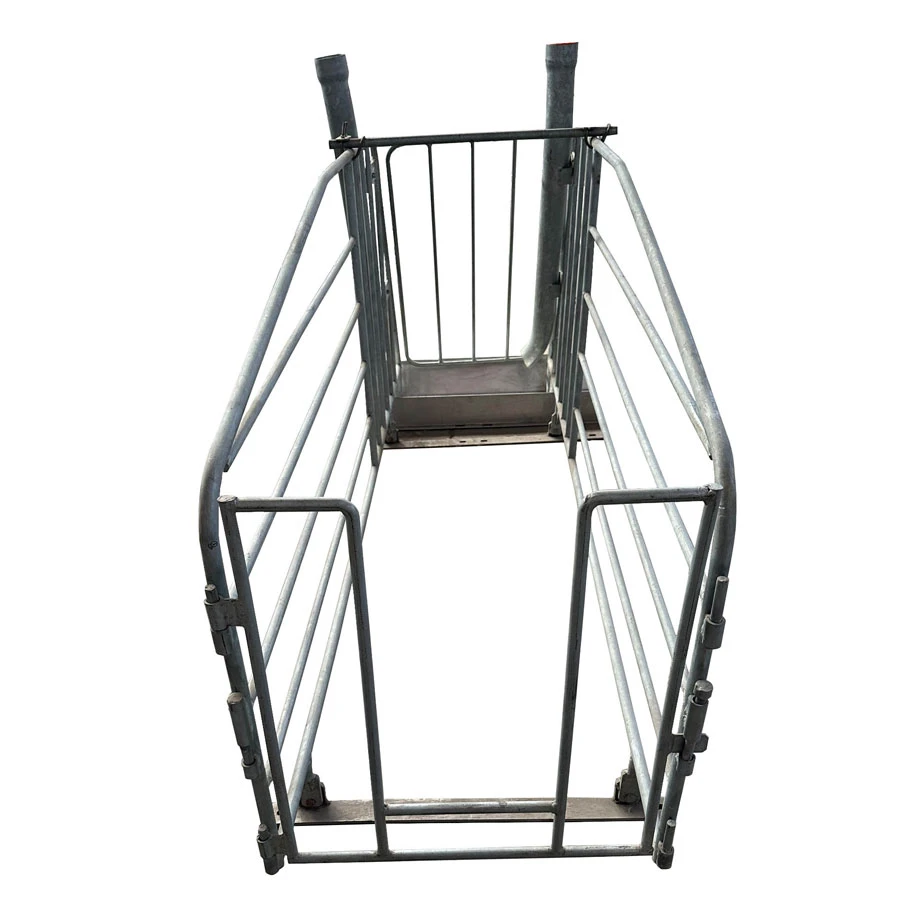
Some hurdles come with gate sections, locking mechanisms, or specialized connectors for easy stacking and transport. These value-added features naturally hike the price but improve usability for many.
5. Supply-Demand Dynamics and Market Competition
In regions with many livestock retailers or local SMEs, prices tend to be competitive. Remote areas, paradoxically, often experience a price premium due to scarcity and transportation costs.
Mini takeaway:
The sheep hurdles price is a layered equation influenced by materials, design, geography, and market forces — a balancing act orchestrated by manufacturers and buyers alike.
Sheep Hurdles Price in Global Applications and Real-World Use
From New Zealand’s vast sheep stations to the rugged hills of the Scottish Highlands, sheep hurdles are ubiquitous but not uniform. In Australia, portable hurdles must endure sun, rain, and rough ground. In contrast, in arid East African pastoralist regions, lightweight but durable hurdles help shepherds move herds with minimal fuss.
Interestingly, NGOs engaged in humanitarian relief often include sheep hurdles in their toolkits. Why? Because livestock is often a key asset for displaced farmers. Providing sturdy, cheap sheep hurdles supplies immediate containment and supports income rebuilding.
Even industrial mining sites with on-site herds for vegetation management use specialized hurdles designed to withstand harsh conditions and security needs.
Mini takeaway:
Sheep hurdles price reflects diverse geographic and functional priorities, from pastoral to industrial and humanitarian contexts.
Advantages and Long-Term Value of Knowing Sheep Hurdles Price
- Cost Control: Better price awareness helps farmers budget and optimize herd management expenses.
- Sustainability: Durable panels reduce frequent replacements, lowering resource waste and carbon footprint.
- Animal Welfare and Safety: Proper fencing protects sheep from predators and accidents, preserving farmer livelihoods.
- Flexibility and Innovation: Modular hurdles empower faster response to changing herd or land needs.
- Social Impact: Access to affordable, quality hurdles can uplift communities dependent on sheep farming.
Mini takeaway:
The right hurdlings price isn’t just smart economics — it’s about trust, dignity, and long-term viability.
Future Trends Shaping Sheep Hurdles Price
Eco-conscious consumers and producers are driving the push for green materials—biodegradable composites replacing metal or wood for less environmental fallout. Digital transformation is also nuzzling in: RFID-enabled hurdles could one day monitor animal movement or security remotely. Automation in manufacturing promises to reduce labor costs and standardize quality, potentially easing price volatility.
Additionally, circular economy models encourage hurdles designed for disassembly and recycling, a concept still nascent but promising.
Challenges to Managing Sheep Hurdles Price (and How Experts Tackle Them)
Price instability can stem from fluctuating steel costs or unpredictable transport delays. Some farmers find cheaper models fail earlier, leading to replacement costs that offset savings. Quality assurance standards vary globally, so buyers need trustworthy vendors.
To navigate these challenges, many recommend:
- Choosing vendors with transparent supply chains
- Bulk purchasing or cooperative buying to reduce costs
- Investing slightly more upfront on durability for long-term savings
- Keeping an eye on innovative materials or local manufacturing options
FAQ: Frequently Asked Questions About Sheep Hurdles Price
- Q1: What factors most affect the cost of sheep hurdles?
- A: Material type (galvanized steel vs. hardwood), panel size, production location, and added features like gates or locking mechanisms are key cost drivers.
- Q2: How can small-scale farmers reduce costs when purchasing hurdles?
- A: Buying in bulk, collaborating in buying groups, or choosing standardized panel sizes can improve affordability and ease replacements.
- Q3: Are portable sheep hurdles durable enough for harsh climates?
- A: High-quality galvanized steel or treated wood panels can last 10+ years even in tough environments when properly maintained.
- Q4: Is it worth investing in modular or lockable sheep hurdles?
- A: If flexibility and security are priorities, yes. These features add convenience and safety, justifying slightly higher prices.
- Q5: How does sheep hurdles price vary internationally?
- A: Shipping, tariffs, and local material access cause significant regional differences, making local sourcing preferable when possible.
Product Specification Table
| Specification | Standard Panel | Heavy-Duty Panel | Wooden Panel |
|---|---|---|---|
| Material | Galvanized Steel | Reinforced Steel | Treated Hardwood |
| Size (Length x Height) | 2m x 1.2m | 2.5m x 1.5m | 2m x 1.2m |
| Weight | 15 kg | 22 kg | 18 kg |
| Price Range (USD) | $30 - $45 | $50 - $70 | $40 - $55 |
| Additional Features | Basic connectors | Lockable gates, modular design | Natural finish, customizable sizes |
Vendor Comparison Table
| Vendor | Location | Price per Panel | Material Quality | Delivery Time | Customer Support |
|---|---|---|---|---|---|
| GreenField Hurdles | New Zealand | $42 | High (galv. steel) | 5-7 days | 24/7 Phone & Email |
| Shepherd Supply Co. | UK | $38 | Medium (treated wood) | 7-10 days | Business Hours Email |
| AgriZone Ltd. | Australia | $55 | Premium (reinforced steel) | 3-5 days | Excellent, On-site Support |
Interested in diving deeper or comparing current listings? Check out sheep hurdles price for updated market rates and supplier offers.
Wrapping It Up: Why Keeping an Eye on Sheep Hurdles Price Pays Off
In real terms, shepherding a flock goes beyond animal care: it’s about efficiency, sustainability, and economic empowerment. Understanding sheep hurdles price unlocks better decision-making, whether you’re upgrading your farm’s infrastructure or supporting a humanitarian project.
Choosing the right panel with the right features at the right price can seem tricky, but armed with the right info, it’s rewarding. So, next time you look at sheep hurdles, remember there’s a story behind the price tag — one threaded with tradition, innovation, and global significance.
Ready to explore reliable, competitively priced solutions? Visit us anytime at sheep hurdles price and see what your best options look like. Happy herding!
References
Post time: Nov . 17, 2025