Understanding the Self Locking Cattle Head Gate: Why It Matters Worldwide
At first glance, a self locking cattle head gate might seem like a simple piece of farm equipment. But in the grand scheme of global livestock management, it represents so much more. This device plays a critical role in animal welfare, safety, and the efficiency of cattle handling operations worldwide. From bustling industrial ranches in the Americas to smallholder farms in Africa and Asia, understanding how this equipment works — and why it’s indispensable — can have profound effects on productivity, human safety, and even the economics of meat and dairy production.
Why does this matter on a global scale? According to the Food and Agriculture Organization of the United Nations (FAO), there are over 1.5 billion cattle worldwide, forming a backbone of livestock economies that sustain millions of livelihoods. Handling these animals safely and effectively is a universal challenge; a poorly designed or managed head gate can result in injury, stress, delays, or even lost income. So, spending time to dive into this device isn’t just for hobby farmers or industrial ranchers — it’s something that underpins food security and animal welfare across continents.
Global Context: The Role of Self Locking Cattle Head Gates in Livestock Management
Livestock farming is evolving rapidly, driven by globalization, climate change, and demands for higher efficiency and better animal welfare. The cattle industry, in particular, has embraced innovations ranging from precision feeding to genetic selection. However, one unglamorous yet crucial piece of the puzzle is still the equipment used to handle animals safely and humanely.
Self locking cattle head gates fit into this context as a solution to ongoing safety and efficiency challenges. The World Bank estimates that improving livestock handling infrastructure can increase farm revenue by up to 20% in many developing regions. In industrial setups, streamlining cattle processing reduces labor costs and improves throughput.
Moreover, cattle head gates are often overlooked in humanitarian contexts—like post-disaster relief where food production must resume quickly, or in remote regions where veterinary care depends on safe animal restraint. The self locking cattle head gate thus responds to both the practical challenges of cattle management and the larger, often underappreciated needs of global food systems.
Defining the Self Locking Cattle Head Gate
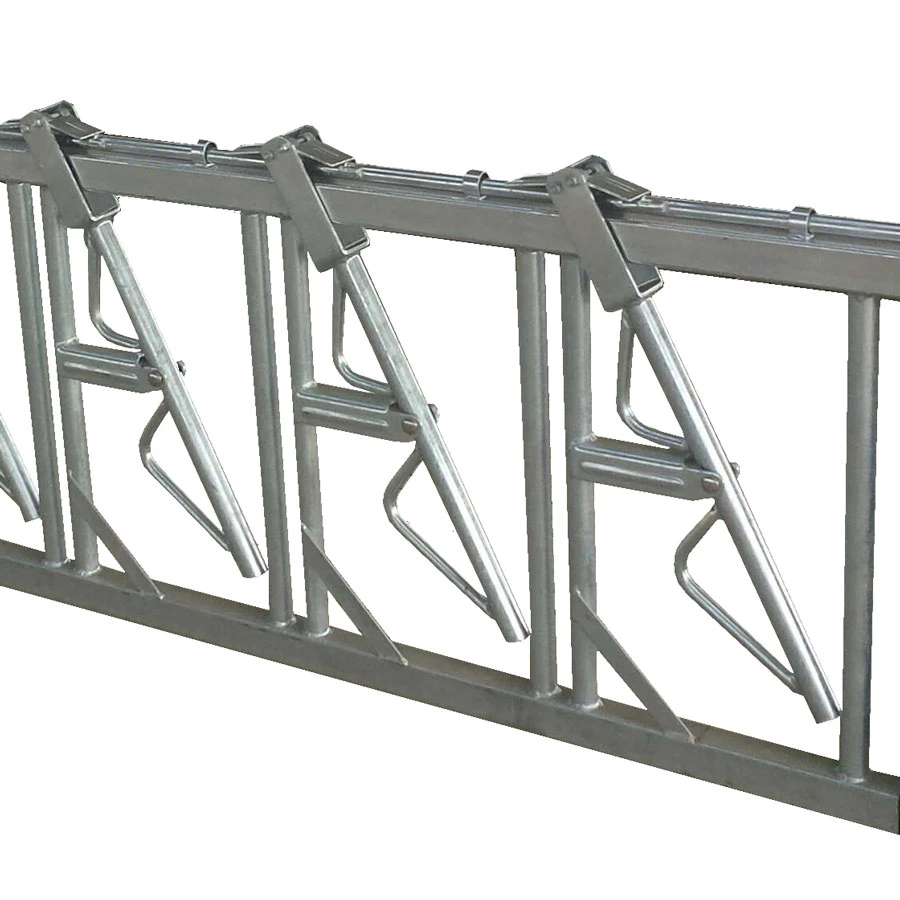
Simply put, a self locking cattle head gate is a mechanical gate designed to hold an animal’s head securely but comfortably in place during veterinary procedures, weighing, or movement between areas. The “self locking” feature means that the gate automatically secures itself once the animal’s head passes through, minimizing the need for manual locking or adjustments while keeping the animal calm.
This equipment can be thought of as the “gateway” to effective handling. Unlike traditional gates that require additional labor to lock, self locking gates operate on clever mechanics—levers, catch points, and adjustable frames—that respond to the cattle’s movements. This means safer, faster handling that reduces stress for both animals and operators.
Why Does This Matter for Modern Agriculture?
In large-scale farming, speed and safety are paramount. Self locking gates contribute by minimizing accidents and enabling thorough vet checks or treatments. On smaller farms, they provide peace of mind and reduce the need for multiple handlers. From a humanitarian angle, they support animal welfare and sustainable livestock practices aligned with ISO standards for farm animal care.
Core Components That Make a Self Locking Cattle Head Gate Work
1. Robust Durability
Since these gates live in tough environments—rain, mud, constant pressure—the materials must resist rust and damage. Typically made of galvanized steel or weather-resistant alloys, durability means years of reliable use with minimal maintenance.
2. Adjustable Size and Scalability
Cattle vary wildly—from small calves to heavy bulls. Modern self locking gates accommodate different head sizes and shapes, with adjustable jaws and frames.
3. Safety Mechanisms
Beyond secure locking, soft padding and smooth edges are crucial to avoid injury. Many designs enable quick release in emergencies—because things happen, even with the best intentions.
4. Ease of Operation
Self locking gates reduce hand fatigue. The mechanism’s automatic locking removes the need to fiddle with manual locks or chains, letting a single operator manage cattle more efficiently and less stressfully.
5. Portability and Integration
While some gates are fixed, others are designed to integrate seamlessly into larger livestock handling systems or portable chutes. This flexibility is a boon for seasonal or mobile farming operations.
Product Specifications Overview
| Feature | Typical Specification | Benefit |
|---|---|---|
| Material | Galvanized steel / Stainless steel | Rust resistance and durability |
| Weight Capacity | Up to 1500 lbs | Suitable for adult cattle |
| Adjustability | Jaw width adjustable 6-15 inches | Fits different cattle sizes |
| Mechanism | Self locking lever system | Hands-free secure locking |
| Release | Manual quick-release latch | Emergency access |
Real-World Applications & Who’s Using These Gates?
Across the globe—whether in the plains of Texas, the farms of Brazil, or the pastoral communities in East Africa—self locking cattle head gates show up as unsung heroes. Large commercial feedlots rely on them for health inspections and vaccinations, ensuring millions of animals are processed safely and quickly.
Smaller-scale farms integrate them to reduce animal stress and injury risk, which leads to higher quality meat and milk. In fact, some NGOs focused on agricultural development promote their use for improving veterinary outreach programs in low-income countries.
Post-disaster scenarios also benefit. For example, after flooding events in South Asia, safe handling of surviving livestock is crucial for rebuilding local food sources. Portable, self locking gates installed in mobile vet units make this possible.
Here's a quick look at major user groups:
- Commercial ranchers and feedlot operators
- Smallholder farmers seeking safer animal handling
- Veterinary professionals conducting field treatments
- International aid organizations supporting agricultural resilience
- Livestock markets where rapid, safe sorting is needed
Mini takeaway:
The self locking cattle head gate is more than equipment—it's a tool weaving through industrial, humanitarian, and rural livelihoods globally.
Vendor Comparison: Choosing the Right Self Locking Cattle Head Gate
| Vendor | Material Quality | Adjustability | Portability | Price Range | Best For |
|---|---|---|---|---|---|
| FarmTech Solutions | High-grade galvanized steel | Wide range (6 – 18 in.) | Fixed installation recommended | $$$ | Large commercial ranches |
| AgriLock Co. | Stainless steel with weatherproof coating | Medium range (7 – 14 in.) | Portable options available | $$ | Small to medium farms |
| SafeCattle Equipment | Galvanized steel, reinforced joints | Adjusts to 12 – 15 in. | Mostly fixed | $ | Cost-conscious operations |
Why Invest in a Self Locking Cattle Head Gate? Advantages and Long-Term Value
The benefits of investing in reliable self locking cattle head gates ripple across productivity, safety, economy, and animal welfare. From a practical standpoint, they minimize cattle injuries and operator risks, cutting down on delays and costs associated with accidents or poor handling.
Emotionally, many farmers report less stress knowing their cattle aren’t hurt or frightened whenever they need to be restrained. This sense of dignity for the animals matches modern views around ethical farming, further endorsed by international welfare organizations.
From a sustainability perspective, durable gates reduce waste and replacement frequency. In real terms, that means fewer materials consumed and less carbon footprint over time. Moreover, improving cattle handling efficiency accelerates veterinary treatments—ultimately supporting healthier herds and better meat quality.
Emerging Trends & Future Directions in Cattle Handling Equipment
The world of cattle handling isn’t static. Automation, sensor integration, and new materials are transforming how these gates operate. Some newer designs include:
- Smart sensors that detect animal presence and adjust locking pressure automatically.
- Lightweight composites replacing steel parts for easier portability without losing strength.
- Solar-powered automated release systems enabling hands-free, remote operation.
- Integration with digital tracking technologies to log each animal’s handling history seamlessly.
These advancements not only make life easier for farmers but align with the growing global emphasis on sustainable, ethical, and digital agriculture.
Common Challenges and Their Solutions
No product is flawless. Common issues with cattle head gates include mechanical jams, poor fit causing animal distress, and corrosion in harsh environments.
Experts suggest regular maintenance schedules, training for operators to understand gate mechanics, and careful material selection based on local climate. Customization options can also address fit issues; it’s not one-size-fits-all.
Interestingly, some ranchers innovate on-site—adding cushioning or modifying hinges—highlighting the value of adaptability over rigid designs.
FAQs About Self Locking Cattle Head Gates
- How do self locking cattle head gates improve safety for handlers?
- By automatically securing the animal’s head with minimal manual effort, these gates reduce human exposure to sudden cattle movements and potential injuries. Less physical restraint is needed, so the risk decreases significantly.
- Can self locking gates handle different cattle breeds and sizes?
- Yes—most modern gates offer adjustable jaws or frames that accommodate a wide range of head sizes from calves to large bulls, making them versatile across breeds.
- Are self locking cattle head gates expensive to maintain?
- Not generally. With sturdy materials like galvanized steel and periodic cleaning/lubrication, maintenance tends to be simple and infrequent. Investing in quality upfront saves in long-term upkeep costs.
- How quickly can I install or relocate a self locking head gate?
- Depending on the model, some portable gates can be moved and installed within an hour or two by a small team, while fixed gates may require more time and equipment.
- Where can I find trusted suppliers of self locking cattle head gates?
- Many regional farm supply companies stock quality models, but online vendors like self locking cattle head gate specialists are a great place to compare specs, prices, and reviews.
Conclusion: Making the Most of Self Locking Cattle Head Gates
When it comes down to it, a self locking cattle head gate isn’t just a piece of metal equipment — it’s a foundational tool that supports safe, efficient, and humane cattle management everywhere. Its benefits stretch from the farmer’s peace of mind to global efforts ensuring sustainable agriculture and animal welfare. Looking ahead, the blend of tradition and technology in these gates is only set to grow.
Ready to enhance your livestock operations with trusted solutions? Visit https://www.cxlivestock.com to explore a range of self locking cattle head gates tailored for your needs.
Mini takeaway:
A thoughtfully chosen self locking cattle head gate improves every step of cattle handling — and that’s something every farmer and livestock professional understands deeply.
References
Post time: Nov . 29, 2025