Understanding Hog Feeders and Waterers: Why They Matter Globally
At first glance, hog feeders and waterers might sound like just simple equipment on a farm. But in reality, they’re central to global food security, sustainable agriculture, and even humanitarian aid efforts. Efficient feeding and watering systems improve pig health, boost productivity, and reduce waste — crucial factors when you consider pork is one of the world’s most consumed meats (around 38% of global meat consumption, according to the UN FAO). Understanding their design and deployment can shape smarter farming workflows and impact livelihoods worldwide.
Hog Feeders and Waterers: A Global Outlook
Across continents, pork production plays a massive role in economies — from intensive farms in the US and China to smallholder farmers in sub-Saharan Africa. The hog feeders and waterers used determine not only yield but also animal welfare and resource use efficiency. In fact, the World Bank highlights agricultural technology as a top driver for poverty alleviation. Yet, many rural farms still rely on outdated, inefficient systems that contribute to feed wastage and uneven hydration, pushing up costs and environmental impact.
Imagine a village where piglets are undernourished just because feeders spoil or spoil feed — that’s a problem worth solving at scale.
What Exactly Are Hog Feeders and Waterers?
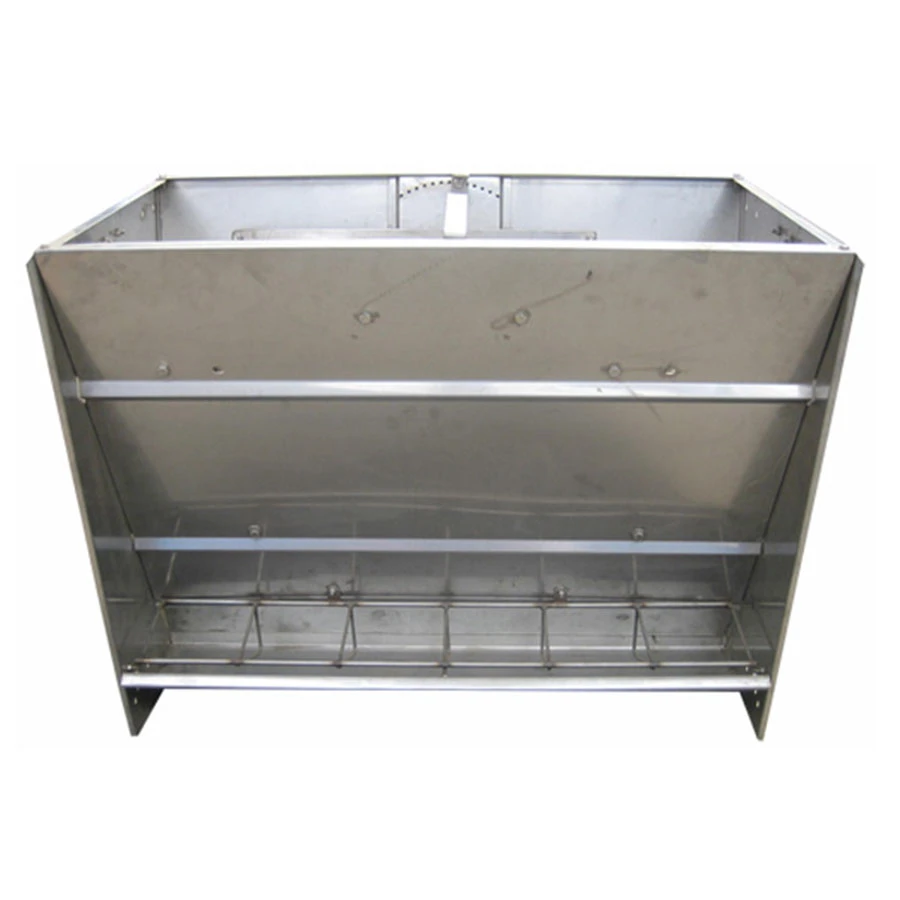
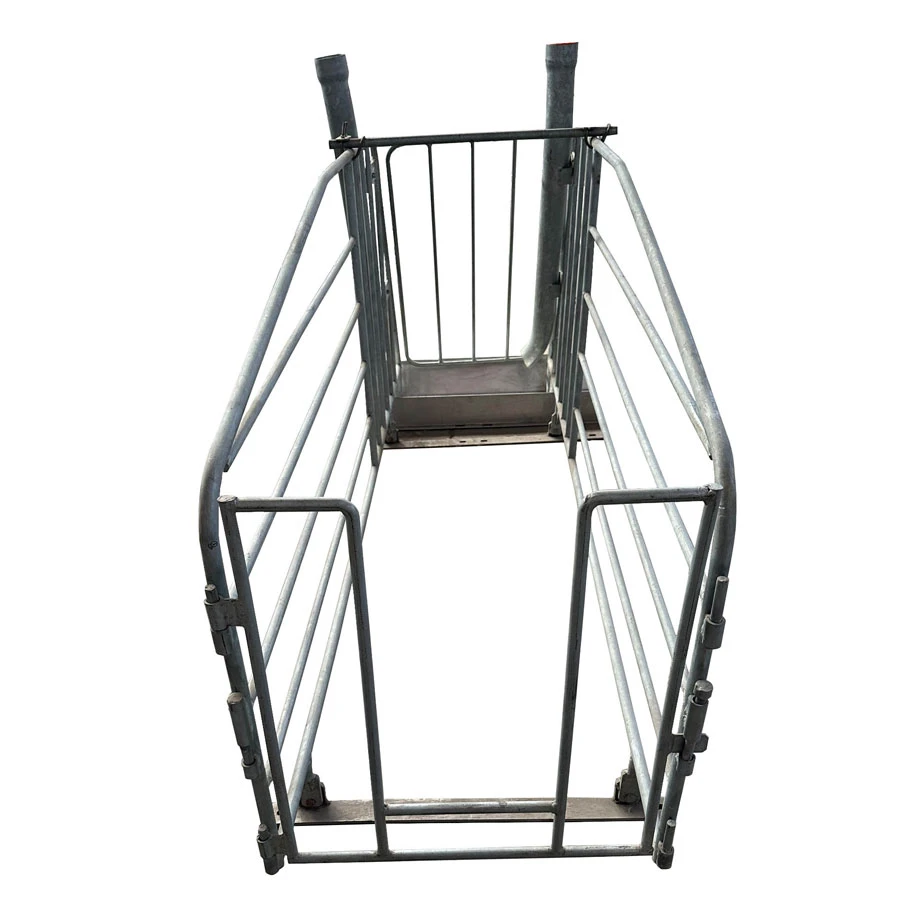
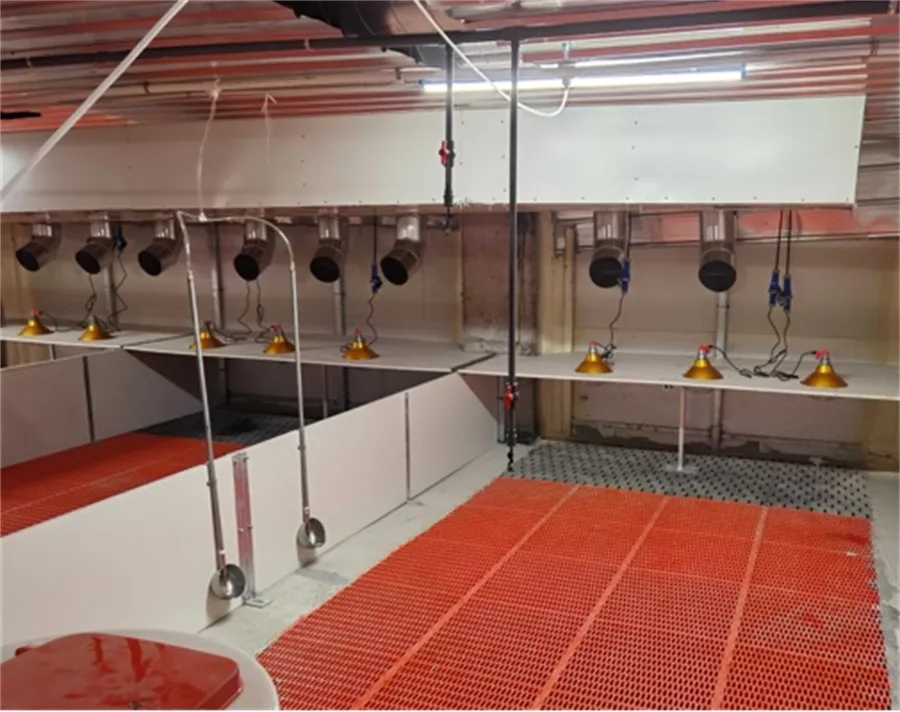
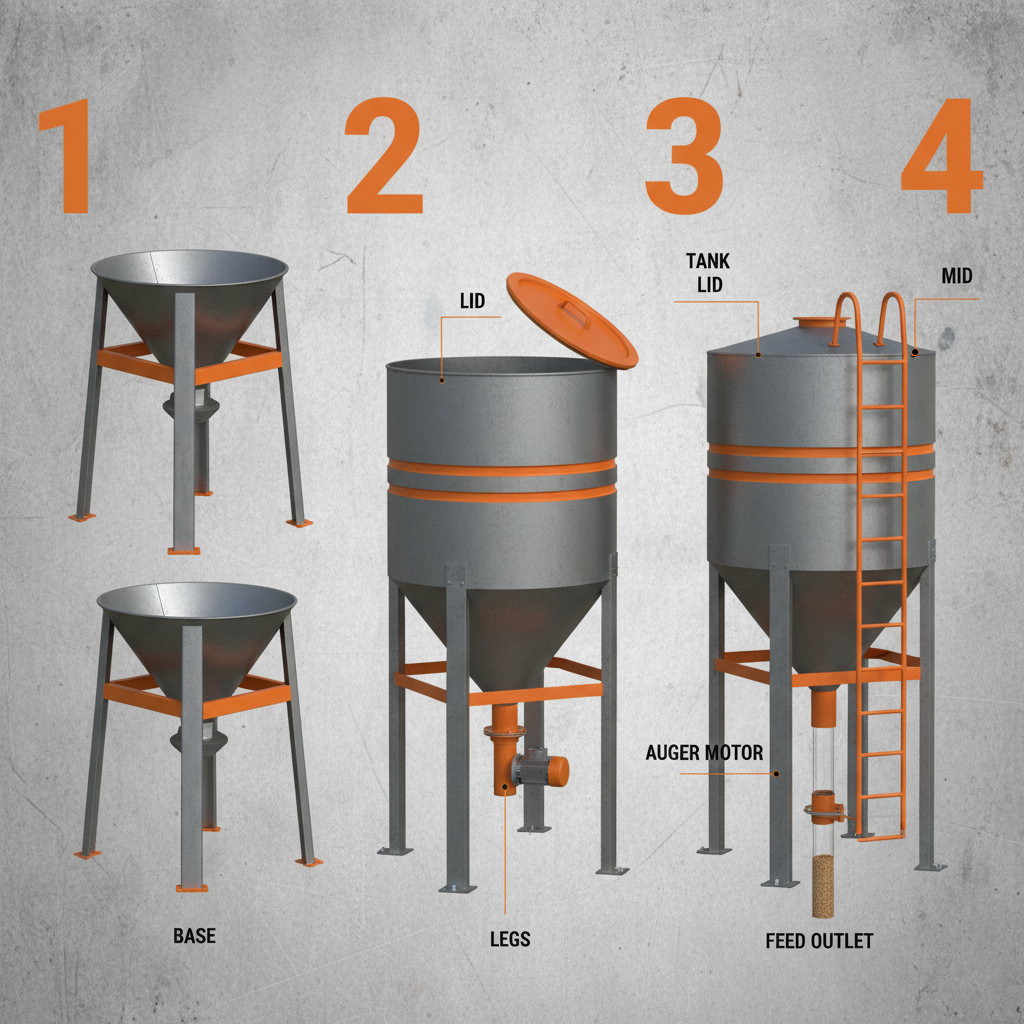
In straightforward terms: hog feeders are containers or devices designed to dispense feed for pigs in a way that minimizes waste and contamination. Waterers, likewise, provide a hygienic, accessible water source. Together, they form a basic but vital infrastructure on pig farms. These tools are far from one-size-fits-all; they range from simple troughs to automated, climate-controlled dispensers — reflecting the spectrum from traditional farms to modern swine production facilities.
Considering the rise of intensive pig farming and humanitarian agriculture projects, the role of these products expands beyond feeding — it’s about ensuring health, biosecurity, and scalability.
Core Components and Key Factors in Hog Feeders and Waterers
1. Durability and Materials
Anyone working with livestock knows durability isn’t just about longevity — it’s about safety and maintenance. Feeders and waterers need to withstand chewing, weather, and frequent cleaning. Common materials like galvanized steel and high-grade plastics are popular, each with pros and cons. Steel offers strength but risks rust if not coated properly; plastics resist corrosion but may degrade under UV light.
2. Scalability and Design Flexibility
Whether you’re running a 10-pig backyard setup or a 10,000-head commercial operation, feeders must scale accordingly — in size, number, and automation. Modular designs that allow extra feeding stations and adjustable water outlets offer practical solutions. This flexibility lets farmers adapt to herd changes without big upfront costs.
3. Cost Efficiency and Feed Conservation
One subtle but crucial aspect is reducing feed spillage. Many engineers say up to 20% of feed can be wasted in poorly designed feeders. That’s money literally thrown away (or better said, stomped into the mud). Well-designed feeders minimize spillage with sloped designs, raised rims, or controlled flow, improving overall feed conversion ratios.
4. Hygiene and Biosecurity
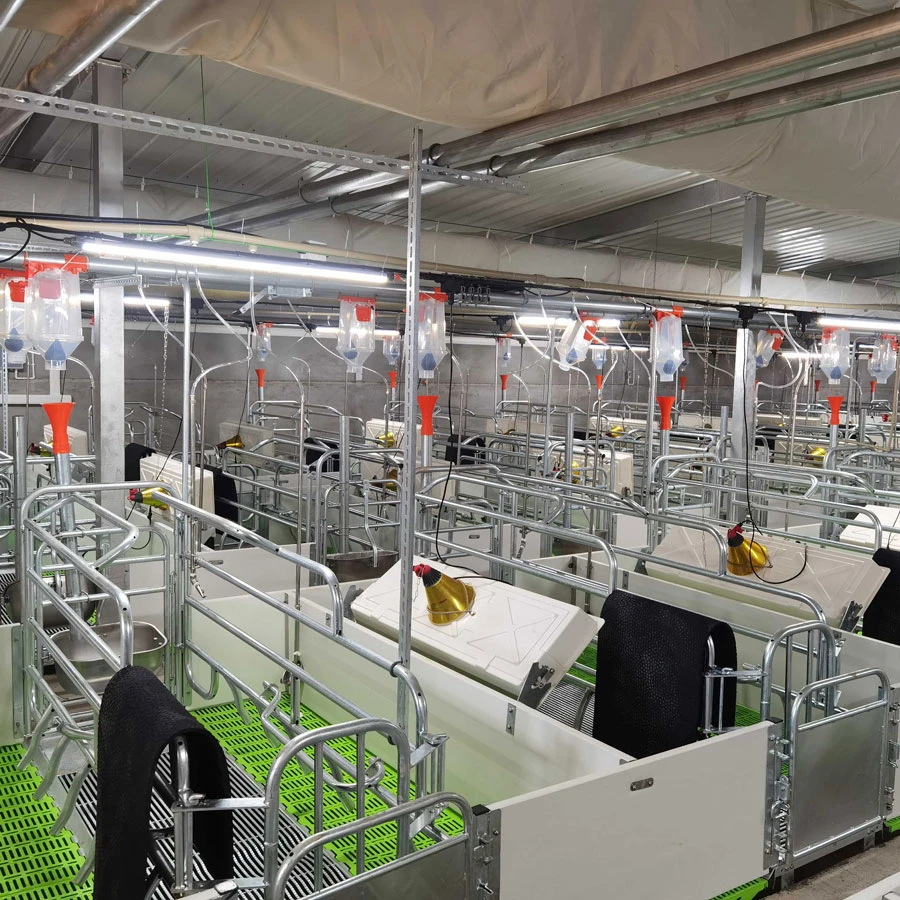
Water is a vector for disease transmission, so waterers must be easy to clean and resistant to contamination. Systems with nipple drinkers or automatic refill functions maintain fresher water and lower illness risks. Similarly, feeders should prevent mold or feed fouling by shielding from dirt and moisture.
5. Ease of Installation and Maintenance
Oddly enough, fancy equipment isn’t always the answer if it’s a headache to install or repair. Farmers value simple, robust systems they can fix themselves. That’s why many popular designs emphasize plug-and-play or tool-free maintenance.
Mini Takeaway:
Choosing hog feeders and waterers means balancing durability, hygiene, scalability, cost, and usability — and this mix dictates success on the farm.
Real-World Applications Around the Globe
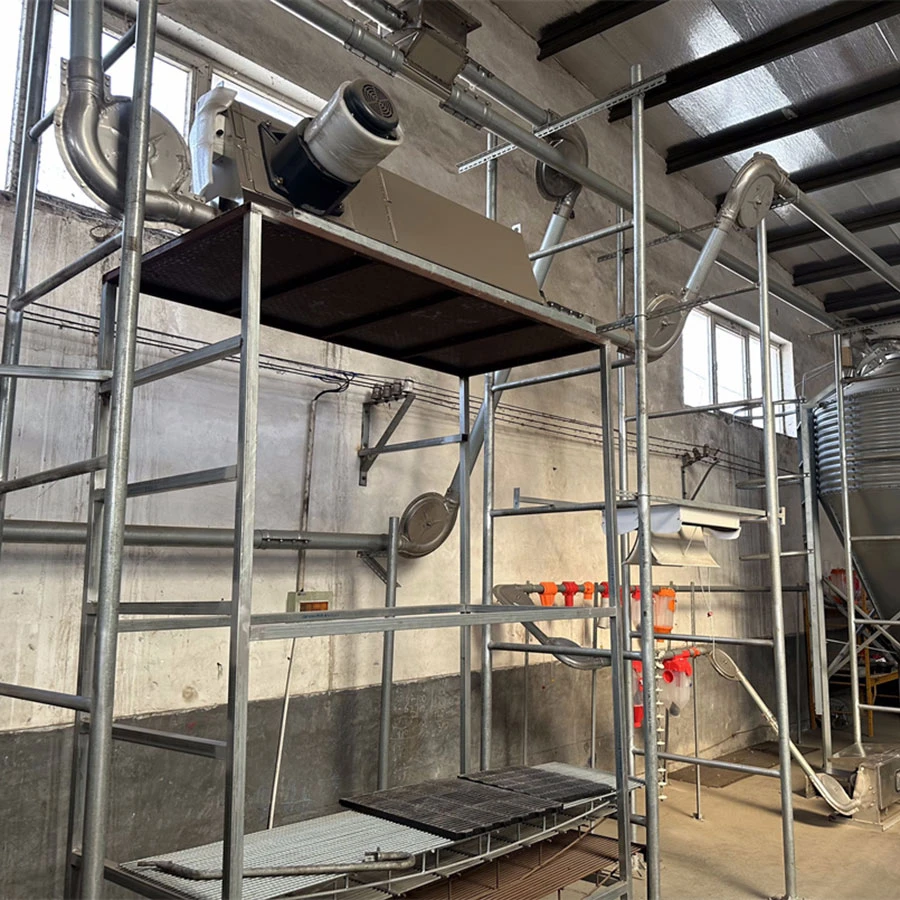
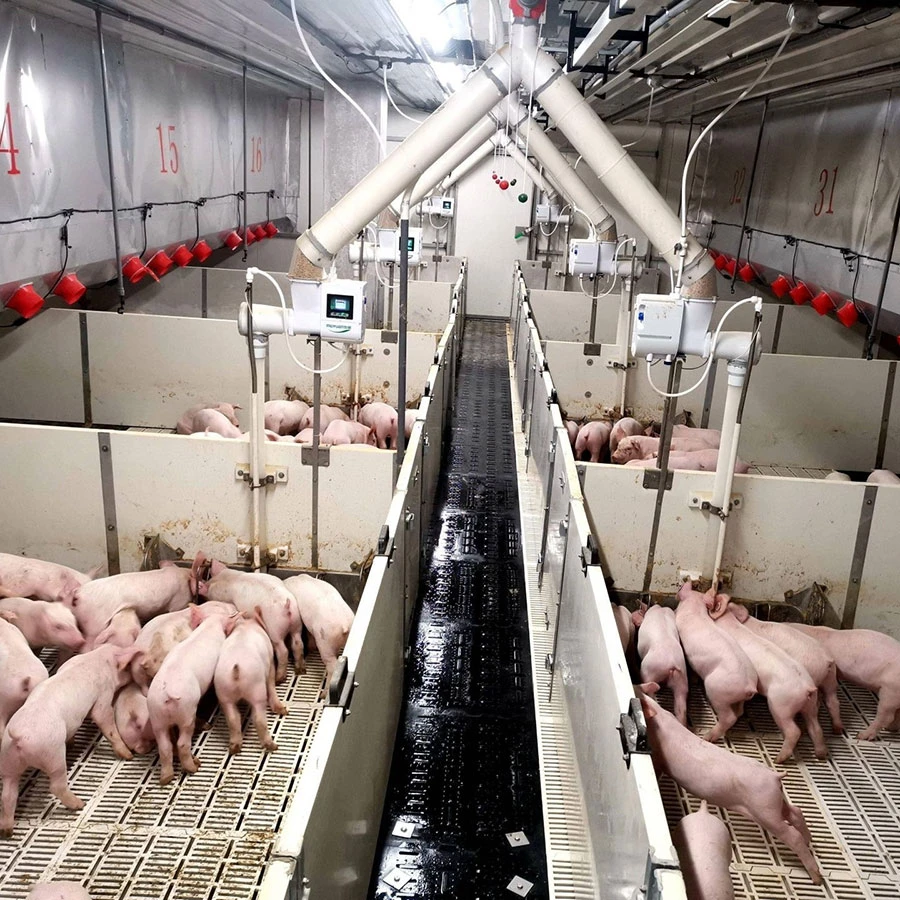
In East Asia’s high-volume pig farms, automated hog feeders and waterers integrated with sensors monitor feed intake and animal health, optimizing productivity. Meanwhile, in rural Africa or Latin America, simpler gravity-fed, rust-resistant feeders improve access to quality feeding even without electricity.
Post-disaster relief often includes livestock re-stocking as a path to economic recovery. Here, quick-deploy feeders and waterers that are lightweight but sturdy become essential. NGOs such as Heifer International rely on these tools to promote sustainable livelihoods.
Industrial farms in Europe are adopting eco-friendly, recycled materials for feeders, responding to new ISO standards on sustainability (ISO 14001). The focus is shifting to minimizing environmental footprints while preserving animal welfare.
Comparing Popular Hog Feeders and Waterers
| Specification | Basic Gravity Feeder | Automated Nipple Waterer | Galvanized Steel Trough |
|---|---|---|---|
| Material | Plastic | Stainless Steel & Plastic | Galvanized Steel |
| Capacity | 30 kg feed | N/A (continuous supply) | 50 liters water |
| Installation | Simple, no tools | Requires plumbing | Moderate, fixed |
| Maintenance | Monthly, easy | Weekly, technical | Monthly, rust check |
| Cost | $25 | $150 | $80 |
A Comparison of Leading Vendors
| Vendor | Product Range | Customization | Global Reach | Warranty |
|---|---|---|---|---|
| AgriTech Solutions | Full range feeders, waterers | High | North America, Asia, Europe | 3 years |
| FarmDirect Supplies | Selective models; focus on budget | Moderate | USA, Latin America | 1 year |
| EcoLivestock | Eco-friendly, recycled materials | Moderate | Europe, Africa | 2 years |
What Are the Biggest Advantages and Lasting Benefits?
- Cost savings: Better feed utilization equals more profit and less waste.
- Animal health: Proper hydration and clean feed prevent disease and improve weight gain.
- Environmental impact: Reduced waste and better materials help farms go green.
- Social impact: Reliable feeders support small farmers and food systems.
- Trust and innovation: Farmers appreciate systems that work consistently with minimal fuss — that builds loyalty.
Emerging Trends and Innovations in Hog Feeders and Waterers
Going forward, automation and data integration are shaking things up. Smart feeders connected via IoT can track eating patterns, flagging pig health issues before visible symptoms emerge. There's also growing interest in solar-powered water pumps for remote farms, which is quite a green leap.
Materials science isn’t left behind, either. Manufacturers experiment with antimicrobial coatings on feeders and waterers to fight contamination naturally. Bio-based plastics and recycled metal help meet stricter environmental standards, and modular "plug and play" designs make field repairs easier.
Facing Challenges: Common Issues and How To Fix Them
Despite advances, several challenges persist. Feeders clog or break, waterers freeze in cold climates, and high upfront costs put some farmers off. Experts recommend:
- Investing in seasonal adaptions like heated waterers or insulated feeders.
- Training local farmers in maintenance to extend system life.
- Using phased upgrades — start simple, add automation gradually.
Frankly, some issues boil down to simple but overlooked installation practices and ongoing servicing — that human factor always sneaks in.
FAQ: Frequently Asked Questions About Hog Feeders and Waterers
Q1: What size feeder is best for a small backyard piggery?
A 30-50 kg capacity gravity feeder works well for up to 10 pigs, requiring minimal maintenance and fit for limited space.
Q2: How often should waterers be cleaned to prevent disease?
Weekly cleaning with fresh water flushes is ideal, but daily checks help spot issues early, especially in warmer climates.
Q3: Can electronic feeders increase productivity?
Yes, smart feeders help monitor consumption and adjust portions, reducing waste and improving weight gain — popular in commercial farms.
Q4: Are recycled materials safe for hog feeders and waterers?
High-quality recycled plastics and metals certified safe for livestock use are increasingly common, offering durability without harmful residues.
Q5: How do I choose between automatic and manual feeding systems?
Consider herd size, budget, and farm labor. Small operations benefit from manual feeders; larger or more tech-savvy farms gain efficiency via automated systems.
Wrapping It Up: Why Hog Feeders and Waterers Still Matter
Reliable feeders and waterers are the unsung heroes of pig farming — simple tools with complex impacts on sustainability, economics, and animal welfare. As farming grows smarter and more responsible, these systems evolve alongside, shaping a future where food systems feed us all better.
Curious to learn more or upgrade your stock? Visit our website for expert advice and the latest products in hog feeders and waterers.
References
Post time: Dec . 02, 2025