Understanding Floor Grates for Sale: Why They Matter Globally
If you’ve ever walked through an industrial plant or a busy commercial kitchen, chances are you’ve encountered floor grates. Those seemingly humble steel or polymer grids are more important than you might think—they address safety, durability, and environmental needs worldwide. Globally, the demand for quality floor grates is steadily increasing, driven by urbanization, industrial growth, and the need for better infrastructure. Essentially, these products help manage drainage, prevent slip hazards, and facilitate maintenance in flood-prone or heavy-duty environments.
Knowing why floor grates for sale matter isn’t just about industrial equipment—it’s about ensuring safety, sustainability, and cost efficiency in places ranging from bustling airports to remote humanitarian sites. Understanding what’s available on the market can make all the difference in choosing the right product for your project.
Why Floor Grates Are Globally Relevant Today
Global urbanization is speeding up — the United Nations estimates that by 2050, over 68% of the world population will reside in cities (source: UN World Urbanization Prospects). This boom stresses infrastructure, making drainage and workplace safety paramount. Floor grates come into play here, enabling efficient water flow and ventilation to avoid structural damage and slip accidents.
Moreover, industries like oil & gas, food processing, and transportation have regulations demanding specific flooring solutions to meet environmental and safety standards (ISO 14122 for safe access, for example). So the problem floor grates solve is clear: without reliable floor surfaces that drain water and resist corrosion, many facilities face downtime and hazards.
Mini takeaway: With cities growing and industries tightening safety norms, finding reliable floor grates for sale is increasingly a global priority.
What Exactly Are Floor Grates?
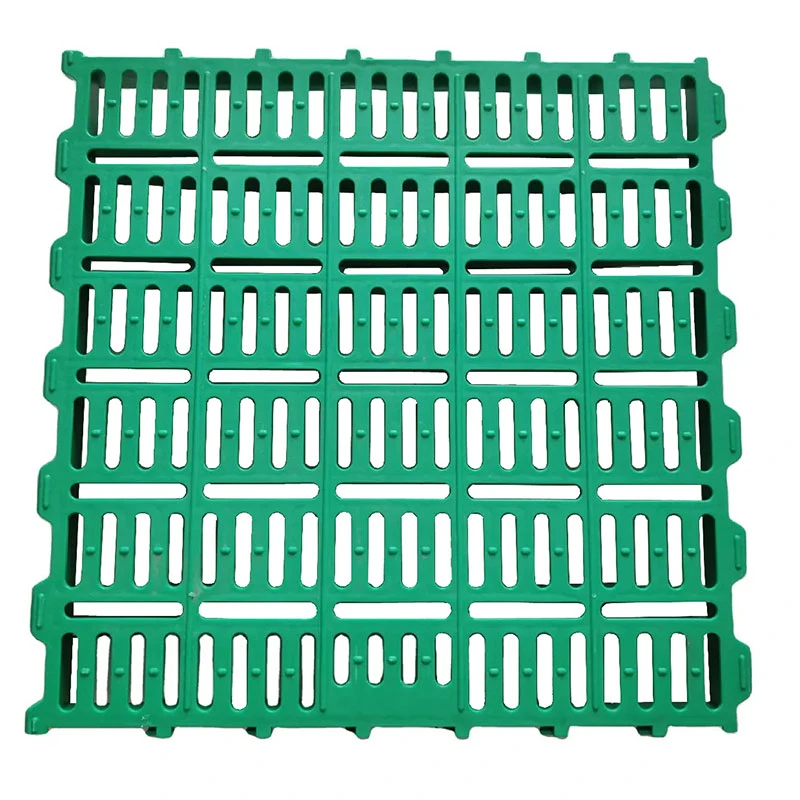
Simply put, floor grates are flat panels with open slots or holes designed to cover floor drains, trenches, or pits. Their main role is to allow liquids or debris to pass through while maintaining a safe, walkable surface.
In modern industries, this means preventing water accumulation, chemical spills, or dirt from creating workplace hazards. In humanitarian contexts—think refugee camps or flood zones—they assist in quick drainage and sanitation, crucial for disease control and dignity.
So, kickstarting your search for quality floor grates means thinking not just about function, but also about the materials and design that fit your environment.
Core Components That Matter When Choosing Floor Grates
Durability and Material Strength
Steel, stainless steel, fiberglass, and polymer composites are the main players here. Steel grates are strong but prone to corrosion unless stainless or treated. Fiberglass blends corrosion resistance with decent strength, often favored in chemical plants.
Slip Resistance and Safety
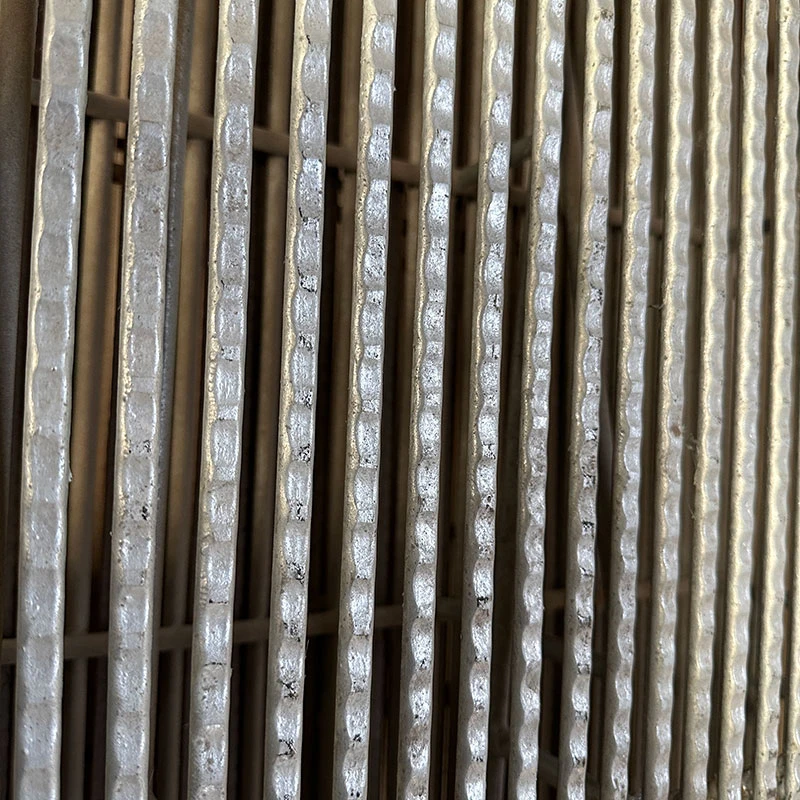
Look for grates with serrated edges or textured surfaces — these prevent slips even in oily or wet environments. Safety certifications often require non-slip finishes, making this a non-negotiable for many facilities.
Load-Bearing Capacity
From pedestrian foot traffic to heavy forklifts, your floor grates need to handle expected loads. Attributes are categorized from light-duty to heavy-duty, roughly corresponding to 250 lbs to several tons.
Modularity & Custom Sizing
Because facility layouts can be quirky, many vendors offer modular floor grates or custom sizes to fit uniquely shaped drains or walkways. This flexibility prevents awkward gaps or weak spots.
Cost Efficiency and Long-Term Value
Initial price matters, for sure, but buying cheap often means faster replacement. Consider lifecycle costs — stainless steel might be pricier upfront, but it can last decades without major maintenance.
Mini takeaway: Paying attention to material, strength, safety, and sizing upfront pays dividends over a grate’s lifetime.
The Many Real-World Uses of Floor Grates
From petrochemical facilities in the Gulf to flood rehabilitation efforts in Southeast Asia, floor grates play roles in vastly different scenarios.
- Industrial zones: In factories producing food, chemicals, or electronics, floor grates solve crucial problems around spill control and sanitation.
- Urban infrastructure: City governments install grates over stormwater drains to prevent blockages and ensure pedestrian safety.
- Humanitarian & disaster relief: Rapid-deployment shelters and sanitation units use polymer grates that resist mold and are lightweight for shipping.
- Transport hubs: Airports and train stations install heavy-duty grates in high-traffic areas to protect infrastructure and pedestrians.
Oddly enough, the need for such grates is universal, crossing sectors and continents.
Typical Specifications of Quality Floor Grates
| Feature | Description | Typical Values |
|---|---|---|
| Material | Steel, Stainless Steel, Fiberglass, Polymer Composite | SS 304/316, FRP |
| Weight Capacity | Load bearing capacity (static and dynamic loads) | Up to 10,000 lbs (heavy-duty) |
| Slip Resistance | Textured or serrated surface for safety | Coefficient of friction ≥ 0.6 |
| Dimensions | Customizable length and width | Up to 48” wide; various lengths |
| Corrosion Resistance | Protection against rust and chemicals | Galvanized or polymer coatings |
Vendor Comparison for Floor Grates
| Vendor | Material Options | Customization | Lead Time | Warranty |
|---|---|---|---|---|
| GrateWorks Inc. | Steel, Stainless Steel | Standard & custom sizes | 3-6 weeks | 5 years |
| FibroFloor Solutions | Fiberglass Reinforced Plastic (FRP) | Fully customizable | 2-4 weeks | 7 years |
| PolyGrate Corp. | Advanced Polymers with UV resistance | Modular panels mainly | 1-3 weeks | 3 years |
Advantages and Long-Term Benefits of Quality Floor Grates
When you think about it, good floor grates do more than just sit underfoot. They represent safety, trust, and durability. Financially, investing in corrosion-resistant materials reduces maintenance costs and replacements.
Emotionally? Knowing your workplace or public area is safer—no slips, no blocked drains—gives peace of mind. Socially, especially in humanitarian settings, appropriate flooring solutions can maintain hygiene and dignity, key to health and wellbeing.
The long-term sustainability of your project also ties back to eco-friendly materials and manufacturing practices—some vendors even recycle steel or use bio-based polymers.
What’s Next? Trends & Innovations in Floor Grates for Sale
Technology isn’t standing still here. New composites combine lightweight strength with improved durability, often infused with antimicrobial properties to fight germs in hospitals or food plants.
Automation and smart infrastructure is slowly creeping in too: embedded sensors that alert managers to drain blockages or grate displacement, reducing downtime. Also, green policies push for recycled or sustainably sourced components.
In short, floor grates are evolving from “just functional” to “smart, sustainable, and reliable.” Kind of exciting, if you think about it.
Challenges and Solutions in Practical Use
One challenge with floor grates is balancing cost and capability. Steel might be cheap but rusts quickly in outdoor or chemical environments. Polymer grates are corrosion-resistant but can get pricey or lack strength.
Installation can be tricky, especially in retrofits where custom sizing or rapid deployment is needed. Luckily, modular designs and improved customization services from vendors often solve this.
Finally, theft or vandalism in public spaces can be an issue—vendors now produce locking systems or tamper-resistant options to combat this.
FAQs About Floor Grates for Sale
Q1: What materials are best for outdoor floor grates exposed to harsh weather?
A1: Stainless steel and certain fiberglass composites are recommended for harsh outdoor conditions. Stainless steel resists corrosion, while fiberglass offers durability and lightweight properties. Polymer grates with UV stabilizers are also excellent for sunny, wet environments.
Q2: Can floor grates be custom-sized for oddly shaped drainage channels?
A2: Absolutely. Many manufacturers offer bespoke sizing or modular panels that can be combined to fit unique shapes—this prevents gaps that cause safety hazards.
Q3: How often should floor grates be inspected or replaced?
A3: Regular inspections are advised annually or after severe weather/events. Replacement depends on material and use—steel grates might last 5–10 years, while fiberglass or polymers can last longer with less maintenance.
Q4: Are polymer floor grates eco-friendly?
A4: Many are, especially if made from recycled materials or bio-based polymers. Their lightweight nature also reduces shipping emissions, but always check vendor certifications for sustainability claims.
Q5: Where can I find reliable floor grates for sale?
A5: Several reputable vendors offer a range of options; online marketplaces with detailed technical specs help narrow your choice. Looking for floor grates for sale with good warranties and customization is a smart start.
Final Thoughts: A Small Investment with Big Returns
Floor grates might not be something you think about daily, but choosing the right kind is crucial. Across industries and geographies, these products enhance safety, ensure compliance, reduce costs, and even support humanitarian efforts.
As infrastructure challenges grow and technology advances, purchasing quality floor grates will prove a sound long-term strategy. If you’re looking to upgrade or install, consider visiting our website for an array of dependable and customizable floor grates for sale. Sometimes, the small details matter most.
References:
Post time: Dec . 02, 2025