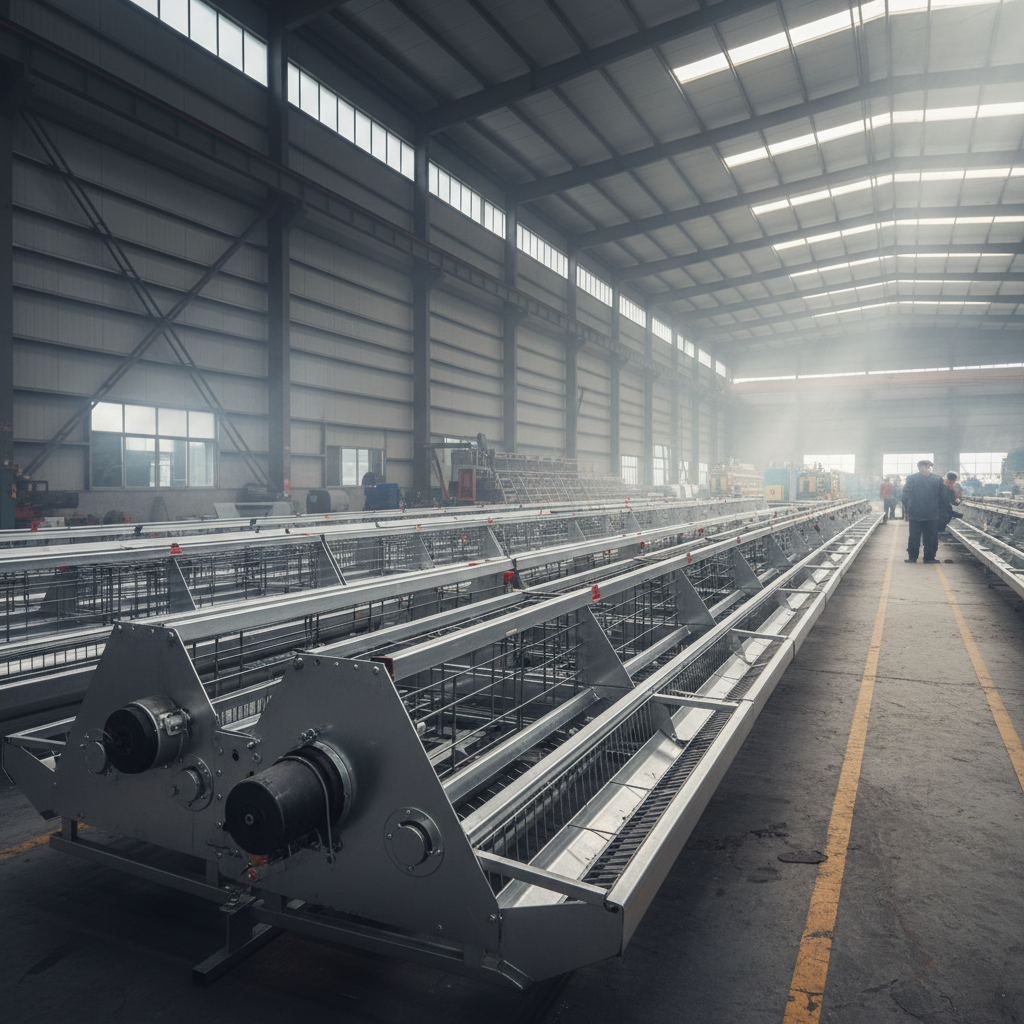
The global livestock industry is currently undergoing a significant shift toward precision farming and enhanced animal welfare. Central to this evolution is the implementation of specialized containment and management tools, often referred to as livestock hurdles, which ensure that animals are handled safely and efficiently. By optimizing the space and movement of animals, producers can significantly reduce stress levels for both the livestock and the handlers.
Modern agricultural standards, influenced by ISO and global welfare guidelines, demand equipment that balances structural rigidity with animal comfort. The challenge lies in creating barriers that are strong enough to withstand the physical pressure of large animals while remaining adaptable to different farm layouts. This is where professional-grade containment solutions become indispensable for maintaining hygiene and operational flow in high-density environments.
In the context of swine production, specifically sow management, the use of high-quality livestock hurdles and gestation crates allows for more effective feeding, counting, and breeding processes. By integrating intelligent designs and durable materials, farmers can create a controlled environment that maximizes productivity while adhering to strict animal care protocols.
Structural Integrity and Durability of Containment
The physical demands placed on containment equipment are immense, as livestock can exert significant force through pushing and pressing. To combat this, professional livestock hurdles and crates are engineered using high-strength steel pipes or solid bars. The use of MIG weldment ensures that joints are fused with maximum strength, preventing structural failure during sow movement.
Furthermore, the inclusion of a strong V-feet design provides a stable foundation that distributes weight evenly and resists shifting. This structural rigidity is critical not only for the longevity of the equipment but also for the safety of the animals, ensuring that no sharp edges or collapsed rails create hazards within the pen.
Impact of Intelligent Design on Animal Welfare
Intelligent design in livestock management focuses on reducing the stress markers of the animal while improving the ease of human intervention. By implementing features such as adjustable positions, farmers can tailor the environment to fit different sizes of pigs, ensuring that each animal has a safe and comfortable space to reside.
Accessibility is another pillar of modern design. Features like slanted front doors and flipped rear doors provide the sow with more comfortable movement and make the breeding process more accessible for technicians. This reduces the need for forceful handling, which in turn lowers the cortisol levels of the animal and improves overall health outcomes.
Finally, the ability to adjust the height of the crate feet allows these systems to fit seamlessly into different ground conditions without compromising the animal's posture. This versatility ensures that regardless of the facility's floor level, the containment remains ergonomic and efficient.
Corrosion Resistance and Material Longevity
The environment inside a livestock facility is naturally corrosive due to the presence of moisture, ammonia, and organic waste. To maintain the integrity of livestock hurdles and crates, a robust surface treatment is required to prevent rust and structural decay.
Our specialized process utilizes hot-dip galvanizing, which creates a metallurgical bond between the zinc and the steel. With a zinc coating thickness of no less than 80µm, the equipment is effectively shielded against the harshest corrosive elements, ensuring a long service life and reducing the frequency of costly replacements.
This commitment to material quality ensures that the equipment remains smooth and free of rust-induced pitting, which could otherwise cause skin abrasions or injuries to the livestock. Long-term durability is thus a direct contributor to both farm profitability and animal welfare.
Efficiency Comparison of Management Systems
Evaluating the effectiveness of different containment strategies requires a look at how they impact daily operational tasks. When comparing traditional open pens to structured livestock hurdles and gestation crates, the latter show significant improvements in feeding accuracy and cleaning efficiency.
By restricting unnecessary movement, farmers can monitor the individual intake of each sow and identify health issues much faster. This precision management leads to better weight control and more predictable breeding cycles, as shown in the performance metrics below.
Efficiency Ratings of Livestock Management Tools
Global Applications in Modern Pig Farming
The application of these containment systems is widespread across the global pig farming industry. In high-intensity farming regions, where space optimization is critical, the use of livestock hurdles and gestation crates allows for a higher density of sows without compromising the ability to provide individualized care.
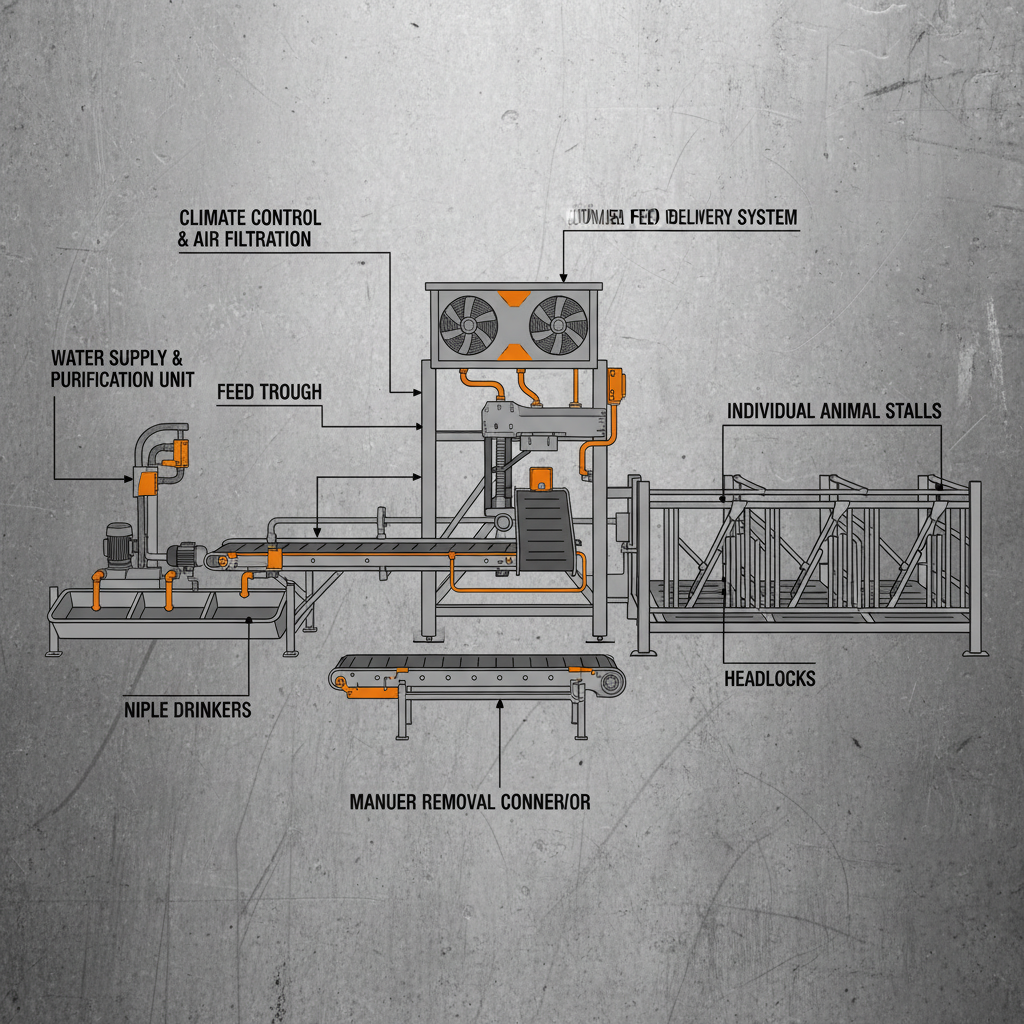
Beyond simple containment, these systems are integrated into broader automation frameworks. From automatic feeding systems to climate-controlled housing, the crate serves as the central node where the animal interacts with the farm's technology, ensuring that nutrients and health checks are delivered with precision.
Operational Advantages of Standardized Sizing
Standardization in equipment manufacturing allows for easier facility scaling and replacement of parts. By offering regular sizes such as Type A (2100 x 600/650mm), Type B (2200 x 600/650mm), and Type C (2300 x 600/650mm), producers can plan their barn layouts with mathematical precision.
This standardization extends to the consumables. Whether it is a top fixing bar, feeding access parts, or self-lock devices, having components that fit a universal standard reduces downtime. If a part is damaged, it can be replaced quickly without needing to redesign the entire penning area.
Moreover, standardization simplifies the installation process. Technical support and site assembly become more efficient when the dimensions are consistent, allowing for rapid deployment of new housing units to meet increasing market demands.
Technical Specifications for Gestation Management
To ensure a flawless product, every piece of equipment must pass through a rigorous quality control process. Under the ISO9001 management system, each stage of production—from the initial MIG weldment to the final hot-dip galvanizing—is monitored to ensure there are no defects.
This meticulous approach ensures that the livestock hurdles and crates can withstand the physical pressure of the sow's movement while remaining rust-free for years. The result is a product that supports the long-term viability of the farm's infrastructure.
For clients with specific needs, OEM and ODM services allow for the customization of these specifications. Whether it is a change in pipe diameter or a specific locking mechanism, the R&D team can adapt the design to meet the unique biological or operational requirements of a specific breed or region.
Comparative Analysis of Gestation Crate Models
| Crate Model |
Dimensions (mm) |
Zinc Coating |
Primary Application |
| Type A |
2100 x 600/650 |
≥ 80µm |
Small/Medium Sows |
| Type B |
2200 x 600/650 |
≥ 80µm |
Standard Gestation |
| Type C |
2300 x 600/650 |
≥ 80µm |
Large Breed Sows |
| Steel Pipe |
Custom/Standard |
≥ 80µm |
High-Flexibility Farms |
| Solid Bar |
Custom/Standard |
≥ 80µm |
Maximum Strength Need |
| Custom ODM |
Variable |
≥ 80µm |
Specialized Breeding |
FAQS
Our equipment uses hot-dip galvanizing, which applies a zinc layer of no less than 80µm. Zinc acts as a sacrificial anode; it corrodes before the underlying steel does, creating a durable barrier that protects the structure from ammonia and moisture commonly found in pig houses.
Yes, our intelligent design includes adjustable positioning to create a safe and comfortable environment for various sizes of pigs. This ensures that neither small nor large sows are improperly constrained, maintaining animal welfare standards.
Steel pipe crates offer a balance of strength and weight, making them easier to install. Solid bar crates provide maximum structural rigidity and are ideal for environments where animals are exceptionally aggressive or heavy, ensuring the barrier cannot be bent or broken.
Absolutely. Our gestation crates are designed to integrate with various feeding access parts and automatic systems, ensuring that feeding is efficient and that the sow has easy access to nutrients without interfering with the crate structure.
The choice depends on the average size of your sow population. Type A (2100mm) is suitable for smaller breeds, Type B (2200mm) is the industry standard, and Type C (2300mm) is recommended for larger breeds to ensure they have adequate space.
Yes, we offer a full service suite that ranges from initial design and fabrication to technical support and site assembly. This ensures that your livestock hurdles and crates are installed correctly and function safely from day one.
Conclusion
In summary, the implementation of high-quality livestock hurdles and gestation crates is a fundamental investment for any modern pig farming operation. By combining high-strength MIG-welded steel with advanced hot-dip galvanizing and an intelligent, adjustable design, these systems solve the critical challenge of balancing operational efficiency with animal welfare. From standardized sizing that simplifies barn management to corrosion resistance that extends equipment lifespan, every technical detail is engineered to support the productivity of the farm.
Looking forward, the integration of such precision equipment will be the baseline for sustainable livestock production. As global standards for animal care continue to evolve, farmers are encouraged to move toward modular, adjustable, and highly durable containment solutions that reduce animal stress and labor costs. Investing in professional-grade equipment today ensures a more resilient and humane farming environment for tomorrow. Visit our website: www.cxlivestock.com