Why Poultry Plastic Slatted Floors Matter—and Why You Should Care
If you’re lucky enough not to spend much time thinking about poultry farming infrastructure, that’s understandable. Still, poultry plastic slatted floors are quietly revolutionizing how farms worldwide handle hygiene, animal welfare, and operational efficiency. They’re a big deal for global food security, environmental impact, and animal health — all topics we’re hearing more about daily. Put simply, these floors are specialized plastic panels with gaps designed to let waste fall through, keeping hens or chickens cleaner and healthier. That’s no small thing — it means less disease spread, easier cleaning, lower costs, and more sustainable farming in the long run. Around the globe, with poultry farming expected to keep growing due to rising protein demand (UN forecasts predict about 1.2 billion tons globally by 2030), innovations like this matter immensely. Mini takeaway: Understanding poultry plastic slatted floors isn’t just for farmers. It connects directly to broader themes of sustainability, animal welfare, and efficient food production — all vital for our future.The Global Context: Why This Technology Is Gaining Ground
Look at any recent agri-industrial report, and you’ll notice a consistent trend: modular, hygienic, and low-maintenance farming infrastructure is a top priority. According to the Food and Agriculture Organization of the UN, poultry production has grown by roughly 3.2% annually over the past decade. This growth puts intense pressure on farming methods to be cleaner and more scalable. One challenge is waste management, especially in high-density farms. Traditional flooring made of wood or metal slats wears out quickly, collects bacteria, or is difficult to sterilize, causing disease outbreaks and lowering productivity. That’s where poultry plastic slatted floors come in, offering a hygienic, durable alternative that’s increasingly mandated by regulations in Europe, North America, and some fast-developing Asian markets. In fact, the ISO 22000 food safety management standards now encourage infrastructure upgrades for poultry housing to reduce contamination risks. Mini takeaway: Globally, the poultry plastic slatted floor is an investment responding directly to food safety standards, rapid production scaling, and environmental concerns.What Exactly Is a Poultry Plastic Slatted Floor?
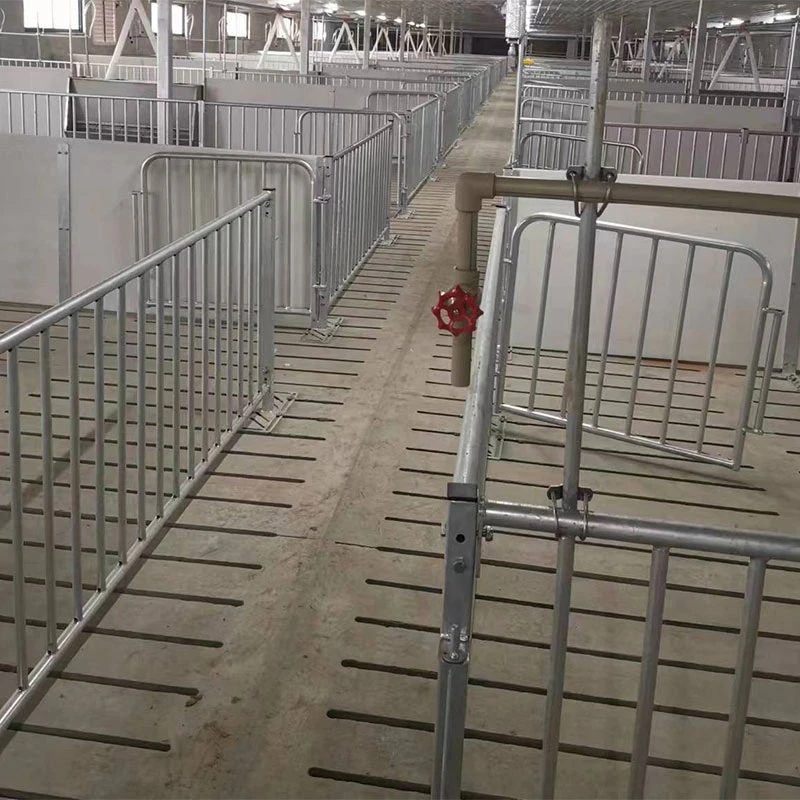
These floors are essentially panels made from high-density polyethylene (HDPE) or polypropylene, molded with slats—thin, narrow strips—with open spaces in between. Chickens walk comfortably on them while their droppings fall through the gaps into collection areas below. This separation helps maintain a cleaner environment, reducing ammonia buildup and disease, thus improving bird welfare and farm output. They’re lightweight but strong, resistant to corrosion, easy to install, and often designed to be snap-together for modular adaptability. The idea has roots in modern animal husbandry principles and is closely linked to humanitarian concerns for food security, especially where poultry is a critical protein source. Poultry plastic slatted floor systems stand at the intersection of animal welfare, innovative materials engineering, and farming efficiency.Core Features That Define Practical Benefits
Durability
High-quality plastics resist rot and rust better than traditional wood or metal. Farms in humid or chemically intense environments notice these floors last significantly longer, sometimes double or triple the lifespan of old materials.Hygienic Design
Slats are shaped to minimize manure buildup and allow easy cleaning with water jets or automatic scrapers. This design leads to less bacterial growth, fewer diseases, and healthier flocks.Modularity and Scalability
Many manufacturers produce modular panels that interlock. Farms can expand or replace sections easily without overhauling entire houses — a big operational advantage for evolving businesses.Cost Efficiency
While upfront investment might seem high compared to traditional floors, longer life and reduced veterinary bills mean lower total costs over time.Animal Welfare
Chickens benefit from drier, cleaner walkways, which reduces footpad lesions and stress, factors that improve growth rates and egg quality.Environmental Impact
Using recyclable plastics and reducing water/chemical needs for cleaning aligns well with increasing sustainability demands. Mini takeaway: Poultry plastic slatted floors combine robustness, sanitation, and welfare, making them a practical solution for both small-scale farmers and large commercial operations.How Are Poultry Plastic Slatted Floors Used Worldwide?
Poultry farms across Europe, North America, and Asia are adopting these systems increasingly. In Europe, strict regulations on animal welfare have encouraged farmers to move away from traditional litter floors. In Southeast Asia, where climate conditions exacerbate waste management challenges, these plastic floors help improve hygiene even in hot, humid environments. Interestingly, NGOs operating in post-disaster zones have also looked at modular poultry housing incorporating slatted floors as part of rapid food security restoration efforts. In large-scale industrial poultry operations, these floors are integrated under automated cleaning systems — think flushing manure washdown processes and conveyor belts that whisk away waste without shutting down the farm. Here’s a brief product specification table that gives you a feel for a typical modern system:| Specification | Typical Range | Notes |
|---|---|---|
| Material | High-Density Polyethylene (HDPE) | Food-grade, UV stabilized |
| Slat Width | 15 - 35 mm | Depends on bird type and weight |
| Panel Size | 1.0 x 1.2 m (typical) | Modular and easy to install |
| Load Capacity | Up to 800 kg/m² | Supports multiple birds and equipment |
| Life Expectancy | 8-12 years | Depends on maintenance and environment |
How Do Popular Vendors Stack Up?
If you’re shopping around, here’s a quick vendor feature comparison I put together:| Vendor | Material Quality | Modularity | Eco Certification | Price Range |
|---|---|---|---|---|
| FarmBuild Plastics | HDPE (UV stabilized) | Highly modular | ISO 14001 certified | $$$ |
| AgriSlat Solutions | Polypropylene blend | Modular with clip system | No formal eco certification | $$ |
| EcoBarn Tech | Recycled HDPE | Semi-modular | Cradle to cradle certified | $$$ |
| PlasFloor Systems | Virgin HDPE | Modular panel sets | No certification | $ |
Advantages and Long-Term Value of Using Poultry Plastic Slatted Floors
Frankly, the benefits go beyond just the obvious hygiene improvements. Here’s what farms often notice over time: - Lower vet bills: Less disease means fewer interventions. - Improved productivity: Healthier birds grow faster and produce better eggs. - Environmental wins: Less water usage, fewer chemicals, plus recyclable materials. - Ease of maintenance: Imagine not having to replace a whole floor every few years. - Animal dignity: Cleaner housing means better living conditions—a big deal in consumer-conscious markets. Emotionally, farmers talk about peace of mind when using these floors — they trust the birds are in a safer space. Innovation gives trust, and trust leads to a smoother bottom line.What’s Next for Poultry Plastic Slatted Floors?
Looking ahead, the integration of smart technologies is poised to shake things up. Imagine panels embedded with humidity and ammonia sensors that connect to a farm’s central system for proactive cleaning. Materials are also advancing. Biodegradable or recycled composite plastics are under development, aiming to reduce environmental footprints even further. Policies in the EU and US increasingly reward sustainable practices, so green certification might become standard. Automation will probably grow deeper, with robotic cleaners and modular designs that snap in seamlessly reshaping the maintenance picture.Common Challenges—and How to Beat Them
No tech is without flaws. Some farms find initial cost a hurdle, or have trouble sourcing local replacement parts. Others report early slipping issues on some plastic models — which can stress birds or reduce traction. Experts suggest selecting products with textured surfaces and UV stabilization to prevent wear/fade. Training staff on proper installation and cleaning also pays off. As manufacturers listen to feedback, the designs improve yearly. Those challenges feel manageable compared to the benefits, especially when you think in terms of lifecycle cost rather than upfront price.FAQs: Quick Answers About Poultry Plastic Slatted Floors
Q1: How much longer do plastic slatted floors last compared to wood ones?A1: Generally, HDPE or polypropylene slatted floors last 2-3 times longer than wood, often 8-12 years vs. 3-5 years. Their resistance to rot, pests, and moisture contribute significantly to this durability. Q2: Can these floors be used for both broilers and layers?
A2: Yes, but slat sizes and panel configurations may differ. Broilers need sturdier panels to support higher weights, while layers benefit from designs minimizing egg breakage and foot injuries. Q3: Are plastic floors easy to clean compared to traditional options?
A3: Absolutely. Smooth plastics and open slats mean cleaning can be done quickly using water jets or automated scrapers, reducing labor and improving biosecurity. Q4: Is retrofitting existing poultry houses with these floors possible?
A4: Yes, many systems are modular for easy installation on existing frames. It often requires some adjustment but is more cost-effective than full rebuilds. Q5: Where can I find certified eco-friendly poultry plastic slatted floors?
A5: Vendors like EcoBarn Tech offer Cradle to Cradle-certified options. Checking for ISO 14001 and recycled content specs helps identify sustainable choices.
Wrapping It Up: A Long-Term Game Changer for Poultry Farming
When looking at the bigger picture, poultry plastic slatted floors aren’t just about floors—they’re about smarter, cleaner, and more ethical food production. They connect the dots between technology, economy, animal welfare, and sustainability in a way few farm innovations do. If you’re curious to see what options fit your operation or want to dive deeper into the specs, you really should visit poultry plastic slatted floor specialists. It’s one step toward future-proofing your farm and embracing a cleaner tomorrow. --- ### References: 1. Food and Agriculture Organization of the United Nations (FAO) – Poultry Sector Overview 2. ISO 22000 Food Safety Standards 3. United Nations Sustainable Development Goals (SDGs) – Goal 2: Zero HungerPost time: Dec . 02, 2025