Understanding Plastic Grating Flooring: A Modern Solution in Industrial and Humanitarian Applications
It’s funny how some products fly under the radar despite being pretty pivotal in their fields. Take plastic grating flooring, for example. You might not think about it much when walking in factories or livestock pens, but this lightweight, durable flooring option is quietly changing the game worldwide — from industrial plants to emergency shelters.
Why does it matter? Well, with growing industrial demand and increasing humanitarian needs, having flooring solutions that are safe, fast to install, and environmentally sound is a big deal. Understanding the benefits and uses of plastic grating flooring can help industries, NGOs, and governments create safer, more flexible spaces that last.
Global Context: Why Plastic Grating Flooring Is Gaining Importance
Globally, manufacturing and construction continue to boom — the World Bank estimates that industrial infrastructure spending is expected to rise by nearly 5% annually in emerging markets over the next decade. Simultaneously, the UN highlights billions affected by natural disasters yearly, creating urgent demands for fast, durable infrastructure solutions.
Plastic grating flooring meets both needs: it’s a robust yet flexible material system that’s increasingly adopted in environments where durability, hygiene, and rapid deployment matter. The traditional materials — steel or wood — often fall short, either because of corrosion risks or heavy weight. Plastic grating fills the gap.
Frankly, it’s one of those innovations that gains traction quietly but profoundly solves real-world problems.
What Exactly Is Plastic Grating Flooring?
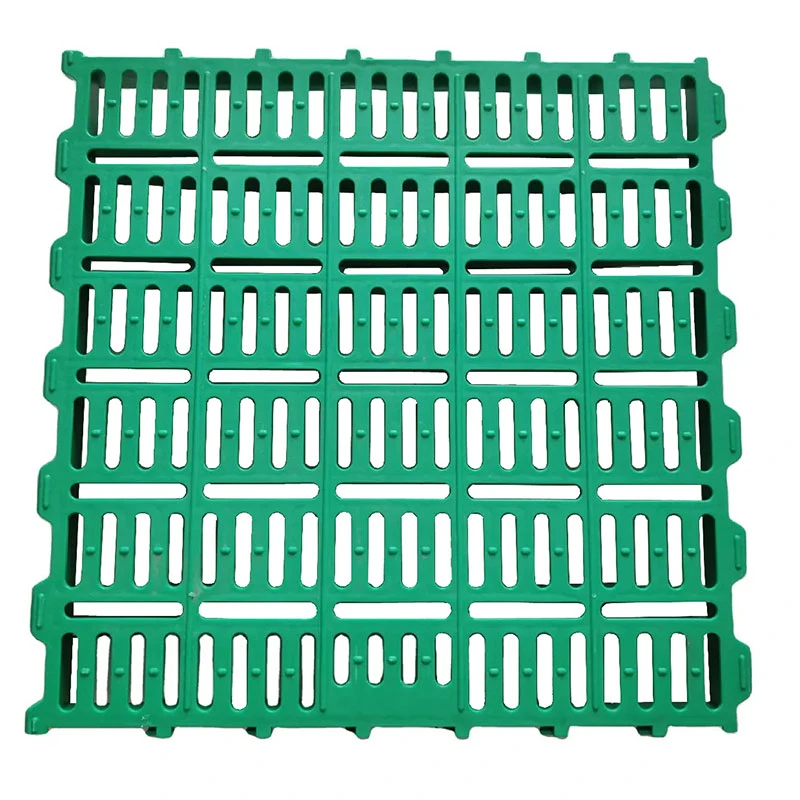
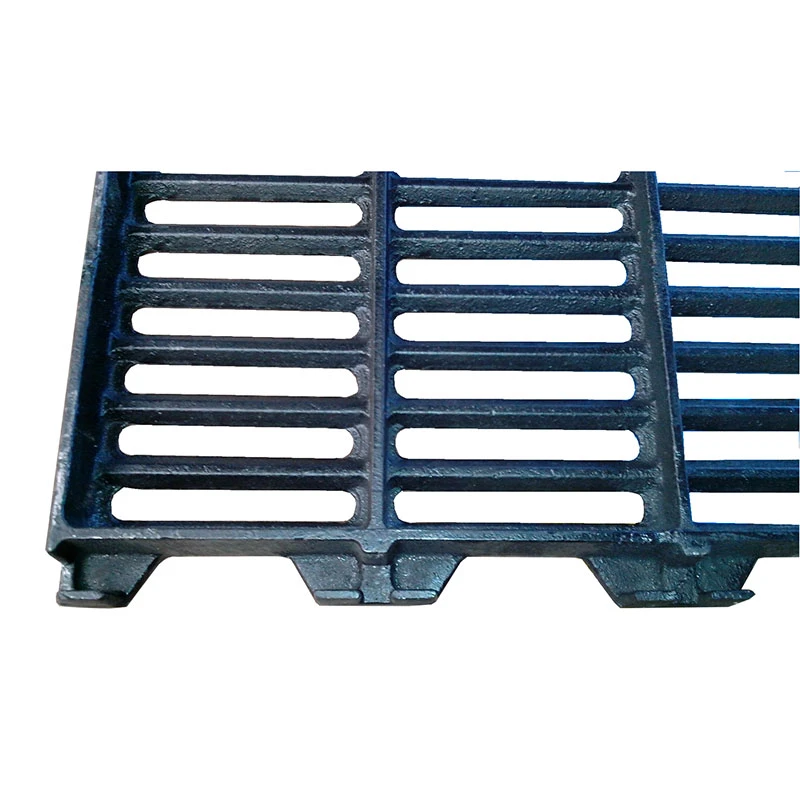
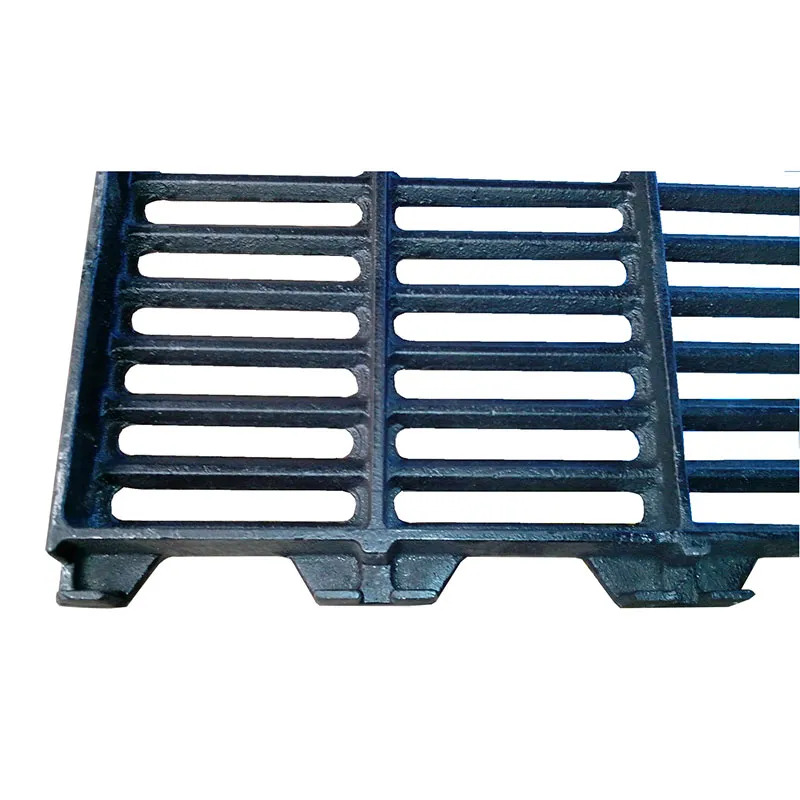
Simply put, plastic grating flooring refers to a grid-like panel system made from strong, polymer-based materials designed for walking surfaces. These panels are perforated or slotted to allow drainage, ventilation, or easy cleaning — perfect for industrial, agricultural, or emergency use.
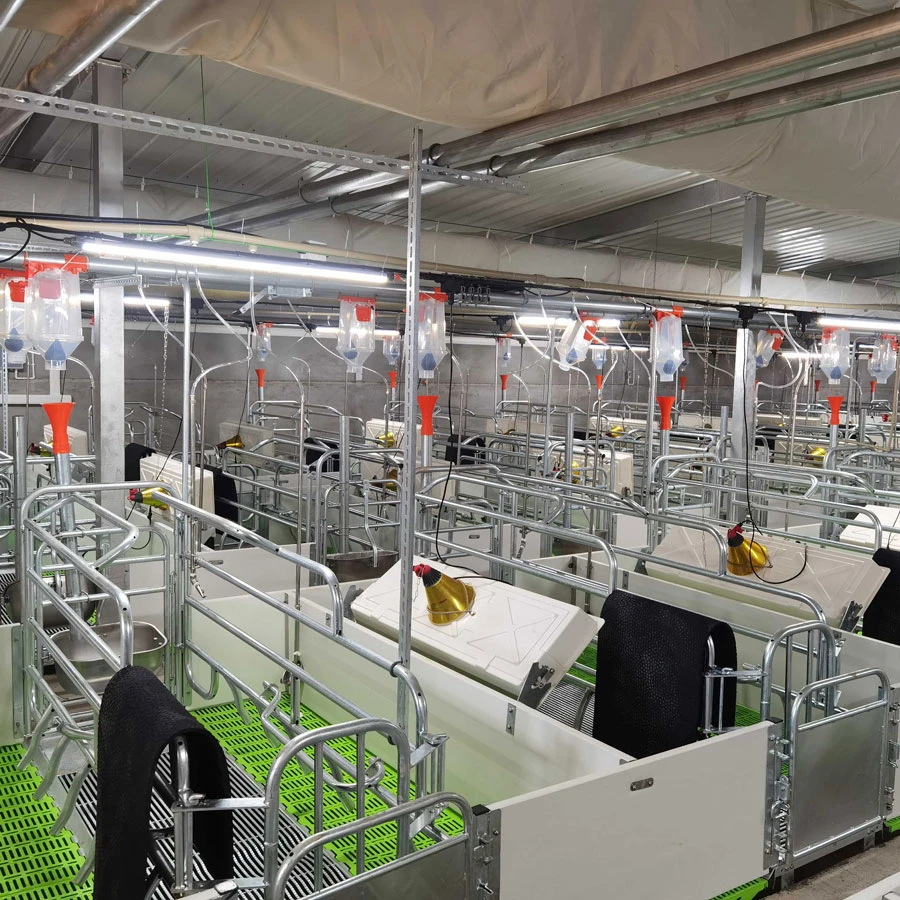
In industrial settings, these are often part of catwalks, platforms, or flooring where steel could corrode. In humanitarian response, plastic grating floors quickly form safe shelters or raised floors in flood-prone areas. Their lightweight nature means they can be shipped and assembled rapidly without heavy machinery.
Essentially, it’s a smart marriage of material science and practical design — durable, lightweight, and versatile.
Core Components of Plastic Grating Flooring
1. Durability
The polymers used (usually fiberglass-reinforced plastic or polypropylene) resist corrosion, chemicals, and abrasion — handy for harsh environments. For example, fish farms use plastic grating to avoid rust and algae buildup, which would happen with metal alternatives.
2. Scalability and Modularity
Panels come in standardized sizes, which means you can create large floor systems that fit unique spaces. They can be easily cut or combined, making them a favorite for custom projects — think remote mining camps or modular warehouses.
3. Cost Efficiency
Although the initial price is sometimes higher than traditional wood, the lifespan and reduced maintenance drop costs over time. Engineers often note that plastic grating flooring saves money long-term by reducing downtime and repair.
4. Safety and Hygiene
Many variants offer slip-resistant surfaces and easy drainage to prevent water accumulation. This reduces workplace accidents and contamination risk in food or pharma plants.
5. Environmental Impact
Being non-metallic, they don’t need chemical treatments and often incorporate recycled materials, aligning with green building standards and certifications like ISO 14001.
Product Specifications: Typical Plastic Grating Flooring Panel
| Feature | Specification |
|---|---|
| Material | Fiberglass Reinforced Plastic (FRP) |
| Panel Size | 1220mm x 610mm (4ft x 2ft) |
| Thickness | 25mm to 40mm |
| Load Capacity | Up to 3,000 kg/m2 |
| Color Options | Yellow, Grey, Black, others |
| Standards | ASTM E84, ISO 9001 Certified |
Where Plastic Grating Flooring Is Making a Difference Globally
Its versatility means plastic grating flooring appears unexpectedly in various corners of the world:
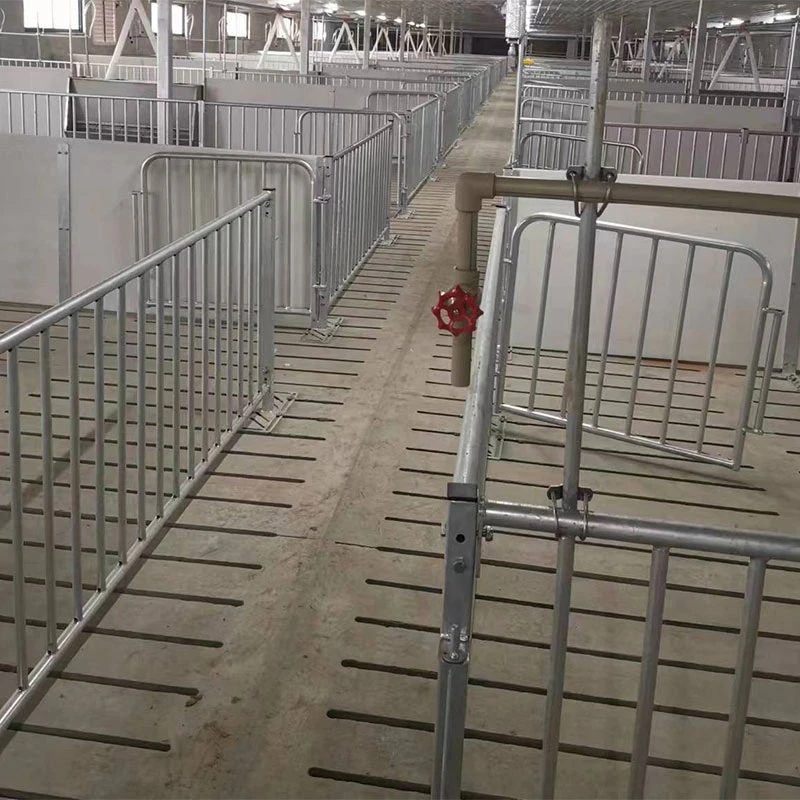
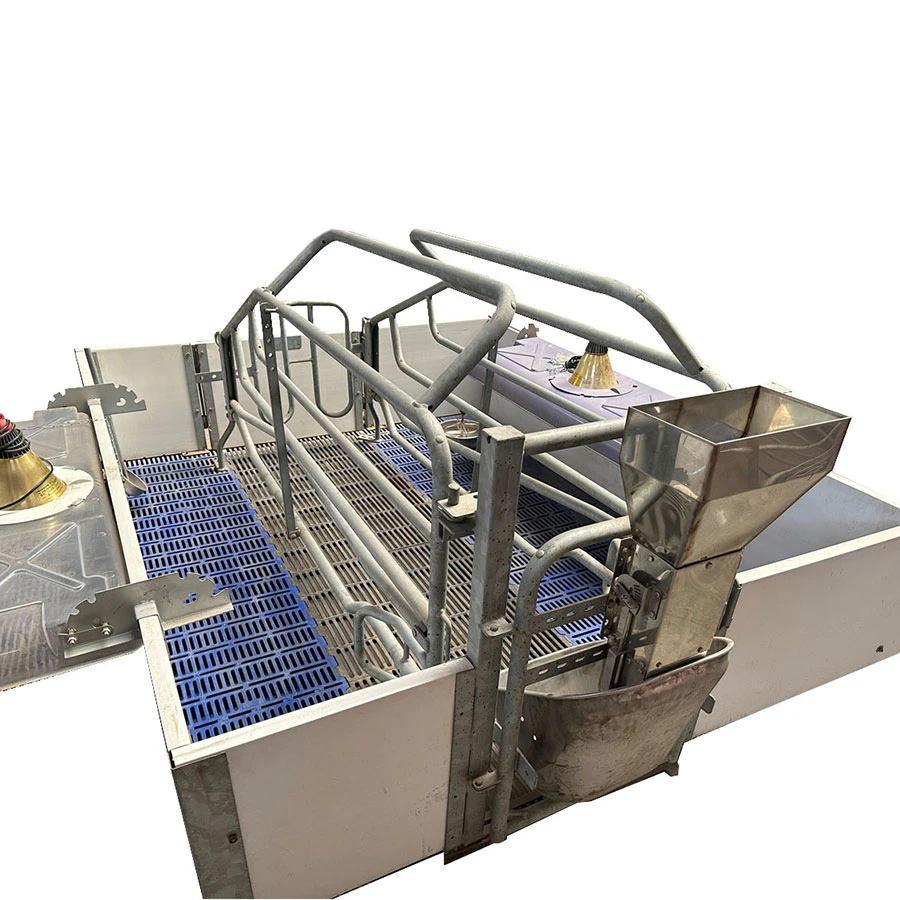
- Agriculture & Livestock: In Europe and North America, farmers use it in barns and pens for better drainage and sanitation.
- Industrial Floors & Platforms: Factories across Asia increasingly choose plastic over steel to prevent costly corrosion and downtime.
- Disaster Relief: In Southeast Asia and parts of Africa, NGOs deploy plastic grating floors for raised shelters that keep people off muddy or flooded ground.
- Marine & Offshore: Plastic gratings resist saltwater corrosion better than metal counterparts — critical for ports and oil rigs.
One particularly interesting case: After flooding in Bangladesh, aid groups assembled modular flooring systems within hours — a lifesaver during monsoon season. It’s remarkable how a product so simple can actually uphold dignity and safety for vulnerable communities.
Benefits and Long-Term Value of Plastic Grating Flooring
From cost savings to sustainability and social impact, the benefits stack up nicely:
- Cost Savings: Less maintenance, no need for frequent replacement, plus reduced labor costs during installation.
- Environmental Impact: Being recyclable and chemically inert means less environmental harm compared to chemical-treated wood or metal.
- Safety: Slip-resistant surfaces and better drainage help prevent accidents.
- Social Value: In humanitarian projects, quick deployment means quicker shelter and safer living conditions.
- Innovation: The ability to customize panels and integrate sensors or digital monitoring is increasingly common, pushing it into the smart infrastructure category.
Oddly enough, while it sounds mundane, many facility managers swear by the peace of mind it brings — kind of a quiet hero, really.
Future Trends and Innovation in Plastic Grating Flooring
Looking ahead, several exciting developments are shaping how plastic grating flooring evolves:
- Eco-Friendly Materials: More vendors are exploring bio-based polymers to replace fossil-fuel-derived plastics.
- Digital Integration: Floors embedded with sensors to detect weight loads, moisture levels, or structural stress.
- Automation-Friendly Designs: Components designed for robotic installation or maintenance.
- Recycling & Circular Economy Models: Programs to take back used panels, reducing landfill waste.
This isn’t just a product update — it’s a shift toward more responsible, intelligent infrastructure.
Challenges and How Industry Addresses Them
Of course, no solution is perfect:
- UV Degradation: While FRP is durable, long-term sun exposure can cause brittleness, but UV inhibitors help mitigate this.
- Load Limitations: Plastic gratings can’t yet fully replace steel in ultra-heavy applications without additional support.
- Cost Barrier: Higher initial cost sometimes limits adoption in low-budget projects.
But innovation, material science advances, and modular design tweaks keep pushing these boundaries. Some companies are even blending composites or hybrid panels to balance costs and strength.
Vendor Comparison Table: Leading Plastic Grating Flooring Providers
| Company | Material Type | Price Range | Customization | Global Reach |
|---|---|---|---|---|
| FiberGrid Corp. | Fiberglass Reinforced Plastic | $$$ | High | North America, Europe, Asia |
| PolyGrate Solutions | Polypropylene | $$ | Medium | Europe, Middle East |
| GreenFloors Inc. | Bio-Based Polymer Composite | $$$$ | High | Global |
Frequently Asked Questions About Plastic Grating Flooring
Q1: How long does plastic grating flooring typically last in harsh industrial environments?
A1: Depending on the polymer type and conditions, plastic grating flooring often lasts 10 to 20 years. Proper maintenance, UV protection, and avoiding excessive mechanical loads can extend its life, making it a durable choice over steel in many corrosive settings.
Q2: Are plastic grating floors easy to install and customize on-site?
A2: Yes. These panels are lightweight, modular, and can be cut with standard tools, allowing for speedy installation. Many manufacturers supply connectors and edge profiles for simple assembly—even in remote locations.
Q3: Do plastic grating floors contribute to sustainability goals?
A3: Absolutely. They often incorporate recycled plastics and reduce the demand for chemical treatments common in wood or metal floors. Many suppliers align with ISO 14001 environmental standards, making them a greener option.
Q4: Can plastic grating flooring be used in outdoor marine environments?
A4: Definitely. Thanks to corrosion resistance and slip-resistant surfaces, plastic grating is ideal for docks, platforms, and offshore structures where saltwater exposure is a challenge for metal floors.
Q5: How do I source plastic grating flooring for humanitarian relief projects?
A5: Many NGOs partner with specialized manufacturers that enable bulk orders and quick shipping logistics. It's essential to choose suppliers offering modular designs and lightweight panels for rapid response. Always check shipping regulations and import duties when sourcing internationally.
Wrapping It Up: Why Plastic Grating Flooring Deserves Your Attention
To sum up, plastic grating flooring feels like one of those unsung heroes. Whether you’re running an industrial plant worried about corrosion or coordinating emergency shelters after a disaster, it offers unparalleled benefits: durability, ease of use, safety, and sustainability.
If you want to explore options or see what might fit your project, consider browsing products like plastic grating flooring on reliable sites. Something so straightforward might just solve a stubborn problem you didn’t even realize you had.
And that’s a little industry secret worth keeping close.
References
Post time: Nov . 15, 2025