Understanding Pig Gestation Crates: Why They Matter in Modern Livestock Management
If you’ve ever wondered how pig farmers manage breeding sows efficiently — and with animal welfare increasingly becoming a hot topic — then the role of pig gestation crates deserves a spotlight. These crates are specialized housing units designed for pregnant sows during their gestation period. Their widespread use impacts global pork production, addresses welfare concerns, and drives innovations in farm sustainability.
In a world where pork is one of the most consumed meats, ensuring healthy, productive livestock while balancing ethical standards is quite the balancing act. And that’s precisely why understanding pig gestation crates is important: they offer a solution — albeit one with growing debate — to improve reproductive success, manage space, and control health risks in pig farming.
Mini takeaway: Pig gestation crates are central to modern pig farming because they influence productivity, animal welfare, and farm economics.
Setting the Stage: The Global Context Behind Pig Gestation Crates
Pork makes up about 36% of the world’s meat consumption, according to FAO Food and Agriculture Organization data. China, the European Union, and the United States lead in production demand, putting enormous pressure on farms to consistently deliver safe, high-quality pork.
Pig gestation crates help farmers efficiently manage sows during the approximately 114-day pregnancy period. This is crucial because sow health directly impacts litter size and piglet survival rates, which ultimately affects farm profitability and global supply chains.
However, the practice faces a significant challenge: animal welfare groups have long criticized gestation crates for restricting movement and causing stress, spurring some regions to ban or limit their use — the EU, for example, phased out gestation crates by 2013, and some U.S. states are following suit.
Given this tension between productivity and welfare, pig gestation crates sit right at the crossroads of agriculture, ethics, and economics.
Mini takeaway: Pig gestation crates address a global need for efficient pork production, but they raise ethical questions that influence policy worldwide.
What Exactly Are Pig Gestation Crates?
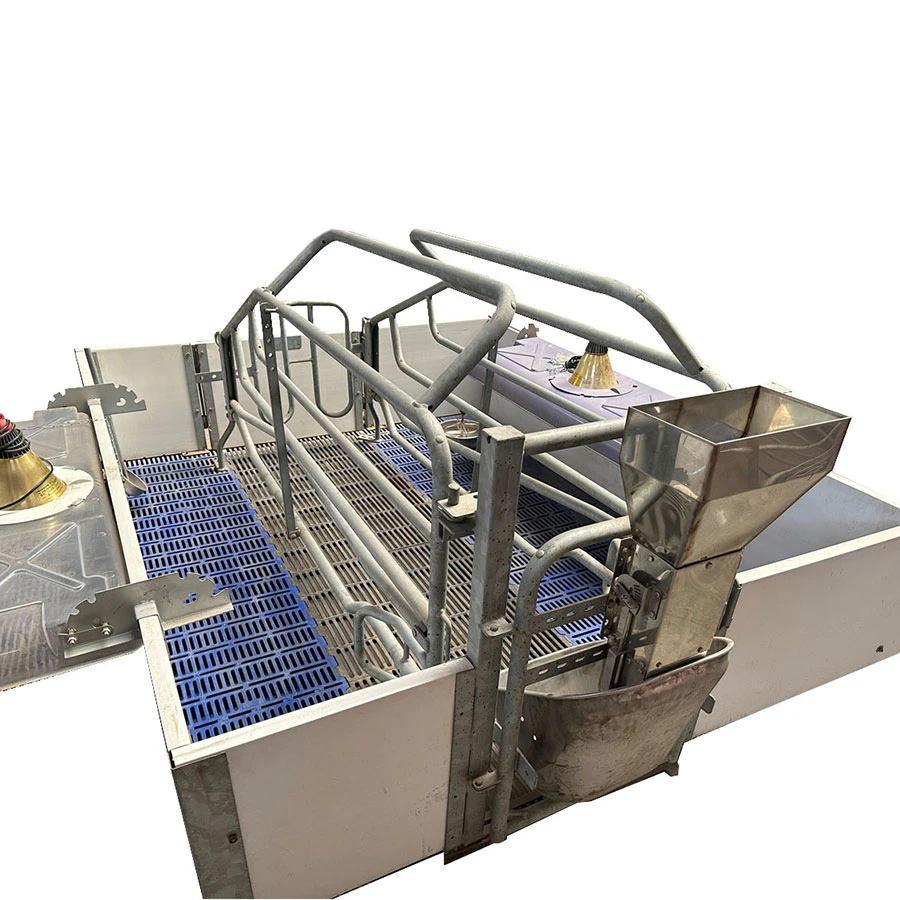
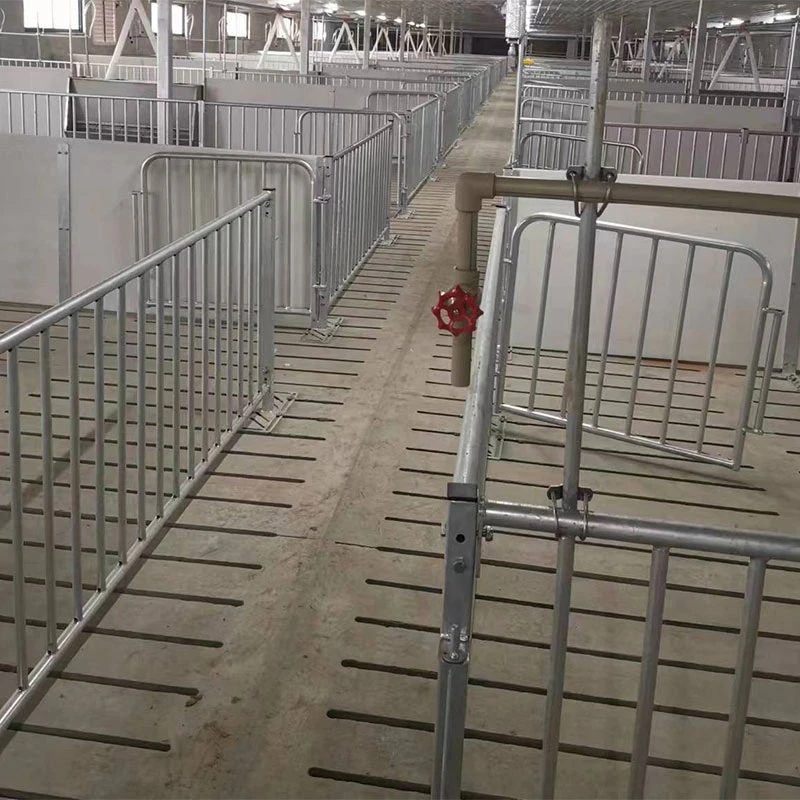
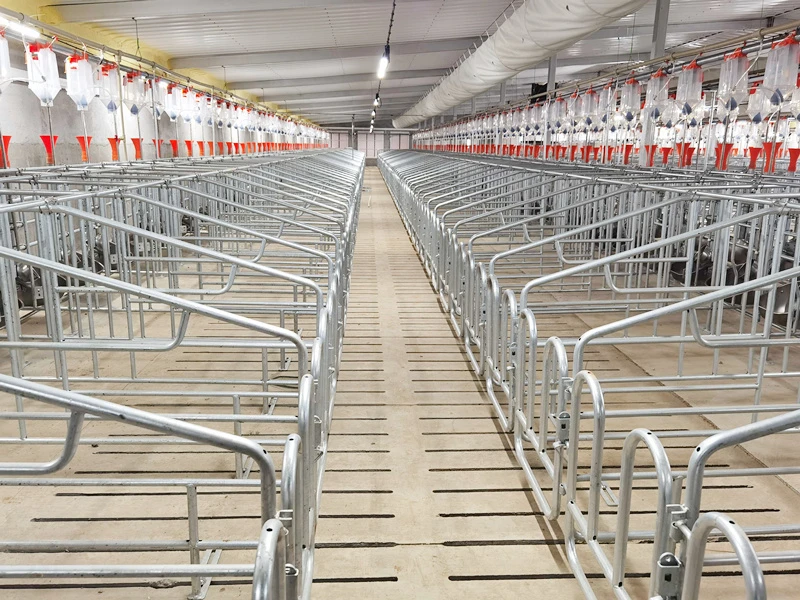
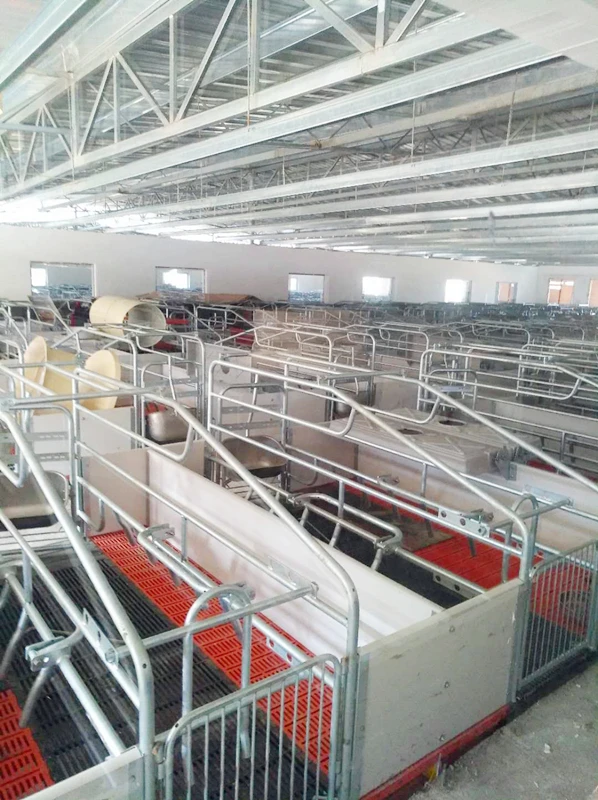
Simply put, a pig gestation crate is a metal or sturdy plastic enclosure roughly 2 meters long and 60 centimeters wide, designed to house a single pregnant sow separately from the rest of the herd. It restricts excessive movement but allows enough space for standing, lying down, and eating.
The crates primarily serve to:
- Prevent aggressive interactions between sows
- Facilitate feeding control and health monitoring
- Reduce piglet crushing during farrowing
These crates are part of modern intensive pig farming systems, where controlling environmental factors is key to maximizing reproduction and meat quality.
Mini takeaway: Pig gestation crates are specialized, compact housing units designed to protect sows and optimize farm management during pregnancy.
Core Components and Key Factors of Pig Gestation Crates
1. Durability and Material Quality
Most gestation crates are constructed of galvanized steel to withstand manure corrosion and constant wear. Some newer models use coated metals or composite materials for improved lifespan and easy cleaning.
2. Space Dimensions and Animal Comfort
The crate size is a delicate balance — too narrow, and it limits sow comfort; too wide, and it risks aggression and injury. Innovative designs now include adjustable pens to better fit different sow sizes or offer enrichment attached to reduce stress.
3. Feeding and Waste Management Systems
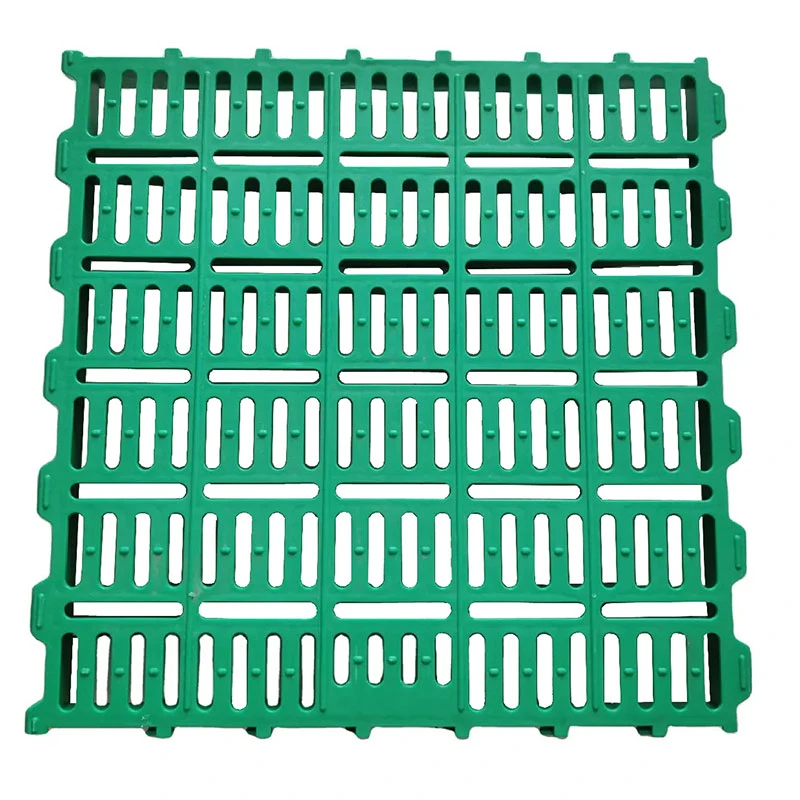
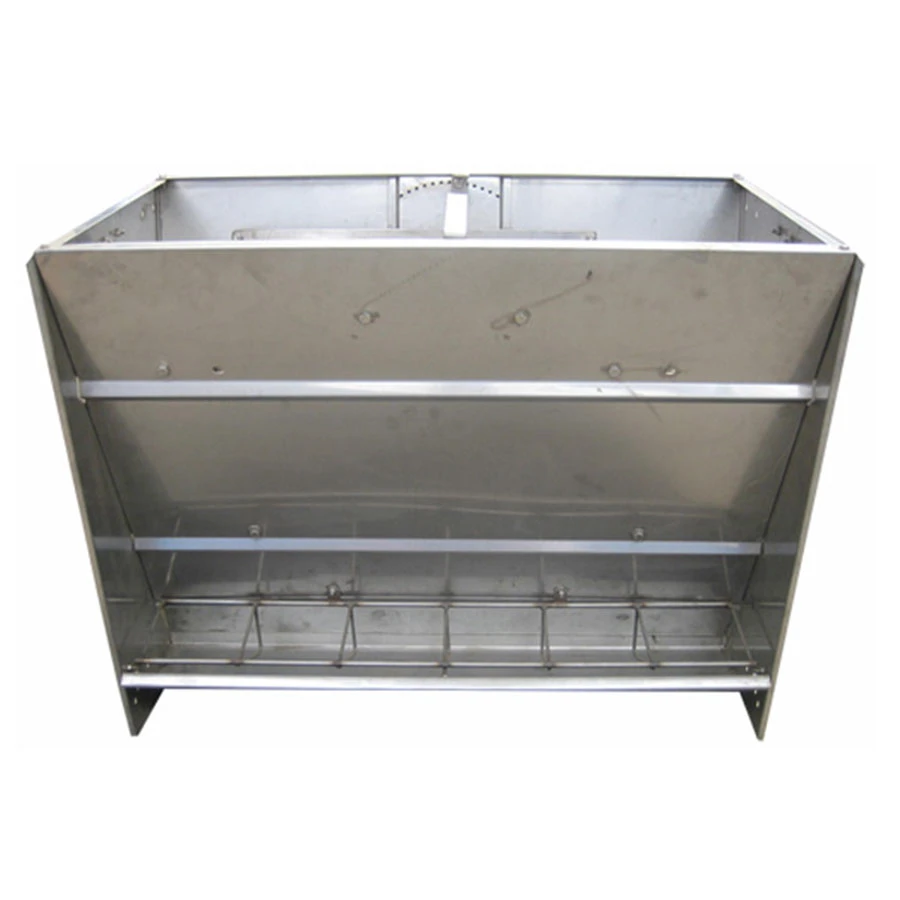
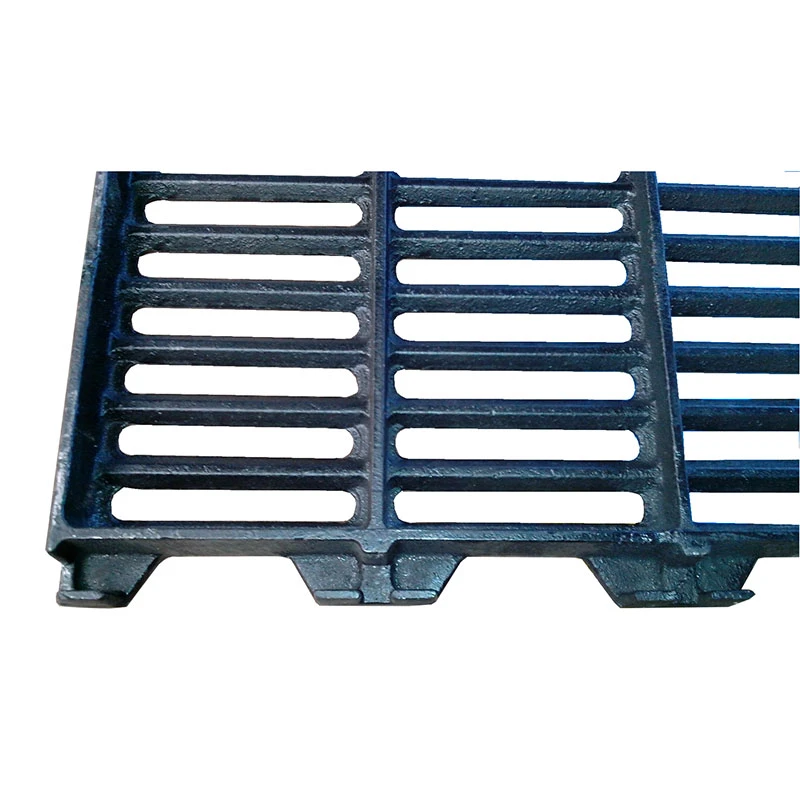
Integrated feeding troughs enable individualized feeding schedules, crucial for sow nutrition and piglet outcomes. Meanwhile, slatted floors and drainage design improve waste disposal, keeping the environment hygienic.
4. Scalability and Farm Integration
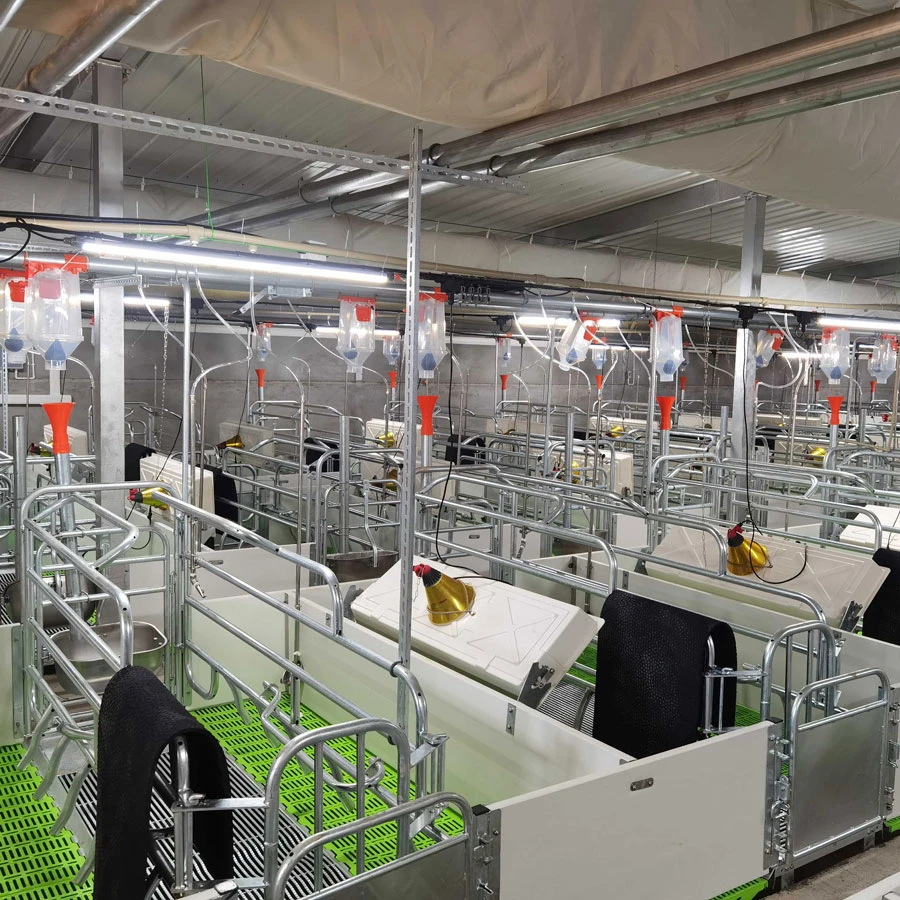
These crates must fit into larger barn setups seamlessly. Modular crate systems make expansion or reconfiguration simpler to adapt to changing herd sizes.
5. Cost Efficiency and Maintenance
While the initial cost is significant, especially for enhanced designs, many farmers see rapid ROI through improved sow productivity and lower mortality. Maintenance ease also reduces long-term operational costs.
Mini takeaway: Durable materials, smart space design, and integrated feeding/waste systems make pig gestation crates practical tools tailored for busy farms.
Global Applications and Real-World Use Cases
East Asia, North America, and Europe remain the biggest users of pig gestation crates — but how they’re used varies.
- Europe: With increasing welfare regulations, many farms have adopted group housing systems with crates used mainly for individual sow care during critical phases.
- United States: A blend of systems exists; confined gestation crates remain common, especially in large-scale production, but with growing adoption of free-farrowing pens.
- China: The rapid industrialization of pig farming uses gestation crates extensively to maximize yields amid massive demand.
- Developing regions: Smaller farms may struggle to invest in such equipment, but increasing global trade and NGO support help modernize husbandry practices.
For example, on a midwestern American farm I recently read about, the switch to adjustable gestation crate systems reduced piglet loss by 12%, while also easing worker labor in monitoring sow health.
Mini takeaway: Pig gestation crates are embedded in diverse farm practices worldwide but adapt differently according to welfare standards and scale.
Advantages and Long-Term Value of Using Gestation Crates
- Improved Reproductive Efficiency: Controlled environments mean healthier sows and better piglet survival rates.
- Enhanced Biosecurity: Isolating sows limits disease spread.
- Labor Efficiency: Easier feeding, health checks, and management save time and costs.
- Animal Welfare Considerations: Newer crates are designed with stress reduction in mind, balancing productivity and ethics.
- Economic Sustainability: Higher pork output supports farm profitability and global food supply.
Emotionally, farmers often remark that these crates help them “feel in control” during a sensitive phase of reproduction — and trust me, when sow lives and pen cycles are at stake, that feeling counts.
Mini takeaway: Pig gestation crates deliver measurable gains in productivity, safety, and even emotional reassurance for farmers.
Looking Forward: Trends and Innovations in Pig Gestation Crates
Modern agriculture is buzzing with innovation that challenges old norms, and gestation crates are no exception. Emerging trends include:
- Sustainable Materials: Biodegradable or recycled composites replacing traditional steel for environmental impact reduction.
- Smart Monitoring: IoT sensors to track sow movement, health, and feed intake remotely.
- Automation: Automated feeding and waste cleaning integrated with barn control systems.
- Welfare-Driven Designs: Group housing alternatives that incorporate movable partitions and enrichment devices.
Oddly enough, the future might see fewer crates, but more nuanced, hybrid systems that blend confinement and freedom tailored per animal.
Mini takeaway: Innovation in materials, automation, and welfare will redefine how pig gestation crates serve farming needs.
Challenges in Use and Approaches to Solutions
By no means are gestation crates perfect. Animal rights critiques focus on restricted movement causing stress and injury risks. Farmers grapple with installation costs and climate control challenges inside barns using these crates.
Some practical solutions emerging include:
- Designing adjustable crates that allow more sow movement while maintaining safety
- Implementing environmental enrichment like toys or rooting materials to reduce boredom
- Policy incentives and subsidies helping farms transition to better husbandry setups
- Increasing awareness and training for farmers on welfare standards
In real terms, the balance is delicate but achievable with industry and advocacy working together.
Mini takeaway: While not without flaws, improvements in design, management, and policy can mitigate many challenges of pig gestation crates.
Product Specification Table: Example Pig Gestation Crate Model
| Specification | Details |
|---|---|
| Material | Galvanized steel with anti-corrosion coating |
| Dimensions | 210 cm (length) x 65 cm (width) x 110 cm (height) |
| Weight Capacity | Up to 350 kg (sow weight) |
| Floor Type | Slatted floor for waste drainage |
| Feed Integration | Adjustable trough with individual feeding system |
| Additional Features | Optional enrichment attachments and sensor compatibility |
Vendor Comparison Table: Key Providers of Pig Gestation Crates
| Vendor | Product Range | Price Range (USD) | Notable Features |
|---|---|---|---|
| AgriSteel Co. | Basic to premium galvanized steel crates | $300–$650 | Custom sizes, anti-corrosion treatment |
| SowSafe Systems | Adjustable group housing and gestation crates | $550–$1000 | IoT integration, enrichment options |
| EcoBarn Solutions | Sustainable material crates and modular systems | $700–$1200 | Recycled composites, automated cleaning |
Frequently Asked Questions About Pig Gestation Crates
Q1: Are pig gestation crates legal everywhere?
A1: No, regulations vary globally. The European Union banned most gestation crates by 2013, while the U.S. has state-level restrictions. It’s important to check local laws to ensure compliance.
Q2: How do gestation crates affect sow welfare?
A2: While they prevent aggression and injury among sows, they can restrict movement, causing stress if improperly managed. Advances in crate design aim to reduce these welfare concerns.
Q3: Can farms transition to group housing systems easily?
A3: Transitioning can be costly and require barn redesign, but many farms do so with governmental support and improved welfare strategies, which also enhances public perception.
Q4: What maintenance do pig gestation crates require?
A4: Regular cleaning to prevent disease, checking structural integrity, and maintaining feeding mechanisms are essential to ensure crate longevity and sow health.
Q5: Are there any innovations to monitor animal health in crates?
A5: Yes, IoT sensors and automated systems can monitor sow activity, feeding, and health parameters, enabling timely interventions and better farm management.
Final Thoughts: Toward Smarter, More Ethical Pig Farming
Pig gestation crates have played a crucial role in the global pork production system by improving reproductive outcomes and operational efficiency. Yet, their future lies in smarter, more ethical designs—ones that embrace both animal welfare and farm economics, gently pushing us toward sustainable livestock farming.
If you want to explore innovative and humane solutions for your pig farming operation, visit our website: https://www.cxlivestock.com.
References:
Post time: Dec . 02, 2025