Understanding Sheep Water Trough Height: Why It Really Matters
When you think about livestock management, sheep water trough height might not immediately leap to mind as a critical factor. But in the grand scheme of global agriculture and animal welfare, it’s quite pivotal. Sheep water trough height essentially determines how comfortably and efficiently sheep can drink — impacting their health, growth, and ultimately the profitability and sustainability of sheep farming worldwide. It may sound niche, but consider this: globally there are over one billion sheep (according to FAO stats), with vast numbers grazing in diverse climates and terrains. Properly calibrated water trough heights can reduce water wastage, prevent injury, and ensure every animal in the flock has access to clean water, which is undeniably a basic need. So understanding and applying the right trough height isn’t just a convenience, it’s a small but vital cog in a far bigger agricultural puzzle. ---The Global Landscape: Why Sheep Water Trough Height Is a Universal Concern
Across continents, from the rolling hills of New Zealand to the vast plains of Mongolia, sheep farming is a cornerstone for many economies and cultures. The UN’s Food and Agriculture Organization (FAO) estimates that sheep provide meat, wool, and milk to millions, so their well-being is an international priority. And yet, one recurring challenge is ensuring water accessibility that matches the animals’ size and behavior. Incorrect sheep water trough height can limit intake or cause stress, particularly in regions where water scarcity already poses a problem. For example, in Australia or parts of Sub-Saharan Africa, where droughts hit hard and water conservation is crucial, troughs that are poorly designed or installed can lead to wasted resources or poor flock health. The question isn’t just about quantity — it’s about quality of access. In real terms, getting this right means less vet intervention, faster growth rates, and happier animals. It’s that important. ---What Exactly Is Sheep Water Trough Height?
In the simplest terms, sheep water trough height refers to the vertical distance from the ground to the top of the water trough or the water surface inside the trough. It’s all about ergonomics — how sheep physically approach and drink water. Unlike cattle or horses, sheep are smaller and have different drinking behaviors. Setting the trough too high or too low can cause discomfort. The ideal height generally corresponds to the average sheep’s shoulder or muzzle height, allowing the animal to drink without straining the neck or back. This might seem trivial, but it intersects deeply with animal welfare standards, modern agricultural automation, and resource optimization. In humanitarian livestock relief or in large-scale industrial farms, the trough height can influence the design of watering systems, automated refillers, and even monitoring sensors. ---Key Considerations for Setting the Right Sheep Water Trough Height
Here are the core aspects to keep in mind — and why they each matter:1. Animal Size and Age
Sheep breed, age, and size vary widely. For example, a Merino’s muzzle height differs from that of a Dorper lamb. Adjustable trough setups or multiple tiered heights can cater to diverse flocks. It’s not a “one-size-fits-all” scenario.2. Durability and Material Choice
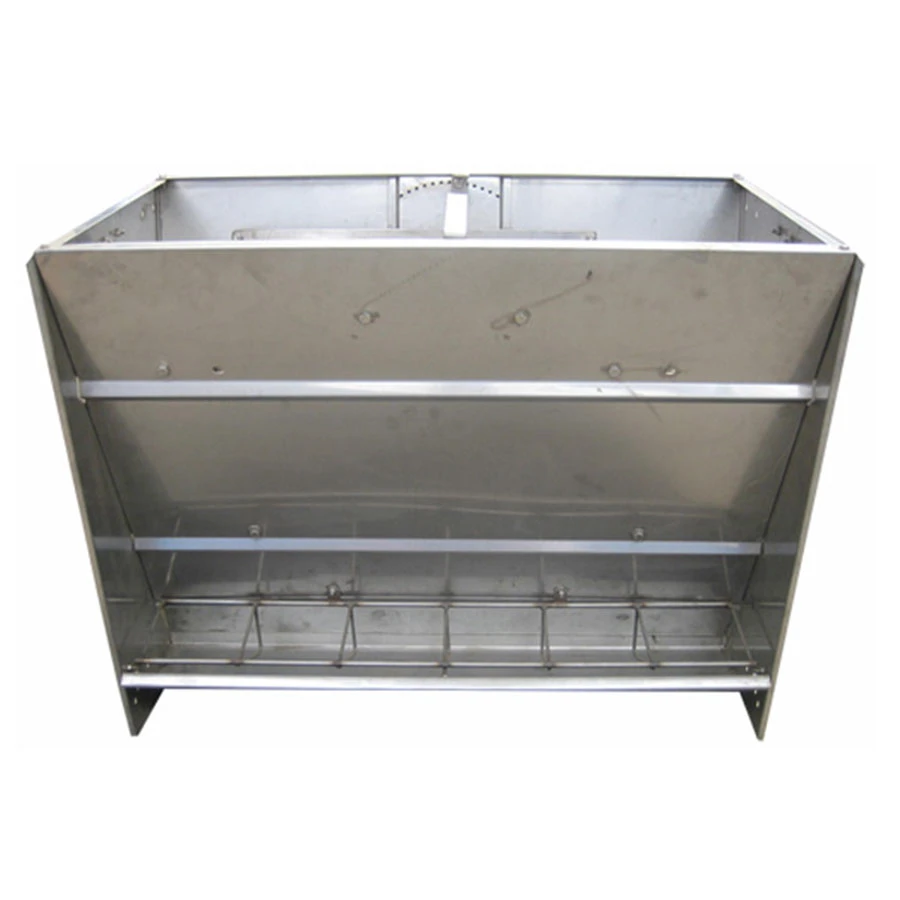
Troughs should withstand weather extremes and sheep’s rubbing or bumping. Materials like galvanized steel, concrete, or UV-resistant plastic are commonly preferred. A well-chosen material reduces maintenance, prolongs lifespan, and keeps water clean.3. Water Level Fluctuations
Water levels fall as sheep drink. Ensuring the rim height matches the natural drinking position even when the trough isn't full reduces strain.4. Accessibility and Flock Dynamics
Are the troughs wide enough to allow multiple sheep to drink simultaneously? Do the heights prevent dominant animals from hogging the water? Design plays a social role as well as a physical one.5. Environmental Conditions
In freezing climates, trough design and height must accommodate heaters or insulation. In arid zones, troughs might need covers to minimize evaporation. ---Sheep Water Trough Height Specifications: A Quick Reference Table
| Specification | Recommended Values | Notes |
|---|---|---|
| Average Trough Rim Height (small-to-medium breeds) |
18–21 inches (45–54 cm) | Fits most adults, allows ergonomic neck angle |
| Adjustable Height Options | 15–24 inches (38–60 cm) | Useful for multi-age flocks, lambs to elders |
| Trough Width | 36 inches (90 cm) or wider | Accommodates multiple simultaneous drinkers |
| Material Recommendation | Galvanized steel, UV-resistant plastic, concrete | Depends on climate, budget, flock behavior |
Comparing Vendors: Choosing the Right Sheep Water Trough Height Solutions
Not all water trough suppliers are created equal. Some excel in customization, others in cost efficiency, while a few prioritize sustainability. Here’s a breakdown of some top vendors often recommended by sheep farmers globally.| Vendor | Custom Height Options | Material Quality | Price Range | Sustainability Practices |
|---|---|---|---|---|
| TroughTech | Adjustable from 15 to 24 inches | High-grade galvanized steel | $$$ | Recycled steel, low water waste designs |
| FarmFlow | Fixed 18-inch standard models | UV-resistant polypropylene | $ | Basic eco-certifications |
| EcoTrough Solutions | Custom heights, modular setups | Blend of recycled plastics and metals | $$ | Strong focus on sustainability and local sourcing |
Sheep Water Trough Height in Practice: Global Examples and Use Cases
You might wonder if these details really carry weight in the real world. Well, here are a few examples: - New Zealand’s high-altitude sheep stations: Harsh weather and varied terrain mean adjustable trough heights are standard, combined with durable materials to resist frost. - Australian Outback farms: Water conservation is king. Troughs with well-calibrated heights help reduce spillage and evaporation – smart use of every drop matters in drought-prone zones. - Post-disaster livestock aid: In drought-stricken East Africa, NGOs supply modular troughs with adjustable heights to fit mixed-age herds quickly, accelerating recovery and animal well-being. - Commercial industrial farms: Automation comes into the picture here, with sensors adjusting water levels and tracking consumption — but trough height still needs careful calibration for optimal sensor feedback and animal comfort. It’s a quietly evolving field, blending tradition with new tech and environmental urgency. ---What Makes the Right Sheep Water Trough Height So Valuable Long-Term?
In the long run, when you get sheep water trough height right, you gain a lot: - Reduced injury risk: No more awkward neck strains or competition injuries. - Less water wastage: Proper height means sheep drink efficiently, and you save costs on refills. - Improved animal welfare: Healthy sheep grow faster, face fewer illnesses, and lower veterinary costs. - Operational efficiency: Easier cleaning, maintenance, and refill systems reduce labor. - Sustainability: Better water use and longer-lasting materials contribute to greener farming. And frankly, it just feels right. Healthy animals, happy farmers — a small detail with outsized impact. ---The Future of Sheep Water Trough Height: Innovations and Trends
We’re not just stuck with static troughs anymore. Innovation is nipping at traditional setups: - Smart troughs: Integrated sensors measure water levels, sheep drinking frequency, and trigger auto-refill systems. Height adjustability is increasingly automated based on detected sheep size. - Eco-materials: Biodegradable or recycled composites that resist UV and frost without heavy environmental footprints. - Renewable energy integration: Solar-powered heated troughs for cold climates maintain water flow without electric grids. - 3D printing: Customized trough designs catered to specific sheep breeds or flock compositions emerge faster and cheaper. Such clever improvements may still feel futuristic to some, but they’re gaining traction, especially in developed markets. ---Challenges and How to Overcome Them
Despite the clear benefits, some hurdles remain: - Cost constraints: Smaller or developing farms often struggle to afford adjustable or high-tech troughs. - Installation complexity: Custom heights and smart systems require technical knowledge. - Maintenance demands: Automated systems can fail without routine upkeep. - Behavioral quirks: Sheep sometimes prefer familiar setups and may reject new equipment. Solutions? Education is key — farmers embracing best practices see returns quickly. Partnering with trusted vendors offering training or warranty support also helps. Intriguingly, some farms use modular, portable troughs that can move with seasonal grazing, keeping height and access flexible. ---FAQ: Common Questions About Sheep Water Trough Height
- What is the ideal sheep water trough height for lambs?
Generally, lambs require troughs or drinking points at about 15–18 inches (38–45 cm) to avoid neck strain. Adjustable or separate lamb-only troughs sometimes work best. - How often should water levels be checked?
Ideally, several times daily in hot climates or during drought to ensure sufficient levels and prevent overflows. Automated sensors can simplify this task. - Can incorrect trough height cause health problems?
Yes, awkward drinking positions can lead to muscle strains or discourage water intake, leading to dehydration or poor growth. - Are plastic troughs as durable as metal?
High-quality UV-resistant plastics last well but may be more prone to damage from sharp objects or animals compared to galvanized steel. The choice depends on climate and budget. - Is installing adjustable height troughs worth the cost?
Long-term benefits often outweigh upfront expenses, especially for mixed-age flocks or commercial operations needing flexibility.
Wrapping It Up: Why You Should Care About Sheep Water Trough Height
To step back, sheep water trough height isn’t just an obscure farming detail — it’s a real linchpin in sustainable and humane sheep husbandry. Getting it right improves flock health, cuts waste, and supports more resilient production systems worldwide. Want to explore solutions tailored to your needs? Visit our website for detailed guides, specs, and industry-leading trough products: sheep water trough height. Because smart trough design today means stronger flocks tomorrow. ---References
Post time: Nov . 18, 2025