Understanding Farrowing Crate Size: Why It Matters More Than You Think
If you’ve never given a second thought to the tricky logistics of pig farming, farrowing crate size might seem like a super niche topic. Yet, this very detail plays a crucial role in global livestock management, animal welfare, and farm productivity. Knowing the right farrowing crate dimensions can improve piglet survival rates, streamline farm operations, and even influence sustainability initiatives on a large scale. Oddly enough, it’s one of those “small things” with outsized impacts worldwide.
Globally, pig farming supplies a significant portion of the world's protein, with millions of piglets born every year. Ensuring proper farrowing crate size helps reduce piglet crushing—a common cause of mortality—and supports humane husbandry practices increasingly demanded by markets and regulators alike.
The Global Importance of Farrowing Crate Size: Context and Challenges
According to the Food and Agriculture Organization of the United Nations (FAO), pork accounts for about 38% of the total meat consumption worldwide. This means sustainable and welfare-conscious pig farming is not just a local matter—it’s a pressing global challenge. Beyond feeding billions, the industry faces scrutiny over ethical treatment and environmental impact.
Yet despite advances, the sizing of farrowing crates remains a contentious issue. Too small, and sows get stressed or injured; too large, and it can mean wasted space and higher construction costs. This dilemma highlights why industrial farms, smallholders, and even policy-makers focus on optimizing farrowing crate size to balance wellbeing with productivity.
What Exactly is Farrowing Crate Size?
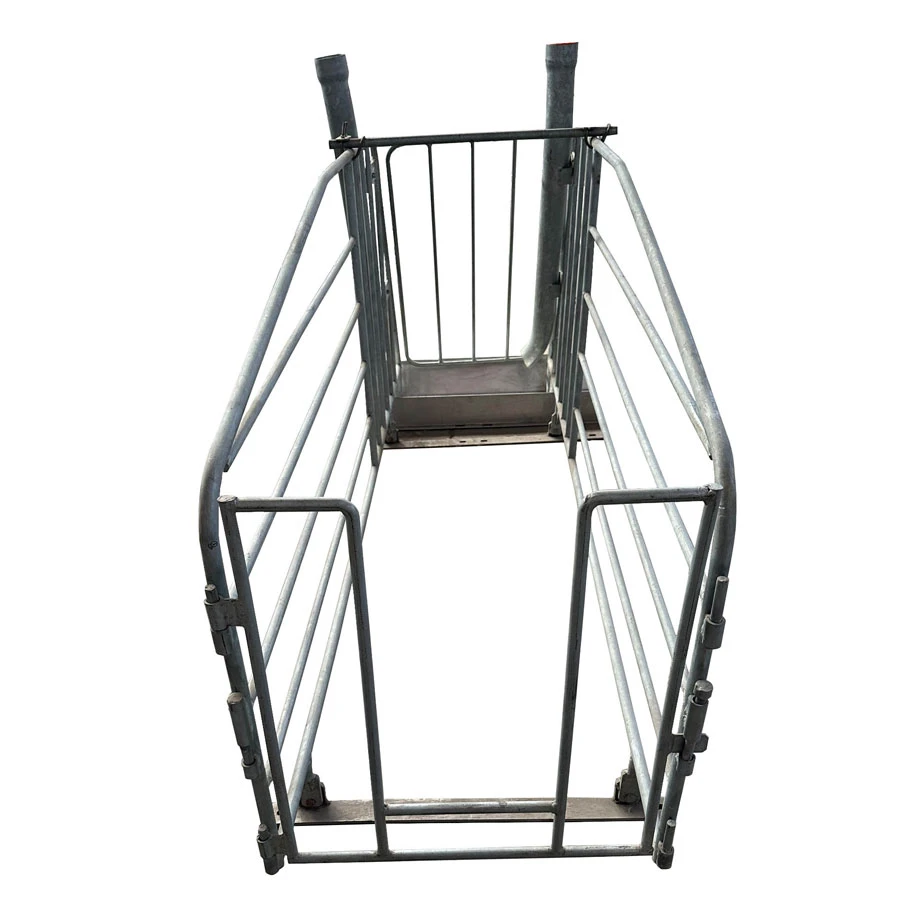
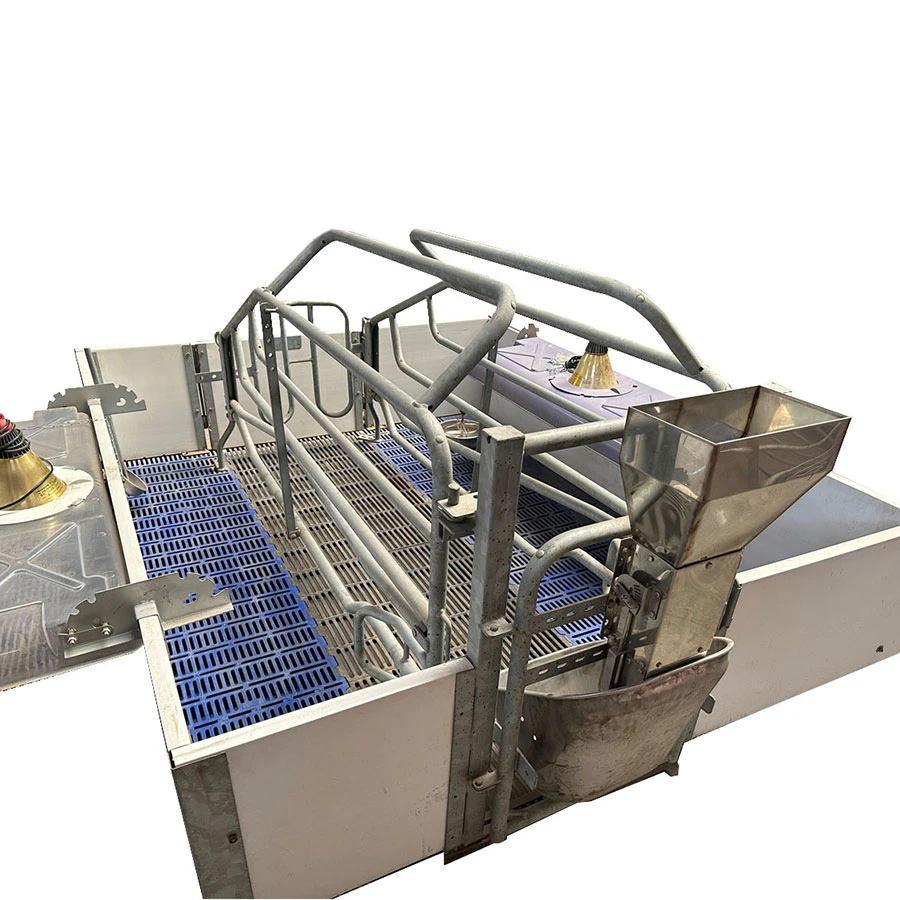
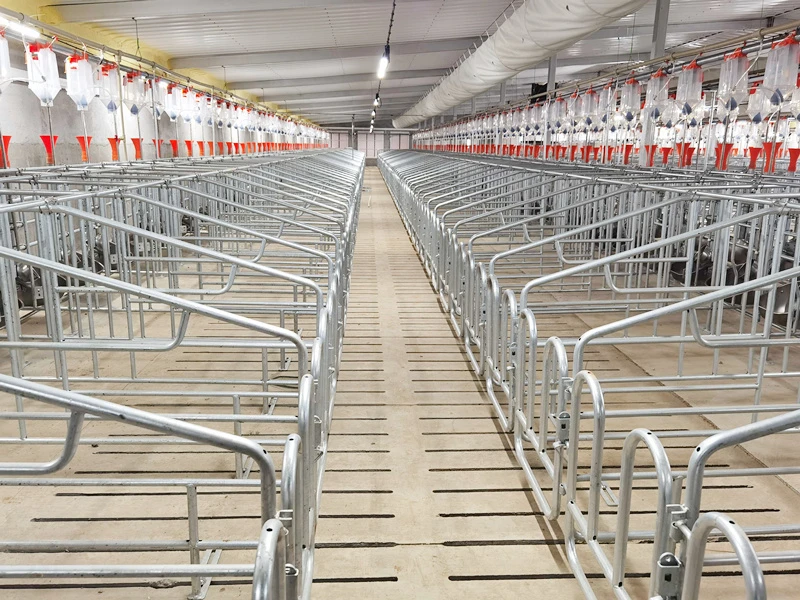
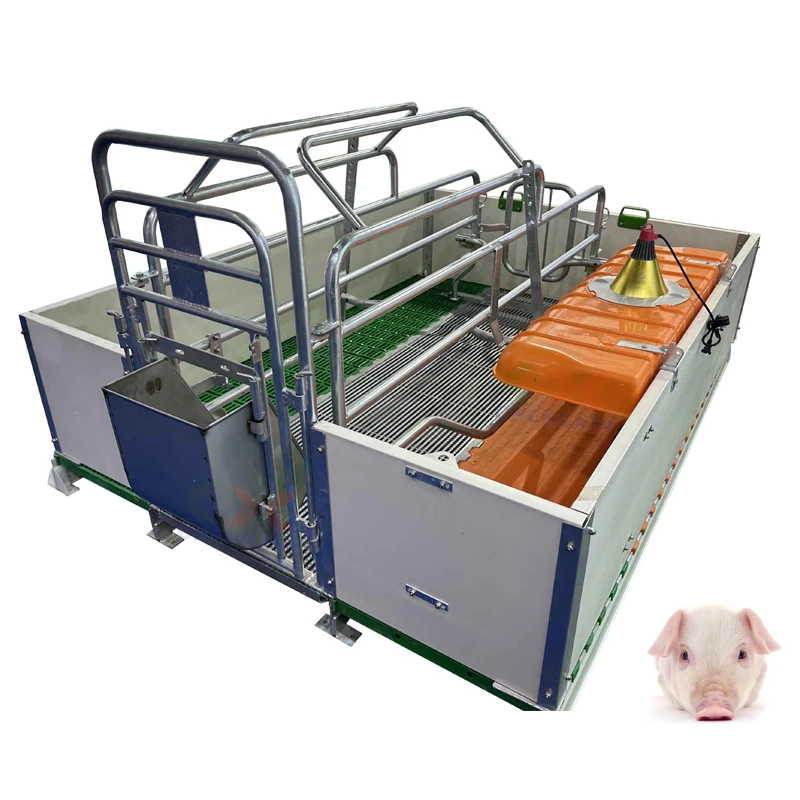
Simply put, farrowing crate size refers to the dimensions of the enclosure designed to house a sow during the farrowing (birthing) and nursing period. The crate confines the sow to prevent her from accidentally crushing newborn piglets, while still allowing the piglets space to move freely and nurse.
This measurement is more than just length and width; it considers the sow's size, growth stage, and behavior, alongside ventilation and piglet safety features. As pig farming becomes more industrial and regulated globally, the standardization and refinement of these crate dimensions have become essential for modern veterinary and humanitarian needs.
Key Factors That Shape Farrowing Crate Size
1. Sow Physical Dimensions
The crate must fit the sow comfortably without excess room that risks piglet safety. Average sow sizes vary by breed and age, and crate size must adapt accordingly. For example, a gilt versus a mature sow may require differing crate dimensions.
2. Piglet Safety Zone
Aside from the sow’s space, the crate includes protected areas where piglets can avoid accidental crushing. This 'safe zone' is critical in preventing mortality.
3. Ventilation and Hygiene
Proper crate size should allow airflow and ease of cleaning—both vital for disease prevention and sow comfort. Crates that are too cramped hamper ventilation.
4. Material Durability and Maintenance
The physical size also correlates with materials used. Durable metal and plastic-coated crates require precise sizing to balance longevity with weight and ease of handling.
5. Farm Layout and Scalability
Farrowing crates don’t exist in isolation. Their size affects barn design, worker movement, and scalability. Optimized sizes help farms expand without huge remodeling.
Summary:
- Choosing the right farrowing crate size isn’t just about the animal—it intersects with materials, farm operations, and welfare.
- Designing with sow and piglet needs in mind produces better health and productivity outcomes.
Farrowing Crate Size in Action: Global Uses and Examples
Farrowing crate standards vary globally. In Europe, welfare regulations often mandate crate sizes that prioritize sow comfort, while parts of Asia emphasize efficiency and space optimization.
For instance, in Denmark—a world leader in pig exports—crates typically measure around 2.4 m by 0.6 m, designed to limit sow movement without restricting posture changes. Contrast this with some Asian facilities where space constraints push smaller sizes, sparking ongoing welfare debates.
Organizations such as Compassion in World Farming advocate and collaborate internationally to promote humane crate sizing, influencing standards from Brazil to Canada.
At the same time, remote industrial farms in the US Great Plains leverage modular crate designs for rapid deployment, accommodating different sow sizes seasonally. Post-disaster relief agencies involved in resettling livestock also weigh crate sizing to ensure quick establishment of pig rearing units.
Mini Takeaway:
Though dimensions differ, all farrowing crate systems aim for one goal: growing healthy piglets while keeping sows safe and comfortable.
Advantages of Optimized Farrowing Crate Size
- Reduced Piglet Mortality: Correct sizing significantly lowers crushing incidents.
- Improved Sow Health: Less stress and more comfort improve reproductive performance.
- Operational Efficiency: Appropriately sized crates facilitate easier cleaning and handling.
- Economic Sustainability: Balanced space use reduces construction and maintenance costs.
- Ethical Compliance: Meets increasing legal and consumer expectations for animal welfare.
There’s also an emotional dimension: farmers report greater peace of mind, knowing their sows and piglets are safer, fostering trust between producer and consumer. So farrowing crate size blends logic with empathy.
Emerging Trends and Innovations in Farrowing Crate Design
The future looks bright—and sustainable. Advances in lightweight composite materials allow crates that are strong but easier to move. Smart sensors embedded in crates can now monitor sow behavior and piglet activity, helping farmers adjust conditions in real time.
Digitization and automation also touch crate sizing: robotic cleaning solutions require standardized dimensions to navigate efficiently. Environmentally, some farms are exploring bioplastics or recycled metals to reduce carbon footprints.
On policy, the EU’s ongoing revisions to pig welfare directives push toward crates that maximize sow freedom, driving design innovation.
Common Challenges and How Experts Address Them
Though standards exist, farms often struggle with:
- Space Limitations: Particularly in intensive farming, balancing crate size with farm capacity is tricky.
- Cost vs. Welfare: Larger crates cost more upfront, causing resistance.
- Standardization Difficulties: Varied national requirements complicate global manufacturing.
Innovative solutions include modular crate panels adjustable to sow size, leasing programs to reduce financial barriers, and global harmonization efforts led by trade associations.
Product Specification Table: Typical Farrowing Crate Dimensions
| Specification | Dimension (Metric) | Dimension (Imperial) | Notes |
|---|---|---|---|
| Total Length | 2.2 – 2.5 meters | 7.2 – 8.2 feet | Dependent on sow breed |
| Width (Sow area) | 0.6 – 0.7 meters | 2.0 – 2.3 feet | Allows limited movement for sow safety |
| Piglet “Safe Zone” Width | 0.3 – 0.4 meters | 1.0 – 1.3 feet | Space for piglet refuge |
| Recommended Material | Galvanized Steel / Powder-Coated Frame | N/A | Durable, corrosion-resistant |
Vendor Comparison Table: Leading Farrowing Crate Manufacturers
| Vendor | Standard Sizes Offered | Material | Custom Options | Price Range (USD) |
|---|---|---|---|---|
| AgriSteel Corp | 2.2 m x 0.6 m; 2.5 m x 0.7 m | Powder-coated steel | Yes – breed-specific kits | $220 – $350 |
| FarmTech Solutions | 2.3 m x 0.65 m only | Galvanized steel | Limited | $190 – $300 |
| Livestock Innovations | Custom sizes available | Composite and steel | Full customization | $300 – $450 |
Frequently Asked Questions About Farrowing Crate Size
1. What is the ideal farrowing crate size for a large sow?
The ideal farrowing crate size for a large sow usually ranges between 2.3 to 2.5 meters in length and around 0.7 meters in width. This ensures enough room for comfort but limits the sow’s movement to prevent piglet crushing. Ultimately, sizing should consider breed specifics and piglet safety zones.
2. Can farrowing crate size affect piglet survival?
Absolutely. An appropriately sized crate reduces the risk of piglets being accidentally crushed by the sow. Crates that are too large or too small increase danger. Proper dimensions allow piglets to avoid the sow safely while facilitating easier nursing.
3. How do ventilation requirements influence farrowing crate size?
Ventilation needs require space to allow air circulation around the sow and piglets. Crates that are too tight may lead to poor airflow and increase disease risk. Hence, crate width and length must provide enough room for both comfort and hygiene maintenance.
4. Are there farrowing crate size regulations internationally?
Yes, though they vary. For instance, the European Union has specific welfare standards that influence minimum crate sizes, while other countries adopt guidelines based on local farming practices, sow breeds, and welfare concerns. Always check national regulations before installation.
Conclusion: Why Farrowing Crate Size is a Long-Term Winning Move
So, after all is said and done, farrowing crate size isn’t just a measurement — it’s a thoughtful balance between animal welfare, economic efficiency, and sustainability. Farms that prioritize optimized crate dimensions often see more robust piglet survival, happier sows, and smoother operations. If you’re into pig farming or livestock management, it’s worth paying close attention to this detail — it’s an investment in quality, trust, and future readiness.
To dive deeper or explore tailored farrowing crate options, visit our website: https://www.cxlivestock.com
References
Post time: Dec . 02, 2025