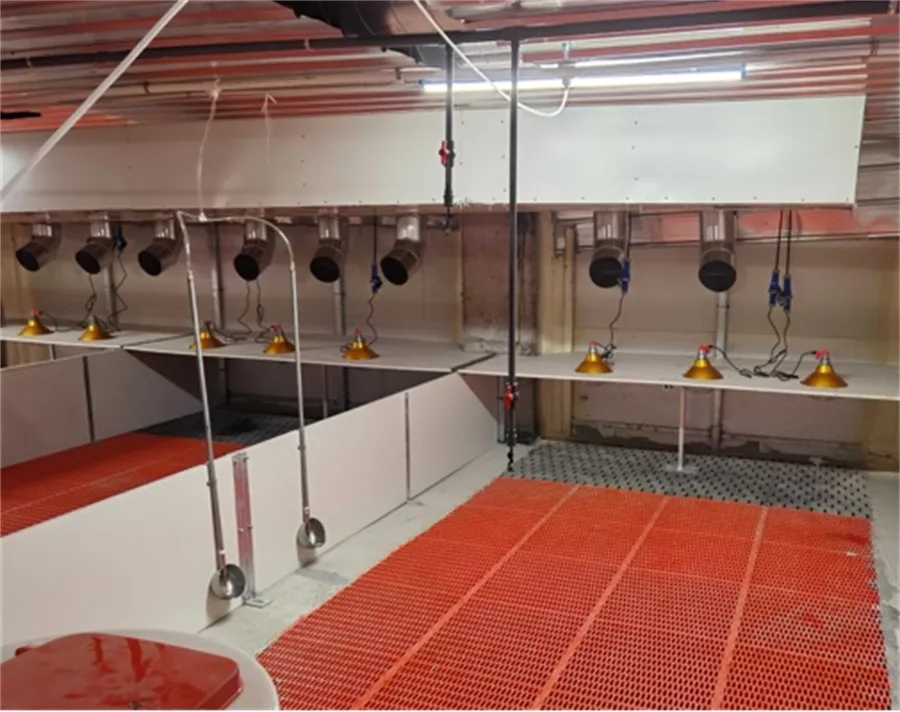
Inside the Modern nursery crate: Weaner Nursery Stall Explained
If you’ve ever walked a barn on day three post-weaning, you know the stakes: calm piglets, stable temps, clean floors, zero drafts. That’s exactly where a well-engineered nursery crate earns its keep. The Weaner Nursery Stall from Hebei, China—made along Dongtai Road in Huanghua’s Economic and Technological Development Zone—has been popping up in conversations with farm managers lately. To be honest, I was skeptical at first. But after seeing how it’s designed around the “3-weeks-and-onward” window, the rationale checks out.
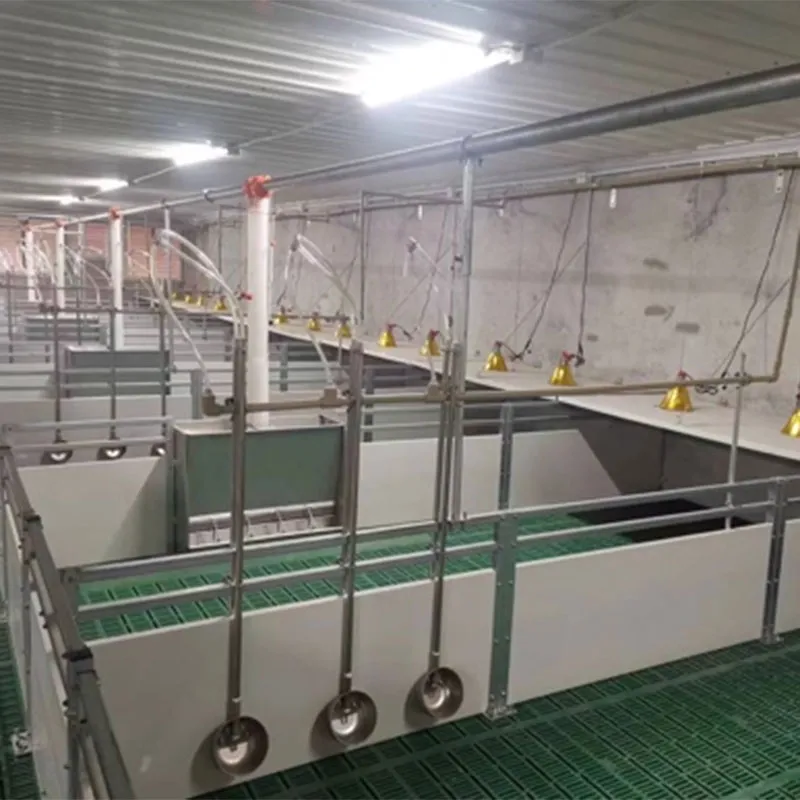
What it is and why producers care
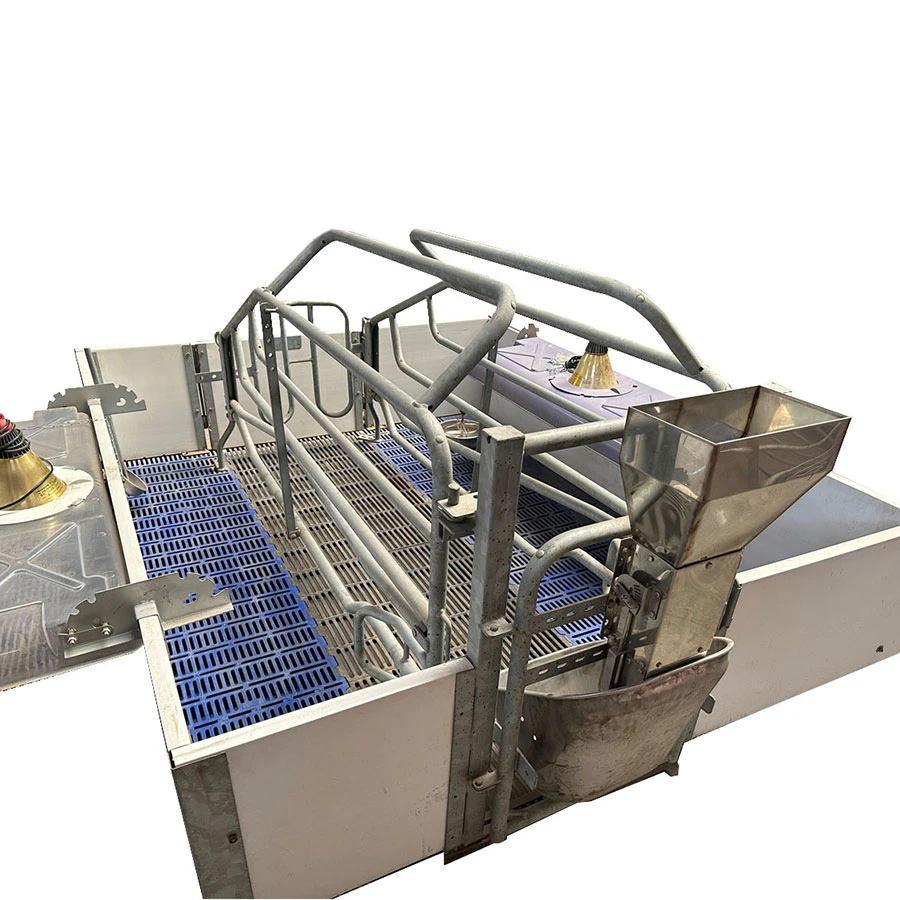
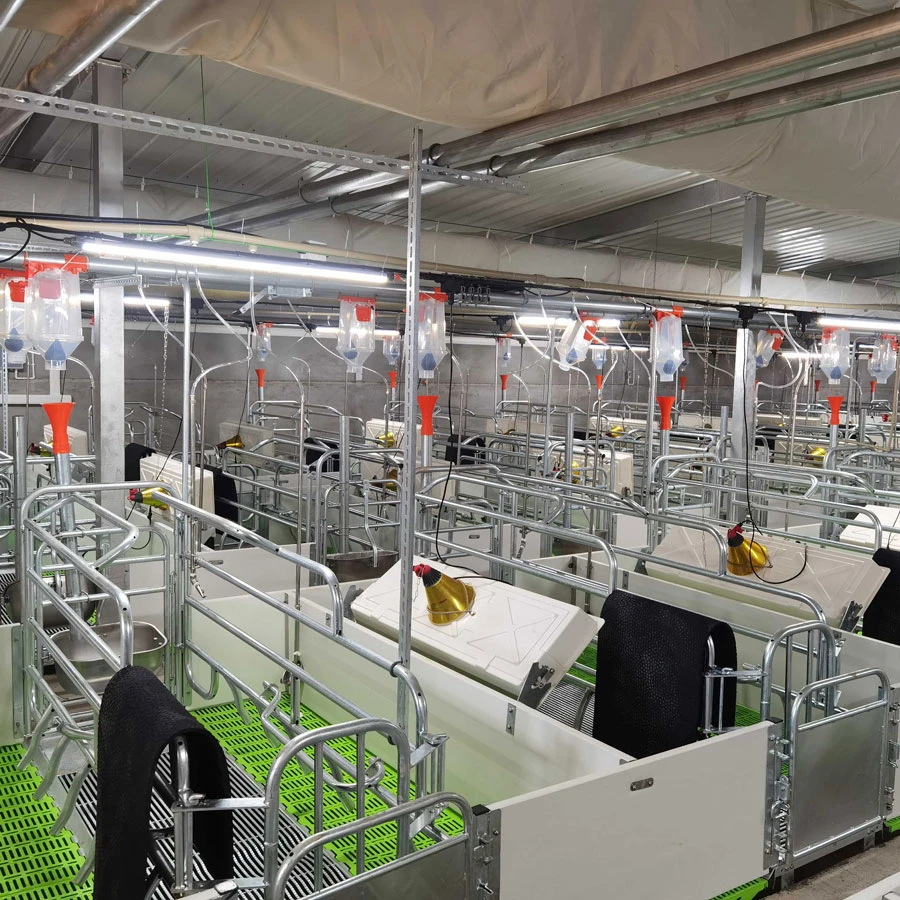
Weaner Nursery Stall is built to give newly weaned piglets a safer, quieter, cleaner micro-environment—blocking illness from the sow, stabilizing thermals, and nudging growth. Many customers say the piglets settle faster in the first 48 hours, which is the make-or-break period for survival rate and early feed intake. It seems that, done right, the humble nursery crate becomes a small biosafety bubble with better hygiene and handling.
Product specs (typical configuration)
| Parameter | Spec (≈, real-world use may vary) |
|---|---|
| Frame material | Hot-dip galvanized steel, zinc layer ≈80–120 μm (ISO 1461 / GB/T 13912) |
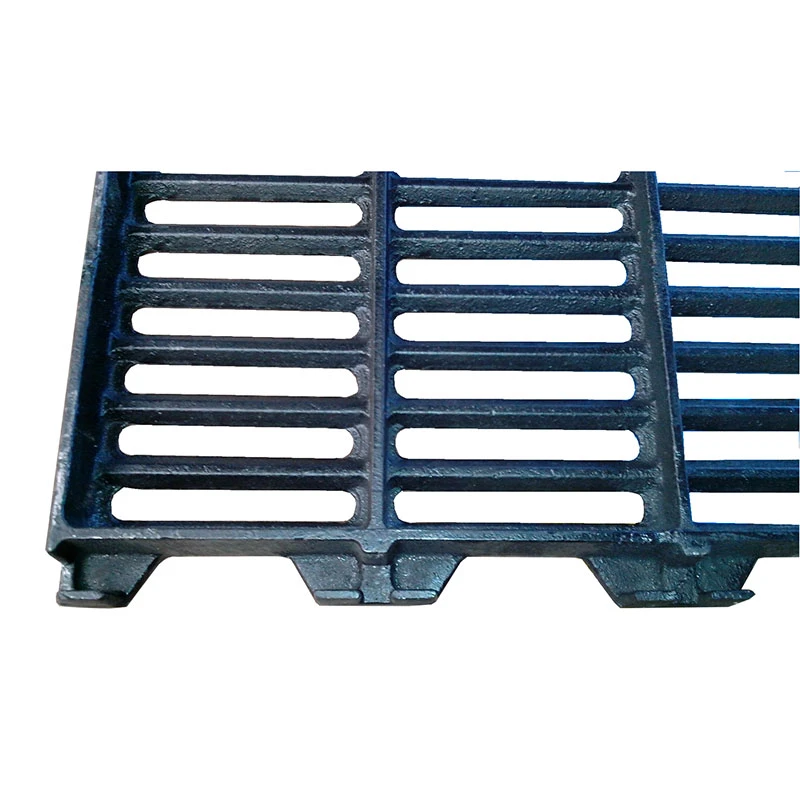
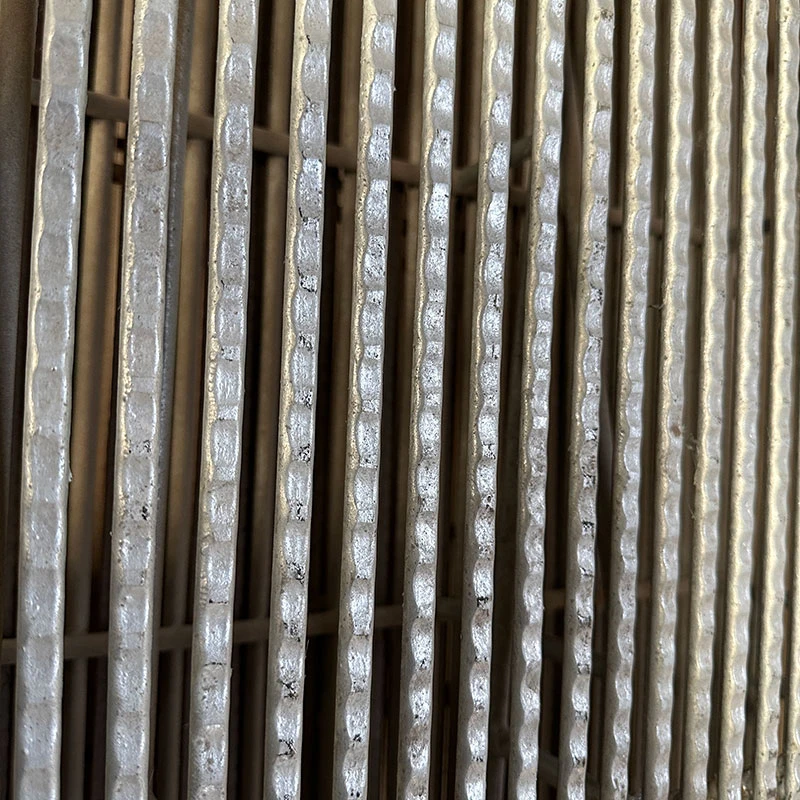
| Flooring | HDPE or PP slats, slot gap ≈10–12 mm; load rating ≈150–200 kg/m² |
| Pen size options | Commonly 1.6–2.4 m length; 1.2–1.8 m width; 8–12 piglets/pen |
| Thermal features | Heat-lamp or mat compatibility; draft shield panels; target microclimate 26–30°C for weaners |
| Service life | ≈8–12 years with routine washdowns and biosecurity |
Process flow and quality checks
- Materials: Q235 steel tubing, hot-dip galvanized; injection-molded HDPE/PP slats; SS304 fasteners.
- Fabrication: Precision cutting, MIG/TIG welding, grinding/deburring, full-immersion galvanizing, QC jig checks.
- Testing: Salt-spray test ≈240 h (ASTM B117) no red rust; weld tensile sampling; slat load test ≈200 kg/m²; thermal imaging for hot-spot detection.
- Standards: ISO 1461, GB/T 13912 for galvanizing; electrical accessories typically CE and RoHS where applicable.
Application scenarios and advantages
- Weaning to 8–10 weeks: stable microclimate and easy cleaning reduce pathogen pressure.
- Better growth performance: farms report earlier feed pickup and tighter weight curves.
- Biosecurity: partitioning limits cross-pen transmission; smooth slats improve manure flow.
- Labor: fast washdowns; fewer sick-bay moves—at least that’s what a couple of managers told me.
Vendor snapshot (what buyers compare)
| Vendor | Lead time | Customization | Certs | Warranty |
|---|---|---|---|---|
| CX Livestock (Weaner Nursery Stall) | ≈25–35 days | Pen sizes, slats, feeders, heat options | ISO 9001; CE/RoHS on electrics (where used) | Up to 3 years structural |
| Importer A | ≈45–60 days | Limited menu | Basic CoC | 1–2 years |
| Regional Fabricator B | ≈2–4 weeks | High (custom builds) | Varies by shop | Varies |
Customization notes
Producers often tweak gate heights, feeder styles (dry/wet-dry), nipple drinker placement, slat gap, and heat zones. Color-coding pens for batches is a small but helpful touch. A nursery crate should match your barn’s airflow pattern—drafts kill gains.
Field results (two quick cases)
- Shandong, 2,400-head retrofit: pre-wean survival +2.1%, ADG +27 g, FCR improved ≈0.08 over first 6 weeks; wash time down ≈18%.
- Spain, 180-head family farm: calmer piglets by day 2 (manager’s words), scours dropped visibly; labor hours down ≈15%.
Feedback sounds modest but consistent: “cleaner, quieter, seems sturdier.” That’s usually what you want from a nursery crate—no drama, just steady gains.
Compliance and sourcing
Manufactured in Huanghua City, Hebei Province, China. Ask for mill certs, galvanizing reports (ISO 1461/GB/T 13912), and any CE/RoHS docs for heat lamps or mats. If you export to the EU, check alignment with Council Directive 2008/120/EC pig welfare provisions.
Citations
- ISO 1461:2022 – Hot dip galvanized coatings on fabricated iron and steel articles. https://www.iso.org/standard/76515.html
- ASTM B117 – Standard Practice for Operating Salt Spray (Fog) Apparatus. https://www.astm.org/b0117-19.html
- GB/T 13912-2020 – Hot-dip galvanized coatings on fabricated iron and steel articles (China). http://std.samr.gov.cn
- Council Directive 2008/120/EC – Minimum standards for the protection of pigs. https://eur-lex.europa.eu/eli/dir/2008/120/oj
- FAO – Good practices for biosecurity in pig production. https://www.fao.org
Post time: Oct . 05, 2025