Understanding Large Feed Storage Bins: Global Impact and Benefits
So, what exactly are large feed storage bins and why do they matter beyond just farming communities? It turns out these massive containers are more than simple holding vessels—they're essential cogs in the global agricultural supply chain, food security, and livestock management strategies. Globally, with projections estimating the world population hitting nearly 10 billion by 2050 according to the UN, efficient feed storage isn't just a convenience; it's outright necessity. Understanding these bins helps mitigate waste, saves costs, and sustains supply—especially in regions challenged by climate volatility or logistical hurdles.
To put it plainly: knowing about large feed storage bins is a step toward smarter food production and distribution worldwide.
Introduction: The Global Imperative of Large Feed Storage Bins
Livestock farming remains a cornerstone of rural economies and food systems worldwide. According to the Food and Agriculture Organization (FAO), livestock contributes about 40% to global agricultural GDP and supports nearly a billion livelihoods. Yet, storing feed efficiently and safely is an ongoing challenge exacerbated by factors like increasing feed demand, variable weather, and transportation issues.
Large feed storage bins address these challenges head-on—they’re designed to hold tons of feed securely, protect it from moisture and pests, and ensure constant availability. Which makes you realize: without them, farmers risk substantial losses and inconsistent animal nutrition that cascade into greater food scarcity concerns.
What Are Large Feed Storage Bins?
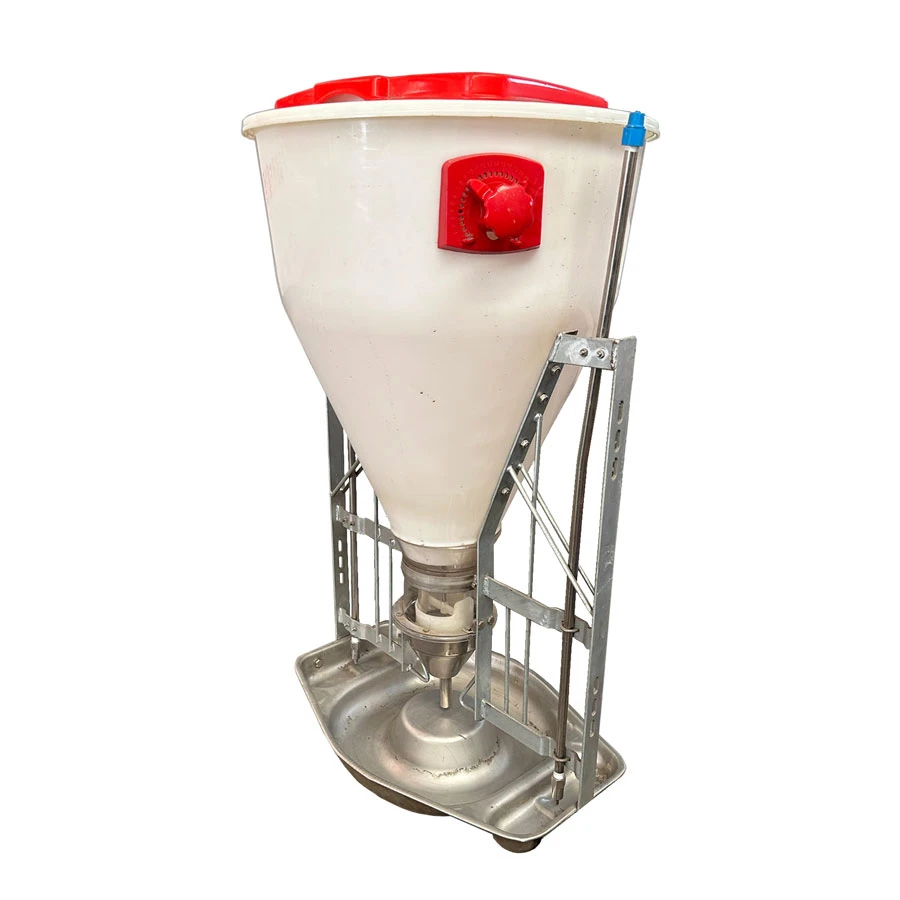
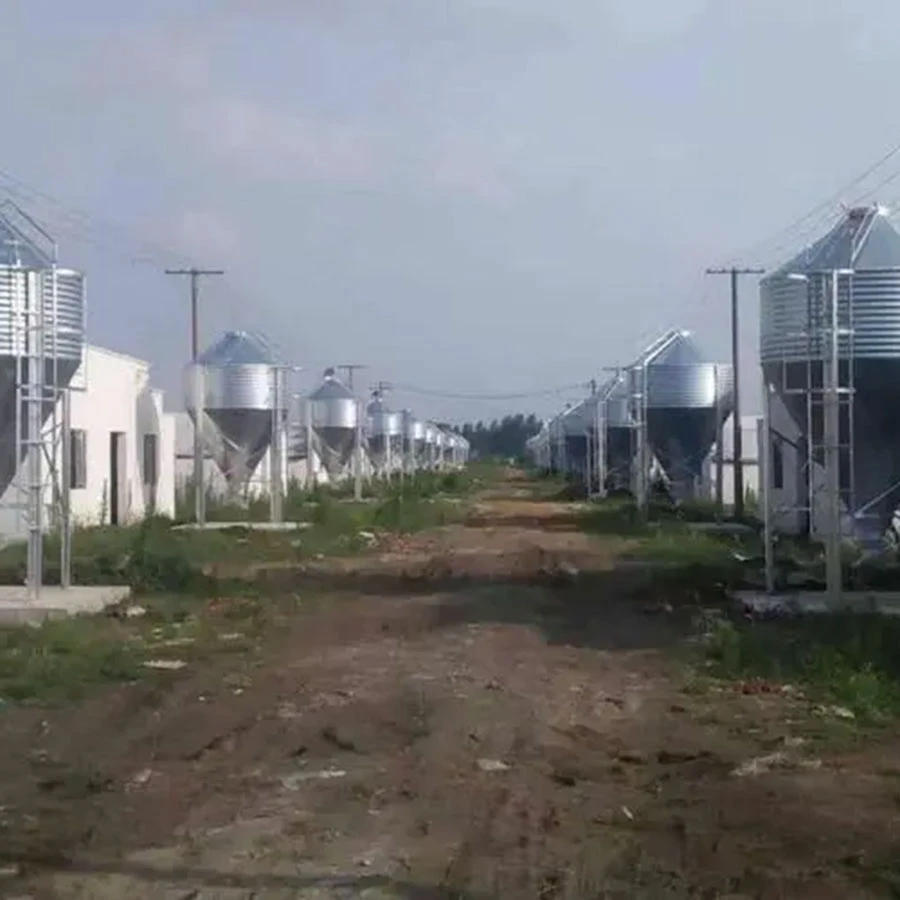
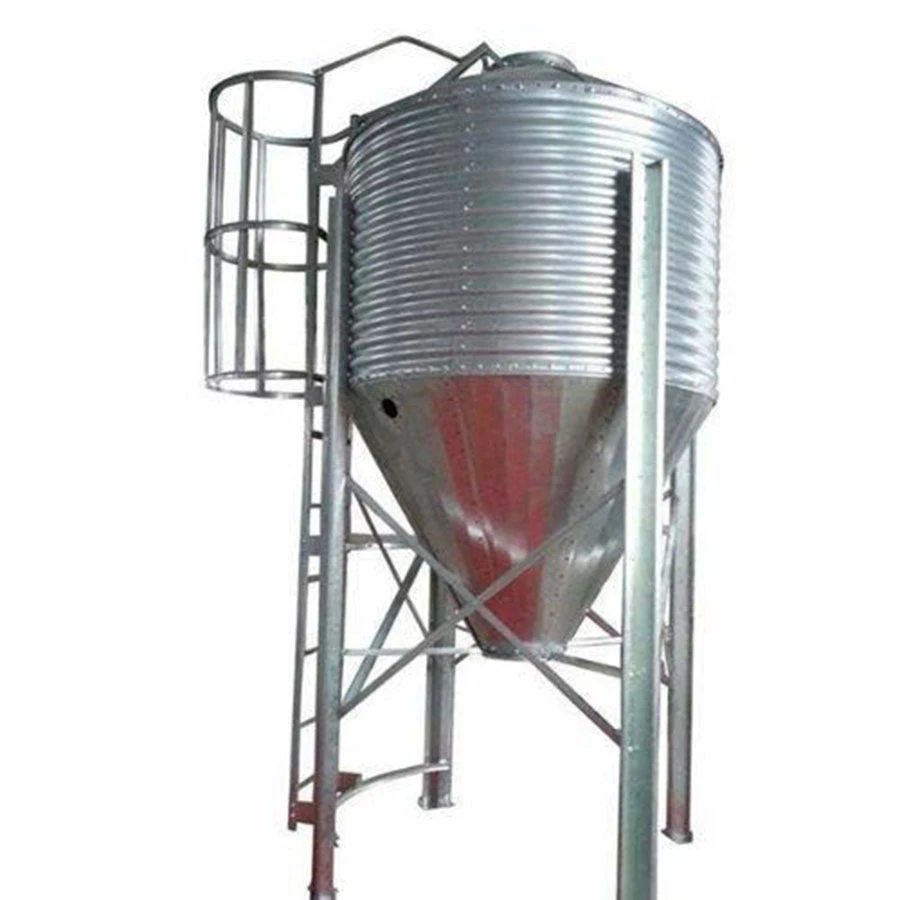
In straightforward terms, large feed storage bins are substantial containers made typically from steel or high-density plastic, constructed to store vast quantities of animal feed safely. They connect directly to modern industrial farming and humanitarian food support operations by optimizing how feed is preserved and delivered. Whether it’s grain, pellets, or mixed feeds, these bins reduce spoilage and labor.
They are not just silo towers you see dotting landscapes—some are modular, mobile, or built with integrated feeding systems, enhancing scalability and automation across farms and relief efforts alike.
Key Components and Factors Affecting Large Feed Storage Bins
Durability
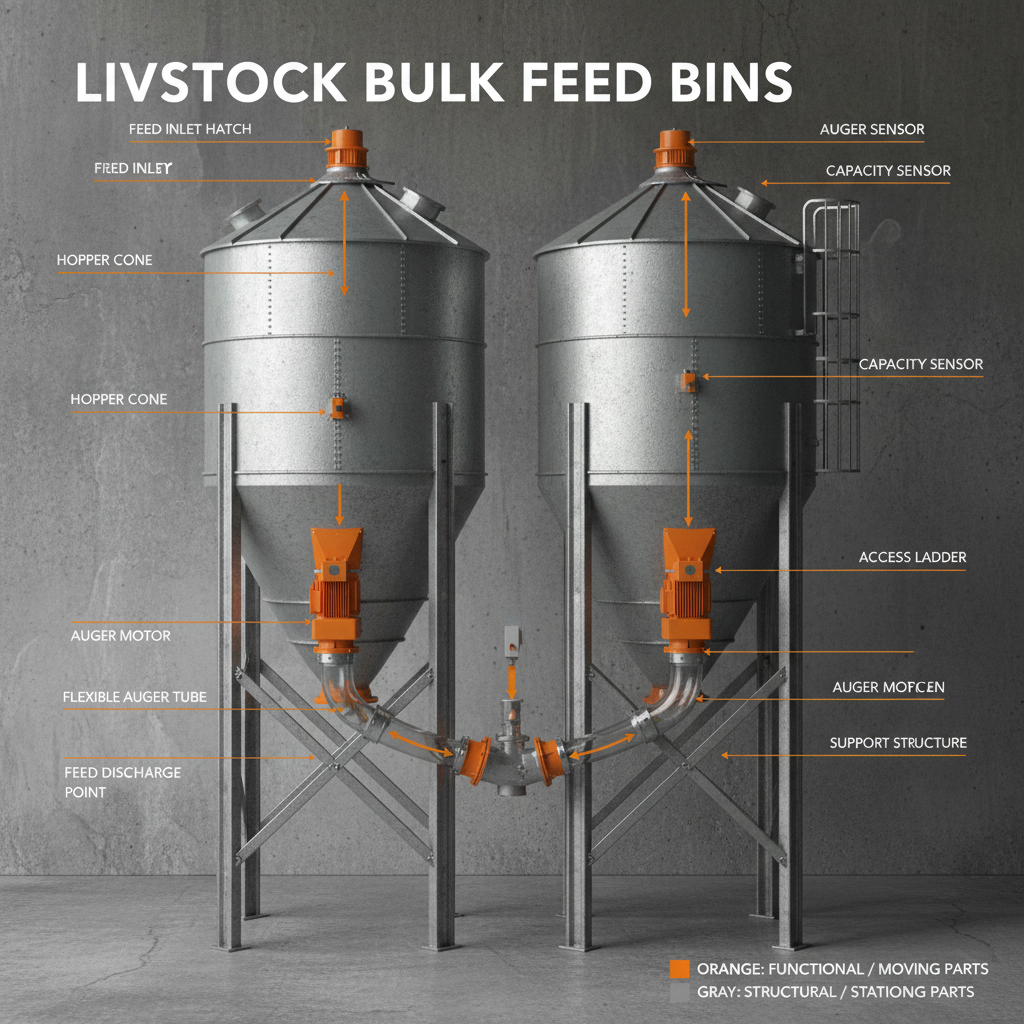
Most bins are fabricated from galvanized steel to withstand harsh environmental conditions like corrosion, wind, and rodents. Longevity matters because replacing bins too often hits budgets hard—and is wasteful.
Scalability
Bins come in diverse sizes, from a few tons to several hundred tons’ capacity—to match farm sizes and future growth. Some models allow linkage for seamless feed distribution.
Cost Efficiency
Upfront bin investment balances against savings from reduced spoilage, lower labor, and bulk feed purchases. Plus, operational uptime is critical in climates where feed can degrade swiftly.
Protection & Sanitation
Air-tight seals and moisture barriers keep feed safe. Many bins integrate ventilation or pest-control features—this matters especially in tropical or humid zones.
Automation Compatibility
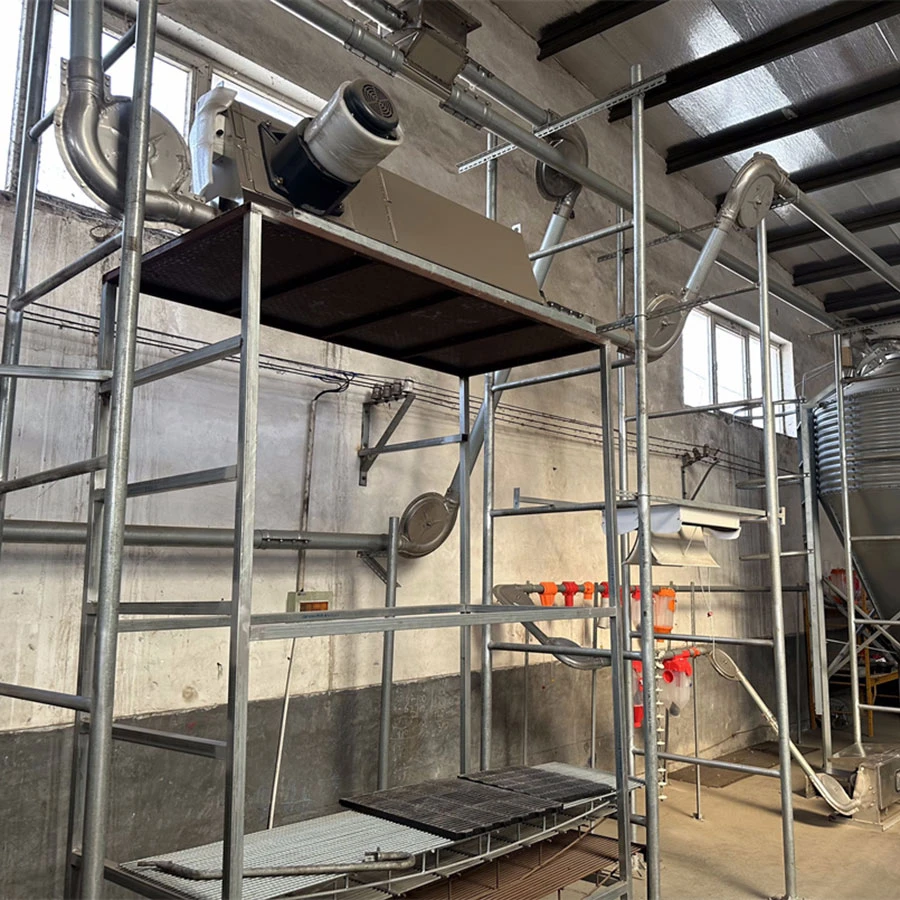
Newer bins often support automated feeding or monitoring systems, leveraging sensors to optimize feed delivery and manage inventory remotely.
Quick Takeaway:
Durability, scalability, cost efficiency, protection, and automation form the backbone of effective large feed storage bins—each impacting how reliably feed supports livestock productivity.
How Large Feed Storage Bins Perform Around the World
Globally, from tiny village co-ops in Sub-Saharan Africa to sprawling agribusinesses in North America, these bins are deployed to improve feed logistics and food safety.
- In disaster relief: Large feed bins ensure emergency livestock feeding after floods or droughts, preserving livelihoods and local food supplies.
- In remote regions: For industrial mining or construction sites, farm animals need reliable feeding. Storage bins adapted to rugged conditions bridge that gap.
- In commercial farming: Efficiency and automation tied to feed bins dramatically reduce costs and feed wastage across Europe and Asia.
In fact, many NGOs prefer standardized bins that can be shipped internationally—making response times faster and feed management more consistent.
Advantages and Long-Term Value
Deploying large feed storage bins yields tangible benefits:
- Cost savings: Bulk feed purchase and preservation cut down operating expenses.
- Sustainability: Minimizing spoilage and waste aligns with global food security goals.
- Social impact: Reliable feed supports farmer livelihoods and animal welfare, enhancing food dignity.
- Trustworthiness: When bins protect feed, farmers trust supply chains more—critical for business planning.
Product Specification Table
| Feature | Specification |
|---|---|
| Material | Galvanized Steel / HDPE |
| Capacity | 10 to 150+ tons |
| Dimensions | Varies by model; up to 5m diameter |
| Protection Features | Moisture Seal, Ventilation, Rodent Proofing |
| Automation Ready | Sensor & Feed Dispensing Compatibility |
| Lifespan | 10-20 years (with maintenance) |
Top Vendors Comparison
| Vendor | Material | Price Range | Automation Features | Warranty |
|---|---|---|---|---|
| AgriBin Solutions | Galvanized Steel | $$$ | Full Sensor Suite | 10 years |
| FarmBin Corp | HDPE & Steel Hybrid | $$ | Manual Only | 7 years |
| SafeFeed Bins | Galvanized Steel | $$$ | Partial Automation | 12 years |
Emerging Trends & Innovations
Interestingly, the future of large feed storage bins isn’t just bigger or stronger—they’re becoming smarter and greener. Digital transformation is taking hold, with IoT sensors monitoring feed levels and environmental conditions in real-time. This reduces human error and improves inventory management.
On the materials front, research into composite plastics and recycled materials aims to lower the carbon footprint of bin manufacture and disposal, aligning with ISO sustainability frameworks. Plus, solar-powered automated feed dispensing systems are beginning to appear in eco-conscious farming operations.
Challenges & Practical Solutions
Of course, these bins aren't perfect—common issues include high upfront costs, site-specific installation challenges, and occasional pest intrusions despite protective measures. But many engineers suggest modular designs that can be transported and assembled on-site as efficient workarounds. Plus, innovations like bio-based coatings help deter rodents more naturally.
Training farmers and operators on maintenance protocols and integrating automated monitoring can also preempt spoilage. It's all about smart management paired with strong infrastructure.
FAQ: Your Questions About Large Feed Storage Bins
- Q: How often should large feed storage bins be inspected for maintenance?
A: Ideally, bins should be checked seasonally—before and after feed delivery—to ensure seals are intact, moisture levels minimal, and no pest damage has occurred. Regular inspections extend lifespan and reduce feed loss. - Q: Can these bins be customized for different types of feed?
A: Definitely. Many vendors offer custom options tailored for pellets, grains, or mixed feed, with specialized aeration or insulation features to protect specific feed types. - Q: Are large feed storage bins suitable for remote or off-grid farms?
A: Yes. Some bins come equipped with solar-powered monitoring and dispensing systems, which are ideal for off-grid locations—improving efficiency without dependence on existing infrastructure. - Q: What's the typical installation time for a large feed bin?
A: Installation varies but commonly takes from a few days up to two weeks, depending on site prep, bin size, and whether automation is included.
In Summary
Large feed storage bins are quietly essential heroes of food security and efficient livestock farming worldwide. They combine engineering, practicality, and evolving tech to solve real-world problems—from reducing feed waste to supporting sustainable agriculture and humanitarian response. If you haven’t already, I suggest checking out more about large feed storage bins to see how they might fit your needs—or just to appreciate their global significance.
Ready to explore reliable, cost-effective solutions for feed storage? Visit our website and discover how cutting-edge bins can help future-proof your operation.
It’s remarkable how something that feels so simple—the right container—can cascade into lasting benefits for farms, ecosystems, and economies. Oddly enough, that’s the charm of large feed storage bins: understated but indispensable.
References
Post time: Dec . 08, 2025