Understanding Hog Breeding Supplies: A Vital Component in Global Agriculture
At first glance, "hog breeding supplies" might sound like an industry-specific niche, reserved for farmers or livestock suppliers. Yet, when you pause and consider the bigger picture of global food security, sustainable agriculture, and rural economies, these supplies suddenly seem... well, pretty critical. From the equipment used in artificial insemination to feeding systems, these tools not only enhance productivity but also directly impact animal welfare and food quality worldwide.
Worldwide, pigs contribute nearly 36% of the world’s meat protein supply, according to FAO data — meaning the demand for effective hog breeding supplies isn't just local; it’s a global challenge and opportunity. Growing populations, evolving consumer tastes, and increasing urbanization all place pressure on farmers to optimize every stage of hog production. Understanding these supplies means understanding how we meet the future's protein needs with responsibility and innovation.
The Global Context: Why Hog Breeding Supplies Matter More Than Ever
Let’s zoom out. The global swine industry is valued at tens of billions of dollars, spanning both developed countries and emerging markets. For instance, China alone accounts for about half of global pig meat production — a staggering figure that highlights not just scale but also how sensitive supply chains are to disruptions (remember the recent African Swine Fever outbreaks?).
Despite the scale, challenges like disease control, environmental impacts, and welfare issues linger. And this is where hog breeding supplies step in — addressing the challenges of maintaining herd health, improving reproduction rates, and ensuring sustainable practices.
To put numbers on it, the UN projects that global meat consumption will increase by over 70% by 2050. This means producing more meat with fewer resources — and better tools to manage breeding efficiently are part of that solution.
What Are Hog Breeding Supplies?
Put simply, hog breeding supplies comprise any materials, equipment, and tools used to support the reproduction and genetic improvement of pigs. This includes everything from boar collection bags, artificial insemination (AI) equipment, estrus detection tools, to nutrition supplements for sows.
The purpose? To ensure that pig breeders can systematically improve herd health and production through controlled breeding practices. When properly used, these supplies also minimize disease transmission and reduce labor intensity.
Think of it this way: hog breeding supplies form the backbone of modern swine reproduction programs, without which scaling up or maintaining consistent genetic quality would be a tall order.
Core Components of Hog Breeding Supplies
1. Artificial Insemination Equipment
Many farms now rely on AI to improve genetic diversity while reducing disease risks. This category includes semen collection tools, insemination catheters, and storage containers. Durability, hygiene, and ease-of-use are key factors here.
2. Estrus Detection Tools
Knowing when a sow is in heat means higher chances of conception. Be it heat detectors or behavior monitoring tech, accuracy here saves costs and frustration.
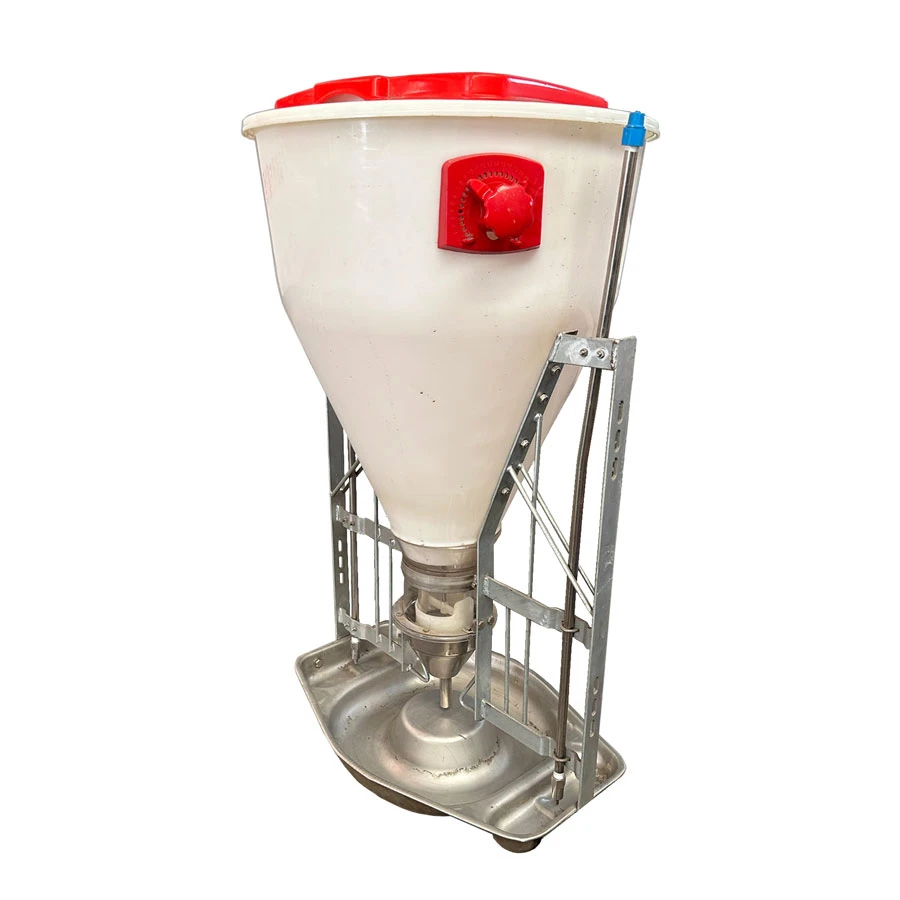
3. Nutritional Supplements and Feed Additives
Proper nutrition is the unsung hero behind successful breeding cycles. Vitamins, minerals, and amino acid supplements tailored for gestating sows ensure healthy litters.
4. Herd Health Monitoring Systems
Records, vaccines, and health tracking software help optimize breeding timing and prevent losses.
5. Housing and Environmental Controls
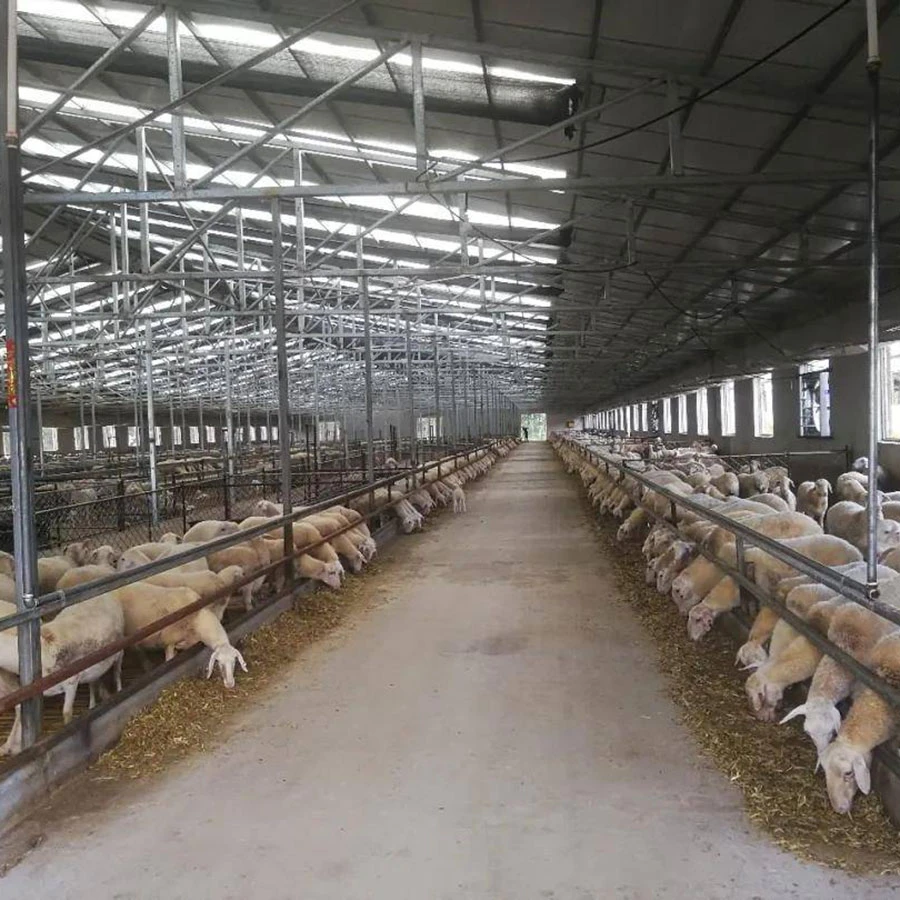
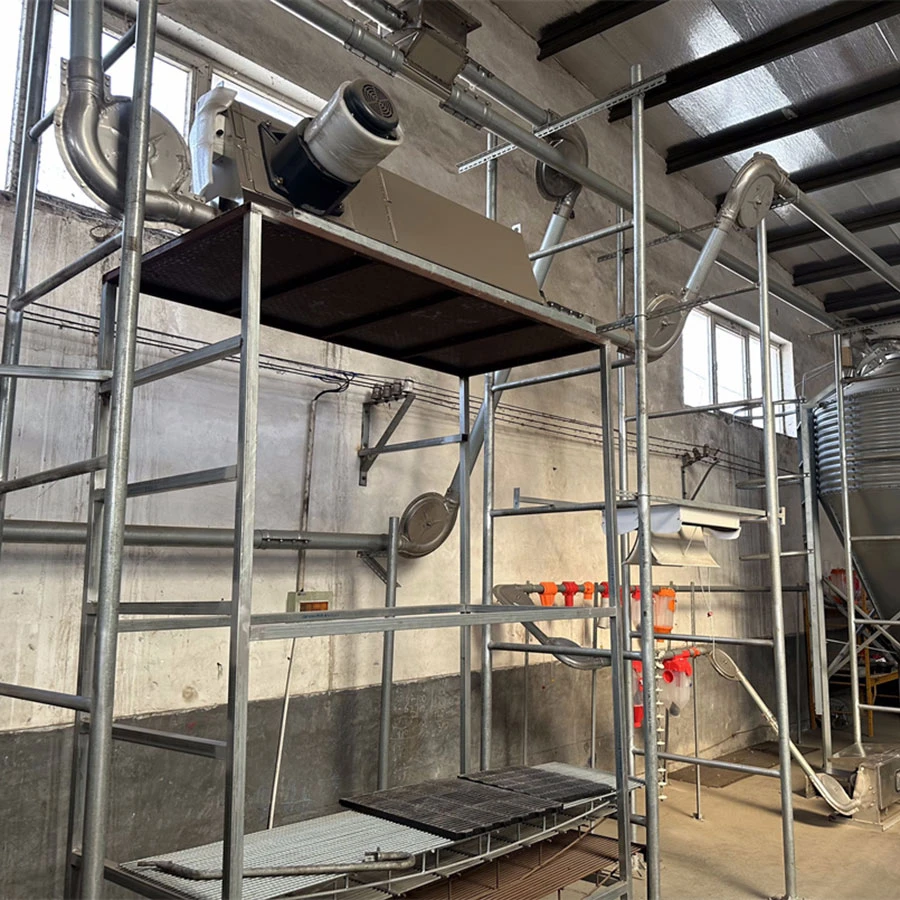
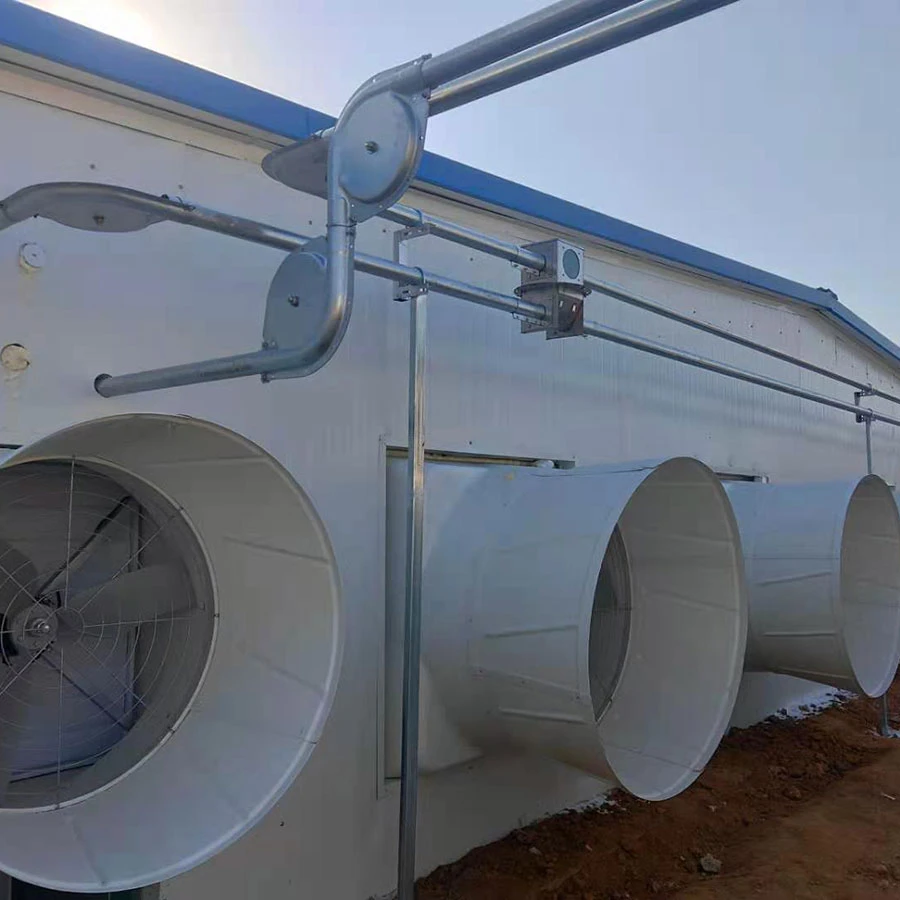
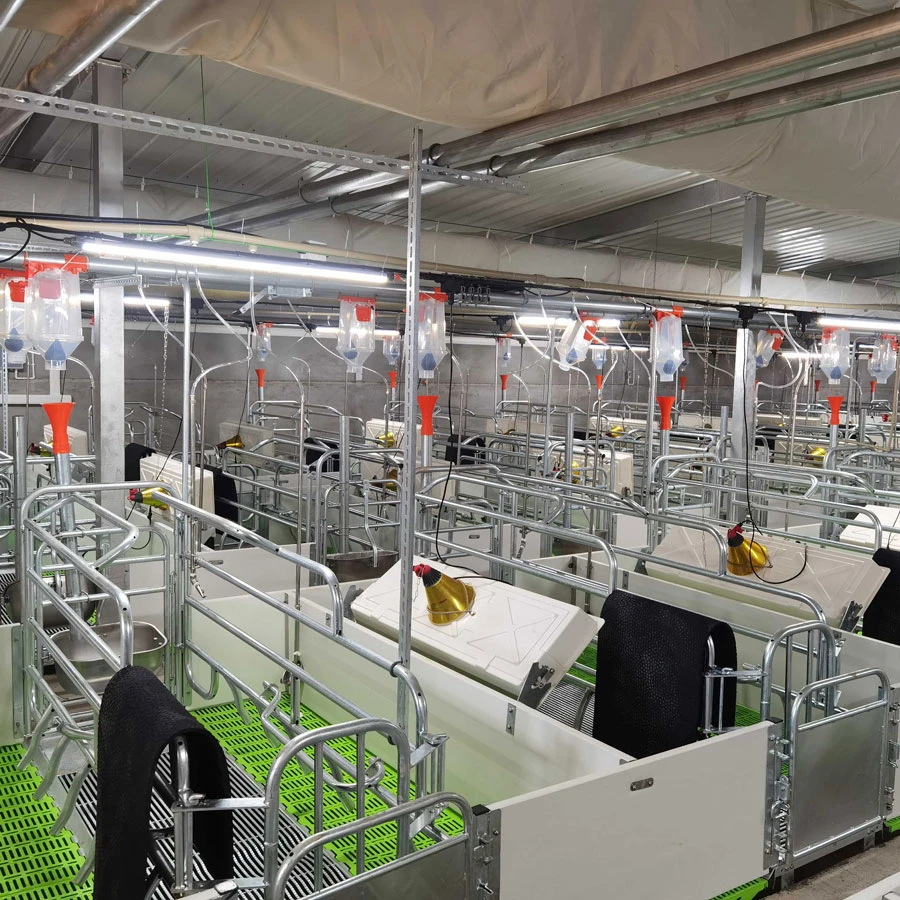
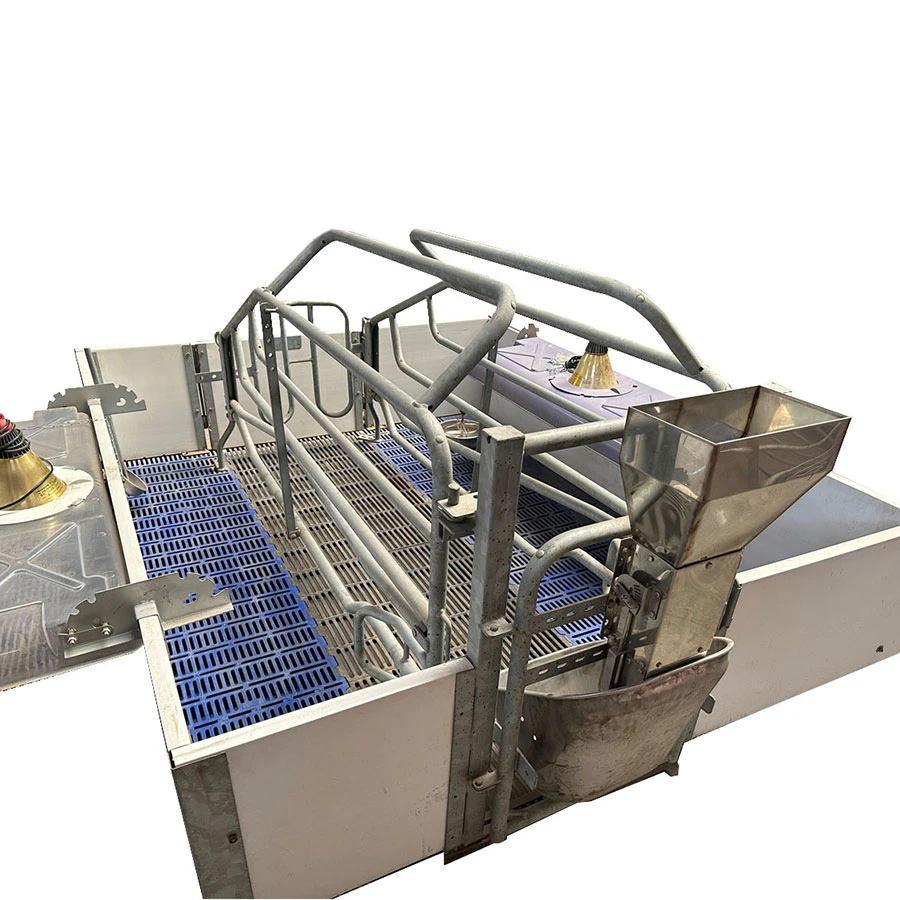
Appropriate housing conditions support sow comfort and reduce stress, which in turn aids reproduction success. This includes climate control, clean stalls, and proper flooring.
6. Training and Safety Gear
Gloves, tools for biosecurity, and manual guides – sometimes overlooked but critical parts of any hog breeding setup to prevent contamination and injury.
Practical Applications: Who Uses Hog Breeding Supplies?
Across continents and climates, hog breeding supplies find a place in diverse settings:
- Commercial pig farms implement advanced AI and feeding regimes to maximize output.
- Smallholder farmers in Asia and Africa use basic but reliable breeding supplies to boost local food security.
- Post-disaster recovery operations sometimes supply hog breeding tools as part of livelihood restoration programs.
- Research facilities employ precision breeding kits to develop disease-resistant pig varieties.
For example, in Vietnam’s Mekong Delta, community cooperatives use portable insemination kits to improve herd genetics with surprisingly positive socio-economic results.
Advantages and Long-Term Value
The benefits of adopting proper hog breeding supplies are multifold:
- Higher productivity: More litters per sow, better litter sizes.
- Animal welfare: Reduced stress and disease transmission.
- Cost efficiency: Improved conception rates mean less feed wasted.
- Social impact: Supporting rural livelihoods and food security.
- Innovation and trust: Using modern tools builds market confidence and future-proofs operations.
Ultimately, these advantages ripple beyond farming economics — promoting sustainability, dignity for farm workers, safety for animals, and a more stable protein supply chain.
Hog Breeding Supplies: Current Trends and Future Innovations
Oddly enough, even a traditional sector like hog breeding is undergoing a digital makeover. Precision livestock farming (PLF) technologies now integrate sensors, IoT devices, and AI to monitor herd health and reproduction metrics in real time.
Green energy solutions, like solar-powered environmental controls, also reduce the carbon footprint of breeding operations. Even 3D-printing spare parts for equipment on-site is catching on.
Policies encouraging sustainability and animal welfare standards push vendors to innovate better, often biodegradable materials in breeding kits and automated semen handling solutions.
Addressing Challenges and Practical Solutions
Despite progress, challenges remain:
- Cost barriers: Some tools remain out of reach for small farmers.
- Technical skills: Successful AI needs trained workers.
- Hygiene and biosecurity: Risks of contamination require constant vigilance.
Solutions? Some companies offer scalable products with tiered technologies — simple for smallholders, advanced for commercial farms. Training programs combined with online support and local partnerships also improve adoption rates worldwide.
Frequently Asked Questions About Hog Breeding Supplies
- What makes modern hog breeding supplies better than traditional methods?
- They offer higher precision, reduce disease risks via better hygiene practices, improve litter sizes with AI technologies, and streamline breeding cycles — making farming more efficient and sustainable.
- How long can artificial insemination equipment last in typical farm usage?
- With proper cleaning and maintenance, AI kits generally last several years. Materials like medical-grade silicone and stainless steel resist wear, but routine checks are essential to prevent contamination.
- Are hog breeding supplies suitable for small-scale farms?
- Yes, many suppliers now tailor solutions for smallholders, offering affordable starter kits and simplified tools for easy use and better reproductive success.
- How do farmers ensure the biosecurity of breeding supplies?
- Regular sterilization of equipment, use of disposable components where feasible, and strict facility hygiene protocols are key practices recommended by veterinary experts.
- Where can I find reliable hog breeding supplies online?
- Visit specialized agricultural providers like hog breeding supplies websites that offer certified, tested products with customer support and educational resources.
Product Specification Table: Sample Hog Breeding Supplies Equipment
| Product | Material | Usage | Lifespan | Price Range (USD) |
|---|---|---|---|---|
| AI Insemination Catheter | Medical-grade silicone | Artificial insemination procedures | 3-5 years | 20-40 |
| Estrus Detection Patch | Adhesive plastic & sensors | Heat monitoring | 1 breeding cycle | 5-15 |
| Semen Storage Straw | Polyvinyl chloride (PVC) | Semen storage & transport | Single use | 0.10-0.25 |
| Nutritional Vitamin Supplement | Powdered vitamins/minerals | Gestation diet enhancement | Shelf life 2 years | 30-60 per kg |
Vendor Comparison: Hog Breeding Supplies Providers
| Vendor | Product Range | Price Level | Global Shipping | Customer Support |
|---|---|---|---|---|
| FarmPro Supplies | Comprehensive (AI, nutrition, health) | Mid-range | Yes (70+ countries) | 24/7 phone & chat |
| AgriLivestock Direct | Focus on AI kits & patches | Higher-end | Yes (selected regions) | Email support only |
| GreenFarm Tools | Basic breeding & feeding supplies | Budget-friendly | No | Local distributor based |
Final Thoughts: Why Hog Breeding Supplies Are an Investment in the Future
Whether you’re a smallholder somewhere in Southeast Asia or a large-scale producer in North America, the right hog breeding supplies can make all the difference. They unlock efficiencies, push sustainability forward, and ultimately ensure pigs continue to fill a vital niche in global food systems.
So next time you think “hog breeding supplies,” picture not just plastic catheters or vitamin sachets, but a complex network of innovation, tradition, and hope for feeding tomorrow’s world. If you want to dive deeper, explore products and expert advice at hog breeding supplies.
Post time: Dec . 02, 2025