Understanding the Role of a Galvanised Cattle Trough in Modern Agriculture
If you’ve ever wandered through a rustic farm or a sprawling cattle ranch, you’ve probably seen cattle gathered around a trough — the indispensable feeding and watering station for livestock. Now, when it’s made of galvanised steel, that’s what we call a galvanised cattle trough. This simple yet vital piece of equipment quietly supports the global livestock industry by providing durable and hygienic watering solutions. Understanding its use goes beyond just farm chores; it touches on sustainability, animal welfare, and economic efficiency all around the world.
Why Should We Care About Galvanised Cattle Troughs Globally?
The global cattle industry is enormous, contributing over $1.4 trillion USD to the world economy (World Bank, 2023). Water management, especially access to clean water for livestock, remains a challenge in many regions — from drought-prone sub-Saharan Africa to remote areas of South America and Australia. A galvanised cattle trough offers a practical, long-lasting, and hygienic solution to this challenge. Giving cattle reliable access to clean water improves their health and productivity, which directly impacts food security and farmer livelihoods.
Yet, traditional troughs often rust, leak, or become breeding grounds for bacteria. The galvanisation process — coating steel with zinc — essentially gives these troughs a protective shield, making them resist corrosion. This longevity is what makes them a global game-changer.
Mini takeaway: The galvanised cattle trough is a critical unsung hero in livestock management worldwide, enhancing sustainability and productivity in tough environmental conditions.
What Exactly Is a Galvanised Cattle Trough?
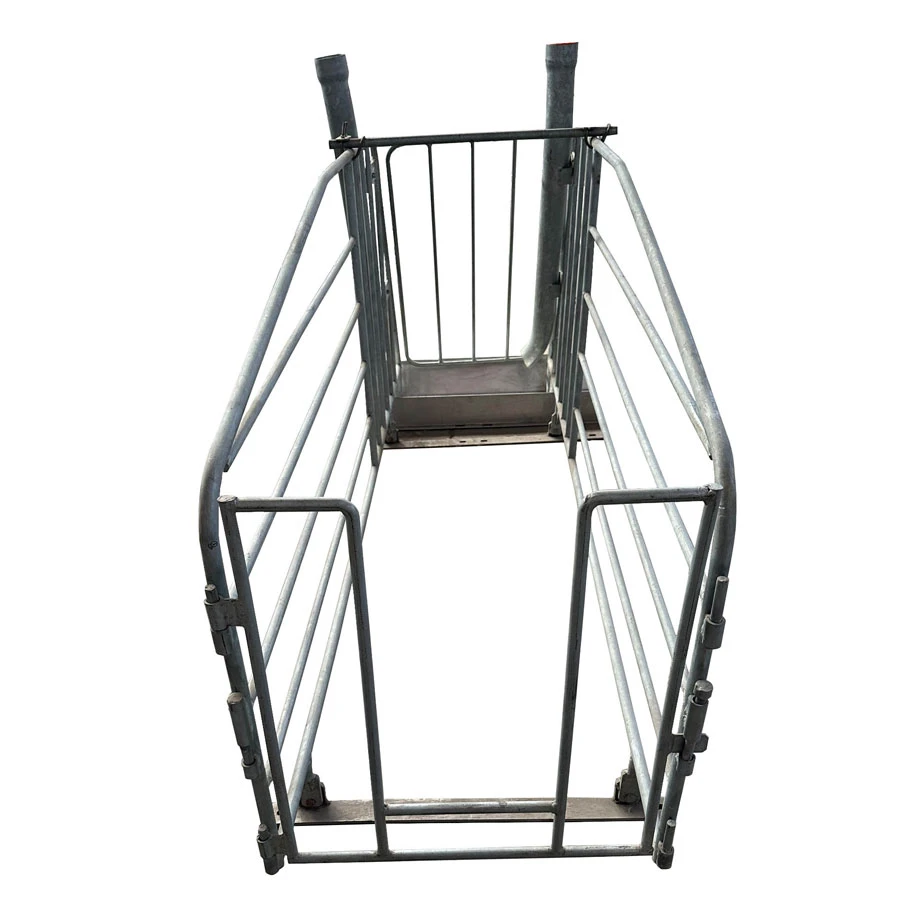
In simplest terms, a galvanised cattle trough is a water or feed container made from steel that has been coated with zinc through galvanisation. This coating prevents rust and decay — a common problem when steel is exposed to water, mud, and weather for extended periods. Unlike wooden or plastic alternatives, galvanised steel troughs typically last longer and can withstand rough use on farms.
These troughs come in various sizes and shapes, including rectangular basins and deep circular tubs. They are commonly used not only in farming but also in humanitarian contexts, such as emergency livestock feeding after natural disasters. The robust construction satisfies both industrial and humanitarian needs, reflecting a blend of practicality and resilience.
Core Components and Key Considerations for Galvanised Cattle Troughs
Durability and Rust Resistance
This is the headline feature. Galvanised steel withstands harsh weather, acid soil, and constant exposure to water and animal interaction. The zinc coating creates a barrier that rust can’t easily penetrate, protecting the trough’s core steel structure for years.
Capacity and Size
Different farms require different capacities, from small troughs for a few head of cattle to massive units feeding large herds. Proper sizing ensures cattle get enough water or feed without spillage or overcrowding. Sizes typically range from 200L to over 1000L.
Ease of Maintenance
Galvanised cattle troughs clean easily — an important factor when preventing bacterial contamination. Their smooth, rust-free surfaces discourage algae growth and help maintain water quality.
Cost Efficiency
While upfront costs might be higher than plastic or wooden troughs, the longevity and low maintenance requirements typically make galvanised options cheaper over their lifecycle.
Safety and Animal Welfare
Rounded edges, sturdy construction, and non-toxic materials help prevent injuries to livestock, reinforcing their suitability for everyday farm use.
| Specification | Details |
|---|---|
| Material | Hot-dip galvanised steel |
| Capacity | 500 liters |
| Dimensions | 1500mm (L) x 750mm (W) x 600mm (H) |
| Weight | 32 kg |
| Corrosion resistance | High, per ISO 1461 standards |
| Expected lifespan | 10+ years |
Where Are Galvanised Cattle Troughs Used Across the Globe?
Across continents and climates, these troughs find a home. In Australia's remote cattle stations — some the size of small countries — galvanised troughs provide dependable hydration points for thousands of head of cattle grazing vast rangelands. Programs in Kenya and Ethiopia use them to improve water access in pastoral communities, promoting livestock health and food security.
Even humanitarian groups incorporate these troughs in disaster zones to maintain livestock welfare after events like floods or droughts, where water supplies are disrupted. The mix of durability and portability makes them ideal for NGOs working in fragile environments.
Closer to home, precision farms in Europe favor galvanised troughs for their low maintenance and longevity, which enhances operational efficiency as well as animal welfare.
Mini takeaway: Galvanised cattle troughs adapt well across diverse geographies, helping farmers and organizations meet vital livestock hydration needs globally.
Putting the Advantages in Perspective: What Do Users Really Get?
- Cost savings: Reduced replacement and maintenance expenses.
- Environmental benefits: Durable products mean less waste and lower resource use.
- Animal welfare: Constant access to clean water improves health and productivity.
- Reliability: Weather-resistant and rugged, built to last through harsh conditions.
- Peace of mind: Farmers spend less time on repairs and more on farm management.
It’s worth noting how this reliability spins a complex web of social and economic good. Healthy livestock contribute to stable incomes and food chains, and... you might say the trough is quietly anchoring this stability.
Looking Ahead: Innovations and Trends for Galvanised Cattle Troughs
Technology isn’t ignoring the cattle trough. Some manufacturers are experimenting with smart troughs, integrating sensors that monitor water levels and quality, sending alerts directly to farmers' smartphones. This digital transformation ensures cattle never go thirsty but also reduces water waste — a big plus in drought-prone regions.
Sustainable coatings that enhance corrosion resistance beyond traditional galvanisation are also being researched. Meanwhile, initiatives encourage recycling and re-galvanising to extend trough life even further, aligning with circular economy principles championed by ISO and the UN Environment Programme.
Challenges Facing Galvanised Cattle Troughs and How to Tackle Them
Despite their many advantages, galvanised cattle troughs aren’t without hiccups:
- Weight: Steel troughs can be heavy, making transportation or repositioning challenging on some farms.
- Initial cost: They require more upfront investment compared to plastic alternatives.
- Poor galvanisation: If quality standards aren’t met, troughs can corrode prematurely.
Luckily, innovations like modular designs and partnership programs for smallholders help reduce transport burdens and cost barriers. Buyers should ensure they source troughs conforming to international galvanising standards like ISO 1461 to maximize lifespan benefits.
| Vendor | Price Range (USD) | Capacity Options | Warranty | Additional Features |
|---|---|---|---|---|
| FarmEquip Ltd. | $150–$450 | 200–800 liters | 5 years | UV-resistant coating |
| RanchPro Supplies | $180–$500 | 300–1000 liters | 7 years | Anti-microbial surface |
| AgriStrong | $120–$400 | 200–750 liters | 3 years | Reinforced edges |
Common Questions About Galvanised Cattle Trough
Q1: How long does a galvanised cattle trough typically last?
Most galvanised cattle troughs have an expected lifespan of 10 or more years, assuming they meet quality galvanising standards and are maintained properly. Factors like exposure to harsh chemicals or mechanical damage can reduce this, but good-quality troughs are designed for endurance.
Q2: Can galvanised cattle troughs be used in areas with salty or acidic water?
Yes, but with caution. Salt or acidic water can accelerate corrosion even on galvanised steel. Specialized coatings or thicker galvanisation layers are recommended for such environments to prolong trough life.
Q3: Are galvanised cattle troughs safe for all livestock?
Generally, yes. The zinc coating is non-toxic, and the steel is sturdy enough to prevent injuries. Many models also feature smooth rounded edges for animal safety. However, always check product certifications if you have specific concerns.
Q4: How can I maintain my galvanised cattle trough to maximize lifespan?
Regular cleaning to remove algae and sediment, avoiding knocks or dents, and checking for any coating damage will help a trough last longer. Some farmers recommend periodic inspection for rust spots and prompt repair.
Wrapping Up: Why Every Livestock Operation Benefits from Galvanised Cattle Troughs
It’s clear that galvanised cattle troughs are more than just simple water tubs — they’re reliable pillars of animal welfare and farm productivity. Their durability, sustainability, and adaptability across varied climates make them an investment well worth considering. For farmers looking to minimize maintenance fuss and maximize livestock health, this solution ticks a lot of boxes.
Considering how much livestock water directly impacts global food systems, it’s an important piece of the agricultural puzzle.
To explore a curated range of high-quality galvanised cattle troughs, don’t hesitate to visit our website and get in touch with experts ready to help customize solutions to your farm’s needs.
References
- World Bank (2023). Agriculture and Food: Overview. worldbank.org
- ISO 1461: Hot-dip galvanized coatings on fabricated iron and steel articles. International Organization for Standardization. iso.org
- UN Environment Programme. Circular Economy Practices. unep.org
Post time: Dec . 02, 2025