Understanding Heavy Duty Metal Floor Grates: Why They Matter Globally
Heavy duty metal floor grates — sounds niche, right? But they’re surprisingly influential across various industries globally. Essentially, these grates serve as tough, reliable flooring solutions in environments demanding resilience and safety. Whether it’s industrial plants, agricultural facilities, transport hubs, or disaster relief shelters, their importance keeps growing. In fact, understanding their design, applications, and benefits is crucial for infrastructure builders, emergency responders, and engineers alike.
Why care? Well, these grates not only improve operational efficiency but also ensure safety, durability, and environmental sustainability. And with the ongoing push for greener, safer workplaces worldwide—including emerging economies investing billions in construction—they’ve got quite a role to play.
The Global Context: Industrial Growth & Safety Needs
Industries across every continent rely on robust floor grating systems, especially heavy duty metal variants. According to the International Organization for Standardization (ISO), over 60% of workplace accidents linked to floor hazards could be prevented with appropriate surface solutions. That statistic alone underscores the critical safety role heavy duty metal floor grates fill.
Moreover, with urbanization booming—United Nations data shows over 4.4 billion people living in cities as of 2023—the need for durable flooring is surging. Factories, energy plants, and public infrastructure must handle heavy foot and vehicle traffic. Earthquake-prone regions also demand floor materials that can endure stress without failure, which is where metal grates excel.
The challenge? Finding materials and designs that offer not just toughness but long-term costs benefits, installation ease, and adaptability in harsh conditions. Heavy duty metal floor grates address this head-on.
What Exactly Are Heavy Duty Metal Floor Grates?
At a basic level, heavy duty metal floor grates are structured panels made from sturdy metals—often steel or galvanized iron—designed to be load-bearing and slip-resistant. Think of them as the skeletal floors allowing air and liquid flow beneath, preventing pooling and providing grip.
They’re the unsung heroes in environments that range from oily factory floors to wet damsides and livestock pens. Their design intentionally balances strength and drainage, making them essential in modern industry environments focused on hygiene, safety, and durability.
Mini takeaway:
- Heavy duty metal floor grates combine strength and practicality in one sturdy, industrial solution.
Key Factors Behind Effective Heavy Duty Metal Floor Grates
1. Durability & Material Quality
Durability is king here. These grates often feature carbon steel, stainless steel, or aluminum alloys. The metal is treated—galvanized or powder-coated—to withstand rust, corrosion, and physical abuse. For industrial use, casting or welded panels provide enhanced strength versus standard stamped versions.
2. Load-Bearing Capacity
Depending on application, these floor grates must tolerate various weight loads. You’ll find specs rated for pedestrian traffic, forklifts, or even heavier vehicles in warehousing. Selecting the right load class prevents bending or failure.
3. Slip Resistance
Safety first. Textured surfaces, serrated edges, and open grid designs ensure slip resistance, especially crucial in wet or oily conditions. This helps reduce workplace accidents, improving overall operational reliability.
4. Scalability and Customization
Modern production methods let manufacturers customize sizes, grid patterns, and finishing treatments, so these grates fit unique environments—from narrow walkways to vast industrial yards.
5. Cost Efficiency Over Time
Initial investment can be higher than standard flooring, but longevity reduces replacement frequency. Plus, easy cleaning and maintenance lower operating expenses.
Mini takeaway:
- When choosing metal floor grates, balance durability, safety, and cost-efficiency to fit your specific load and environment.
Where Are Heavy Duty Metal Floor Grates Making a Difference?
In real life, they show up in surprisingly many places, each with different demands. You’ll find them:
- In heavy manufacturing plants: Handling massive machinery weight and chemical exposure.
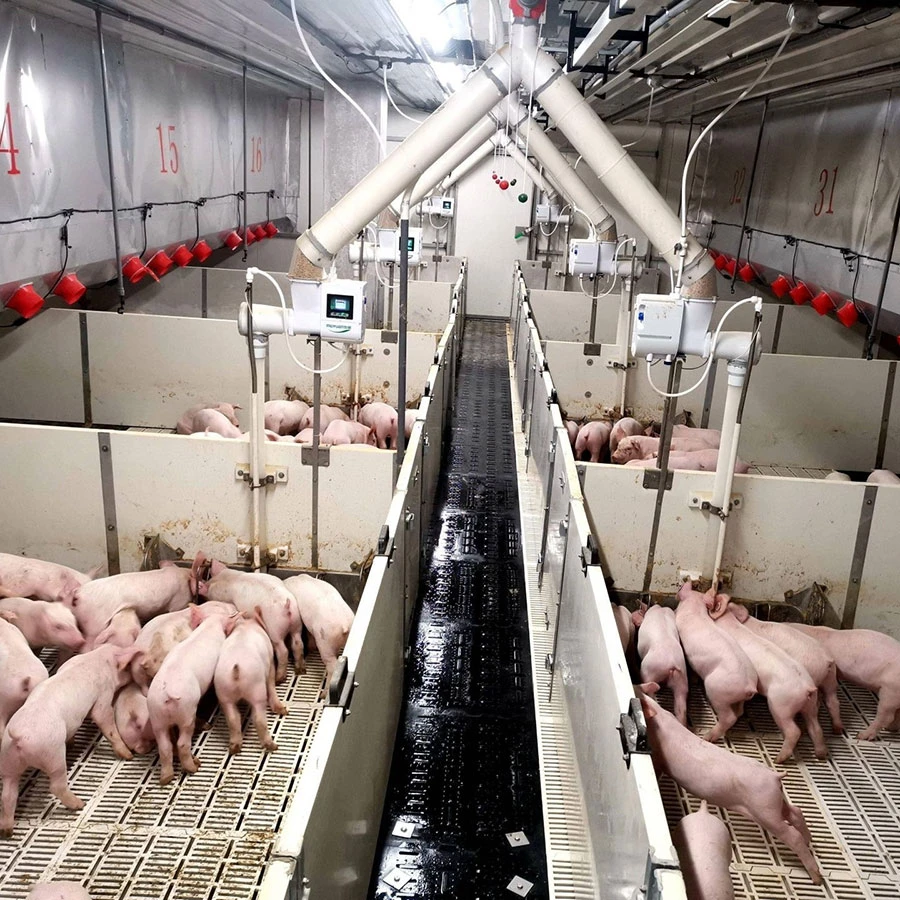
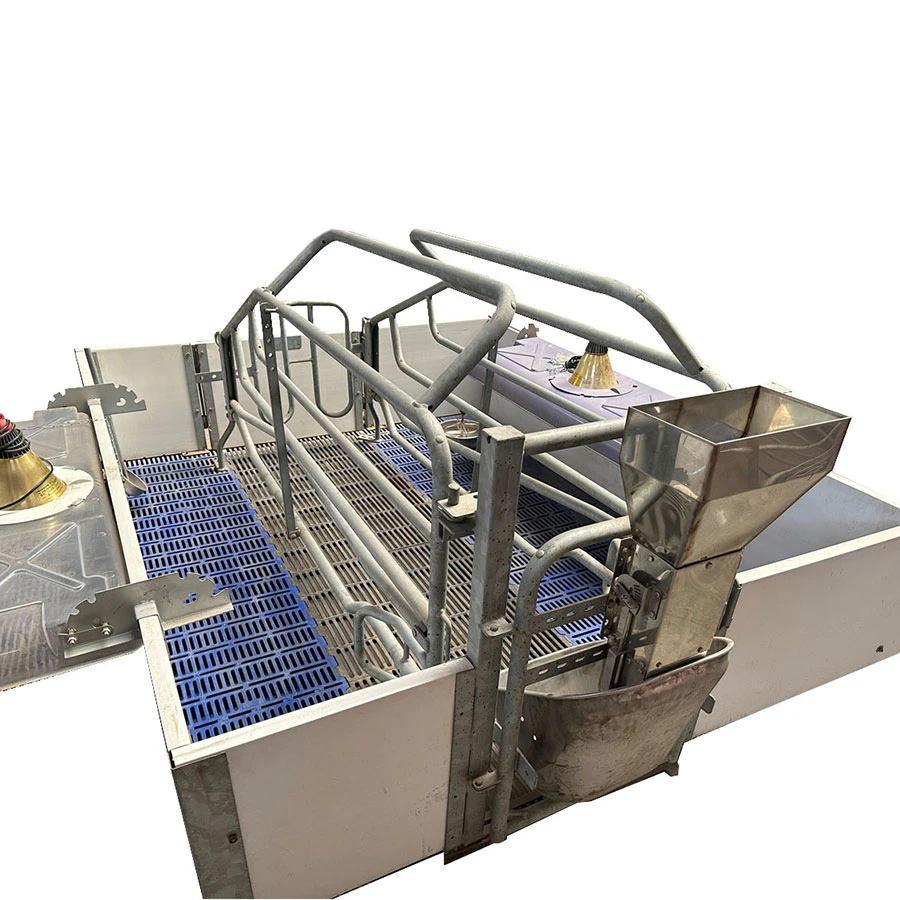
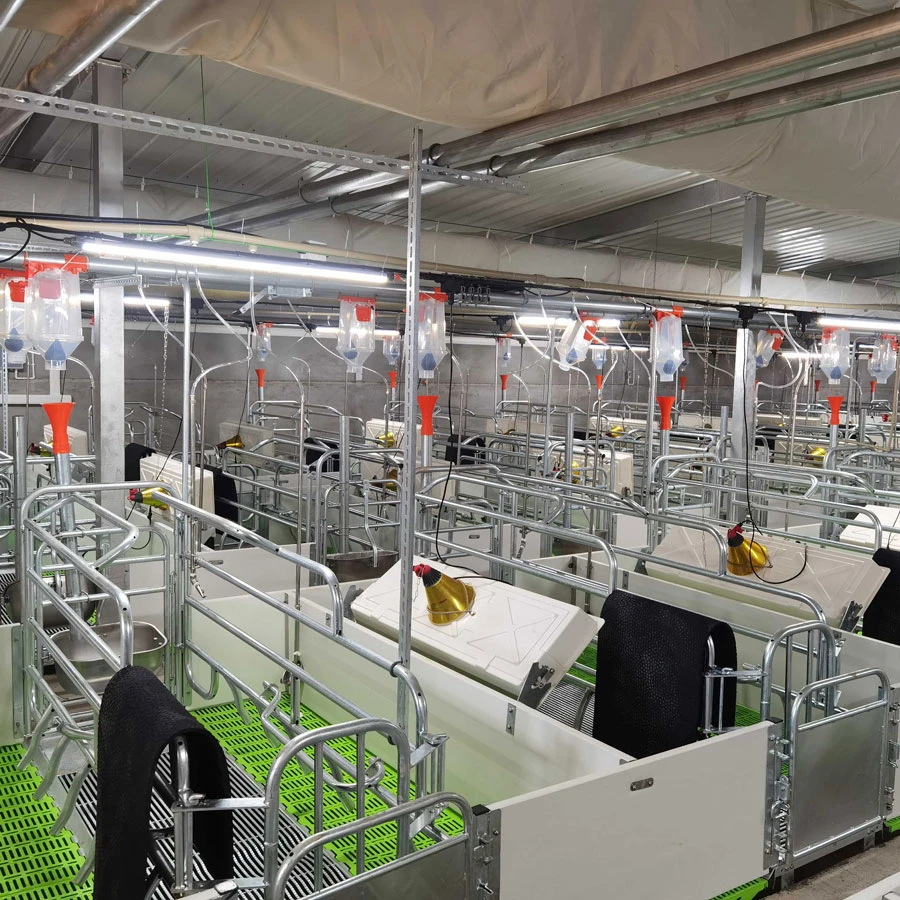
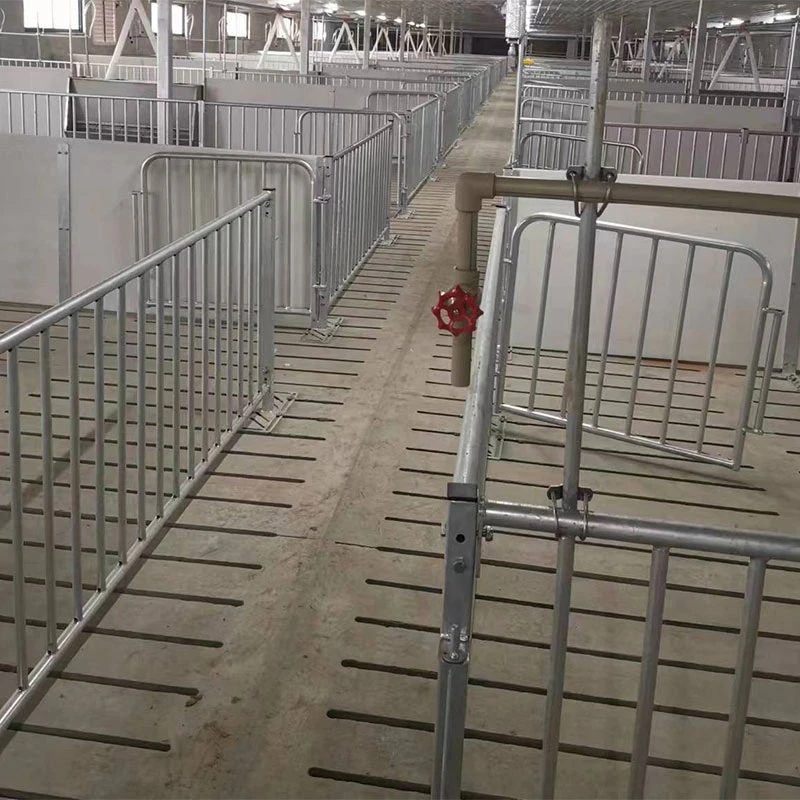
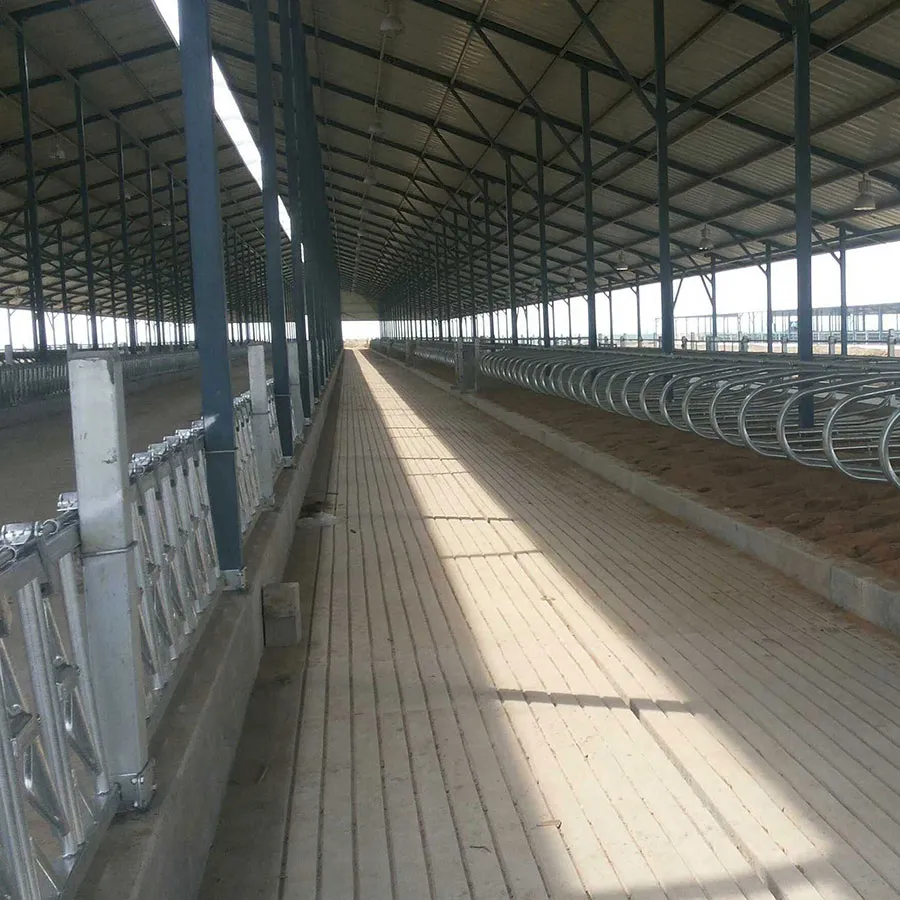
- In livestock farming: Providing hygienic, non-slip surfaces for large animals — heavy duty metal floor grates designed specifically for this are game-changers.
- At transportation terminals: Airports and train stations use them to manage foot traffic safely.
- Disaster relief zones: Temporary shelters or camps deploy these grates for quick, stable flooring—especially where muddy or uneven ground would otherwise pose hazards.
- Water treatment and chemical plants: Allowing liquids to drain freely, reducing slip risk while resisting corrosion.
Interestingly, developing countries using international aid to build resilient infrastructure often adopt heavy duty grates for long-term durability, especially in flood-prone zones.
Mini takeaway:
- These metal floor grates are versatile solutions benefiting sectors from agriculture to emergency management globally.
Advantages and the Long-Term Value Proposition
Why do so many industries swear by heavy duty metal floor grates? The benefits include:
- Cost savings: Their longevity means fewer replacements, less downtime, and easier cleaning protocols.
- Safety and compliance: Meeting international standards reduces accidents and insurance woes.
- Environmental impact: Many grates use recyclable metals and coatings with low VOC emissions. Plus, drainage design limits water stagnation.
- Psychological reassurance: Workers report feeling safer and more confident on secure, slip-resistant floors, boosting productivity.
Product Specification Table
| Specification | Detail |
|---|---|
| Material | Galvanized Steel / Stainless Steel / Aluminum Alloy |
| Load Capacity | Up to 1500 kg/m² (varies by model) |
| Surface | Serrated, non-slip finish |
| Dimensions | Custom sizes available; standard 1m x 3m panels |
| Corrosion Resistance | Hot-dip galvanizing or powder coating options |
| Typical Lifespan | 15–25 years depending on environment |
Vendor Comparison of Heavy Duty Metal Floor Grate Suppliers
| Vendor | Product Range | Customization | Lead Time | Additional Services |
|---|---|---|---|---|
| CX Livestock Solutions | Wide (agricultural & industrial focused) | Full size & specs customization | 3–5 weeks | Installation consultation, global shipping |
| Global Steel Floor Systems | Industrial & commercial | Moderate (standard sizes, some variation) | 2–4 weeks | Design support, on-site training |
| Metallix Corp. | Heavy industrial | Limited (focus on bulk orders) | 4–6 weeks | Maintenance packages |
Looking Ahead: Innovations and Sustainability in Floor Grate Technology
Innovation in heavy duty metal floor grates is subtle but meaningful. Manufacturers increasingly use recycled metals and apply eco-friendly coatings reducing environmental footprints. Digital tools help customize grates precisely for load and environment, minimizing material waste. In some industrial zones, “smart grates” with embedded sensors are beginning to emerge, helping facilities monitor structural integrity in real-time.
The future will likely include enhanced corrosion resistance, integration with green energy infrastructure, and faster, modular installation systems. Companies adapting to these changes will not only cut costs but also meet stricter global sustainability standards.
Common Challenges and How to Overcome Them
Even such sturdy products face hurdles: corrosion in highly acidic environments, complex installation in irregular spaces, and upfront costs for customized orders. Experts often recommend:
- Choosing coated or stainless steel variants for harsh chemical exposure.
- Working with vendors offering pre-fabrication to ease on-site assembly.
- Balancing initial costs with anticipated lifespan savings through detailed cost-benefit analysis.
And sometimes it’s just about regular maintenance — a quick inspection can save a grating from premature failure.
FAQs About Heavy Duty Metal Floor Grates
- Q: How do I select the right heavy duty metal floor grate for an industrial project?
- A: Begin by assessing load requirements, exposure conditions (like moisture or chemicals), and size constraints. Consult manufacturers with your specifications to identify materials and coatings best suited to your environment.
- Q: Can these grates be used outdoors in wet climates?
- A: Absolutely. Galvanized or stainless steel heavy duty metal floor grates excel outdoors. Their designs encourage drainage and resist rust, making them ideal for wet or maritime applications.
- Q: How long can typical heavy duty metal floor grates last?
- A: With proper maintenance, quality metal floor grates commonly last from 15 to 25 years, sometimes longer, offering excellent value over other flooring solutions.
- Q: Are custom sizes and finishes available from most vendors?
- A: Yes, many suppliers, including heavy duty metal floor grates specialists, offer a range of customization options to fit unique project needs.
- Q: What safety certifications should I look for?
- A: Look for compliance with ISO safety standards and relevant local building codes to ensure the product meets recognized quality and safety benchmarks.
Wrapping Up: Why Invest in Heavy Duty Metal Floor Grates
Heavy duty metal floor grates might not be the flashiest element of industrial design, but their reliability and versatility speak volumes. Whether you’re fortifying livestock enclosures, optimizing factory safety, or supporting disaster relief infrastructure, they balance cost, durability, and function beautifully.
There’s a quiet trust in these metallic grids — a promise that you won't have to worry about slipping or sagging floors in critical moments. And with the pace of innovation and an eye on sustainability, they’ll only get better.
Ready to upgrade your flooring solutions? Visit https://www.cxlivestock.com to explore a broad range of heavy duty metal floor grates tailored to your needs.
References:
Post time: Dec . 02, 2025