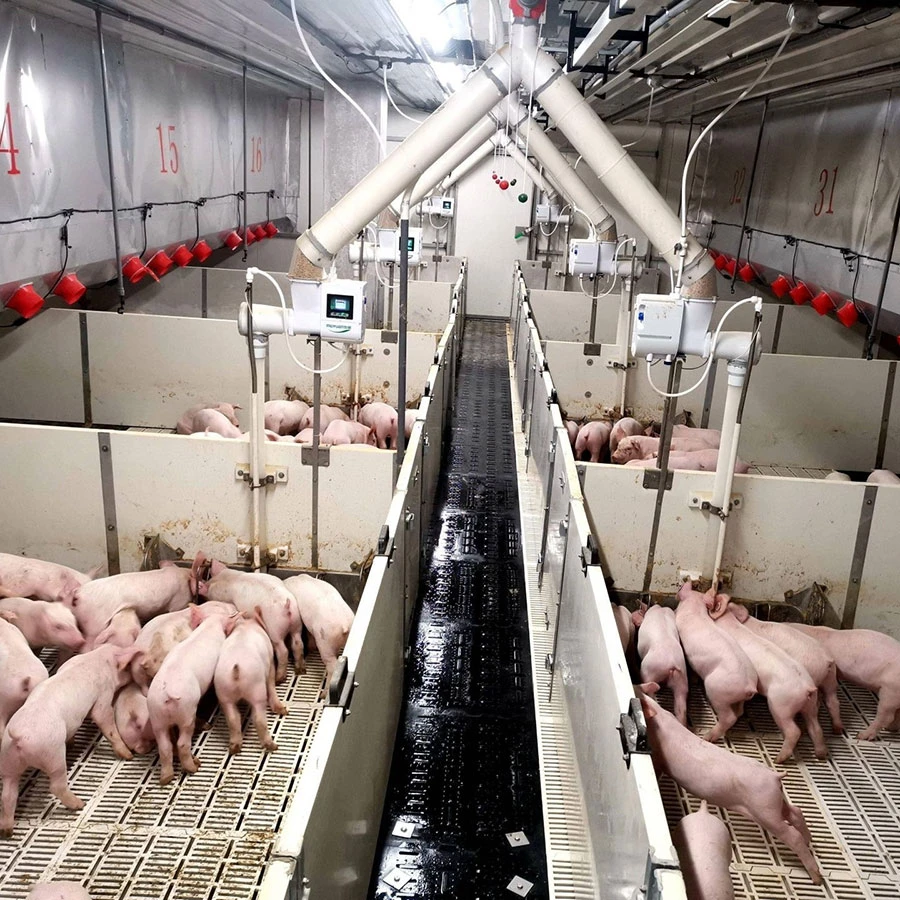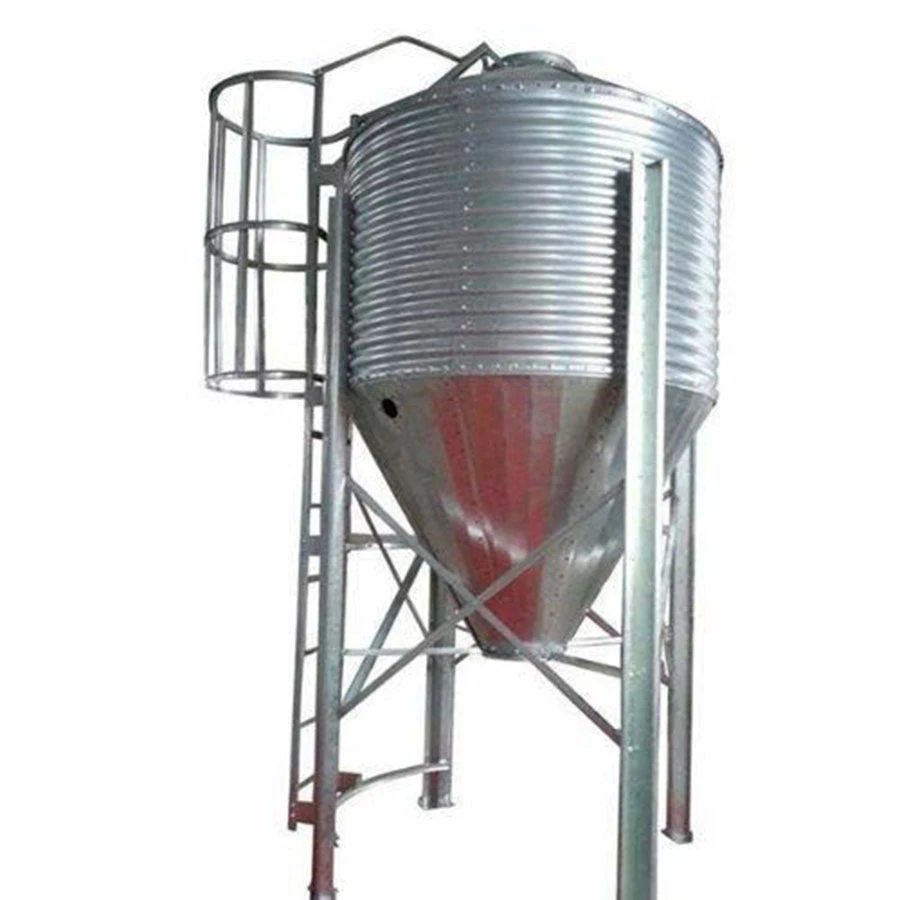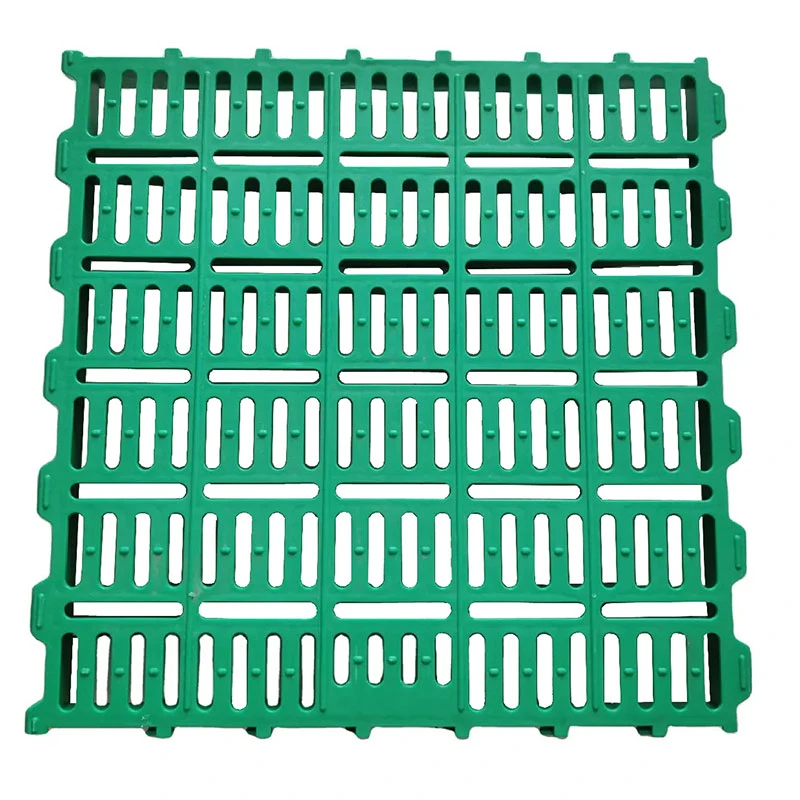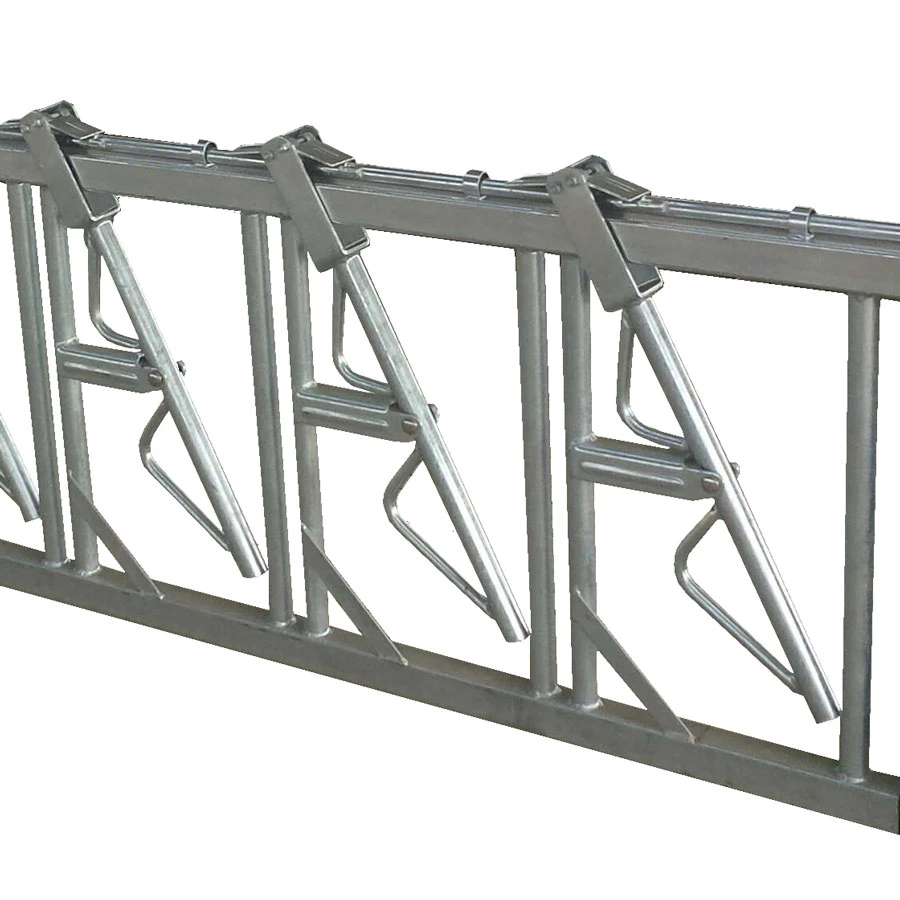
Understanding Heavy Duty Hog Feeders: The Backbone of Modern Livestock Farming
When you hear the term heavy duty hog feeder, it might just sound like another piece of farming equipment, but its impact spans far beyond the barnyard. Roughly speaking, these feeders are essential components in ensuring the health, productivity, and welfare of hogs worldwide. Given that global pork production is expected to grow by over 20% by 2030, according to the Food and Agriculture Organization (FAO), efficient and reliable feeding systems have never been more crucial.
This article unpacks why heavy duty hog feeders matter—not only because of the food supply they help sustain but also because they represent advancements in agricultural technology that address practical, economic, and environmental challenges. Let’s dig into the nuts and bolts (quite literally) of what makes these feeders indispensable in modern hog farming.
The Global Stage: Why Heavy Duty Hog Feeders Matter More Than Ever
Across continents, pork ranks among the most consumed meats — the United States, China, and the European Union lead production, with millions of farmers depending on consistent and scalable feeding solutions. But here’s the catch: traditional hog feeders often get damaged, wasted feed, or fail to support the increasing herd sizes of industrial farming.
Data from the UN's Food Systems report indicate that feed efficiency improvements could reduce costs and environmental impacts drastically. This is where a heavy duty hog feeder steps in, addressing feeding waste and durability issues in farms ranging from large agribusiness setups to smallholder family farms in remote zones.
Challenges in feeding hogs safely, reducing contamination, and automating feeding systems spur manufacturers to innovate continuously — making these feeders not just tools but critical investments in food security.
What Exactly Is a Heavy Duty Hog Feeder?
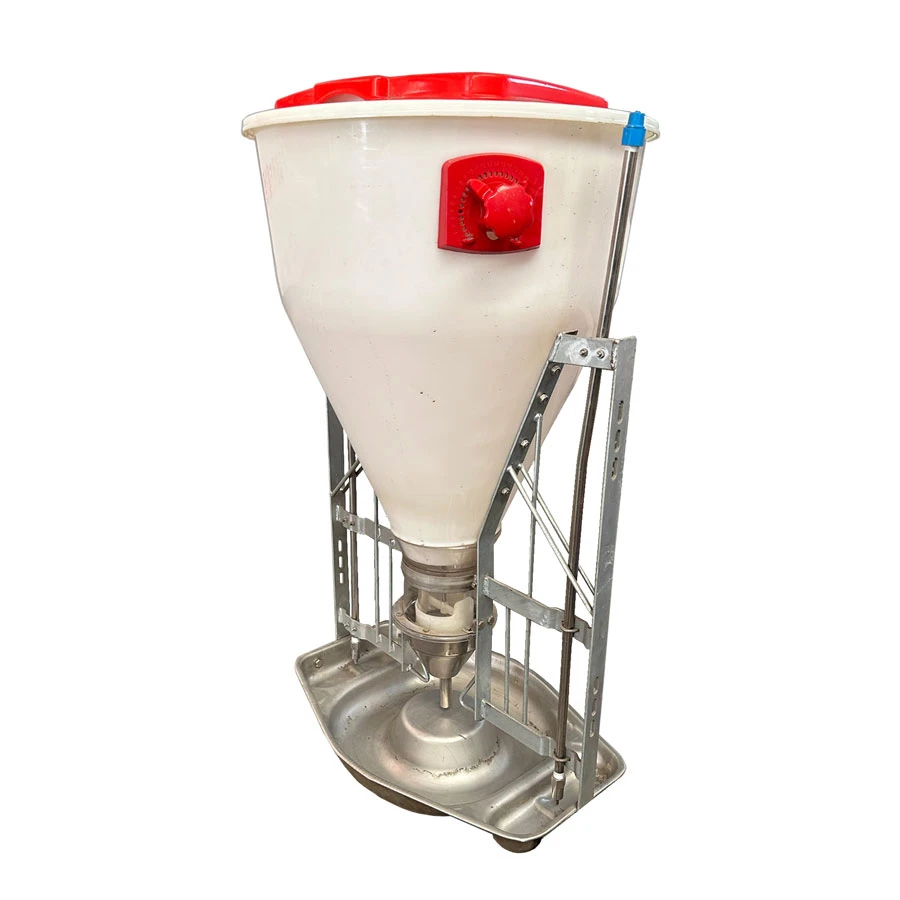
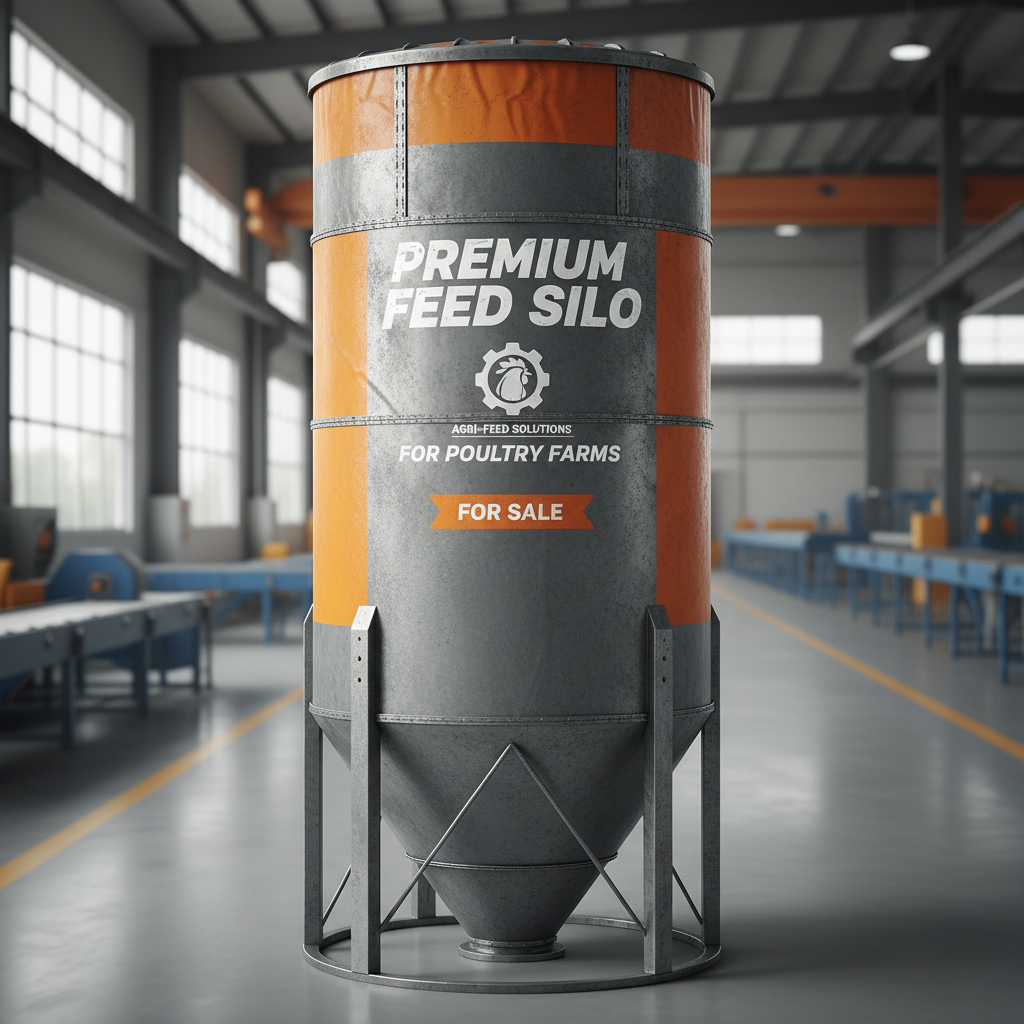
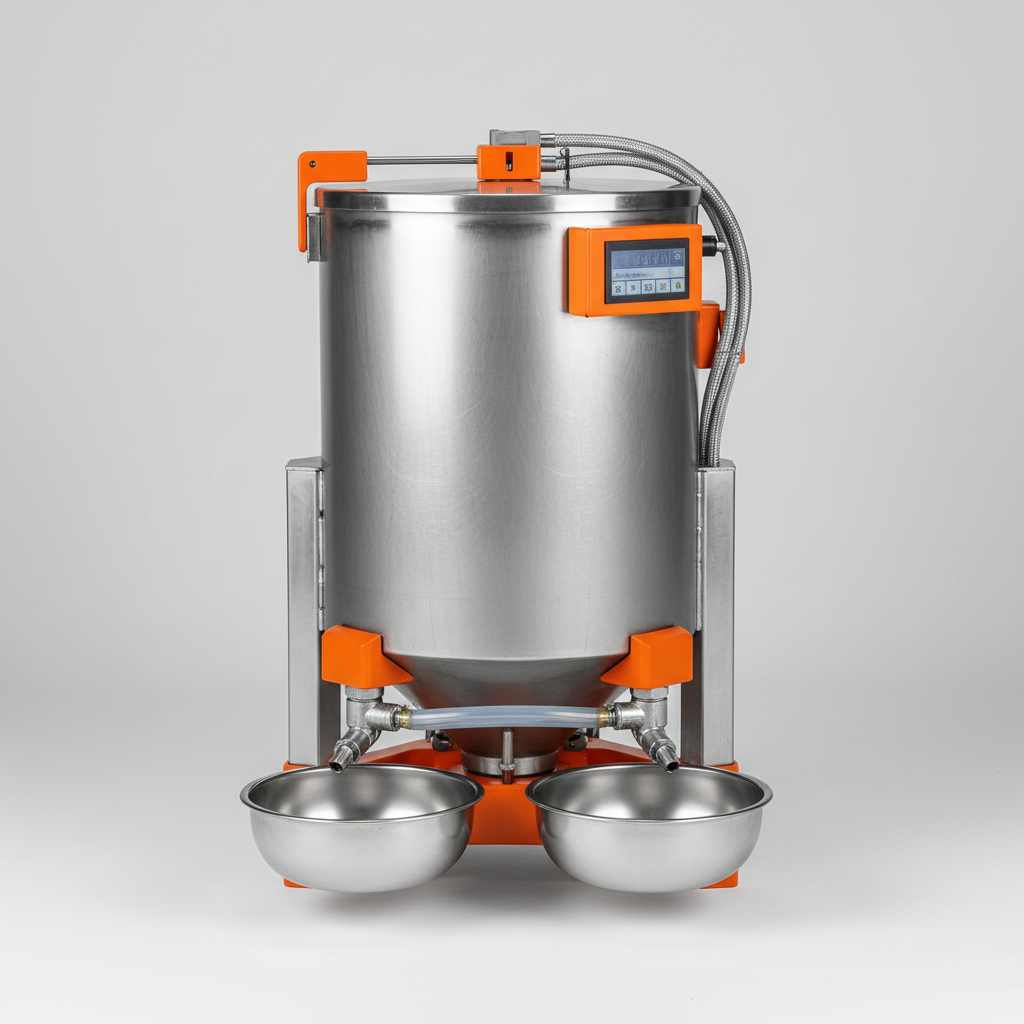
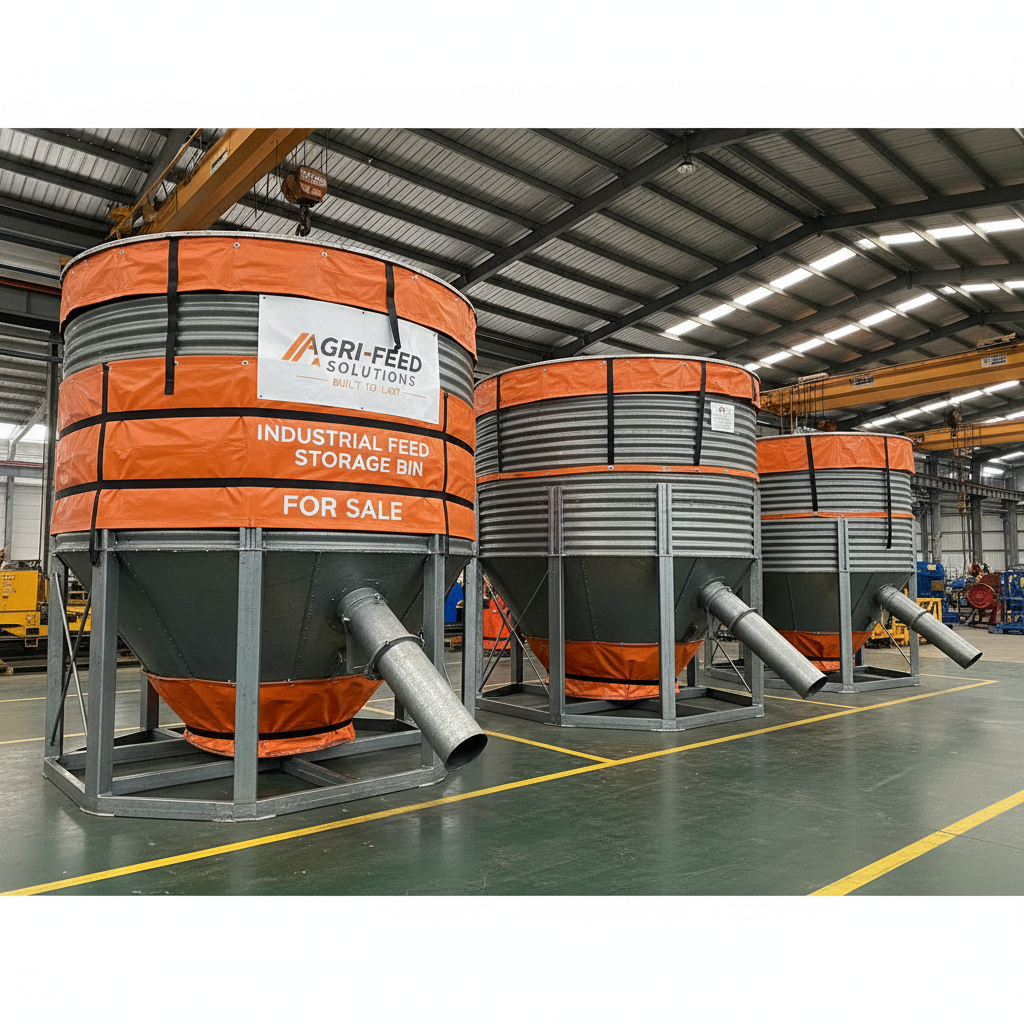
Simply put, a heavy duty hog feeder is a robust feeding unit specifically designed to withstand the wear and tear of hog behavior and farm conditions while optimizing feed delivery. These feeders use tough materials like galvanized steel or reinforced plastics to resist rust, gnawing pigs, and weather exposure.
In many ways, they symbolize the intersection of modern agricultural engineering and animal welfare. By providing even, contaminate-free feeding solutions, these devices contribute to healthier livestock, reducing disease risks and boosting growth rates.
Oddly enough, the evolution of hog feeders mirrors larger trends in automation and sustainability within agriculture—highlighting the importance of design thinking even in humble objects like feeders.
Key Features of Heavy Duty Hog Feeders
Durability: Built to Last in Harsh Environments
Durability is probably the most talked-about aspect. Heavy duty hog feeders must survive mud, rain, intense sun, and the pushing and nudging from animals that don’t exactly treat things gently. Using materials such as powder-coated steel and UV-resistant polymers keeps the equipment functional season after season.
Feed Efficiency: Minimizing Waste
Feeding hogs efficiently saves money and reduces environmental harm. Most heavy duty feeders have design elements like adjustable flow gates or gravity-fed hoppers to ensure hogs get the right amount of feed without spillage or spoilage.
Hygiene & Sanitation
Keeping feed clean is more than a health concern; it affects growth and the bottom line. These feeders are often designed to be easy to clean or integrate antimicrobial surfaces. This helps prevent disease spread which is essential especially in large farms or in regions where veterinary resources are limited.
Scalability & Adaptability
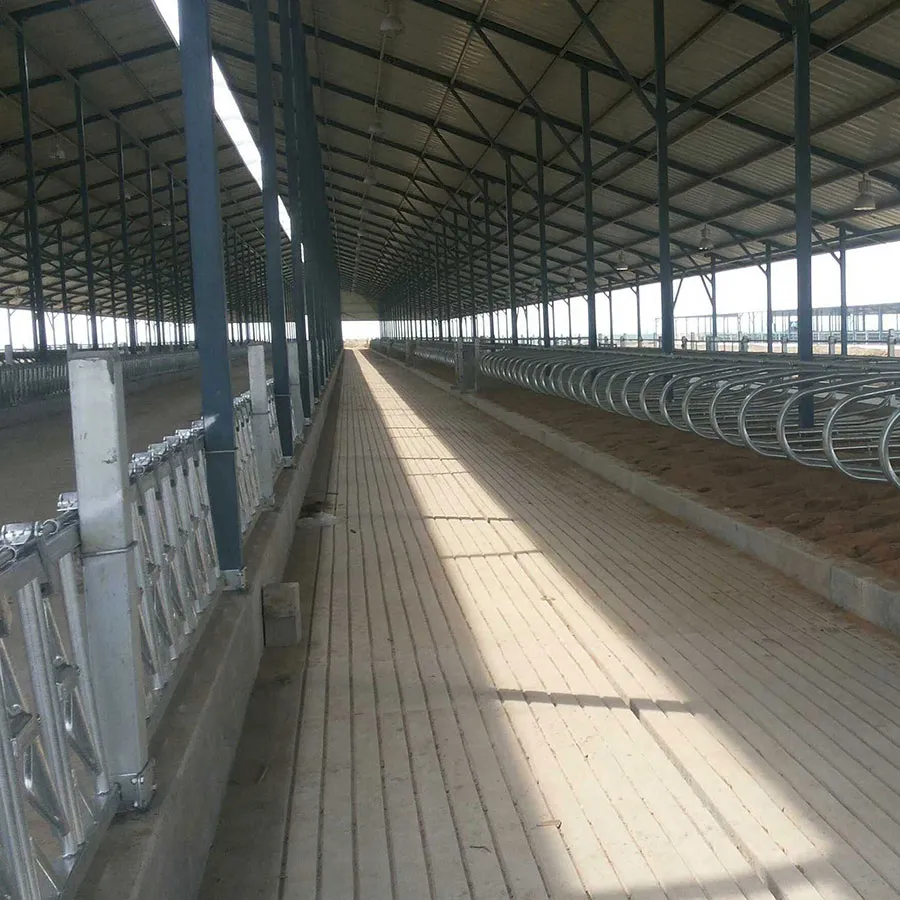
From single-family hog pens to industrial-scale operations, the feeder systems come in various sizes and configurations. Modularity allows farmers to expand capacity as herds grow, or switch to different feed types without hassle.
Cost Efficiency: Long Game Savings
Though heavy duty hog feeders might cost more upfront, their lifespan and savings on wasted feed make them economically sound over the long term. Many industry experts say it's this balance of cost and durability that defines a truly “heavy duty” unit.
Mini Takeaway:
Durability, efficiency, hygiene, scalability, and cost combine to make a heavy duty hog feeder more than just a feeding tool — it’s an investment that pays dividends in animal welfare and farm profitability.
How Heavy Duty Hog Feeders Are Used Around the World
These feeders don’t just stay local; they’re instrumental worldwide. In North America and Europe, integration with automated systems lets large farms monitor feed intake digitally, reducing labor and improving growth consistency.
In Southeast Asia and parts of Africa, where small to mid-size farms dominate, these feeders provide an affordable way to keep hogs fed with minimal waste despite resource constraints. Some humanitarian groups also use them in post-disaster agricultural recovery to quickly help farmers rebuild livelihoods.
For example, a small pig-farming cooperative in Vietnam recently reported a 15% increase in pig growth rates after switching to heavy duty feeders with adjustable flow control, effectively reducing wasted feed and spoilage.
Advantages — What Makes Investing in Heavy Duty Hog Feeders Worth It
- Cost Savings: Less feed waste means more efficient investment.
- Sustainability: Durable materials reduce replacement waste, and efficient feeding lessens environmental impact.
- Animal Health: Clean feed and consistent supply improve hog well-being.
- Labor Savings: Automation-ready feeders reduce manual labor demands.
- Trust & Reliability: Farmers feel confident with equipment that can withstand the test of time and animals.
There’s also something emotionally reassuring about knowing your animals are getting their fair share — it's not just about profits, after all.
What’s Next? Future Trends and Innovations
The future’s bright and slightly techy. Innovations like IoT-enabled feeders will soon allow precision feeding schedules, real-time monitoring of animal health, and even automatic adjustments to feed mixtures based on growth phases. Sustainable materials, including biodegradable plastics and recycled metals, are making products greener.
Digital transformation is encouraging integration of feeders into farm management software. Meanwhile, solar-powered or energy-efficient models cater to off-grid and developing regions.
Challenges and How the Industry Is Tackling Them
Current challenges include upfront costs, irregular supply chains especially in remote areas, and adaptation for exotic feed types. Manufacturers and NGOs are responding by offering financing options, mobile maintenance services, and versatile designs that fit diverse needs.
R&D efforts focus on creating modular components farms can upgrade piece-by-piece instead of replacing entire units, improving accessibility.
Frequently Asked Questions About Heavy Duty Hog Feeders
- Q: What materials are most commonly used in heavy duty hog feeders?
- A: Galvanized steel and UV-resistant plastics are standard for durability, corrosion resistance, and ease of cleaning.
- Q: How do heavy duty hog feeders reduce feed waste?
- A: Through design elements like adjustable feed flow, covered troughs, and anti-spill features that help keep feed in reach and reduce losses from hog behavior.
- Q: Can these feeders be automated for large farms?
- A: Yes, many modern feeders integrate with automated dispensing systems and IoT devices to enable precise feeding schedules and remote monitoring.
- Q: Are heavy duty hog feeders suitable for smallholder farmers?
- A: Definitely. Models come in various sizes and price points, with some designed specifically for the scale and budget of small to mid-size farms.
Technical Specifications of a Popular Heavy Duty Hog Feeder Model
| Specification | Details |
|---|---|
| Material | Galvanized steel, powder-coated finish |
| Feed capacity | Up to 150 lbs (68 kg) |
| Dimensions (L×W×H) | 36" × 24" × 18" (91 × 61 × 46 cm) |
| Weight | 45 lbs (20 kg) |
| Adjustable flow control | Yes, with manual dial |
| Weather resistance | Waterproof and UV-resistant coating |
| Cleaning ease | Design allows quick disassembly |
Comparing Leading Heavy Duty Hog Feeder Vendors
| Vendor | Price Range | Material Quality | Warranty | Customization Options |
|---|---|---|---|---|
| Livestock Solutions Inc. | $120 - $250 | High-grade galvanized steel | 3 years | Sizes, coatings, automated add-ons |
| FarmCore Equipment | $90 - $200 | Powder-coated steel | 2 years | Color, size options |
| RuralTech Solutions | $100 - $225 | UV-resistant polymer frame | 2 years | Modular designs, IoT integration |
Wrapping Up: Why Heavy Duty Hog Feeders Are a Smart Investment
Whether you run a sprawling commercial pig farm or a small rural operation, investing in a heavy duty hog feeder pays off in the long run. These feeders aren’t just about holding food — they’re about efficiency, animal health, cost savings, and even sustainability. In the world of livestock farming, where margins can be tight, such components form the backbone of success.
Want to take your hog feeding to the next level? Visit our website: https://www.cxlivestock.com for tailored solutions that fit your needs.
Quick Takeaway
Durable, efficient, and adaptable heavy duty hog feeders solve real challenges from feed waste to animal health, and their future looks brighter with tech innovations on the horizon.
References
Post time: Dec . 02, 2025