The Headlock Cow: A Closer Look at a Vital Livestock Management Tool
For anyone involved in livestock management, the term headlock cow isn’t just jargon – it’s a keystone for safety, efficiency, and animal welfare. Why does it matter globally? Well, efficient livestock handling directly influences food security, animal health, and agricultural productivity worldwide. With rising demands for sustainable farming and humane treatment, understanding the role and benefits of headlock cows becomes key, especially as farmers aim for safer, more controlled environments for their herds.
Introduction: Why Does the Headlock Cow System Matter Globally?
Livestock farming touches billions of people. According to the Food and Agriculture Organization (FAO), more than 1.3 billion people worldwide depend on livestock for their livelihoods. Managing these animals safely, especially cattle, is more than just a routine—it’s a global challenge. Injuries to handlers, stress for the animals, and even operational inefficiencies can cascade into economic losses and compromised animal welfare.
Enter the headlock cow system, an innovation designed to secure cattle head-on in a safe, manageable way. It’s a simple yet transformative solution reducing stress, preventing injuries, and increasing productivity – vital in an industry where margins and animal wellbeing both matter greatly.
Defining the Headlock Cow: What's In a Name?
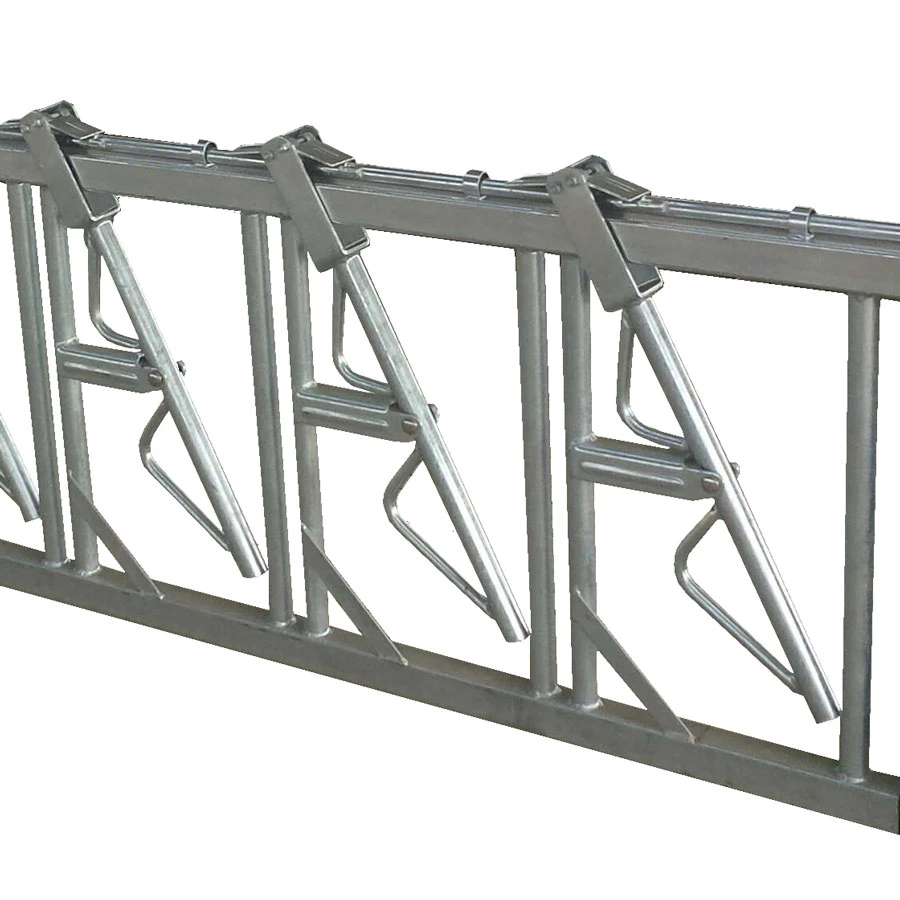
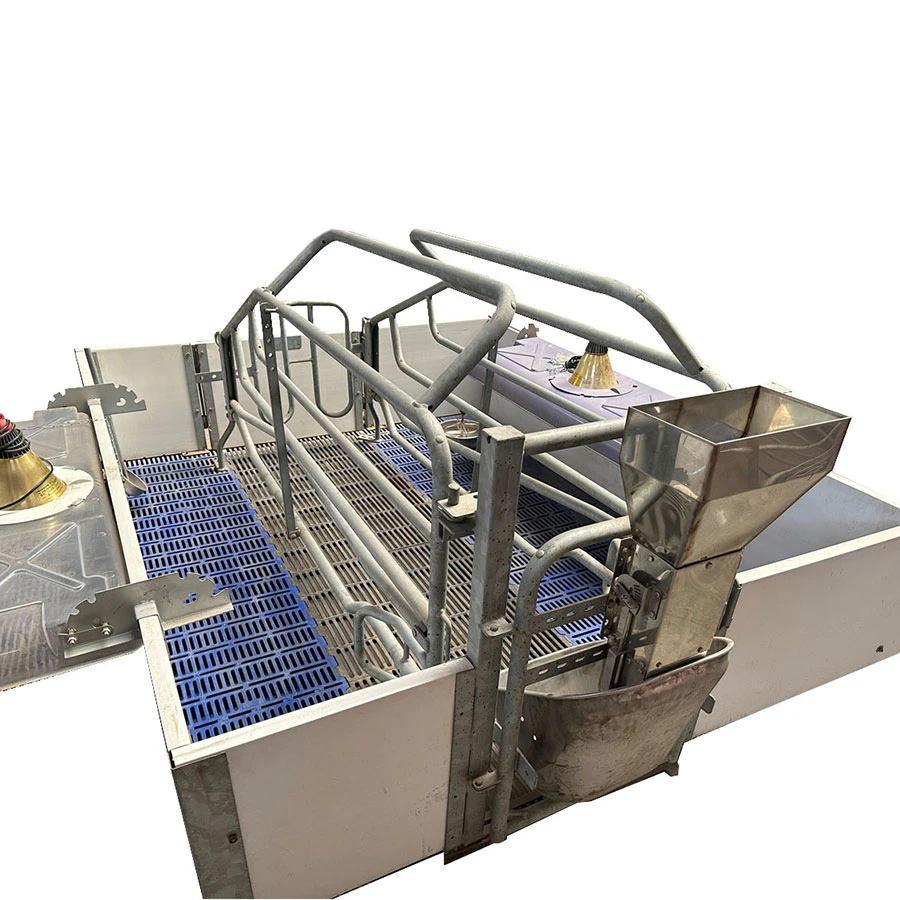
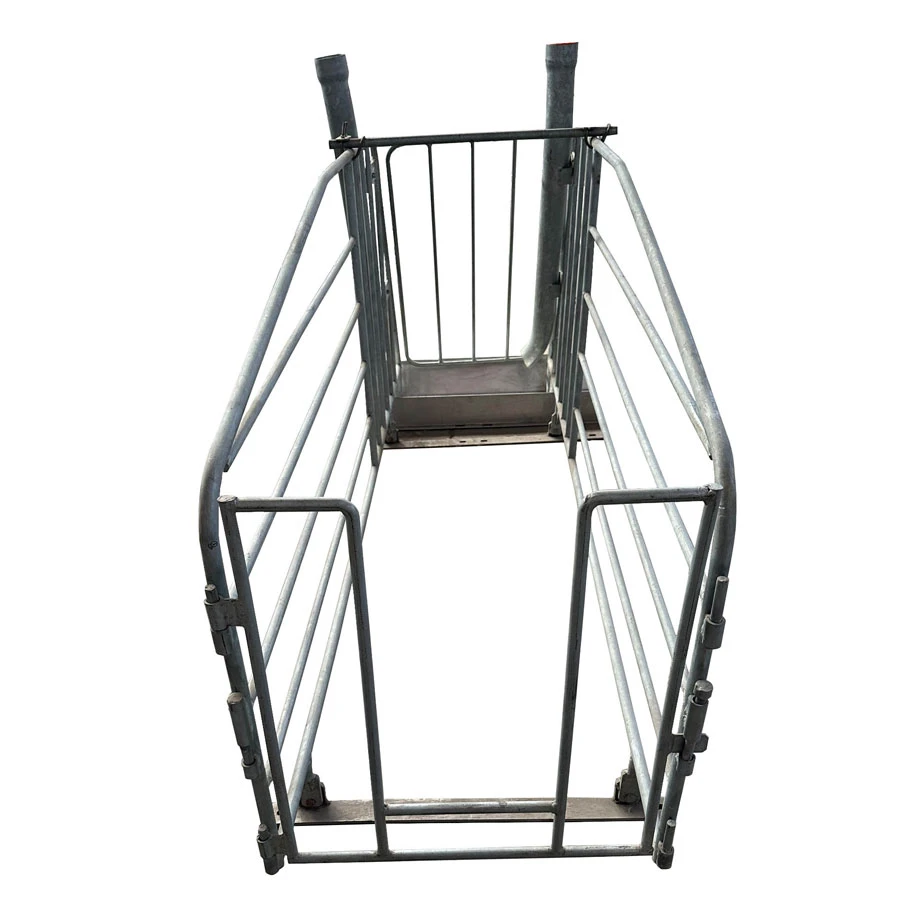
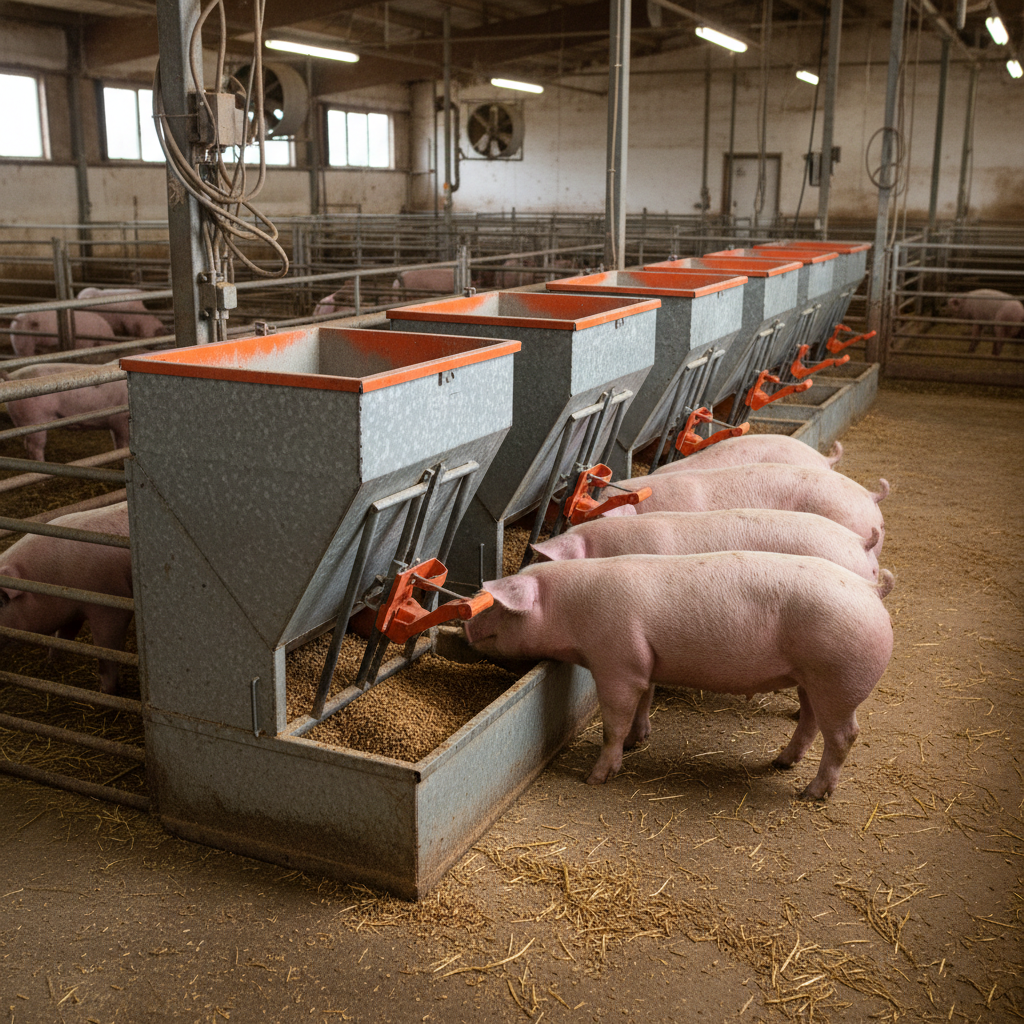
Simply put, a headlock cow refers to a specialized restraint system that gently secures the cow’s head, usually within a row of locking mechanisms at feeding or working stations. It’s essential for ensuring cows stand still during medical treatments, feeding, or milking. This headlock isn’t about coercion but controlled comfort – allowing handlers to safely approach while minimizing stress for the animal.
In modern agricultural settings, such restraint systems are closely tied to mechanization and humane handling trends, bridging traditional husbandry with the needs of an evolving, globalized livestock industry.
Key Factors Behind Effective Headlock Cow Systems
1. Durability
A headlock cow setup has to withstand daily use in various conditions – rain, dust, manure, you name it. Most farmers look for galvanized steel or powder-coated finishes that resist rust and corrosion. Durability means less downtime and longer life spans.
2. Scalability
Whether you’re managing a small-town dairy or a sprawling commercial farm, scalability is crucial. Systems often come modular: add or remove locking units depending on herd size or barn configuration.
3. Animal Comfort & Safety
The design ensures that when a cow’s head is secured, there’s enough room to avoid injury, and smooth edges to prevent abrasions. Comfort lowers stress, and stressed cows don’t produce milk as well.
4. Cost Efficiency
Initial investment balances against long-term gains from reduced injury, better feeding efficiency, and less handling time. Many farmers note the upfront cost is quickly absorbed through increased milk yield and labor savings.
5. Ease of Use
Operators prefer systems that open easily, preferably with foot pedals or released from a central control point – that way, you reduce manual strain and speed up workflows.
Mini Takeaway:
Durability, comfort, and efficiency together form the backbone of any reliable headlock cow system. Getting these right means happier animals, safer farms, and smoother daily operations.
Global Applications & Real-World Use Cases of Headlock Cow Systems
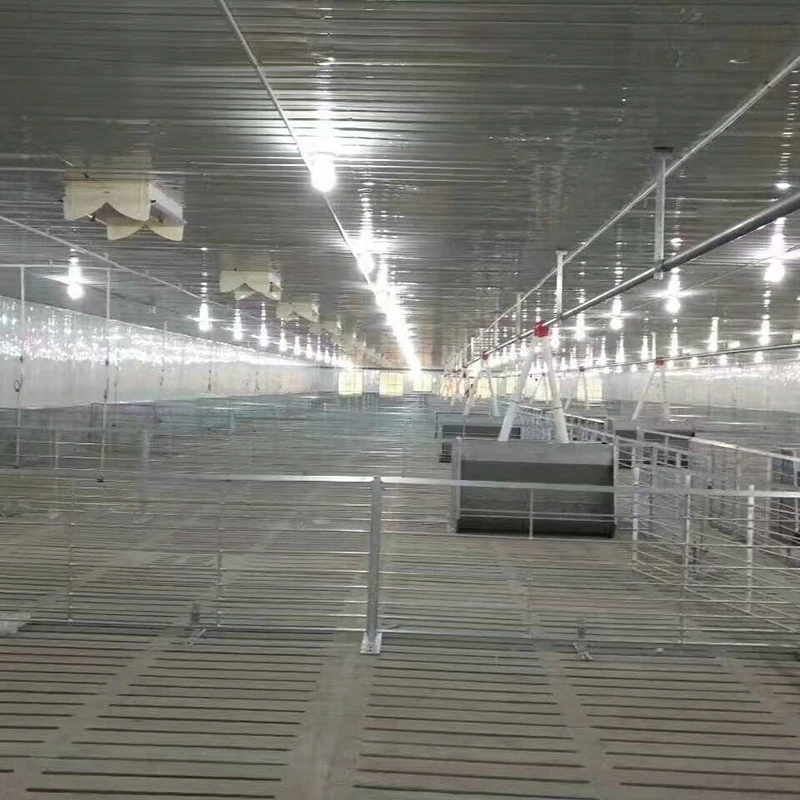
The application of headlock cow systems isn’t limited to one corner of the world — farmers in New Zealand’s sprawling pastures, American dairy barns, and even Asian family farms have all embraced these tools to enhance productivity and safety.
- In North America: Large-scale dairies leverage heavy-duty headlocks integrated with automated feeding to streamline herd management.
- In Europe: Animal welfare standards push farms toward headlocks designed with comfort as priority. Many units meet ISO animal welfare safety guidelines.
- In Developing Regions: NGOs assisting pastoralist communities introduce basic headlock cow systems to minimize injuries and improve veterinary care access.
For example, a dairy farm in Wisconsin recently reported a drop in cattle handling injuries by 30% after upgrading to a steel headlock system, enhancing worker safety while improving milk production schedules.
Advantages & Long-Term Value of Using Headlock Cow Solutions
On a tangible level, headlock cow systems offer:
- Reduced Risk: Fewer handler injuries and lower chances of cattle damaging equipment or themselves.
- Sustainability: Increased animal longevity and healthier herds through less stress and effective feeding.
- Economic Gains: Faster handling times, better yield, and less vet cost over time.
Emotional benefits come from building trust between handlers and animals — in a way, it promotes dignity for the cows, which often translates to better overall welfare outcomes. Many farmers describe it as ‘a relief to finally have a system that works both for us and the cows.’
Looking Ahead: Future Trends and Innovations in Headlock Cow Systems
The future? It’s bright and a bit techy. Automation is creeping in with sensor-enabled locks that tell farmers when a cow is locked or agitated — enabling proactive care. Materials like composites are tested for lighter weight yet stronger frames.
Green farming combines solar-powered barn infrastructure with digitally monitored headlocks to slash carbon footprints. Unexpectedly, some startups even experiment with AI-driven stock movement predictions — meaning these headlocks might soon talk back.
Challenges & Solutions with Current Headlock Cow Technology
Despite the positives, owners often wrestle with:
- Initial Costs: Smaller farms sometimes balk at upfront expenses.
- Maintenance Demands: Mechanical parts can fail without proper upkeep.
- Adaptability: Fixed systems don’t always suit mixed herd sizes or breeds.
Solution-wise, modular designs and leasing options ease financial burdens. Manufacturers also provide robust maintenance guides and mobile support. Innovators are exploring collapsible and adjustable locks catering to multi-use barns and different species.
Headlock Cow Systems: Specifications at a Glance
| Feature | Specification | Benefit |
|---|---|---|
| Material | Galvanized Steel with Powder Coating | Corrosion resistant, long-lasting |
| Lock Type | Self-locking headlocks with manual release | Safe restraint, easy operator control |
| Width Adjustment | Adjustable 65 – 85 cm per slot | Fits various cattle sizes |
| Length | Configurable from 2 m to 15 m+ | Modular setup for herd size |
| Safety Features | Rounded edges, smooth welds | Minimizes injury risk |
Comparing Leading Headlock Cow System Vendors
| Vendor | Product Range | Customization | Price Range | Warranty |
|---|---|---|---|---|
| AgriLock Systems | Standard & Heavy-Duty Headlocks | Modular sizes, sensor integration | $1,300 - $5,000 | 5 years |
| CattleGuard Pro | Basic headlocks with manual release | Limited sizes, no tech add-ons | $900 - $2,800 | 3 years |
| EcoLivestock Innov. | Composite frame headlocks | Custom sizes, solar-powered sensors | $1,800 - $6,500 | 7 years |
FAQ: Frequently Asked Questions About the Headlock Cow System
Q1: How does a headlock cow system improve safety during cattle handling?
A: By securely restraining the cow’s head during feeding or veterinary work, headlocks minimize sudden movements, reducing the risk of injury to both animals and handlers. This controlled environment also eases stress, making cattle calmer and more cooperative.
Q2: Can headlock cow systems be adapted for small-scale farms?
A: Absolutely. Many systems are modular, allowing farmers to install only the number of locking units needed. Some smaller-scale models focus on affordability and ease of use for family farms.
Q3: What maintenance is required to keep headlocks functional?
A: Regular cleaning and lubrication of moving parts prevent rust and jamming. Visual inspections for bent or damaged components ensure safety. Annual professional servicing may be recommended depending on use intensity.
Q4: Are these systems compatible with automated feeding technologies?
A: Many modern headlocks integrate easily with automated feeders and monitoring sensors, providing real-time data on cattle behavior and feed consumption, enhancing herd management.
Q5: How do headlock cow systems contribute to animal welfare standards?
A: By reducing physical stress and injury risks during handling, headlocks help meet internationally recognized welfare guidelines such as those outlined by the ISO 24518 for livestock management.
Conclusion: The Lasting Impact of Headlock Cow Systems
Whether you’re managing a modest barn or a mega-dairy, the headlock cow system stands as a vital piece of the livestock management puzzle—balancing safety, productivity, and animal dignity. It’s no wonder that more farms worldwide are recognizing its long-term value.
Thinking about upgrading your farm’s equipment? Visit our website: https://www.cxlivestock.com to explore a range of durable, modern headlock solutions suited for your herd’s needs.
References
Post time: Nov . 29, 2025