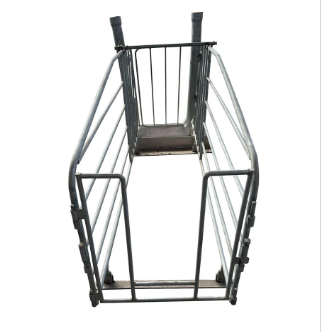
Understanding Gestation Crates for Sows: Why They Matter in Global Livestock Farming
Gestation crates for sows, sometimes called sow stalls or pregnancy crates, are far more than just metal cages—they represent one of the keystone technologies of modern pig farming worldwide. I know, the phrase might bring to mind cramped quarters and controversy, but putting aside the debates for a moment, gaining a solid understanding of gestation crates sows is crucial. This is because these systems directly influence animal welfare, farm efficiency, and ultimately — food security on a global scale.
Today’s industrial livestock supply chains rely heavily on gestation crates to ensure the safety and health of pregnant sows, reducing injury risks and improving productivity. With pork consumption expected to soar alongside the rising middle class in Asia and beyond, how we manage these spaces matters. This article explores what gestation crates sows are, their core features, global use, and the evolving landscape shaping their future.
Global Context: Why Gestation Crates for Sows Are a Worldwide Issue
The global pork industry accounts for roughly one-third of all meat production worldwide according to the FAO (Food and Agriculture Organization), with over one billion pigs raised every year. Gestation crates for sows are a standard in many countries, especially in large-scale commercial farming operations across North America, Europe, and China.
Why has this method become so widespread? Well, these crates address real challenges including aggressive sow behavior during pregnancy, feed management, and facility sanitation. Yet, international organizations like the World Animal Protection and some EU policies call for reform or outright bans, highlighting a tug-of-war between productivity and animal welfare.
To put it simply: the debate surrounding gestation crates sows involves balancing efficient pig production against ethical farming methods and public perceptions—making it a hot topic across governments, NGOs, and consumers alike.
What Exactly Are Gestation Crates for Sows?
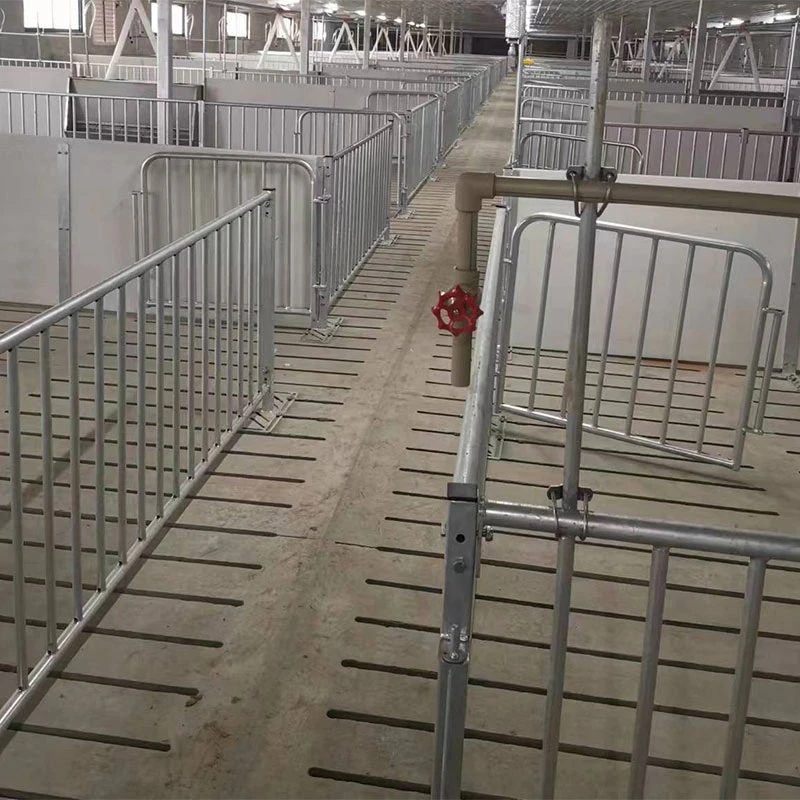
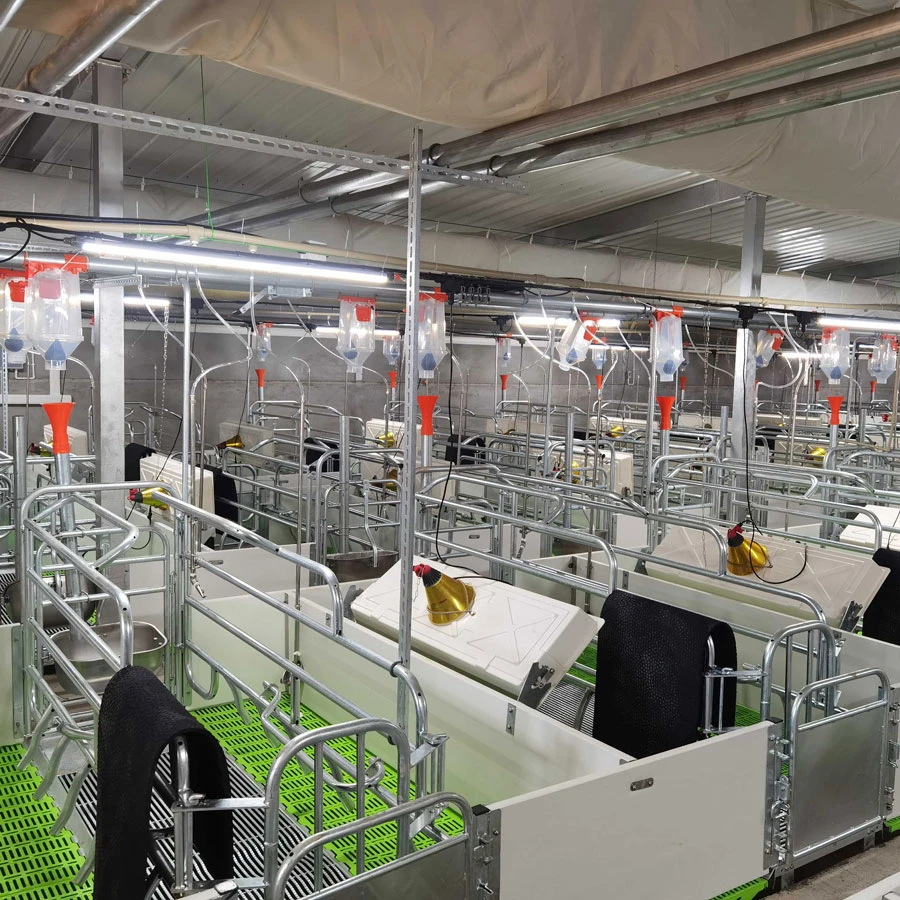
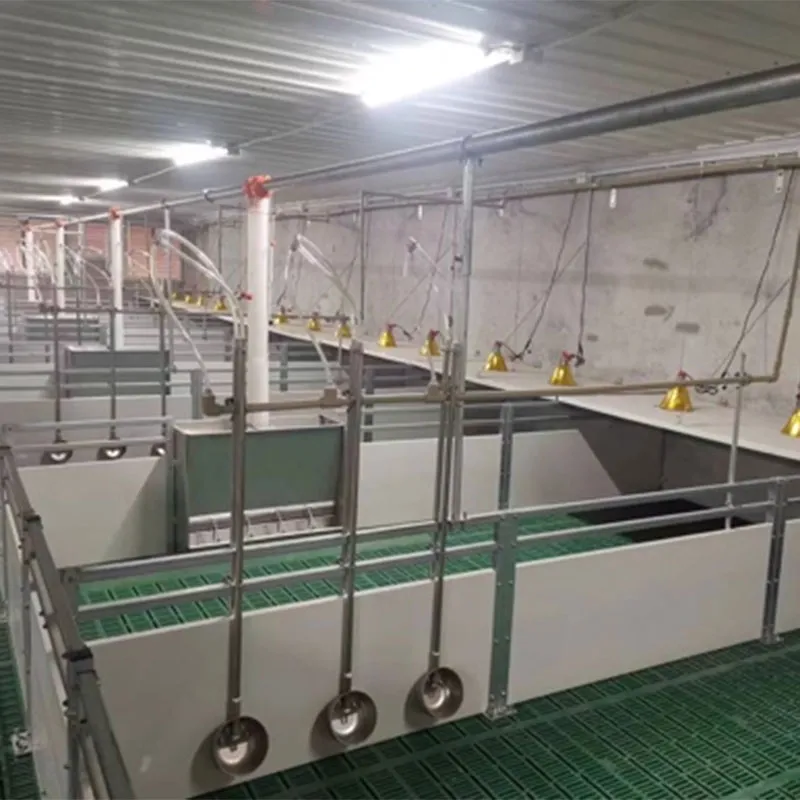
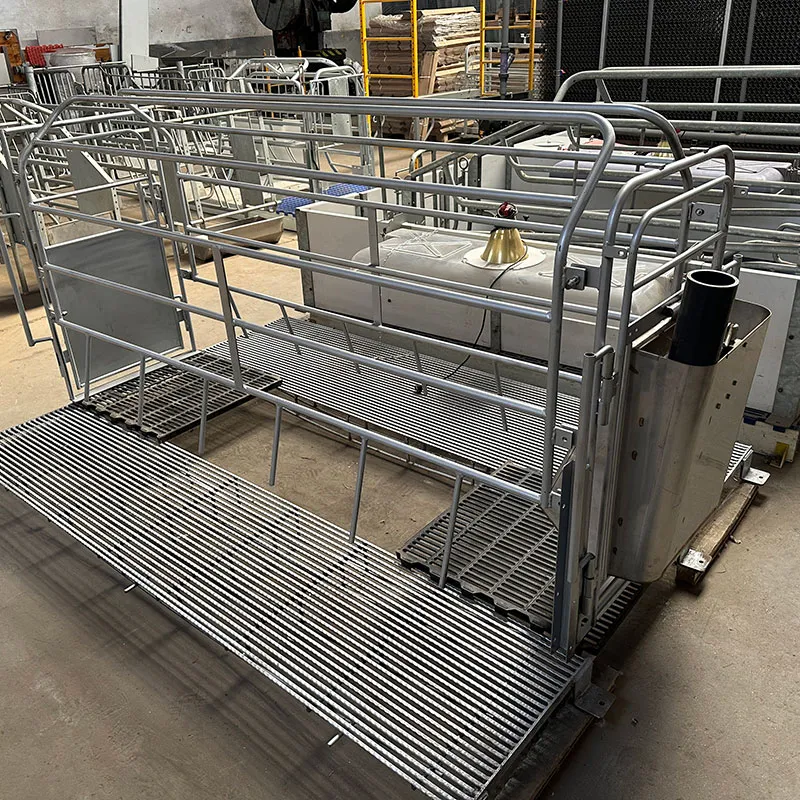
At their core, gestation crates are narrow metal enclosures designed to house a pregnant sow individually for the majority of her ~114-day pregnancy cycle. They restrict the sow’s movement to prevent fighting and injury among group-housed animals, and to allow individualized feeding.
Typically, these crates are about 2 meters long and 60 centimeters wide, preventing a sow from turning around but providing enough room to stand up and lie down. While this design looks restrictive, it was originally created to address critical management issues in intensive swine production, primarily to reduce stress and increase the survival rates of both sows and piglets.
Key Features of Gestation Crates: What Makes Them Work?
1. Space Optimization
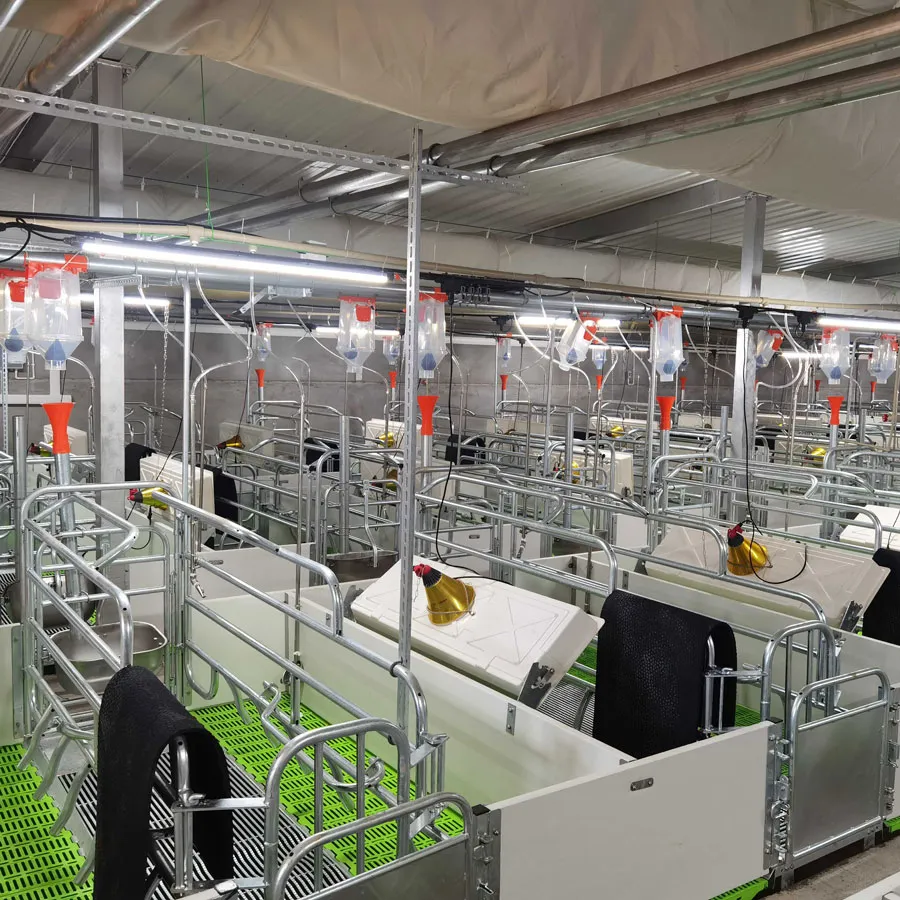
The compact design helps farms maximize space usage, allowing more sows to be housed within a single barn without overcrowding common areas—a crucial factor when scaling operations.
2. Animal Safety and Health
By isolating sows, gestation crates minimize aggressive encounters that could lead to injury or stress, which otherwise affect health and reproductive success.
3. Feeding Control
Individual stalls allow precision feeding tailored to the sow’s dietary needs, improving feed efficiency and reducing waste.
4. Durability and Sanitation
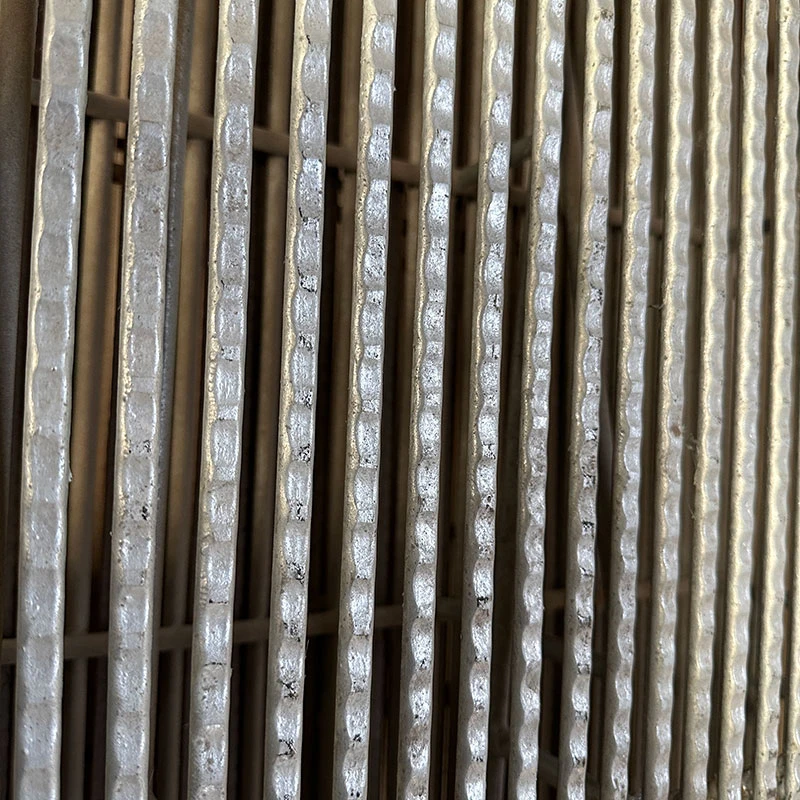
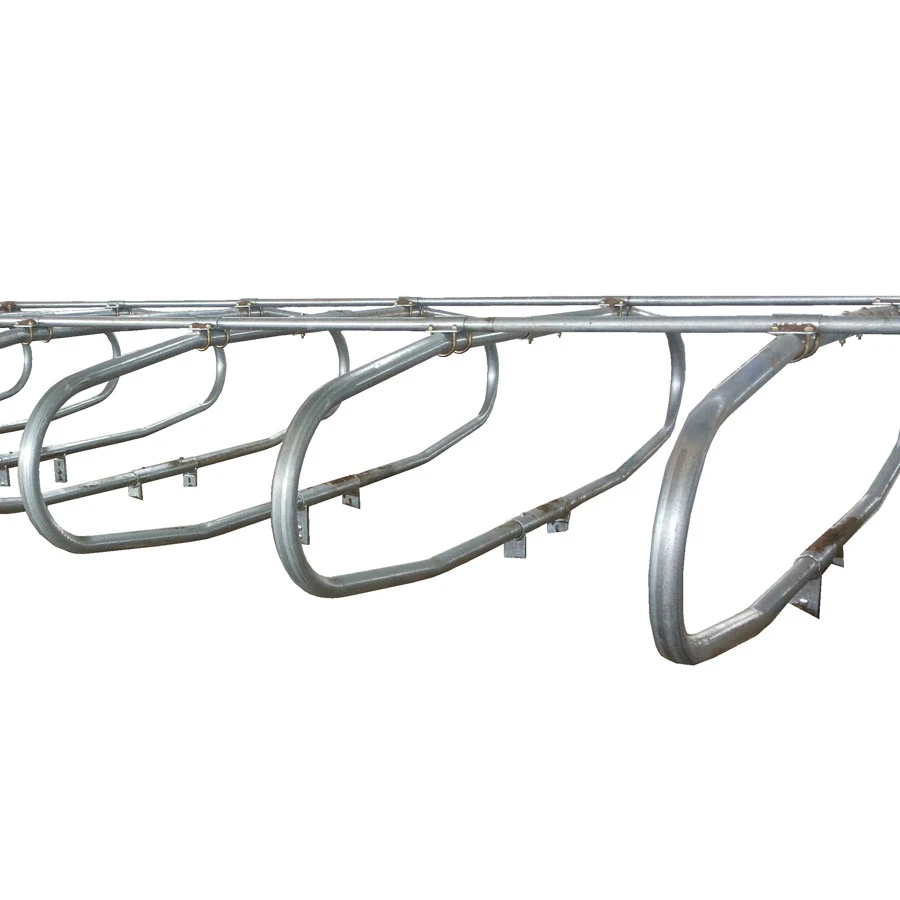
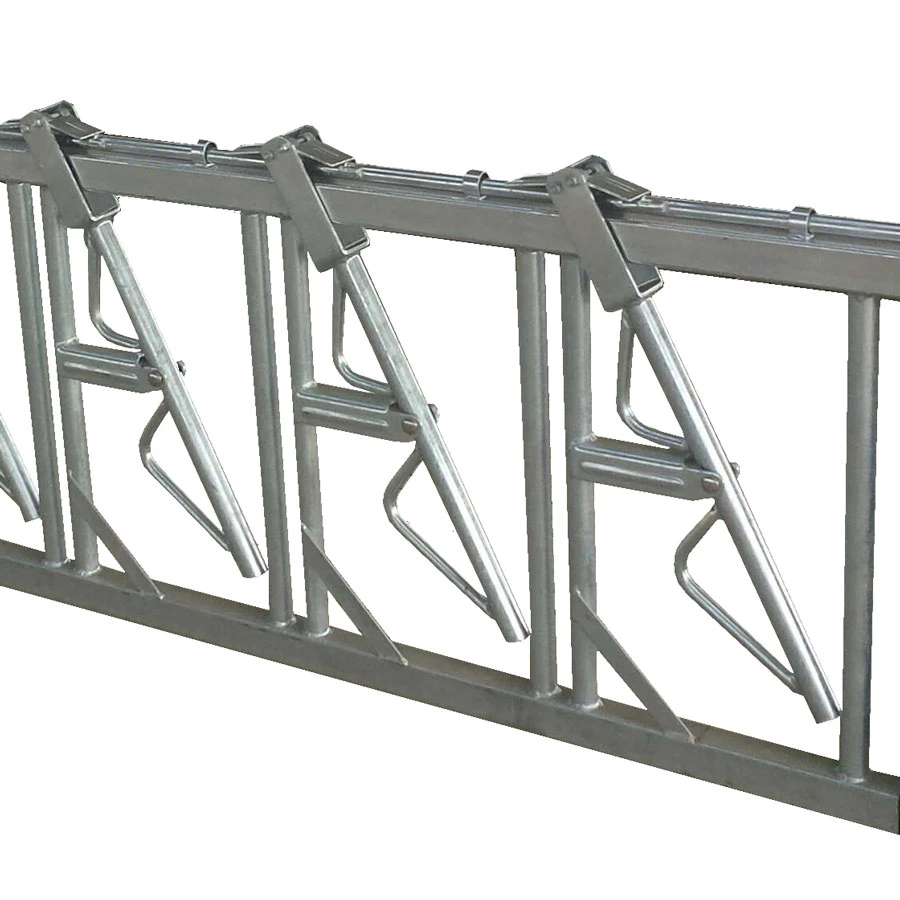
Constructed mainly from galvanized steel, these crates withstand the harsh barn environment and enable easier cleaning and disease control.
5. Integration with Farm Systems
Modern gestation crates often integrate with automated feeding and manure handling systems, boosting labor efficiency.
Typical Specifications of Gestation Crates for Sows
| Specification | Typical Value | Remarks |
|---|---|---|
| Length | 2.0 - 2.1 meters | Enough for standing, lying; restricts turning |
| Width | 60 - 65 centimeters | Limits lateral movement |
| Material | Galvanized Steel | Corrosion-resistant, durable |
| Weight per unit | ~80 kg | Stable but portable during barn setup |
| Feed trough type | Fixed or adjustable height | Adapted for sow size |
Mini takeaway: Gestation crates balance compact design with functional needs for sow care, though space restrictions do generate ongoing welfare debates.
Applications Across the Globe: Who Benefits and How?
The largest pork-producing nations—China, the USA, Brazil, and the EU—rely heavily on gestation crates sow systems for high volume breeding. These crates are common in massive indoor barns where thousands of sows can be managed efficiently.
Interestingly, innovations emerge from varied contexts. In parts of Europe, for instance, countries like Sweden and the Netherlands have introduced group housing alternatives, spurred in part by welfare legislation, but still face challenges scaling these methods in colder climates or large factory farms.
In Asia, rapid urbanization increases demand for pork, prompting investments in confined housing—that is, gestation crates sows—to meet volume demands quickly and reproducibly.
Gestation crates sows have also found niche applications in veterinary research or biosecured environments where precise animal monitoring is critical, such as experimental swine breeding centers.
Advantages and Long-Term Value of Using Gestation Crates
- Improved Sow Safety: Reduced fighting injuries during pregnancy.
- Consistent Reproductive Performance: Better individual feeding eliminates competition.
- Labor Efficiency: Easier cleaning and health checks save time and costs.
- Disease Control: Reduced cross-contamination potential.
- Economic Stability: Higher piglet survival rates support farm profitability.
But here’s an interesting note: while many stakeholders lean on technical and economic logic, the emotional aspect is unmistakable. Workers familiar with their sows often describe bond development or reassurance when animals are safe and healthy, lending an unexpected layer of trust to the system.
What’s Next? Trends & Innovations in Gestation Crate Technology
This is a somewhat contentious topic, but there’s clear momentum toward more ethical and sustainable livestock housing that still maintains efficiency. Innovations include:
- Modular Crate Designs: Adjustable systems that allow more movement during early pregnancy stages.
- Advanced Materials: Lightweight, corrosion-resistant composites reducing maintenance and improving comfort.
- Automation Integration: Sensors monitoring sow health and behavior in real-time to detect stress or illness early.
- Eco-Friendly Initiatives: Systems designed to minimize water and energy uses, coupled with manure recycling.
Common Challenges & Practical Solutions
Many critics often point to immobility and welfare concerns, driving regulatory and social pressure in many countries. Some challenges include:
- Animal Welfare Concerns: Limited movement can affect sow well-being.
- Regulatory Restrictions: Legislation varies wildly, affecting farm compliance.
- Cost of Upgrades: Transitioning to group housing or newer crate designs can be expensive.
To tackle these, industry leaders recommend a combination of gradual system upgrades, training for humane handling, and investment in research for alternative housing. Some farms employ hybrids—gestation crates in early pregnancy, switching to group pens later.
Vendor Comparison: Popular Gestation Crate Solutions
| Vendor | Material Quality | Customization Options | Price Range (USD/unit) | Lead Time |
|---|---|---|---|---|
| FarmTech Solutions | Galvanized Steel, Powder Coated | Size, Feed Trough Height | $110 - $140 | 4-6 weeks |
| AgriBuild Co. | Stainless Steel with UV protection | Modular Add-ons, Adjustable Width | $130 - $170 | 3-5 weeks |
| PigSafe Equip. | Composite Metal Frames, Rust-Proof | Sensor Integration Compatible | $150 - $190 | 6-8 weeks |
FAQ: Common Questions About Gestation Crates for Sows
Q1: Are gestation crates necessary for sow safety during pregnancy?
A1: In many intensive farming systems, gestation crates help prevent aggressive injuries by isolating sows, thereby improving overall safety. While alternatives exist, the crates remain a widely used, practical solution where space and management constraints exist.
Q2: Can gestation crates be replaced with group housing without sacrificing productivity?
A2: Group housing is viable and increasingly adopted in progressive regions, but it requires careful management to avoid fighting and ensure individual sow nutrition. Transitioning involves higher initial investment and training but favors welfare improvements long term.
Q3: How durable are modern gestation crates in harsh farm environments?
A3: Most modern crates use galvanized or stainless steel treatments, making them durable and resistant to corrosion from moisture and manure. With proper maintenance, crates can last 10+ years, offering reliable long-term use.
Q4: Do regulations differ worldwide regarding gestation crates?
A4: Absolutely. The EU and some US states have banned or restricted them, while countries like China and Brazil continue their extensive use. Staying informed on local legislation is key for compliance and market access.
Q5: Where can I find reliable suppliers for gestation crates?
A5: Suppliers like gestation crates sows specialize in tailored solutions with a focus on durability and compliance—perfect for farms looking to upgrade or scale responsibly.
Wrapping Up: Long-Term Gains from Gestation Crate Systems
So, what’s the bottom line? Gestation crates for sows are a complex topic balancing animal welfare concerns with the real-world needs of efficient pork production. Despite evolving attitudes and alternatives, their role in protecting sow health, improving farm economics, and supporting global food supplies remains substantial.
If you’re curious about upgrading or implementing modern solutions for your livestock operation, it’s worth visiting providers like gestation crates sows to explore what's available.
Just remember: whether you're managing a small farm or a huge industrial setup, thoughtful housing design is foundational to sustainable, humane pig farming. And nowadays, more options than ever are opening the door for innovation.
References
Post time: Dec . 02, 2025