Inside the Modern Sow Barn: What’s Changing With Gestation Hardware
Every season I walk barns, talk with managers, and, to be honest, step over more power washers than I’d like. The question that still lands in my inbox: should we standardize on gestation crates for pregnant sows or pivot entirely to group housing with free-access stalls? Reality on the ground is hybrid: welfare rules are tightening, yet farms still need precision feeding, safer handling, and—frankly—predictable breeding windows.
Product at a glance
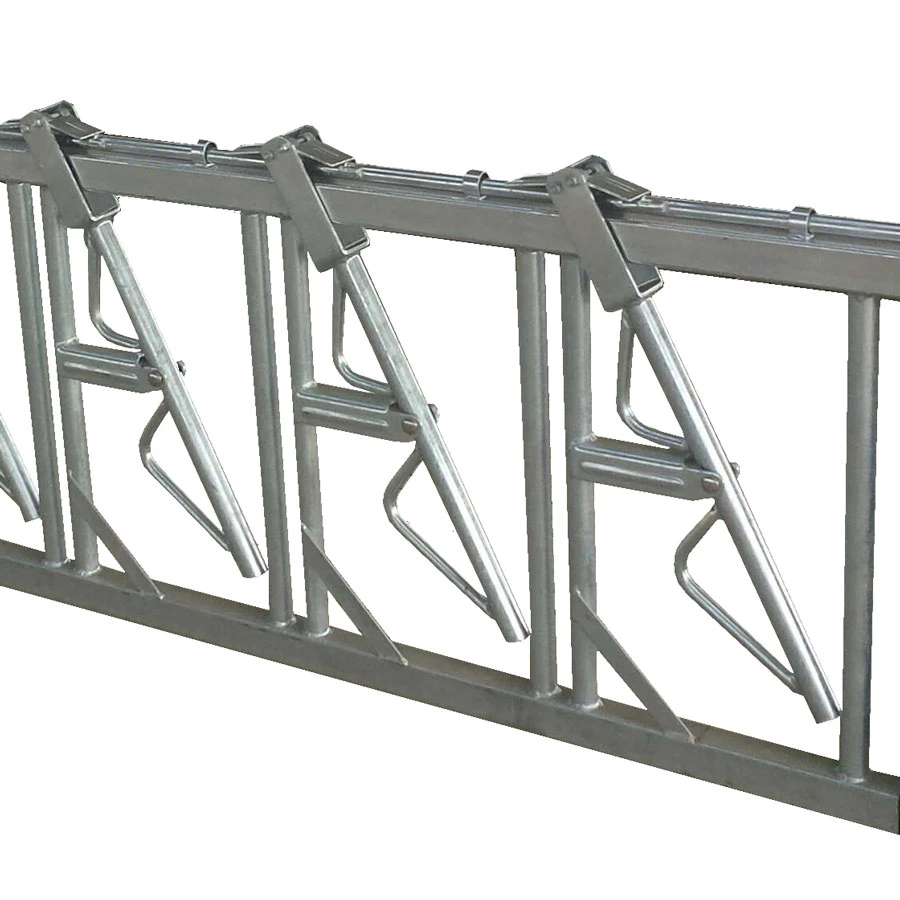
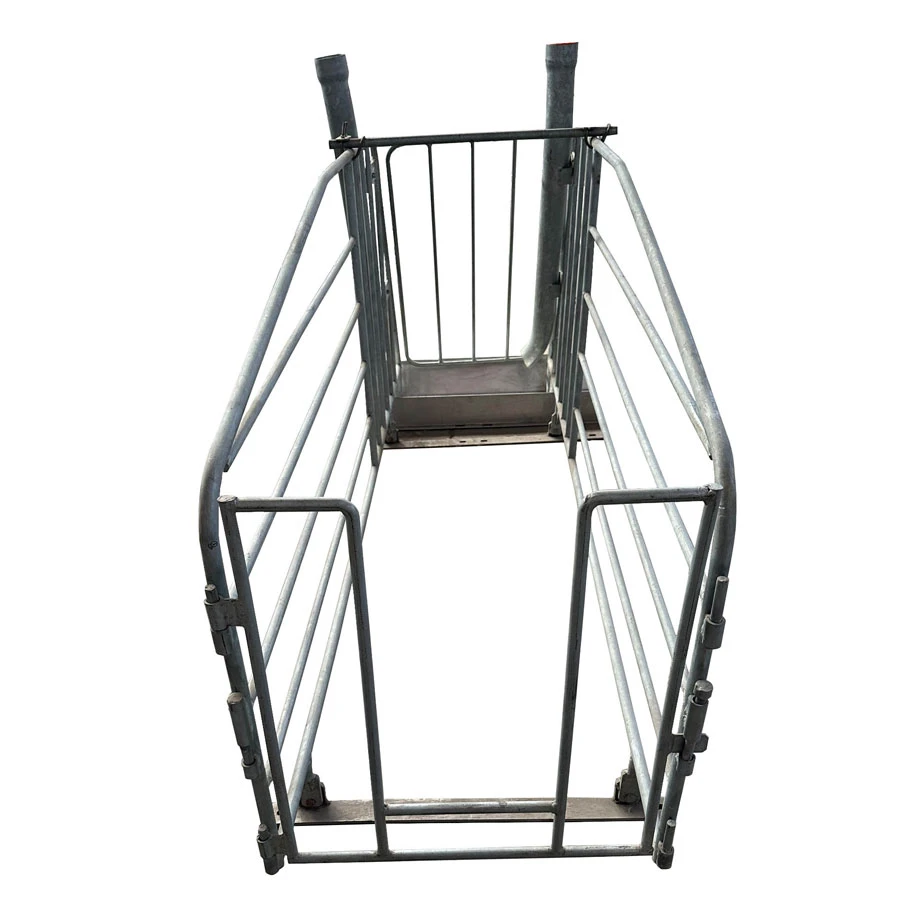
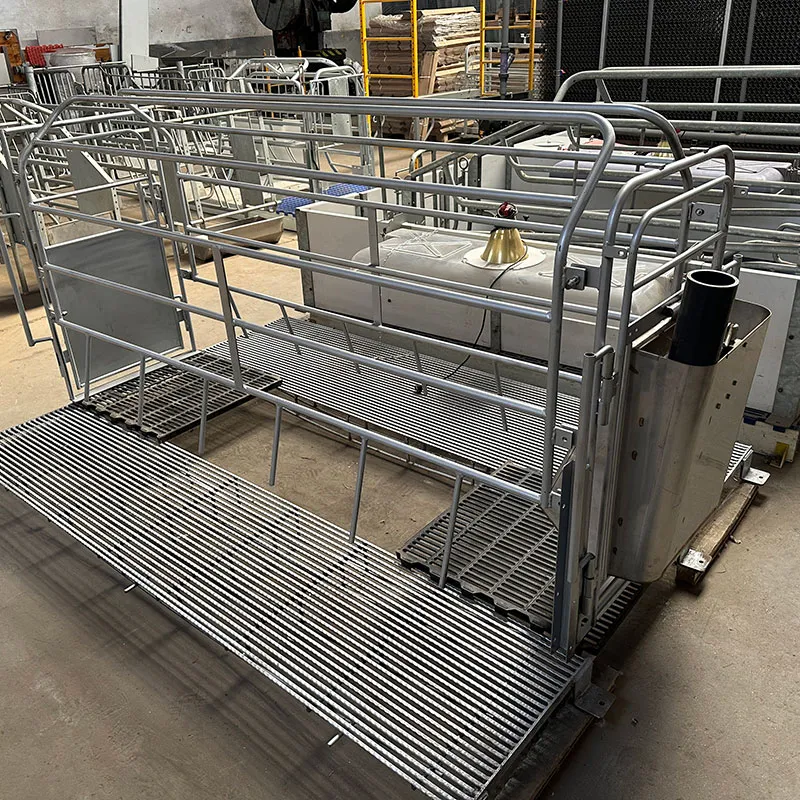
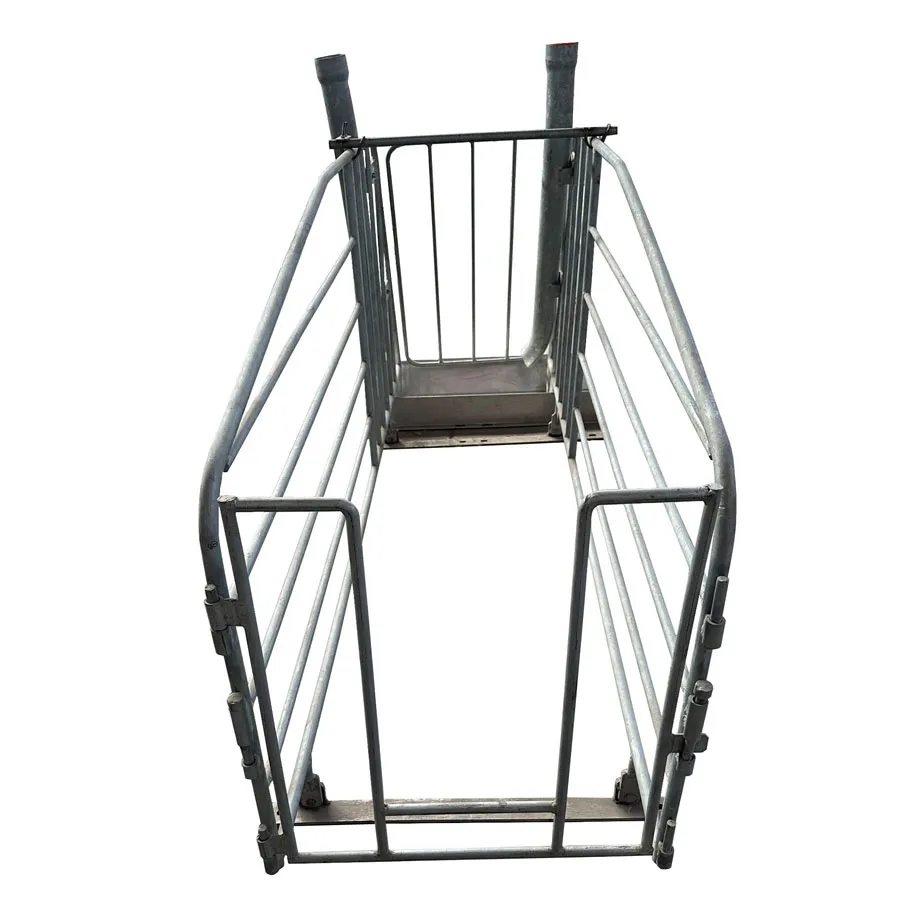
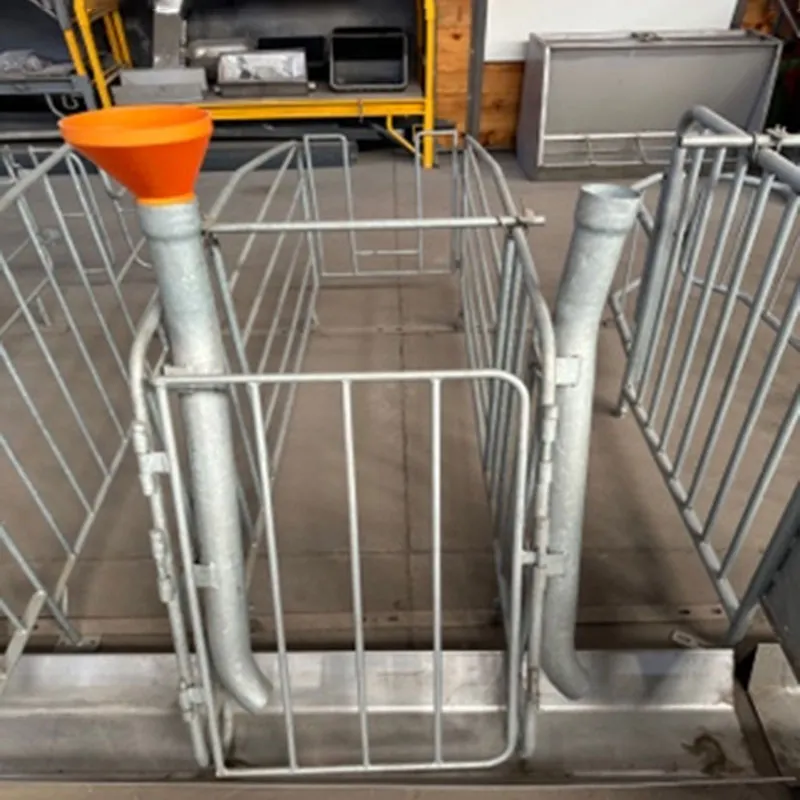
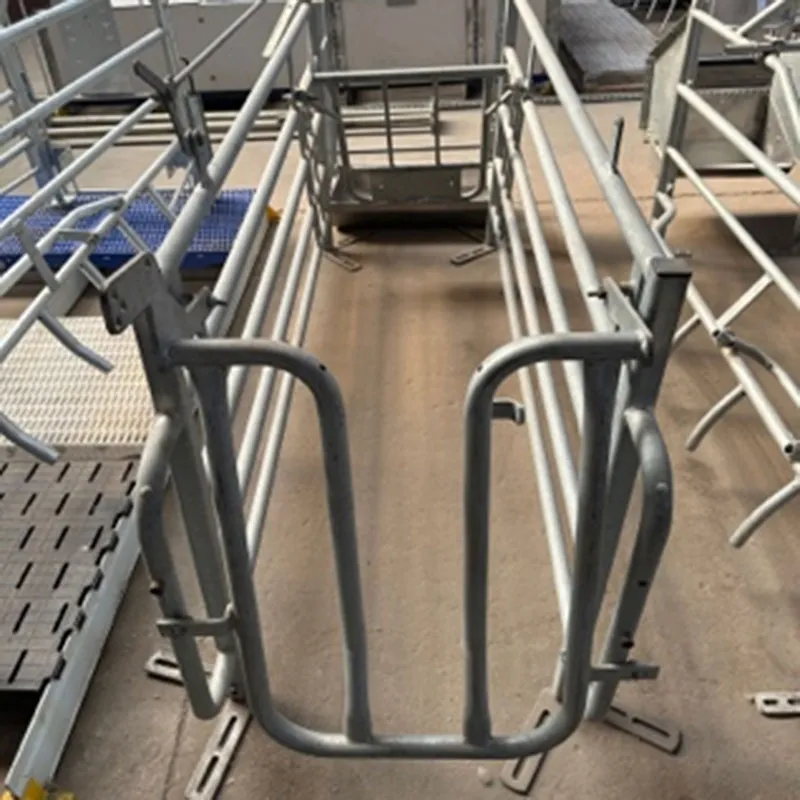
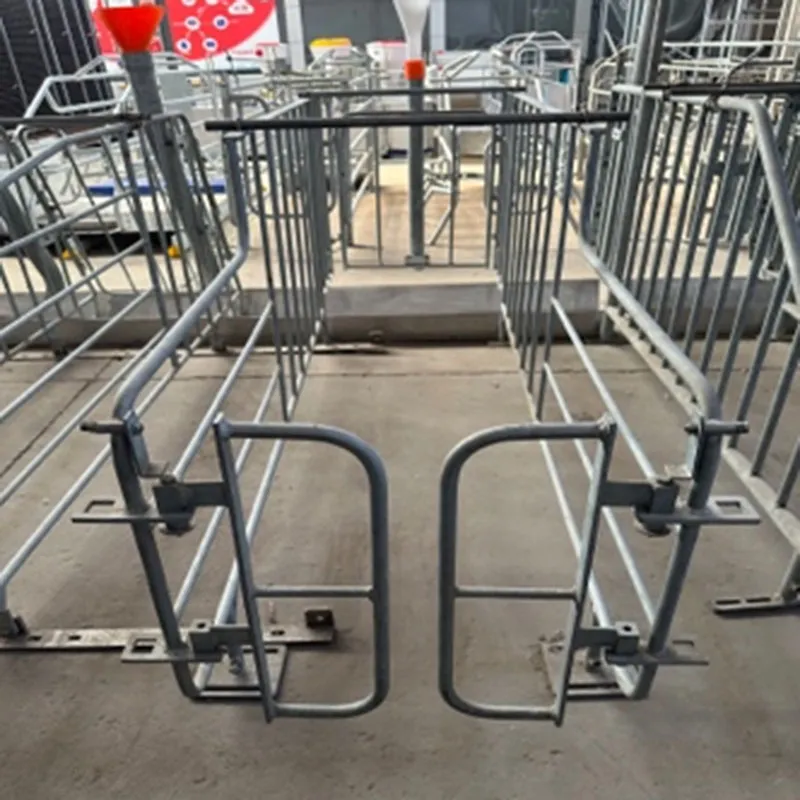
From Huanghua City, Hebei (Dongtai Road, Economic and Technological Development Zone), the “Gestation Crates With Steel Pipe Or Solid Bar Frame” has been trending with integrators upgrading legacy rows. The smart swing-gate design lets staff move sows in/out quickly—less wrestling, more workflow. And yes, many customers say cleaning is faster because weld joints are smoother than older fabricated sets.
| Spec | Details (≈, real-world use may vary) |
|---|---|
| Frame options | Q235 steel pipe Ø26.9×2.3 mm or solid bar Ø20 mm |
| Finish | Hot-dip galvanized (ISO 1461), Zn thickness ≈70–100 μm |
| Typical size | 2.2–2.4 m L × 0.60–0.65 m W × 1.1 m H |
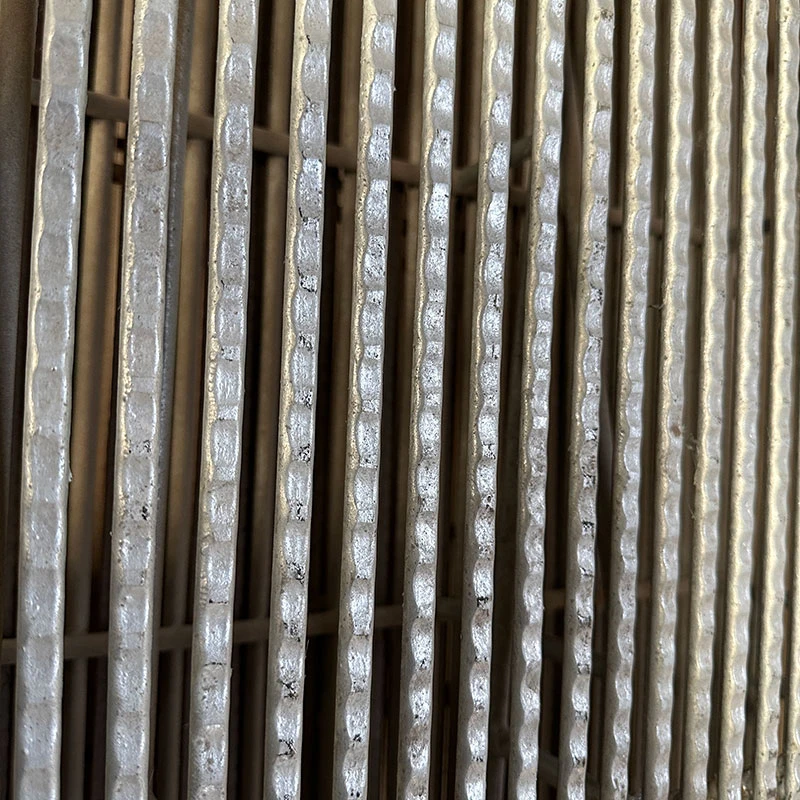
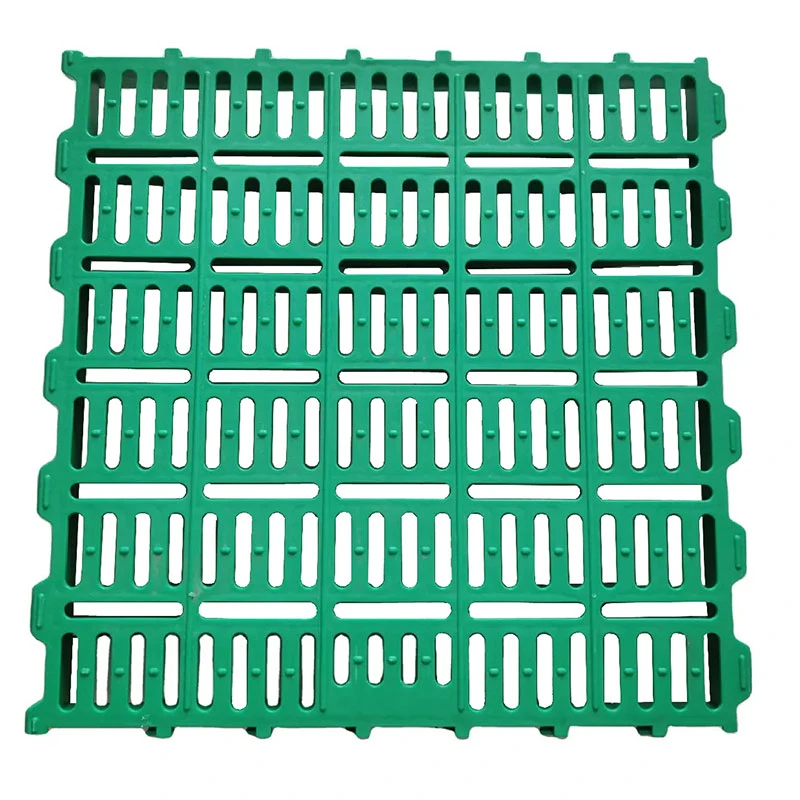
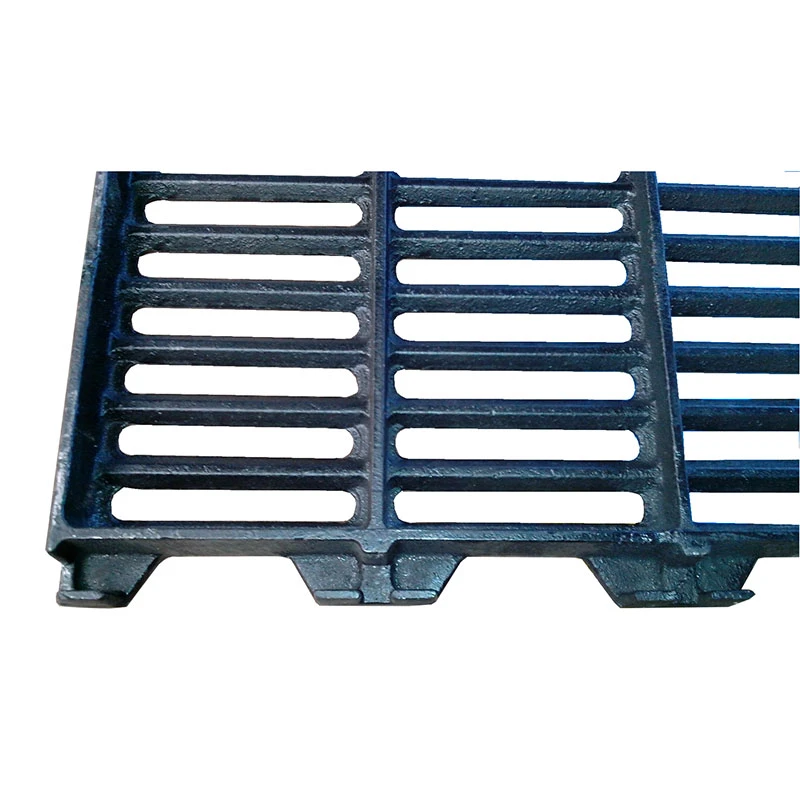
| Flooring | HDG slats or cast-iron sow plate + PP creep (site-dependent) |
| Trough | SS304 feed trough, anti-overflow lip |
| Welding | Robotic MIG, fillet welds ≥4 mm; spatter-polished |
| Service life | ≈10–15 years indoors; coastal sites check Zn yearly |
| Locking | Anti-back mechanism; quick-release front gate |
Industry trends (and a sober note on welfare)
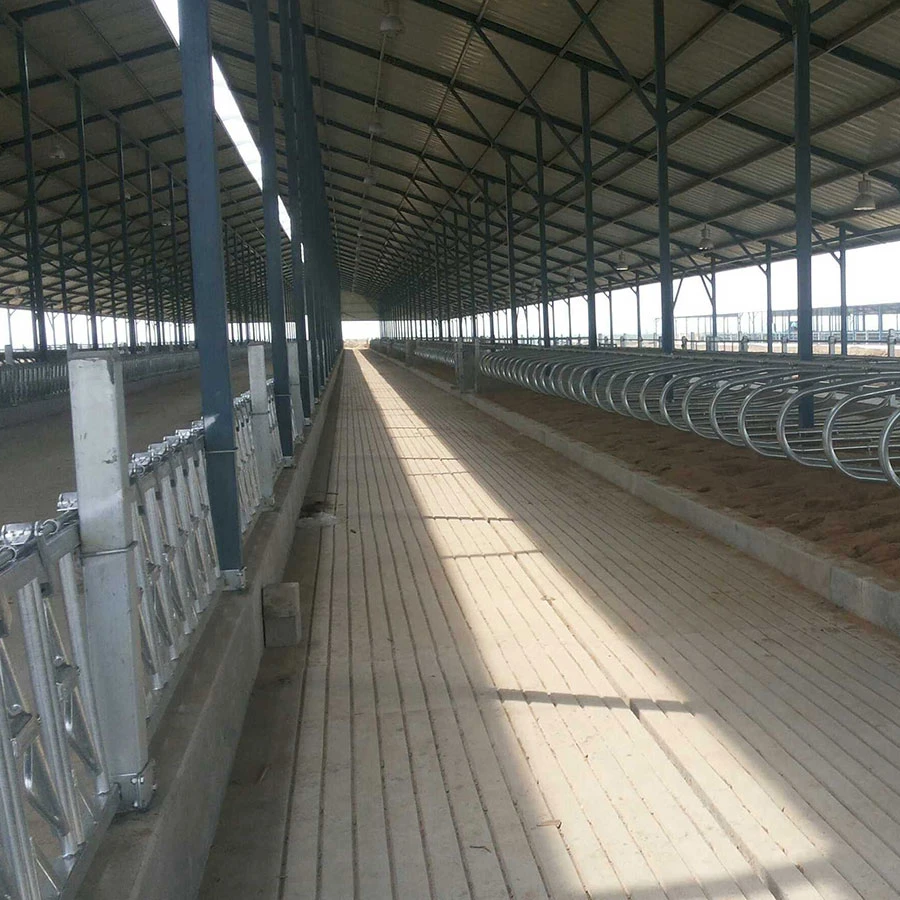
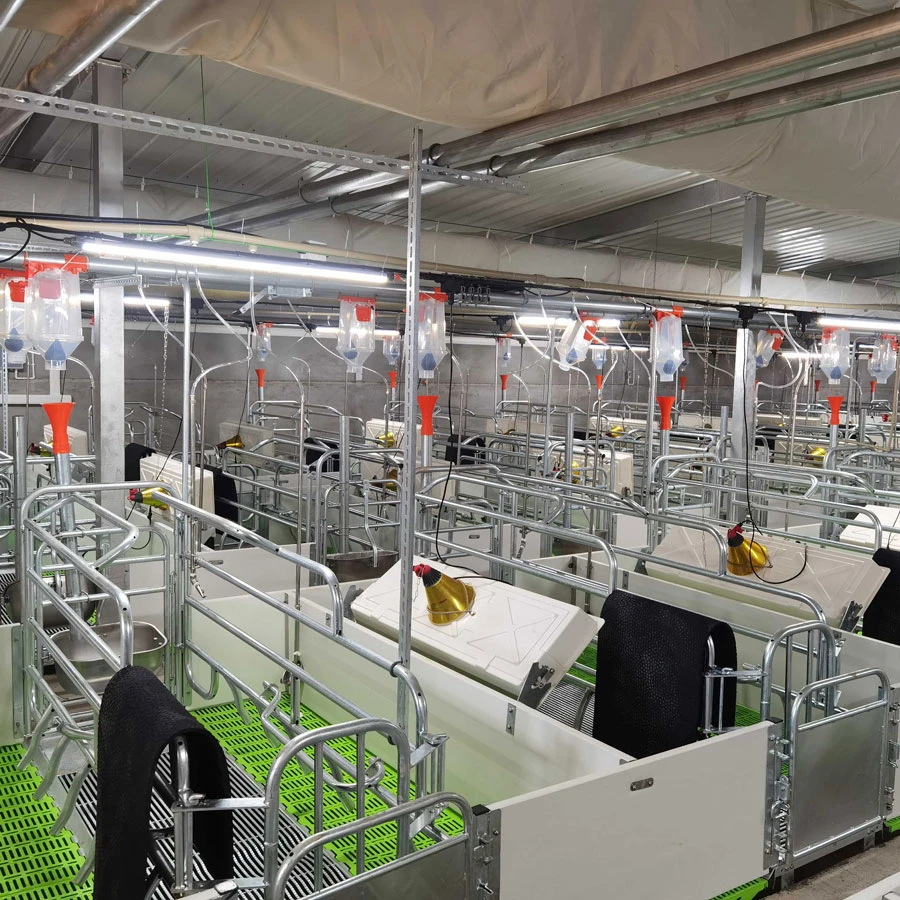
Policy is moving toward group systems after early pregnancy, especially in the EU and some US states. Yet producers still deploy gestation crates for pregnant sows for timed AI, injury reduction among aggressive sows, and individual feed curves. The compromise I keep seeing: rows of stalls near breeding, then pens with free-access stalls post-confirmation.
Process flow and QA
- Materials: Q235 steel (mill certs), SS304 troughs, 8.8-grade hardware.
- Methods: CNC bending → robotic MIG welding → acid pickling → hot-dip galvanizing → passivation.
- Testing: Zn thickness gauge (ISO 1461), salt-spray reference (GB/T 10125) ≈480 h, weld dye-penetrant on samples, gate fatigue test ≥20,000 cycles.
- Certifications: Factory ISO 9001; welfare layout guidance aligned with Council Directive 2008/120/EC requirements.
Where it fits
- Large integrations needing consistent AI timing; mid-size farms retrofitting only the breeding wing; cold-climate sites prioritizing biosecurity. One Spanish manager told me feed waste dropped “about 6%” after switching to SS troughs and anti-back gates. Another noted calmer handling—small thing, big difference on a Monday morning.
Customization
Options include bar or pipe frames, width tuning for parity groups, sow card clips, anti-crush side bars, and pre-plumbed drinkers. For group systems, pair rows with smart feeders; the crate rows can serve as breeding/scan lanes.
Vendor snapshot
| Vendor | Strengths | Considerations |
|---|---|---|
| CX Livestock (Hebei, China) | Robotic welds, ISO 9001, ISO 1461 HDG, fast lead times ≈25–35 days | Freight/logistics planning; verify local code fit |
| EU Brand A | Strong welfare consulting, local service | Higher price; lead times seasonal |
| Local Fabricator | Custom one-offs; quick fixes | Variable galvanizing quality; documentation gaps |
Case note (field data)
A 2,800-sow unit in Shandong retrofitted 60% of the breeding wing with gestation crates for pregnant sows using pipe frames. After 9 months: stillbirth down 3.2%, sow injuries from mixing down 27% (since mixing moved later), and labor per AI pass dropped from 4.5 to 3.8 hours/day. Not a silver bullet, but meaningful.
Final take
If you’re moving to groups, keep a disciplined breeding corridor. These crates remain a tool—best used with clear SOPs, robust zinc coating, and honest welfare audits. Actually, it’s the little design choices—gate geometry, weld finish—that separate a quiet barn from a noisy one.
Authoritative references
- Council Directive 2008/120/EC, minimum standards for the protection of pigs. https://eur-lex.europa.eu
- ISO 1461: Hot dip galvanized coatings on fabricated iron and steel articles. https://www.iso.org
- GB/T 10125: Corrosion tests in artificial atmospheres—salt spray tests. http://www.gbstandards.org
- OIE (WOAH) Terrestrial Animal Health Code, Welfare of pigs (Ch. 7.13). https://www.woah.org
- ISO 9001: Quality management systems—Requirements. https://www.iso.org
Post time: Sep . 30, 2025