Understanding Farrowing Pen Dimension: Why Size Really Matters
At first glance, farrowing pen dimension might seem like just another technical term tossed around by livestock professionals, but it’s so much more than that. It’s a crucial aspect in the welfare of sows and piglets, impacting animal health, farm efficiency, and even global food security. With the world's population steadily climbing and pressure on sustainable meat production increasing, knowing the right size for farrowing pens is a small tweak that delivers big benefits — fewer piglet mortalities, better sow comfort, and ultimately, healthier herds. Let’s dig in.
Global Context: Why Farrowing Pen Size Matters Across the World
Globally, pig farming stands as a major pillar in animal agriculture, with the Food and Agriculture Organization (FAO) estimating over 980 million pigs worldwide as of 2023. Particularly in regions like East Asia and Europe, optimizing farrowing conditions, including pen sizes, addresses challenges like disease transmission and piglet crushing. Yet, many farms, especially in developing nations, still use suboptimal pen dimensions due to resource constraints or outdated standards. By standardizing and upgrading pen sizes, farms can improve survival rates by up to 20% — a game changer for both food supply and farmer livelihoods.
What does that mean? Well, it’s not just about space — it’s about creating a safe, efficient environment where both sows and piglets thrive. This ties into broader UN Sustainable Development Goals like Zero Hunger and Responsible Consumption.
What Exactly Are Farrowing Pen Dimensions?
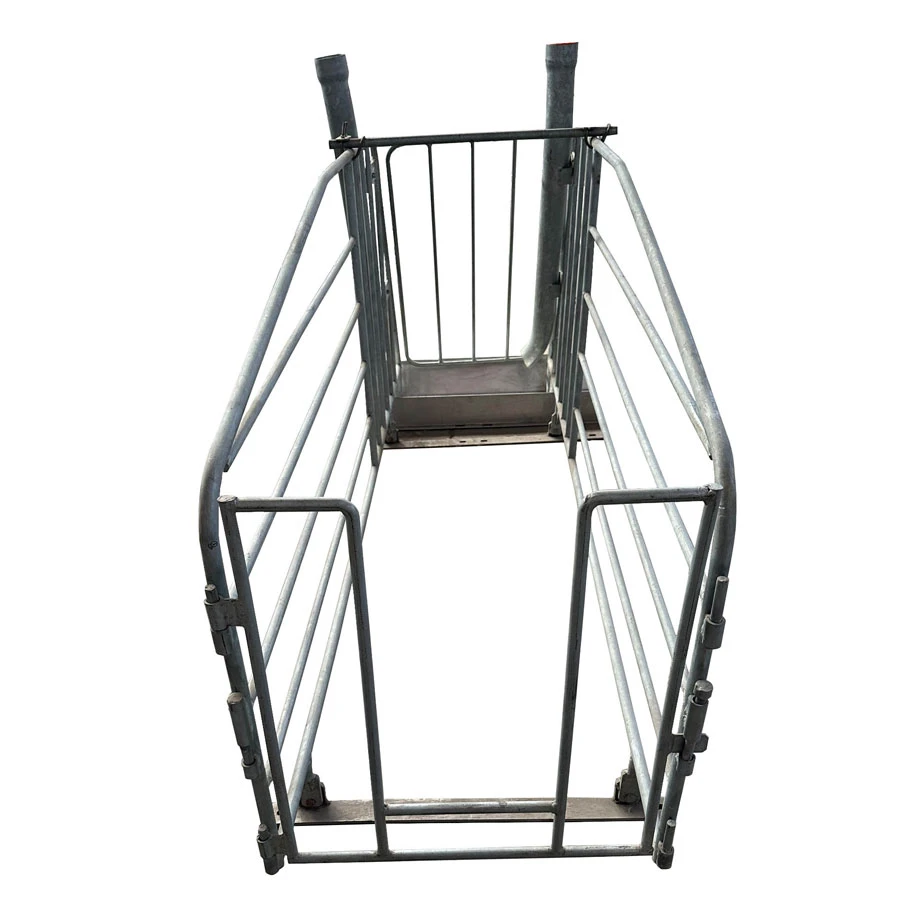
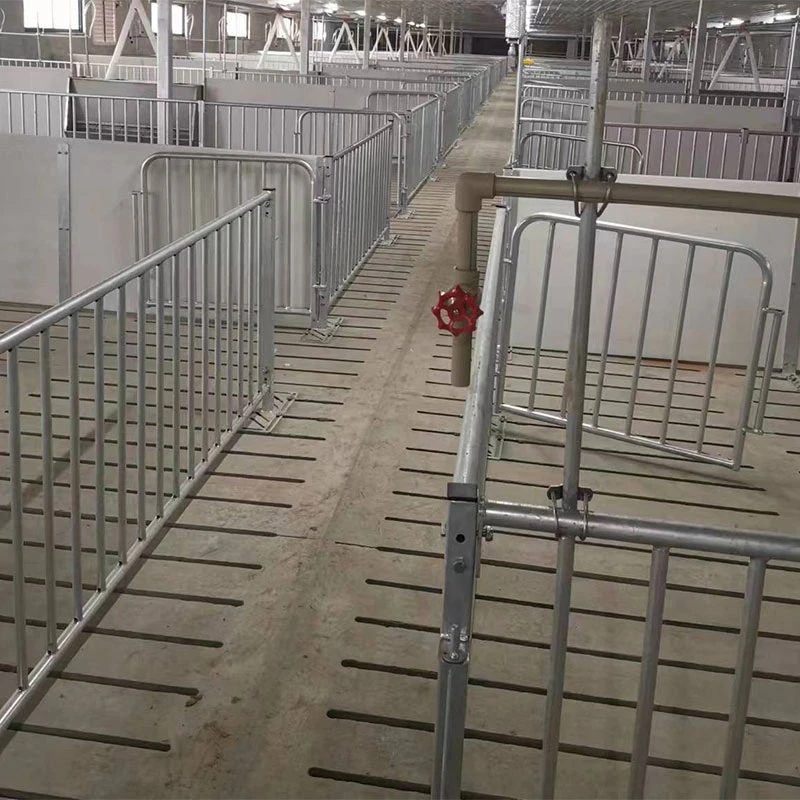
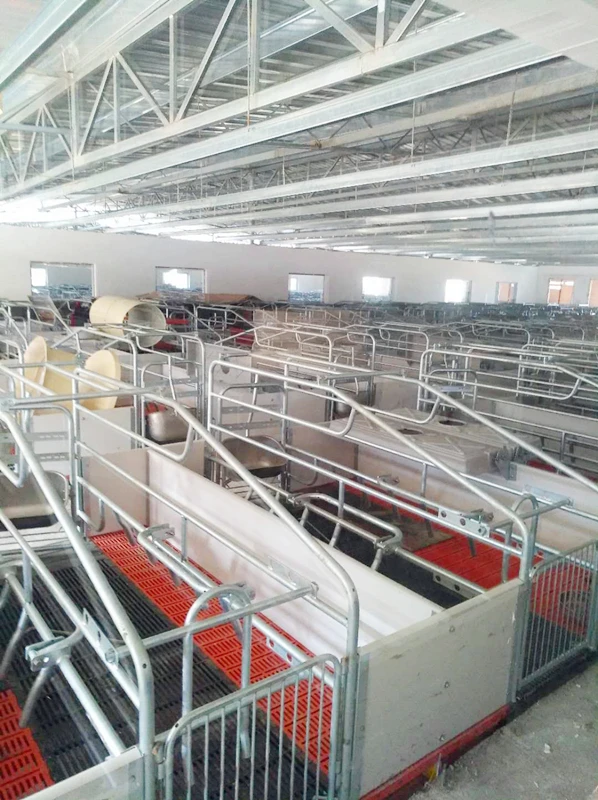
Simply put: farrowing pen dimension refers to the measured space allocated within a pen designed specifically for farrowing (the birthing process in pigs). These dimensions include length, width, and sometimes height or enclosure features, all calibrated to provide safety and comfort. The goal is twofold — prevent piglet crushing and facilitate sow movement. Modern pens often incorporate adjustable parts, but the baseline dimensions dictate if the pen is truly fit for purpose.
Funny enough, farrowing pen sizes didn’t always get this much attention. Many farms used to just “wing it,” relying on tradition rather than measurements. Today, with modern farming techniques and animal welfare becoming central concerns, the size definitely matters.
Key Considerations When Choosing Farrowing Pen Dimensions
1. Sow Comfort and Mobility
Sows need enough space to move but not so much that piglets get neglected. Roughly 2.0 to 2.4 meters in length and about 1.5 meters wide is often recommended, but this varies.
2. Piglet Safety
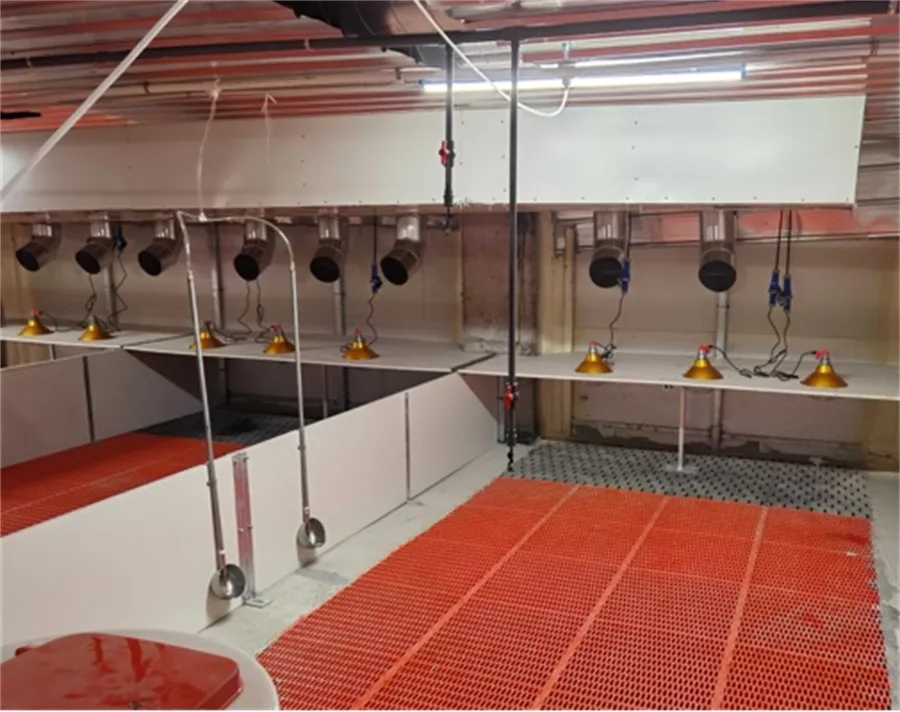
Space must reduce the risk of piglet crushing while allowing the little ones safe refuge areas. Many pens include piglet creep areas, impacting overall pen size.
3. Durability & Hygiene
Materials used for the pen must withstand cleaning cycles and frequent use without degrading. Proper pen size facilitates easier sanitation, which is vital to prevent disease.
4. Cost Efficiency
Balancing initial investment with long-term benefits is key. Overly large pens increase construction and heating costs, while undersized ones drive higher mortality.
5. Scalability and Modularity
In commercial operations, pens often need to be modular or adjustable to handle different sow sizes or improve workflow.
6. Compliance With Animal Welfare Standards
Adhering to regional laws and guidelines ensures ethical farming and market access — the EU, for example, has clear minimum dimensions.
Mini takeaway: The ideal farrowing pen dimension balances sow comfort, piglet safety, hygiene, and costs for sustainable farm success.
How Farrowing Pen Dimensions Are Applied Globally
Across continents, from US commercial farms to smallholder setups in Southeast Asia, the principle remains: appropriate pen size improves outcomes. For instance, in Denmark — a leader in pig farming — strict standards enforce 2.1m × 1.5m minimums, combined with advanced ventilation and feeding tech, enabling top sow welfare.
Meanwhile, in developing regions, NGOs like Heifer International assist farmers to redesign pens using local materials but informed by global sizing guidelines — reducing piglet deaths by 15–25%.
Oddly enough, in disaster zones where livestock is part of recovery, portable farrowing pens designed with standard dimensions help displaced farmers restart production quickly, blending humanitarian aid with sustainable agriculture.
Farrowing Pen Dimension Specification Table
| Specification | Recommended Value | Comments |
|---|---|---|
| Length | 2.1 – 2.4 m | Ensures sow can lie down comfortably |
| Width | 1.5 – 1.7 m | Allows space for piglet creep areas |
| Piglet creep space | 0.5 – 0.7 m² | Safe zone for piglets to avoid crushing |
| Flooring type | Slatted or solid with bedding | Ensures hygiene and thermal comfort |
| Side wall height | 0.8 – 1.0 m | Prevents sow escape, allows ventilation |
Comparing Popular Farrowing Pen Vendors
| Vendor | Standard Pen Size | Material | Modularity | Price Range (USD) |
|---|---|---|---|---|
| AgroFarrow | 2.2 × 1.5 m | Galvanized steel & plastic | High (adjustable panels) | $350 – $500 |
| PorcSafe Systems | 2.0 × 1.6 m | Stainless steel & wood composites | Moderate (fixed panels) | $400 – $600 |
| EcoPig Solutions | 2.3 × 1.7 m | Recycled plastics & aluminum | High (modular components) | $420 – $580 |
Looking to the Future: Innovations in Farrowing Pen Design
It feels like the intersection between tradition and technology is the most exciting place right now. Digital sensors to monitor sow behavior, automated heating elements adjusting temperatures as piglets grow — farrowing pens aren’t just about dimensions anymore. They’re becoming part of a smart livestock ecosystem that boosts welfare and reduces labor.
Also, new materials are shifting the scene toward greener options — bio-composites, recycled polymers, even solar-powered accessories. As sustainable farming becomes non-negotiable, pen dimensions might remain stable but the tech embedded within them will innovate fast.
Challenges Around Farrowing Pen Dimensions — And How to Overcome Them
One big obstacle is the “one-size-fits-all” fallacy. Farms house sows of different breeds and sizes, so rigid pen dimensions can limit flexibility. Then there’s the cost barrier in resource-poor areas where funding for upgrades is minimal.
Innovative solutions? Modular designs and adjustable partitions are gaining traction, allowing farms to adapt pen sizes seasonally or for herd changes. Also, local NGOs have started “pen retrofit” projects, teaching farmers to rebuild or modify existing pens, improving farrowing pen dimension standards without massive capital.
FAQ: Your Top Questions on Farrowing Pen Dimension Answered
Q: What is the ideal farrowing pen dimension for a standard sow?
A: Generally, dimensions between 2.1 to 2.4 meters in length and 1.5 to 1.7 meters in width offer comfortable space for sows to move and nest while ensuring piglet safety. Incorporating a piglet creep area of at least 0.5 m² is also crucial.
Q: How do poor pen dimensions affect piglet survival?
Poorly sized pens increase risks of piglet crushing, overheating, and disease transmission, directly raising mortality rates. Small pens restrict sow movement, causing stress and bad maternal behavior.
Q: Can farrowing pen dimensions be adjusted for different sow breeds?
Yes, modular pens with adjustable barriers allow customization based on sow size, breed, and number of piglets. This flexibility is essential for diverse farming systems.
Q: Are farrowing pen dimension standards legally enforced?
In many countries, yes. The EU, Canada, and others have regulations mandating minimum sizes for animal welfare compliance. Check local legislation before building or upgrading pens.
Q: How can farmers in developing countries improve pen dimensions cost-effectively?
Using local materials and retrofit techniques promoted by NGOs or agricultural extension services is a practical solution. Online resources and guides also help farmers adjust pen sizes without huge investments.
Wrapping up, the right farrowing pen dimension isn’t just about numbers — it’s the backbone of modern, ethical pig farming. By creating spaces where sows and piglets feel safe and comfortable, farmers take a giant step toward sustainability, profitability, and animal welfare.
Curious to learn more or upgrade your farm’s setup? Visit our website at https://www.cxlivestock.com to explore detailed guides and professional solutions tailored for your needs.
References:
1. Food and Agriculture Organization (FAO) — Pig Farming Data 2023
2. European Union Animal Welfare Standards (Directive 2008/120/EC)
3. United Nations Sustainable Development Goals — Goal 2: Zero Hunger
Post time: Dec . 02, 2025