Understanding Farrowing Crates: Definition and Why It Matters
Farrowing crates — the very name might evoke sterile, industrial farming setups — but their role is much more complex and vital than many realize. Globally, understanding farrowing crates definition helps shed light on how the swine industry balances piglet safety, sow welfare, and productivity. As consumer demands evolve alongside stricter animal welfare standards, the conversation around farrowing crates isn’t just about farming technique — it's about ethics, efficiency, and sustainability too.
Why does this matter so much? To put it bluntly, the farrowing stage (when a sow gives birth) is critical in pig farming. It directly affects piglet survival rates, farm economics, and animal wellbeing. Knowing what farrowing crates are and how they work is the first step toward grasping the bigger picture of global livestock management — from smallholders in Brazil to industrial farms in Europe.
Farrowing Crates in the Global Livestock Industry: Context and Challenges
The global swine industry produces over 110 million metric tons of pork annually (FAO) — making innovations in farrowing a high-impact frontier. The United Nations’ Food and Agriculture Organization points out that improving piglet survival rates can dramatically boost food security in developing countries where animal protein is scarce.
Yet, there's a challenge: sows are large animals, and piglets small and vulnerable. Without controlled spaces, piglets risk being accidentally crushed — a big cause of mortality on pig farms worldwide. The farrowing crate was invented as a solution to this problem. However, some question the ethicality of these crates because they restrict sow movement, sparking debates about animal welfare regulations in the EU and beyond.
Simply put, the industry is caught between increasing productivity and improving animal welfare standards. Few innovations bridge that gap as effectively as understanding farrowing crates and their design.
The Core Meaning: What Exactly is a Farrowing Crate?
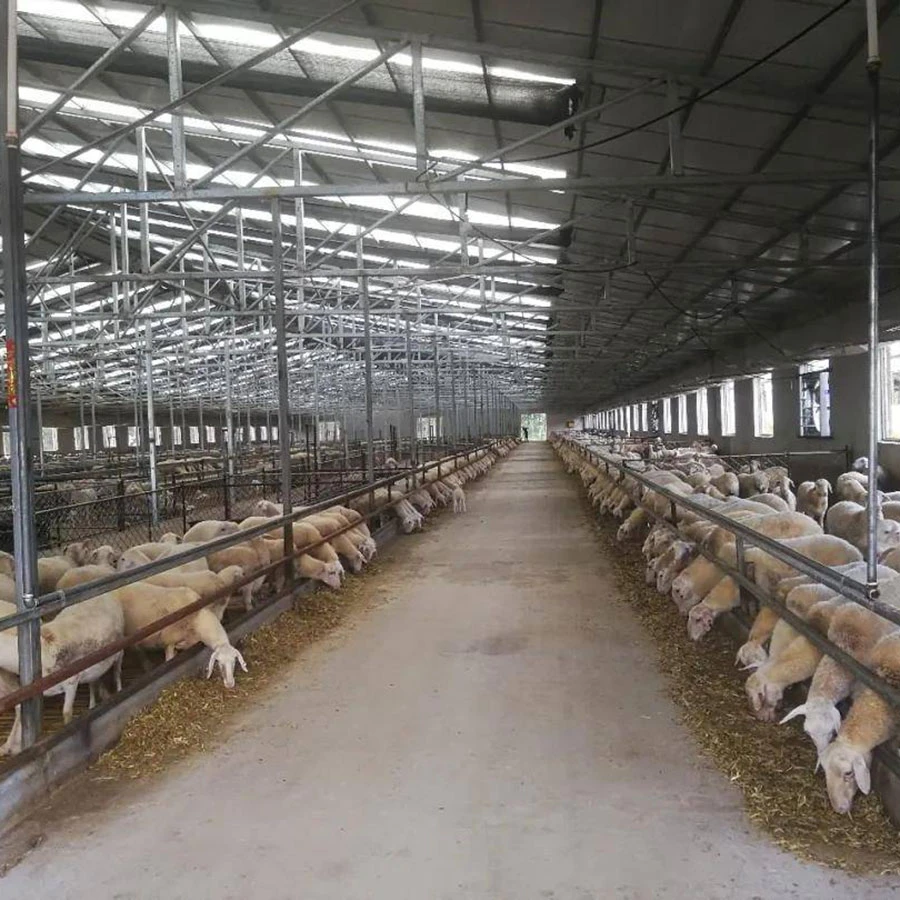
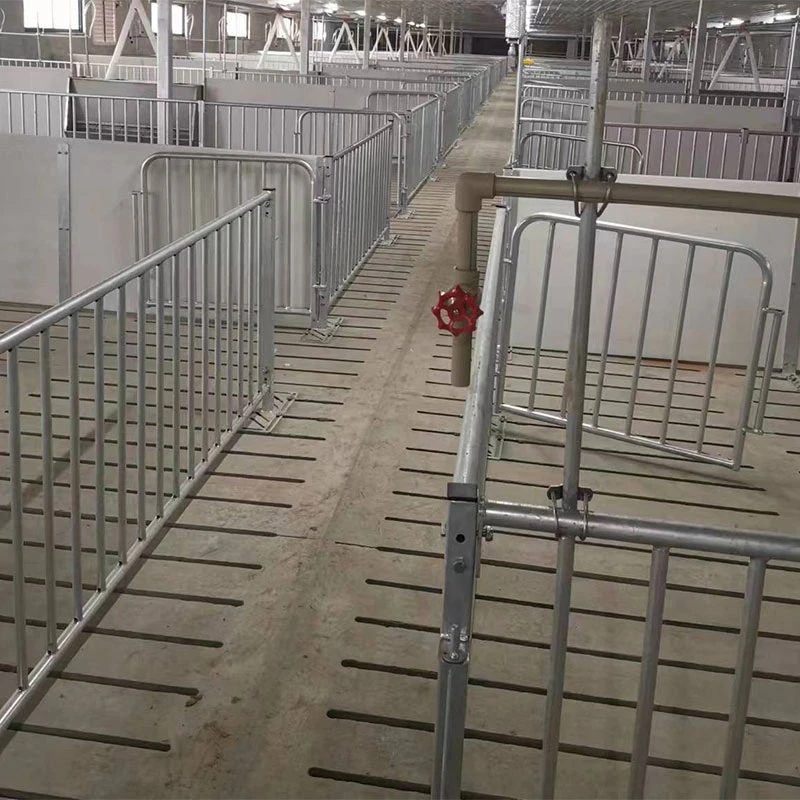
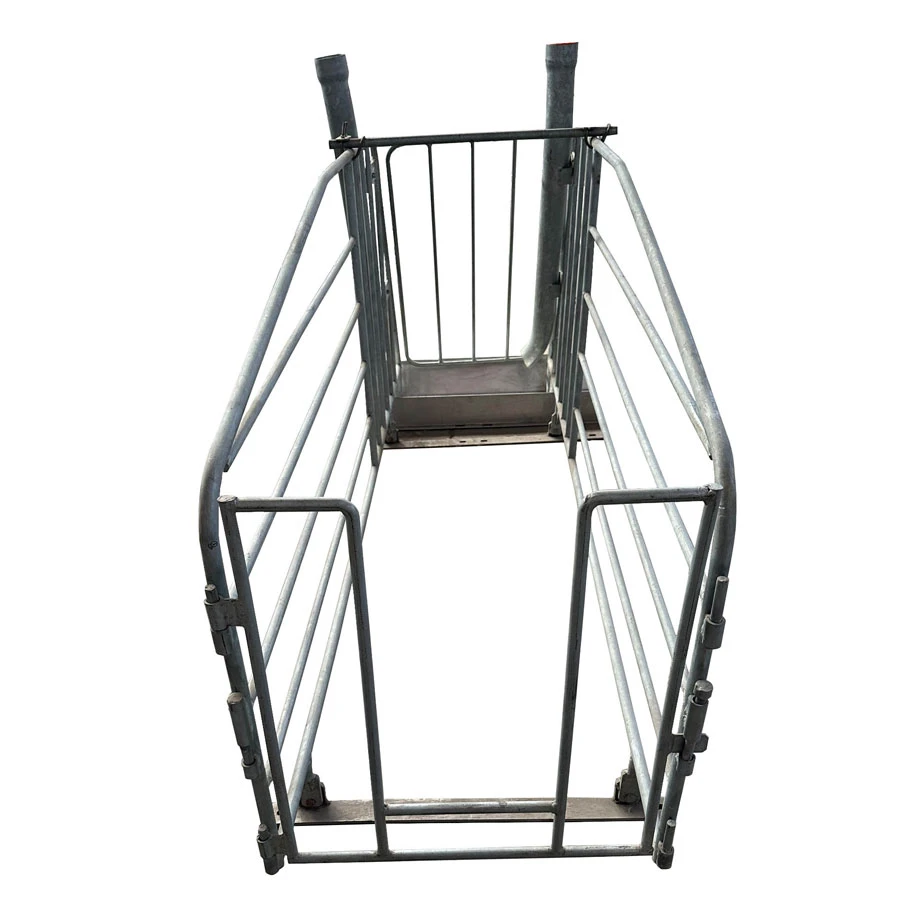
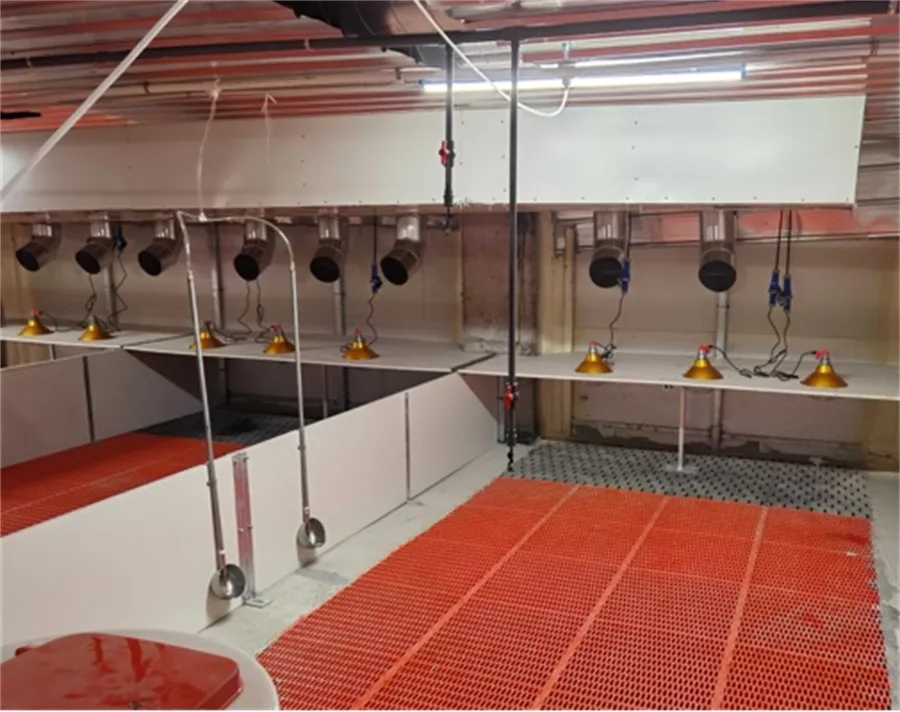
A farrowing crate is a specialized enclosure designed to house a pregnant sow during the farrowing (birthing) period and early lactation. It typically features a narrow metal frame or pen that restricts the sow’s lateral movements but gives piglets safe access to nursing.
In real terms, it is a carefully crafted compromise — allowing farmers to minimize piglet deaths caused by accidental crushing while giving sows enough freedom to stand, lie down, and nurse. While the word "crate" might sound confining, these systems evolved alongside growing awareness of sow behavior and comfort.
For those curious about the nitty-gritty, here’s a solid resource for a farrowing crates definition and design insights.
Key Components that Define Effective Farrowing Crates
1. Durability and Material Quality
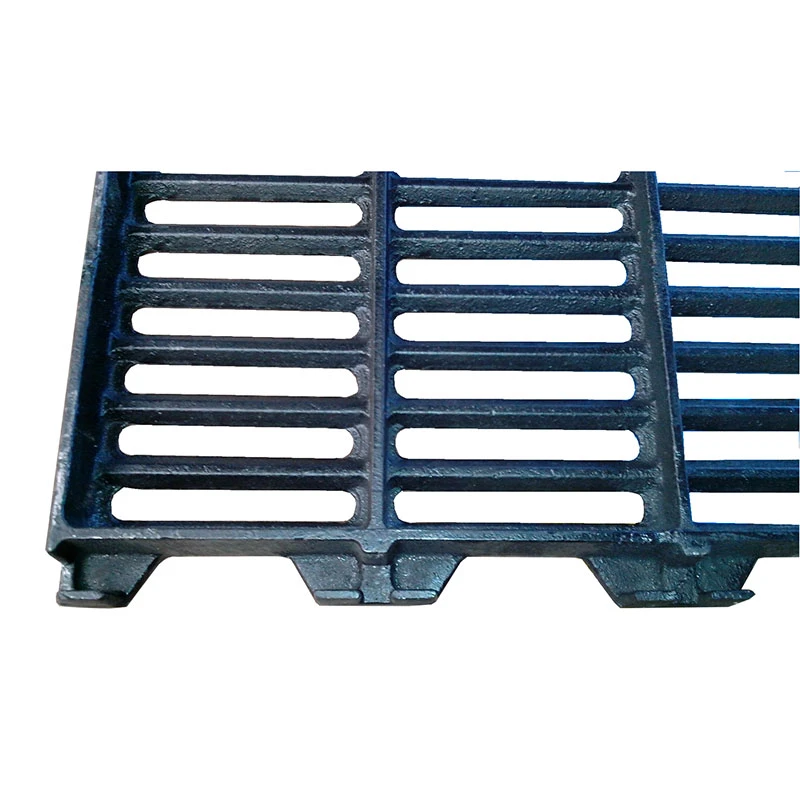
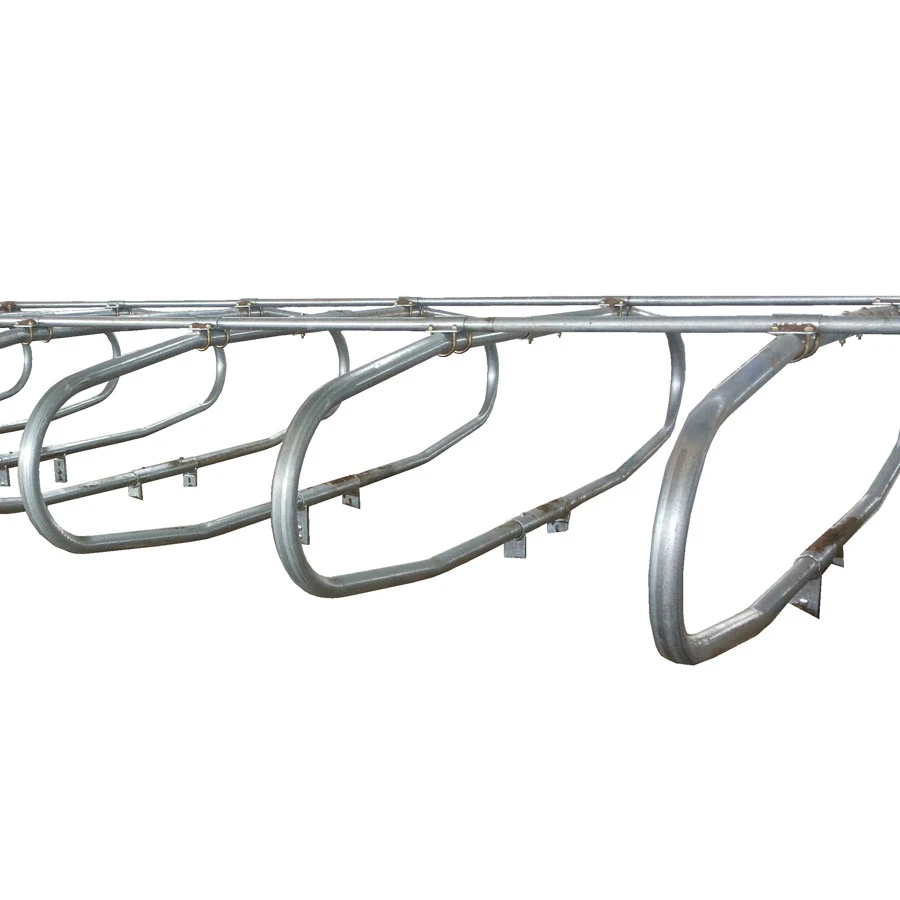
These crates are typically fabricated from galvanized steel or heavy-duty aluminum to resist rust, scratches, and farm wear-and-tear. A crate that degrades quickly doesn’t just threaten safety — it’s a cost disaster.
2. Sow Comfort & Mobility
Modern designs allow sows enough room to stand and turn but prevent unsafe movements. Some use adjustable widths or padded surfaces to mitigate stress and injuries.
3. Piglet Safety Features
Features like piglet guard rails or creep areas (warm, safe spots for newborns) are included to prevent piglet crushing and ensure nursing efficiency.
4. Hygiene and Cleanability
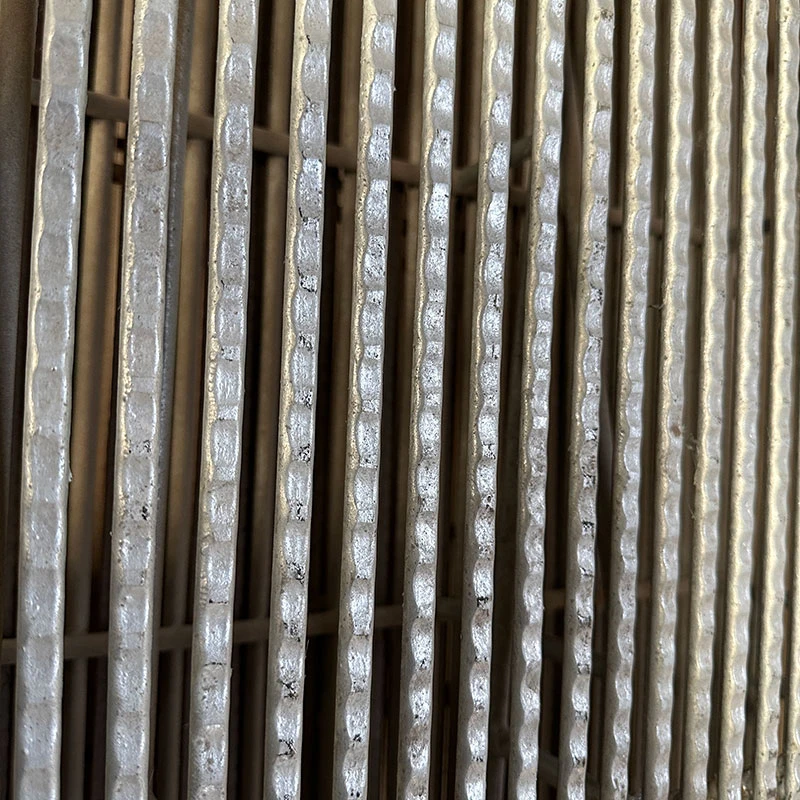
Good drainage, smooth surfaces, and modular components make cleaning faster. Preventing buildup of waste reduces disease — crucial in maintaining piglet and sow health.
5. Cost Efficiency and Scalability
Farm sizes vary from small family operations to massive industrial units, so farrowing crates must balance initial cost with lifespan and adaptability.
How Farrowing Crates are Used Around the World
From Europe to Asia and the Americas, farrowing crates are embedded in pork production practices but with important regional differences. For example:
- Europe: The EU has been progressively tightening regulations to improve sow welfare, prompting innovations like loose housing but still relying on farrowing crates in many countries.
- USA & Canada: Large-scale farms extensively use crates for piglet survival, with growing integration of monitoring tech.
- China & Southeast Asia: Smaller farms increasingly adopt farrowing crates to improve yields and meet export standards.
Oddly enough, applying these crates isn't just an industrial concern. In some remote regions, NGOs promote them to local farmers for safer pig rearing, improving nutrition and income.
Advantages and Lasting Value of Farrowing Crates
The benefits of using well-designed farrowing crates are tangible:
- Reduced Piglet Mortality: Many farmers report survival rates improving by up to 20% once crates are implemented.
- Improved Sow Health: By controlling sow movement, injuries during birthing decline.
- Optimized Labor: Easier monitoring and interventions during birth reduce manual workload.
- Sustainability: Better survival rates mean less waste and more efficient resource use.
- On the emotional side, farmers often feel more assured knowing their animals are safer — a trust that underpins long-term farm success.
Looking Ahead: Innovations and Emerging Trends
Like many sectors, farrowing crates aren't stagnant. Here’s what’s on the horizon:
- Automation & Sensors: IoT devices monitor sow behavior, alerting farmers to distress or farrowing onset.
- Sustainable Materials: Alternatives like recycled plastics or biodegradable composites reduce environmental impact.
- Flexible Designs: Modular crates adapt to different sow sizes and farming practices.
- Regulatory-Driven Changes: Increasingly strict animal welfare laws encourage 'free farrowing' pens — but these often build on crate concepts.
Farrowing Crate Specifications: A Closer Look
| Specification | Typical Value / Feature | Notes |
|---|---|---|
| Material | Galvanized steel / Aluminum | Corrosion resistant for durability |
| Dimensions | Width 60-70 cm; Length 200 cm | Sized to restrict but allow sow movement |
| Weight Capacity | Up to 300 kg maximum | Supports large sows comfortably |
| Piglet Protection Features | Piglet guard rails / Heated creep area | Helps reduce crushing and chilling |
Vendor Comparison: Leading Farrowing Crate Suppliers
| Supplier | Material Quality | Design Features | Price Range (USD) | Customization Options |
|---|---|---|---|---|
| AgriBuild Co. | Steel, heavy duty | Standard with adjustable width | $350–$500 | Limited |
| SwineSafe Systems | Galvanized aluminum | Sensor integration ready | $450–$600 | Moderate |
| FarmTrust Solutions | Recycled steel composites | Eco-friendly design, modular | $400–$550 | High |
Addressing Common Concerns and Challenges
It’s fair to say the farrowing crate is not without controversy. Critics highlight restricted sow movement and ethical questions. On the flip side, many farmers report it saves lives and improves animal management.
Experts suggest innovations like semi-farrowing pens or enriched environments lessen stress without sacrificing piglet safety. Continuous research funded by animal welfare organizations aims to develop alternatives that still meet farm productivity.
Additionally, high upfront costs or maintenance can deter smallholders, but cooperative buying and modular designs are increasingly addressing affordability.
FAQ: Frequently Asked Questions About Farrowing Crates Definition
- Q1: What exactly defines a farrowing crate compared to other pig housing?
- A1: A farrowing crate is specifically designed to house a sow during birthing and nursing, restricting her movement to protect piglets from crushing. Unlike general pens, it features narrow widths and piglet protection rails.
- Q2: Are farrowing crates legal worldwide?
- A2: Regulations vary. The EU sets strict limits on duration and design for animal welfare, while North America and Asia follow different guidelines. Always check local standards.
- Q3: How do piglets benefit from farrowing crates?
- A3: Piglets are less likely to be accidentally crushed, have designated warm areas to prevent chilling, and easier access to nursing, improving survival rates significantly.
- Q4: Can farrowing crates be used in small farms?
- A4: Yes, many scaled-down, affordable crates exist for smallholders, helping improve animal welfare and productivity in less industrial settings.
- Q5: Is there a humane alternative to traditional farrowing crates?
- A5: Emerging alternatives include free-farrowing pens or enriched pens that increase sow freedom while maintaining protection, but they require more labor and space.
Wrapping It Up: The Long-Term Impact of Knowing Your Farrowing Crates
Understanding the farrowing crates definition isn’t just tech talk for farmers or industry insiders. It’s a window into how modern agriculture innovates amidst ethical questions, global production demands, and environmental challenges. These crates strike a delicate balance — protecting tiny lives while maintaining sow health, all wrapped in practical, scalable design.
For farmers, policymakers, or even curious consumers, this knowledge can shape better decisions for sustainable and humane pig farming going forward.
Would you like to dive deeper into practical designs or sourcing options? Do check our detailed resources at https://www.cxlivestock.com — it’s a great next step toward smart farming.
Quick Takeaways:
- Farrowing crates reduce piglet mortality by restricting sow movement.
- They embody a balance between animal welfare and economic efficiency.
- Design and material quality are critical to their success.
- Global usage reflects varying welfare standards and farming scales.
- Innovations aim to increase sow comfort without endangering piglets.
References:
Post time: Dec . 02, 2025