Understanding Cow Farm Equipment: Why It Matters in Today’s Agricultural World
If you've ever driven through rural landscapes, chances are you've spotted an array of machinery and gear dedicated to cattle farming. Cow farm equipment isn't just some fancy tech; it’s the backbone of efficient, humane, and sustainable dairy and beef production worldwide. Fundamentally, this equipment is about more than moving cattle around or milking cows—it ensures safety, productivity, animal welfare, and, by extension, food security. Across continents—whether in the rolling hills of New Zealand or the expansive grasslands of Argentina—this equipment plays a crucial role in feeding billions and bolstering rural economies.
Knowing how good equipment fits into the bigger picture helps farmers and stakeholders alike improve yields, address global food demand challenges, and even meet emerging sustainability standards. It’s odd how something so mechanical ends up contributing deeply to global humanitarian efforts.
The Global Context: Why Cow Farm Equipment Is More Relevant Than Ever
A staggering 1.5 billion people worldwide depend directly on livestock production for their livelihoods according to the Food and Agriculture Organization. With worldwide dairy production topping 900 million metric tons annually and beef consumption climbing, efficient cow farm equipment has become indispensable. The UN’s sustainable development goals emphasize improved agricultural productivity, making robust equipment vital in emerging economies where manual labor was formerly the norm.
However, challenges abound: climate unpredictability, labor shortages, rising feed costs, and animal welfare concerns all put pressure on outdated tools and techniques. Modern cow farm equipment addresses many of these issues by increasing operational efficiency, reducing stress on animals, and providing farmers with data-driven insights.
Mini takeaway: The shift toward advanced equipment isn't just a trend—it’s agriculture’s response to global demands, and it’s helping solve practical problems that harken back millennia.
What Exactly Is Cow Farm Equipment?
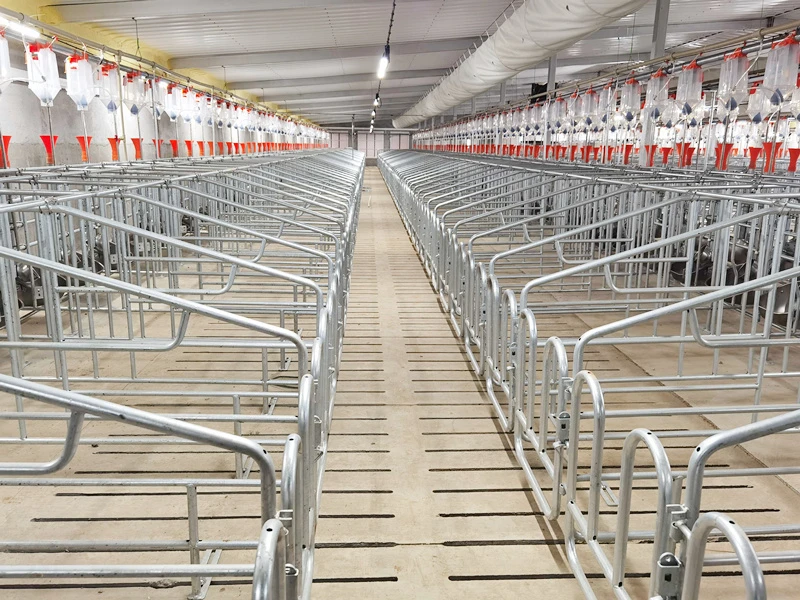
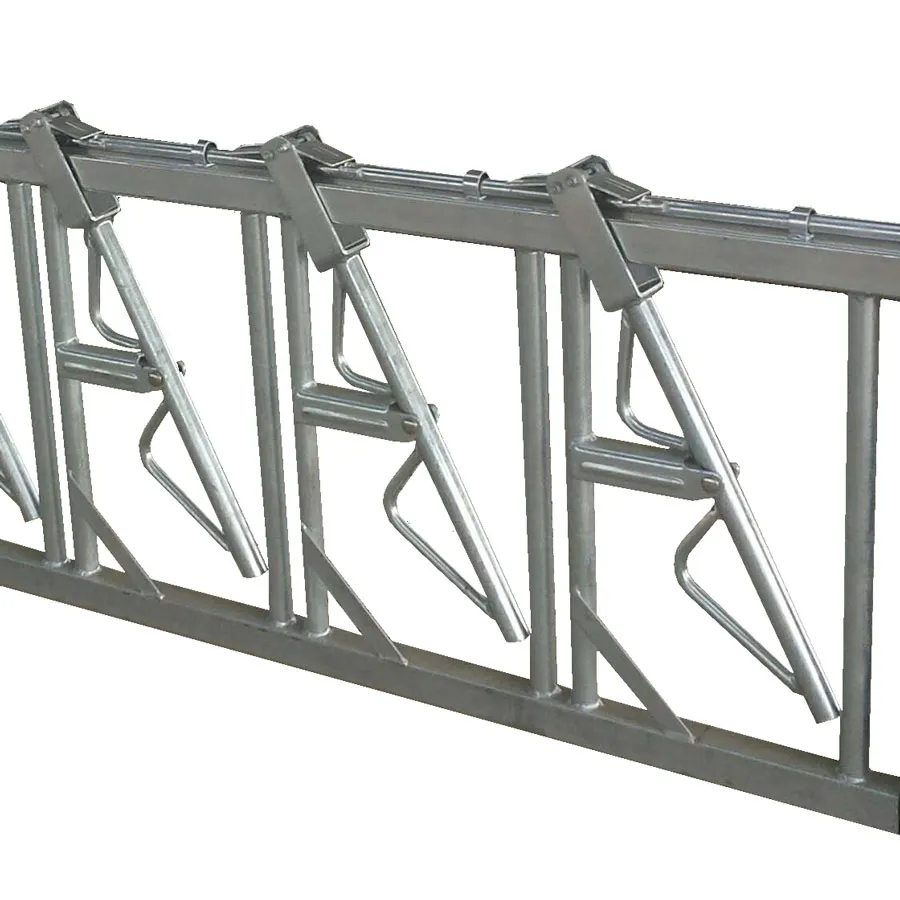
At its simplest, cow farm equipment refers to the tools, machinery, and infrastructure specifically designed to manage cattle operations efficiently and humanely. This ranges from milking machines and feeding systems to health monitoring devices and fencing solutions.
The definition is broad but focused on supporting both animal productivity and welfare. It's the bridge between tradition and technology—helping farmers balance age-old husbandry practices with the precision and scale needed in today’s markets. Oddly enough, much of this modern gear still demands careful handling and upkeep, proving that technology doesn't diminish the farmer’s role; it reshapes it.
Core Components That Define Quality Cow Farm Equipment
Durability
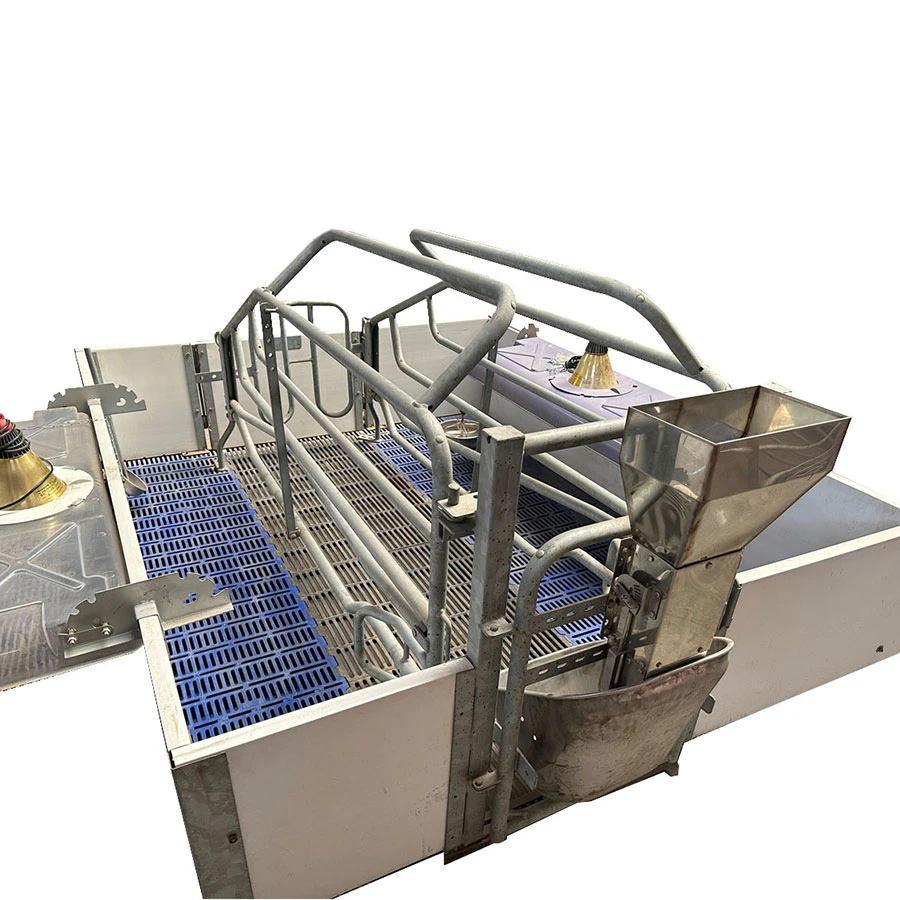
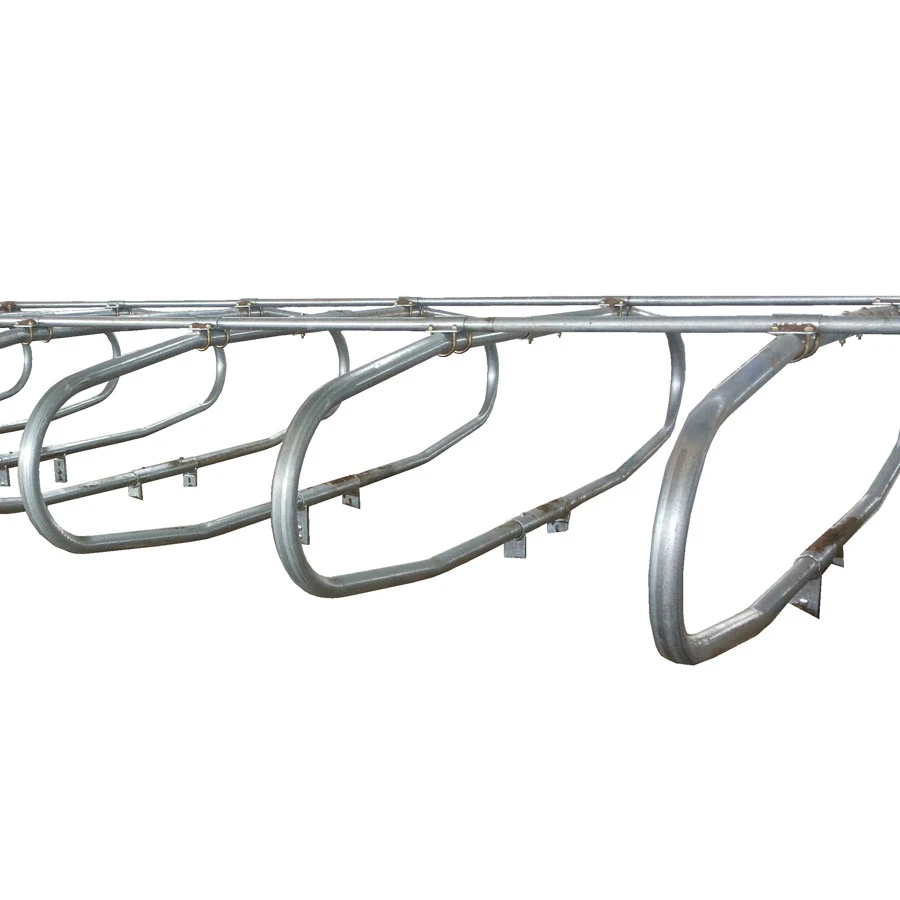
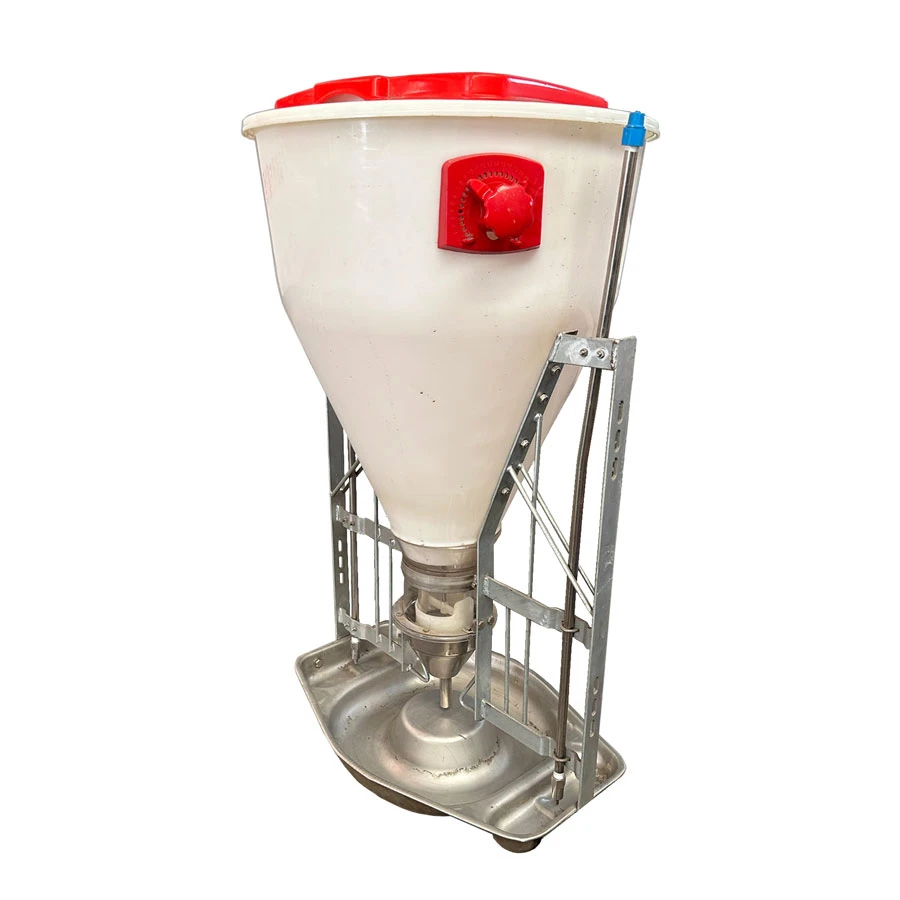
Cow farm equipment needs to withstand harsh outdoor environments — from muddy pens to scorching sun. Stainless steel and galvanized metals dominate milking stations, while plastics and composites are increasingly used for feeders and waterers to resist corrosion. Without durability? Equipment quickly becomes a money pit.
Scalability
Not every farm is created equal. Smallholder farms might prioritize compact, easy-to-use gear, while larger operations demand modular or automated systems. Good equipment scales with your operation, allowing expansion without a full overhaul.
Cost Efficiency
Price tags can be intimidating, but farmers often say that investing in reliable machinery pays off through reduced labor and higher yields. For example, automated milking systems ramp up throughput and lower human error, potentially balancing out initial expenses in a few years.
Animal Welfare Enhancements
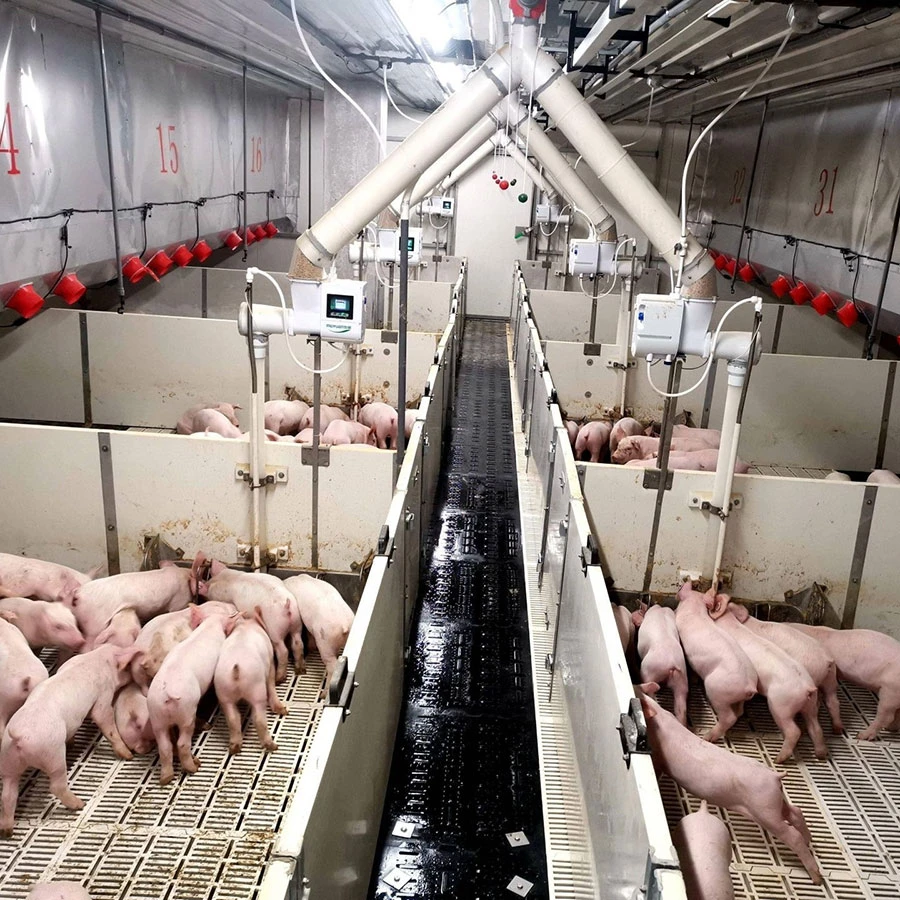
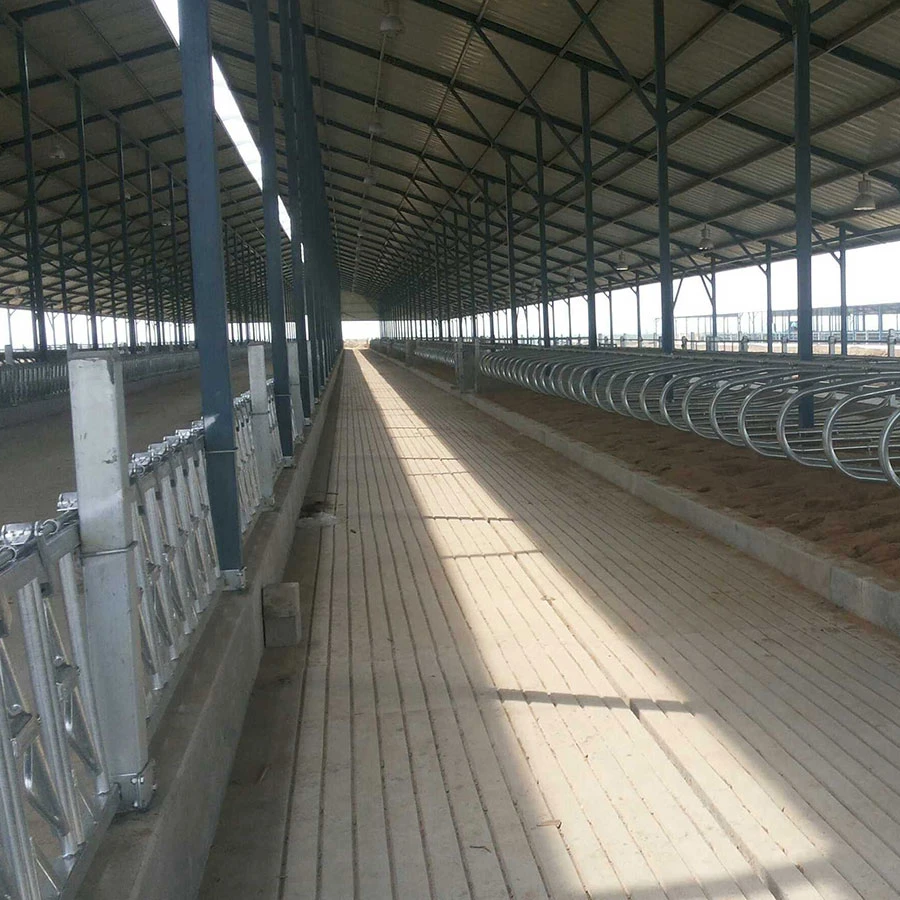
Comfort matters. Modern cow farm equipment like soft flooring, well-designed feeders, and climate-controlled barns minimize stress on animals, improving both health and milk quality.
Technological Integration
From sensors that track cow health to apps that optimize feeding schedules, technology transforms raw livestock data into actionable insights. It feels futuristic but it’s practical—especially in large-scale or commercial farming contexts.
Ease of Maintenance
Simple controls and modular parts make upkeep less daunting. A farmer once told me that if you spend half a day fixing broken gear, you lose half a day’s income.
Mini takeaway: Each component speaks to on-the-ground realities: longevity, growth, cost, care, smarts, and upkeep. Together, they shape what we think of as “good” cow farm equipment.
How Cow Farm Equipment Is Used Worldwide
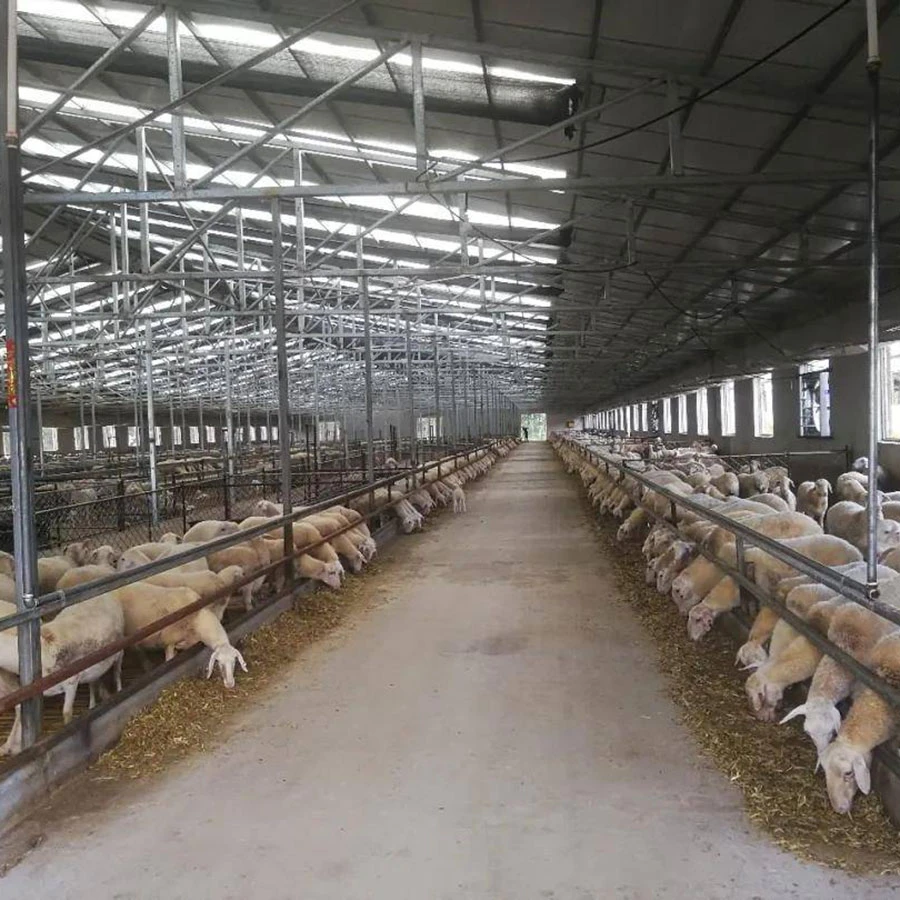
The applications of cow farm equipment vary widely—from high-tech dairy farms in the Netherlands equipped with robotic milking stations, to grassroots cattle ranches in Sub-Saharan Africa using manual water troughs and vaccination carts. Even humanitarian agencies rely on portable fencing and feeding units to rebuild livelihoods following natural disasters.
- Asia: Integrating milking machines with smartphone alerts helps dairy farmers in India improve milk yields.
- South America: Pasture management tools help Argentina’s beef industry maintain sustainable grazing.
- Africa: Solar-powered pumps provide clean water to remote communities’ cattle.
- Europe: Automation reduces labor costs and enhances welfare in large-scale dairy farms.
In essence, while the equipment varies, the goal remains universal: enhance productivity while ensuring animal health.
The Long-Term Advantages of Investing in Cow Farm Equipment
Frankly, many farmers report that upgrading equipment isn’t merely about profits—though that’s often the headline. There’s a dignity in caring well for animals and workers, a deeper commitment to sustainable practices, and sometimes less burnout in physically demanding roles.
Logical benefits include cost savings through efficient resource use, better product quality, and compliance with increasingly strict regulations. Emotionally, farmers express trust in technology that promises consistent herd monitoring for early illness detection, meaning happier, healthier cows and less guesswork. It’s a rare combination of hard economics and soft human values.
Emerging Trends and Innovations on the Horizon
The future of cow farm equipment is heading toward more automation, renewable energy usage, and digital ecosystems. Think solar-powered robotic feeders, AI-driven herd management platforms, and biodegradable materials replacing plastics. Sustainable agriculture frameworks are pushing for equipment that reduces water and energy consumption.
Some startups even integrate blockchain to ensure traceability of animal welfare certifications—allowing consumers to buy milk or meat with real transparency. It’s interesting how old-school farming meshes with cutting-edge tech to tell a new story.
Challenges Farmers Face and How They Are Tackled
Transitioning to modern cow farm equipment isn't without hurdles. High upfront costs, lack of training, and maintenance complexities can stall adoption—especially in developing regions. Then, there’s the issue of compatibility; new tools must integrate with existing infrastructure, which isn’t always straightforward.
Solutions include government subsidies, cooperative ownership models to share expensive gear, and manufacturer-led training programs. Plus, modular designs are easing integration challenges. Many engineers believe that fostering local service networks is just as vital as building better machines.
Table: Typical Cow Farm Equipment Specifications
| Equipment | Material | Capacity | Power Source | Typical Lifespan |
|---|---|---|---|---|
| Automated Milking System | Stainless Steel, PVC | 50 cows/day | Electric + Backup Battery | 7–10 years |
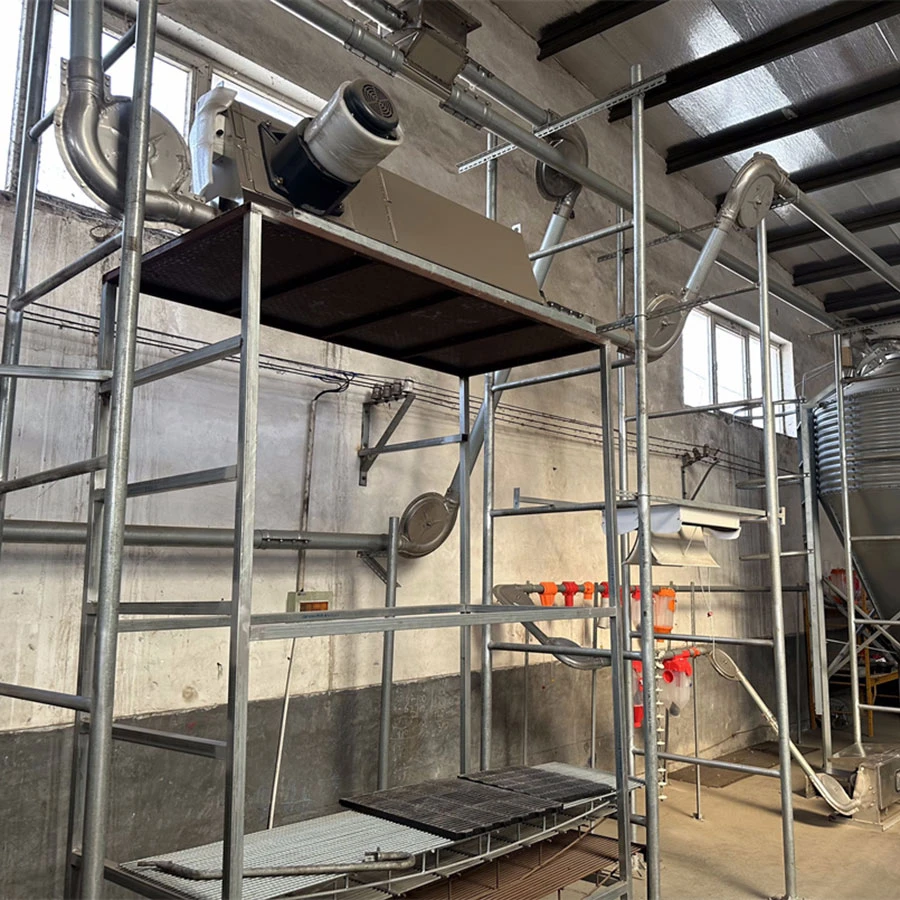
| Feeding Conveyor | Aluminum Frame, Rubber Belt | Up to 1000 kg/hr | Electric | 8 years |
| Water Trough with Sensor | Polyethylene | 200 liters | Solar-powered | 5 years |
Vendor Comparison: Choosing the Right Supplier for Cow Farm Equipment
| Vendor | Product Range | Tech Integration | After-Sales Support | Pricing Level |
|---|---|---|---|---|
| AgriTech Solutions | Full-scale automated milking, feeders | Advanced IoT integration | 24/7 remote support, workshops | High |
| FarmGear Co. | Mid-range milking and feeding units | Basic digital sensors | Local service centers | Medium |
| GreenPastures Equip. | Sustainable and manual tools | Limited | Community training programs | Low |
FAQs: Clearing Up Common Questions About Cow Farm Equipment
What types of cow farm equipment are essential for small farms?
For smaller operations, basic equipment like manual or semi-automated milking machines, portable feeders, and sturdy fencing can be enough. These tools keep costs manageable yet improve productivity and animal care.
How do automated milking systems benefit large-scale dairies?
They increase milking frequency, reduce labor costs, and provide real-time health data on cows—all leading to better milk yields and animal welfare.
Is cow farm equipment environmentally sustainable?
Many modern tools use renewable energy sources, recyclable materials, and smart management to reduce water, feed, and energy waste, supporting sustainable farming practices.
Can I customize equipment based on my farm’s needs?
Yes, most suppliers offer modular or customizable solutions tailored to herd size, terrain, and farming goals. This flexibility is increasingly common to meet varied customer demands.
How can farmers in developing regions access advanced equipment affordably?
Options include government subsidies, NGO programs, co-ops pooling purchasing power, or buying refurbished equipment — all making technology more attainable.
Wrapping Up: Why Investing in Cow Farm Equipment Pays Off
All in all, better cow farm equipment is a win-win: for the farmer, the animal, and ultimately the consumer. Improved efficiency, animal welfare, and sustainability mean these tools do more than just help farms—they shape the future of food production worldwide. And if you’re curious to explore more, or ready to upgrade your farm’s gear, don’t hesitate to visit our website at cow farm equipment for the latest solutions and insights.
References
Post time: Nov . 21, 2025