Farrowing Design: More Than Just a Pigpen
If you’ve ever wondered how the agricultural world protects its future livestock and boosts farm productivity, chances are you’ve brushed against the term farrowing design. At first glance, it might seem like just a technical niche—after all, it deals with the design of farrowing pens or housing for sows giving birth. But, frankly, the significance runs deeper. Good farrowing design can mean healthier piglets, less stress on the mother sow, improved biosecurity, and even bigger returns for farmers worldwide.
Globally, pork production is a staple in feeding billions, with the Food and Agriculture Organization reporting nearly 120 million tons produced annually. Yet this booming industry faces critical challenges: animal welfare concerns, intensive farming pressures, and the sustainability of production. That’s where the subtle but essential art and science of farrowing design come in.
Understanding it isn’t just about pigs—it’s about global food security, ethical farming, and technology blending with tradition. As you dive deeper, expect to uncover elements that intertwine engineering, biology, and economics—all under the umbrella of creating better spaces where new life begins.
Why Farrowing Design Matters Worldwide
Picture a sow in labor—the welfare of both sow and piglets hinges on more than just luck. Poorly designed farrowing spaces can increase piglet mortality through crushing or chilling, or cause stress to the animals, leading to diminished productivity. The World Organisation for Animal Health (OIE) increasingly emphasizes welfare, pushing governments and industries to rethink housing standards.
With global demand for pork rising—especially in Asia and parts of Europe—there’s real urgency to optimize how farrowing units function. At the same time, farmers are under pressure to cut costs, scale up quickly, and reduce environmental footprints. Farrowing design answers this by balancing:
- Efficient space use for large-scale farms,
- Safety and comfort for sows and piglets,
- Ease of cleaning and disease control,
- Material durability and cost-effectiveness.
Mini takeaway: Farrowing design isn’t just about shelter—it’s a pivotal piece of the pork production puzzle addressing welfare, economics, and sustainability globally.
Defining Farrowing Design: What’s Behind the Term?
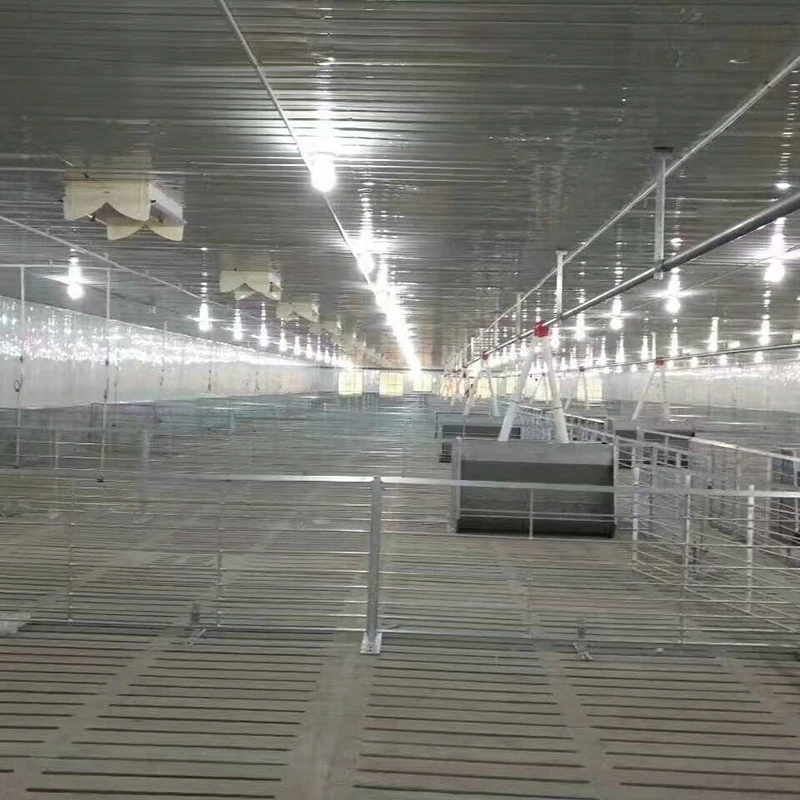
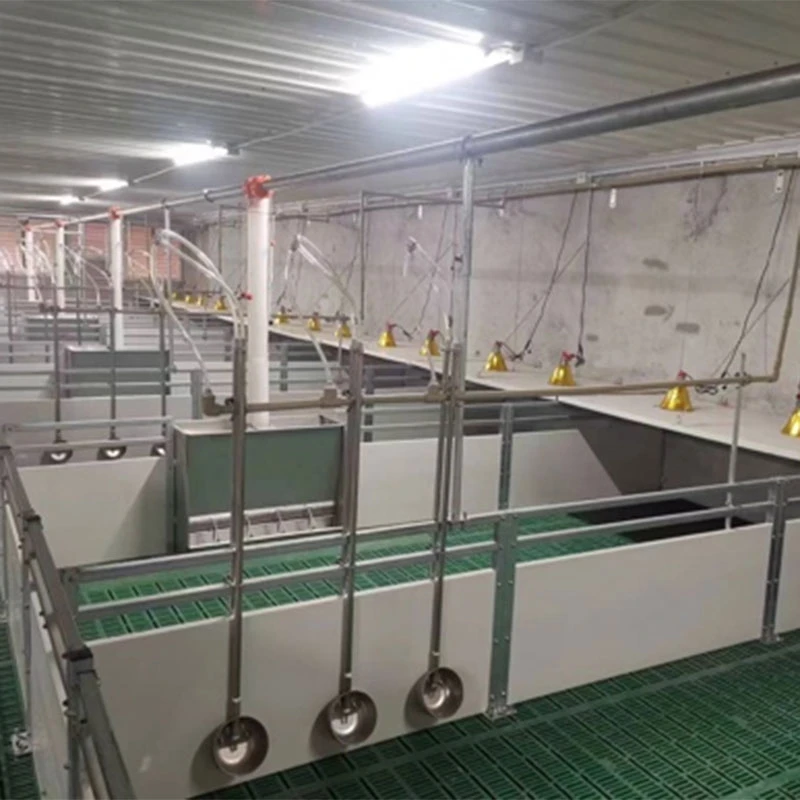
Simply put, farrowing design refers to the architectural and functional planning of farrowing crates or pens—specialized housing where sows give birth and nurse piglets. It’s where a mother pig feels safe, piglets stay warm and protected, and farmers can efficiently manage new litters.
More than just space, farrowing design integrates materials, layouts, ventilation, flooring, and ergonomics, all tailored to boost survival rates and improve labor outcomes. It plays a direct role in modern pig farming’s shift toward more humane and precise agricultural practices—echoing larger humanitarian and ecological themes where animal welfare and sustainable production co-exist.
Key Elements of Good Farrowing Design
1. Sow Comfort and Safety
The core purpose is to minimize sow stress while preventing piglet injury. Features like adjustable rails and anti-crush bars help protect piglets from being accidentally smothered, a leading cause of death in litters. Many engineers say the choice of materials—like smooth, non-toxic plastics or coated metal—impacts comfort and safety.
2. Thermal Regulation
Piglets are vulnerable to cold, while sows prefer cooler temps. Modern design solutions include localized heating pads or creep areas with radiant heat to create microclimates—keeping small piglets snug without overheating mom.
3. Hygiene and Cleanability
Designing for easy drainage and smooth surfaces prevents waste buildup and promotes biosecurity, reducing harmful bacterial growth. Quick cleaning options are crucial in high-density production.
4. Space Utilization & Scalability
Farmers need designs they can scale as operations grow. Modular farrowing crates that snap together or fold away save space and ease transport. Scalability also ties into cost-efficiency, a long-term farm consideration.
5. Material Durability & Cost Efficiency
Harsh cleaning agents, moisture, and animal wear demand materials that last. Often, high-quality plastics, galvanized steel, and treated wood strike the right balance between price and lifespan.
6. Ease of Handling & Monitoring
Automation is seeping in—farrowing designs now sometimes incorporate sensors or IoT devices to track sow health or piglet activity. This supports farmers in preempting problems before they escalate.
Mini takeaway: Farrowing design is a finely tuned blend of comfort, technology, and practical farming needs.
Real-World Farrowing Design Applications Across the Globe
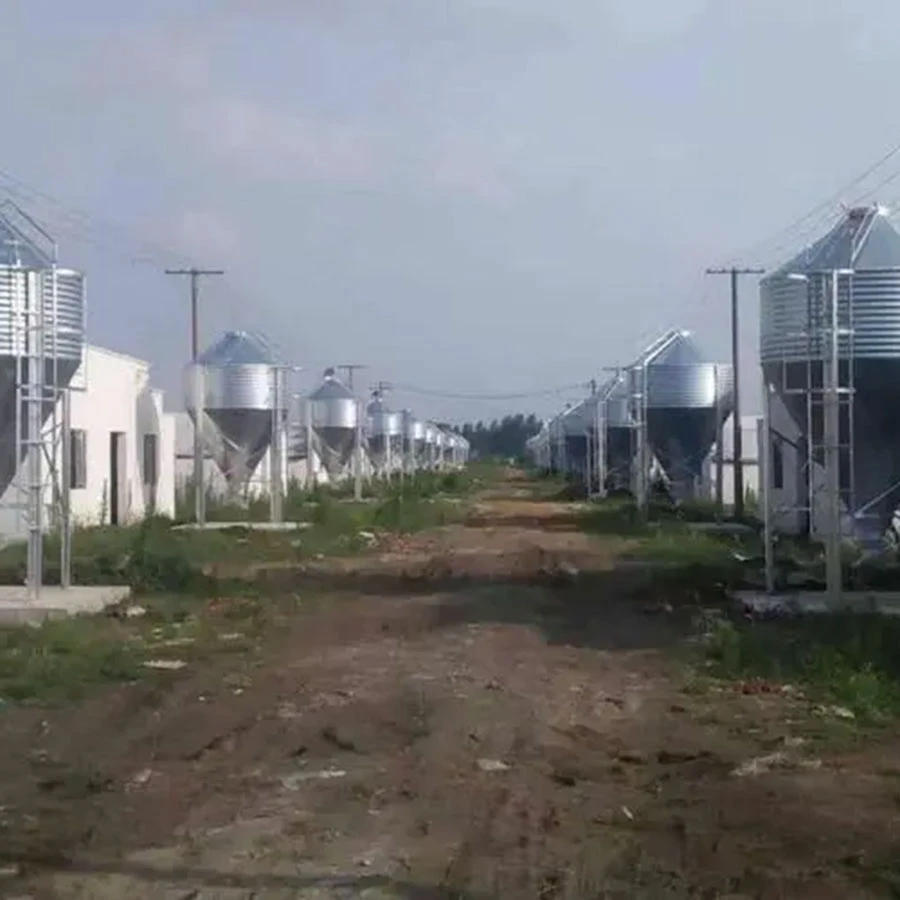
From intensive pork farms sprawling across the American Midwest to family-own operations in the Netherlands, farrowing designs vary but share core goals. For example:
- Europe: Adoption of welfare-focused farrowing crates with improved space, responding to EU animal husbandry legislation.
- Asia: Rapidly growing pork industries favor modular designs to quickly establish large-scale farrowing units, often integrating climate-specific adaptations.
- Developing Regions: NGOs and governments use robust, low-cost farrowing pens to support smallholder farmers and reduce piglet mortality—boosting local economies and food security.
- Post-disaster relief: Farrowing units can be temporarily deployed to stabilize food supplies and protect livestock reproduction.
It’s fascinating how farrowing design can be both simple and sophisticated depending on the setting, adapting to technological availability and cultural practices. For more on how layout influences outcomes, see our farrowing design insights page.
Advantages and Lasting Benefits of Quality Farrowing Design
Practically, the benefits are tangible: reduced piglet mortality, improved sow welfare, efficient labor, and better biosecurity. But it’s also about trust and innovation—farmers feel empowered by investing in designs that respect the animals yet keep production lean.
- Sustainability: Longevity of materials and resource-saving builds support eco-conscious goals.
- Social Impact: Humane conditions reflect positively on farm branding, meeting consumer demand for ethical products.
- Economic Upside: Healthier litters lead to more profits and less veterinary cost stress over time.
Mini takeaway: Farrowing design sits at the intersection of welfare, sustainability, and profitability—each reinforcing the other for long-term farm success.
What’s Next? Trends and Innovations in Farrowing Design
Looking ahead, don’t be surprised to see farrowing pens get smarter. Innovations include:
- Green energy-powered warming systems reducing carbon footprints.
- IoT monitoring to detect sow stress or piglet urgency instantly.
- Use of recyclable, biodegradable materials reducing waste.
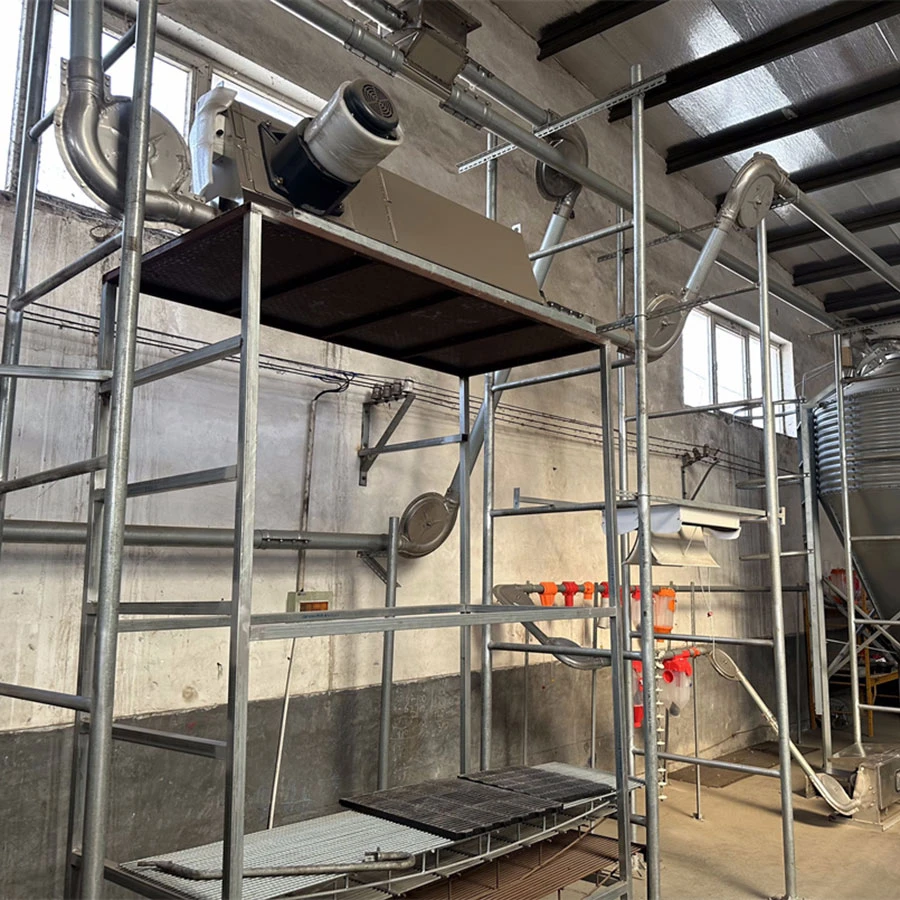
- Automation assisting in cleaning and feeding during peak farrowing seasons.
These trends not only meet regulatory pressures but also align farrowing design with broader digital transformation and sustainability movements in livestock farming.
Common Challenges—and How Experts Tackle Them
Not everything is smooth sailing. Challenges linger around balancing cost with welfare improvements, durability versus renewability, and managing disease risk in crowded barns. Yet, innovative approaches like:
- Modular designs allowing slow, cost-friendly upgrades,
- Hybrid materials combining durability with sustainability,
- Integrated monitoring systems dramatically improving early warning and intervention,
...are addressing these issues head-on, making modern farrowing design more adaptive and resilient than ever before.
Farrowing Design FAQ
Q: What makes modern farrowing pens better than traditional setups?
A: They prioritize piglet safety with anti-crush barriers, improve sow comfort via ergonomic layouts, and often include microclimate controls. This combination drives better survival rates and more efficient farm management.
Q: How long can farrowing pens typically last on a commercial farm?
A: With proper maintenance and quality materials, they can last 10–15 years. However, wear from cleaning, moisture, and animal activity necessitates periodic inspections and upgrades.
Q: Are modular farrowing designs adaptable to small farms?
A: Absolutely. Modular units are scalable and often cost-effective for small-to-medium farms, allowing gradual investment and better space management.
Q: How can farms reduce disease risks related to farrowing areas?
A: Designing for easy sanitation, proper drainage, and controlled airflow reduces pathogens. Some farms also implement scheduled cleaning protocols and quarantine zones.
Q: Can farrowing designs be customized for specific climates?
A: Yes, many manufacturers provide climate-adaptive options such as insulated panels, ventilation systems, or heating provisions tailored to the farm’s location.
Product Specification Table: Typical Modern Farrowing Crate
| Feature | Specification | Benefit |
|---|---|---|
| Dimensions | 2.4m (L) x 0.6m (W) x 1.1m (H) | Optimized for sow movement and piglet space |
| Material | Galvanized steel frame with polypropylene rails | Durability and ease of cleaning |
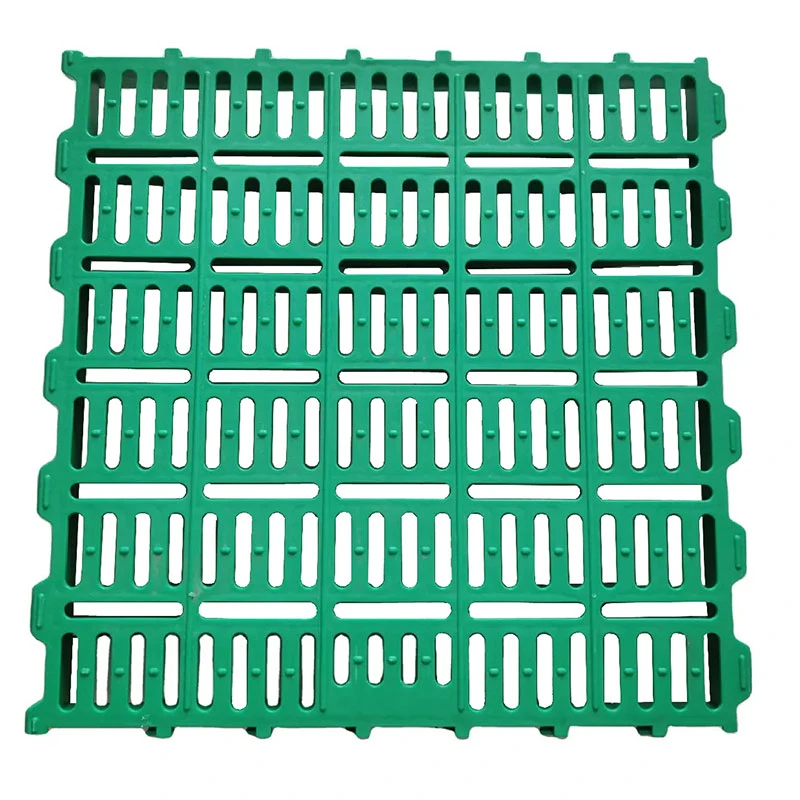
| Floor Type | Slatted plastic flooring | Waste drainage and piglet comfort |
| Heating Zones | Infrared creep heating pad area included | Warmth for piglets to prevent chilling |
| Modularity | Connectable units with quick assembly | Scalable to various farm sizes |
Vendor Comparison: Popular Farrowing Design Suppliers
| Vendor | Product Focus | Price Range | Unique Selling Point |
|---|---|---|---|
| AgriCrate Solutions | Modular farrowing systems | $500-$750 per unit | Easy assembly; climate-adaptive modules |
| PigNest Technologies | Smart pens with integrated sensors | $900-$1200 per unit | Real-time health monitoring |
| Farmstead Equip | Cost-effective traditional crates | $350-$500 per unit | Simple, durable, widely used |
Wrapping It Up — Why Farrowing Design Is Worth Your Attention
To sum it all up: effective farrowing design may seem like a small cog in the vast agricultural machine, but it’s a cog that turns critical wheels—the health of animals, the efficiency of farms, and the sustainability of food production worldwide. Whether you’re a farmer, an agritech engineer, or simply curious, understanding these designs pays off in real terms, blending compassion with innovation.
Feeling intrigued? Dive deeper into the nuances and applications at farrowing design and consider how this specialized knowledge might elevate your approach or investment. Because when you get right down to it, good design in this humble setting means bigger, better things for food systems everywhere.
References:
1. Food and Agriculture Organization (FAO), “World Livestock: Transforming the livestock sector through the Sustainable Development Goals,” 2022.
2. World Organisation for Animal Health (OIE), “Animal welfare and livestock housing,” 2023.
3. ISO Standards on Livestock Farming — ISO/TC 34, Agriculture, 2021.
Post time: Dec . 02, 2025