Understanding Gestation Stalls: Why This Simple Housing Matters Globally
If you’ve ever wondered how livestock, particularly pregnant sows, are cared for efficiently and safely around the world, the concept of the
gestation stall is pivotal. At first glance, it’s just a cage or housing unit — but it’s much more than that. Gestation stalls offer a controlled environment that protects the health of animals during pregnancy, ensures easy management by farmers, and ultimately contributes to global food security. As livestock farming intensifies worldwide, grasping how gestation stalls work and why they matter becomes critical.
Globally, pork production is vital to millions of farmers and billions of consumers. According to the Food and Agriculture Organization (FAO), pork accounts for roughly 36% of the world's meat consumption, making the reproductive health of sows a linchpin in the chain. Proper housing can improve both animal welfare and productivity, which matters for sustainability and economic outcomes.
Mini takeaway: Gestation stalls are a seemingly small piece in a vast, interconnected system that supports billions — from farmer livelihoods to global protein supply.
Global Relevance: How Gestation Stalls Address Industry Challenges
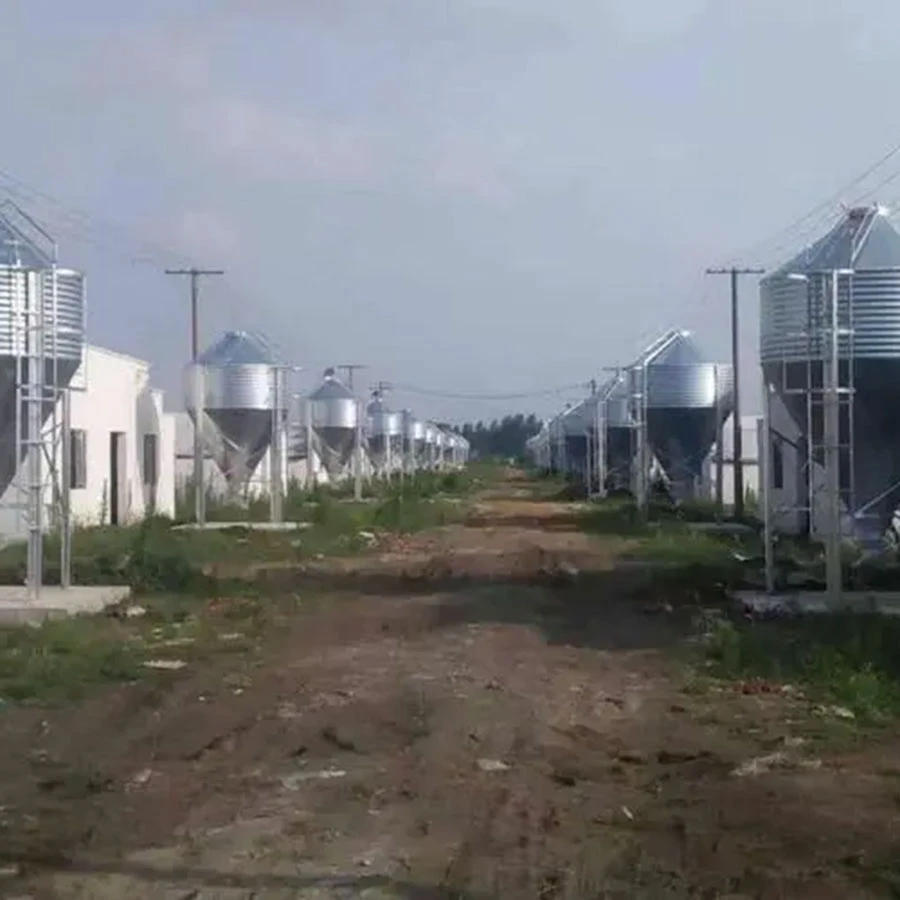
In many parts of the world, particularly in intensive pig farming regions such as Europe, Asia, and North America, gestation stalls are a standard practice. The global pork industry produces over 110 million metric tons annually, and managing pregnant sows safely without compromising farm efficiency is a huge challenge.
But here’s where it gets tricky: animal welfare organizations have criticized gestation stalls as restrictive, leading to ongoing debates and policy reforms. For example, the European Union and some U.S. states have placed regulations to phase out certain types of stalls in favor of group housing. This interplay between welfare and productivity raises questions about designing stalls that can satisfy both sides.
In real terms, farmers require housing that minimizes fighting among sows, allows for efficient feeding schedules, and guarantees health monitoring — all while staying compliant with evolving legislations. Without thoughtful stall design, the risks of injury, stress, and reduced fertility rise.
Mini takeaway: Gestation stalls exist at the crossroads of animal welfare, productivity, and legal frameworks worldwide.
What Exactly Is a Gestation Stall?
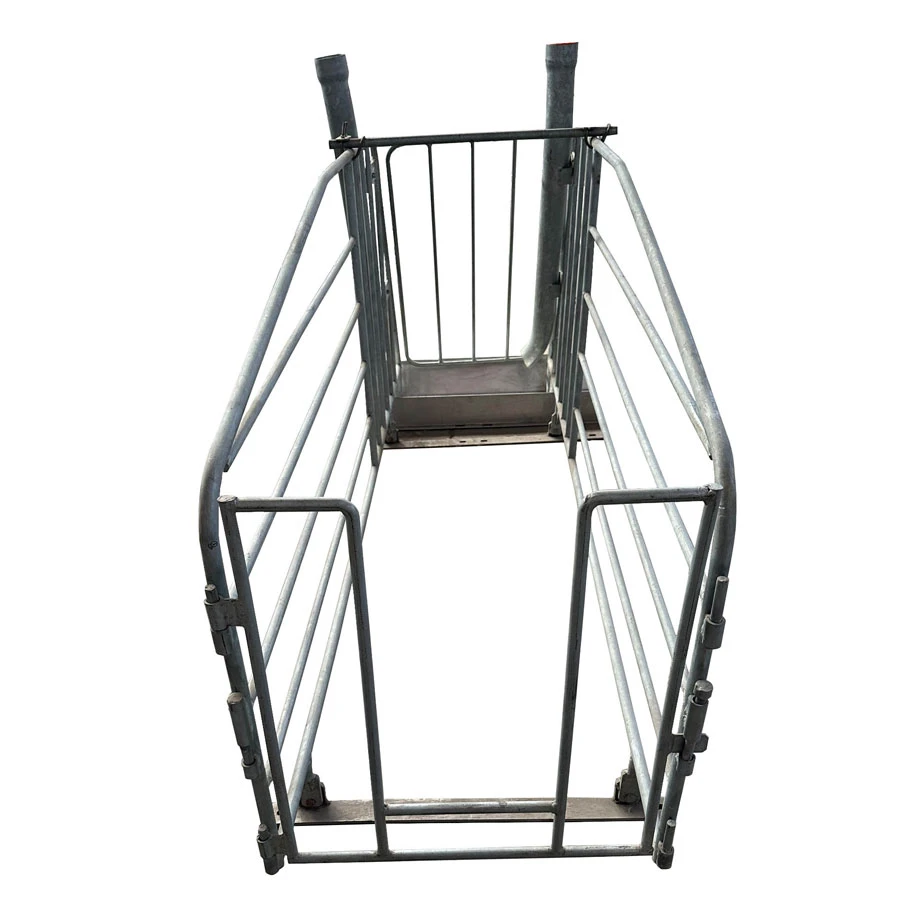
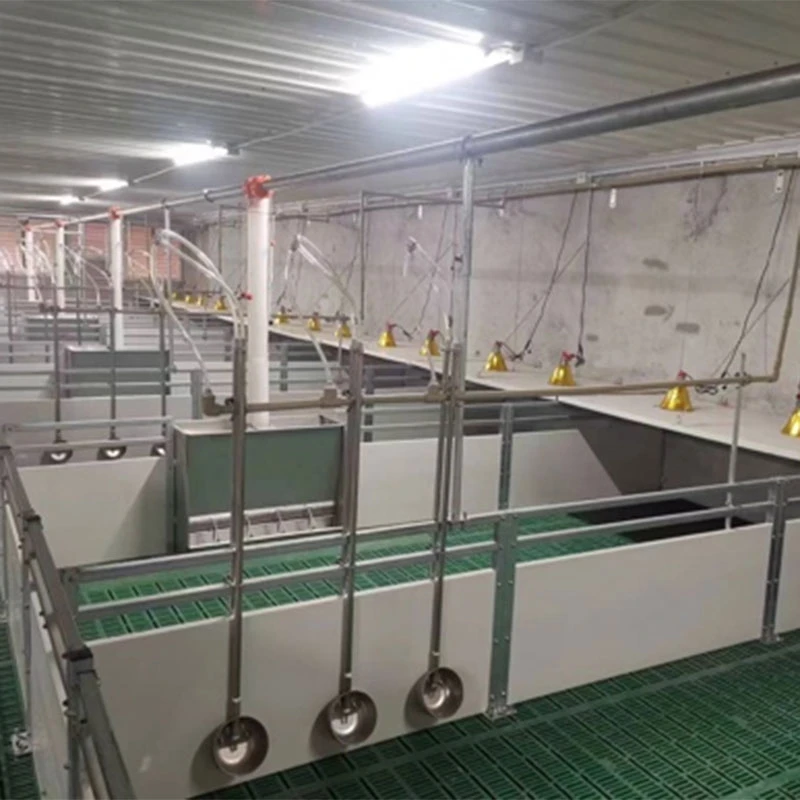
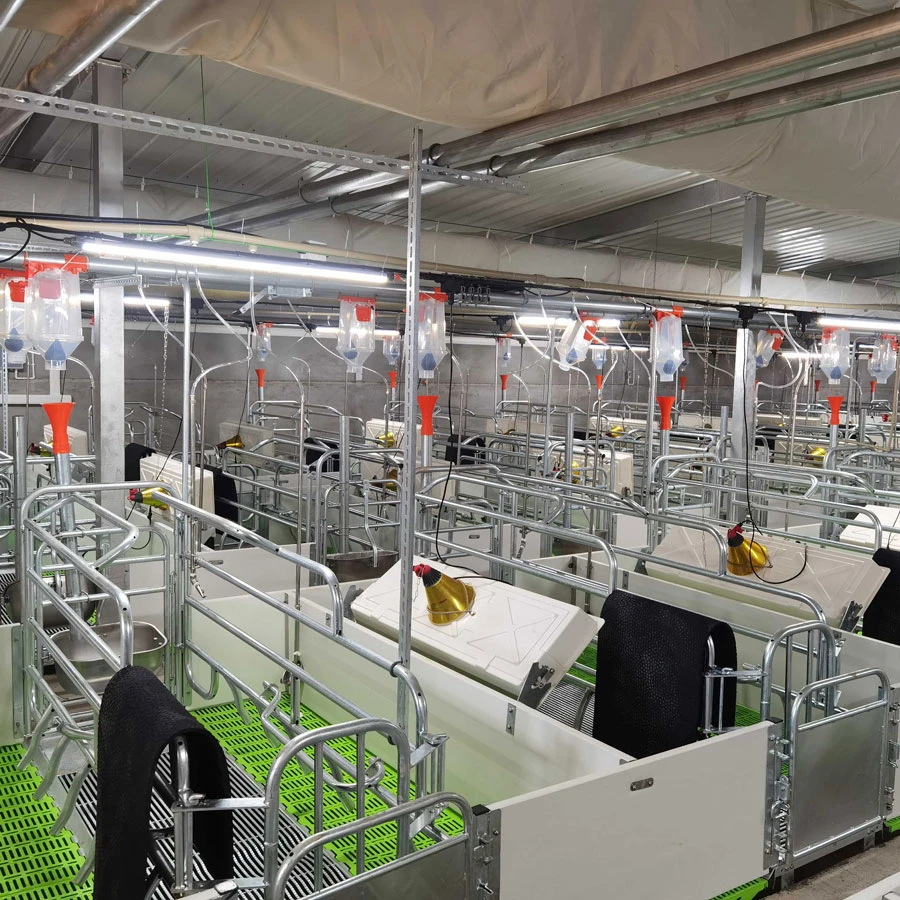
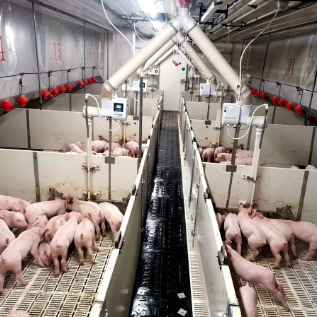
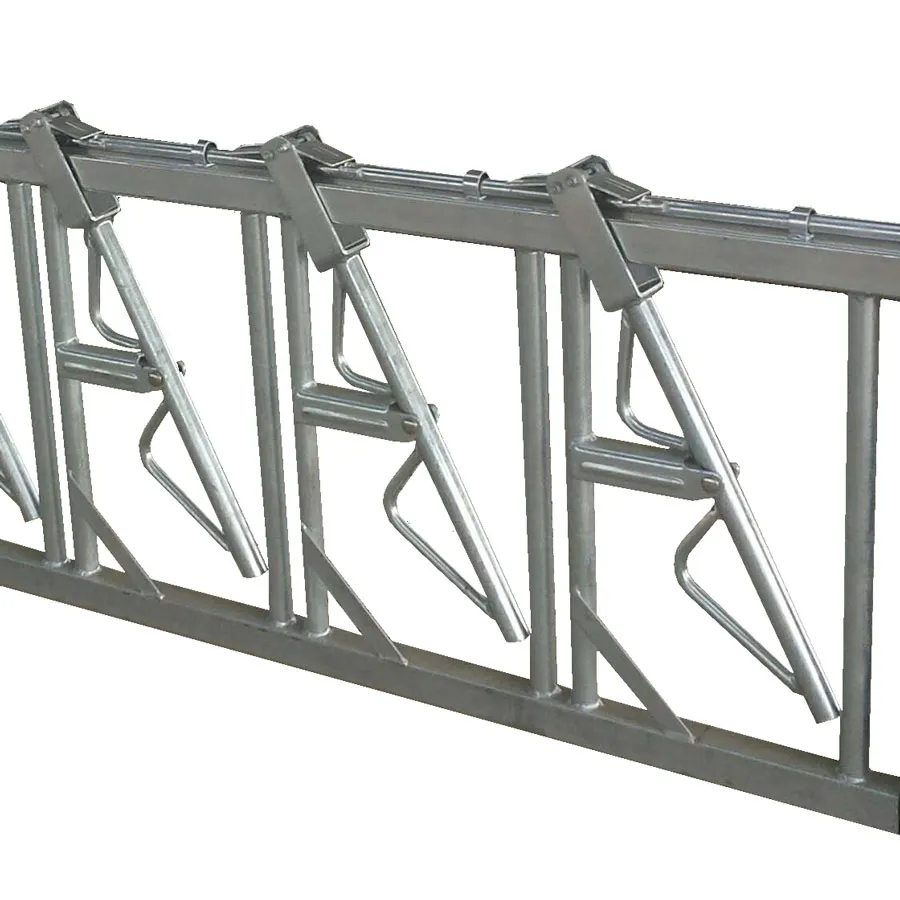
In its simplest form, a gestation stall is an individual enclosure used to house a pregnant sow separately from others. Usually constructed from metal bars and sturdy flooring materials, these stalls restrict movement to some degree, primarily to prevent aggression and allow for controlled feeding.
You can think of it as a personalized suite for the sow during her pregnancy—meant to provide safety, reduce competition at feeding time, and make veterinary inspection and record-keeping smoother.
A gestation stall is intertwined with modern animal husbandry systems, bridging practical farming needs with evolving concerns about animal stress and welfare. Interestingly, some newer stall designs seek to incorporate movable partitions or enriched flooring to encourage more natural behaviors while safeguarding health.
Mini takeaway: Though simple in concept, gestation stalls are a sophisticated tool within contemporary livestock management.
Core Components of a Good Gestation Stall
1. Durability
Stalls are subjected to constant use, cleaning, and sometimes rough treatment from the animals themselves. Materials often include galvanized steel, which resists rust and withstands pressure. Durability isn’t just about longevity — it’s about maintaining structural safety for the sow.
2. Cleanability and Hygiene
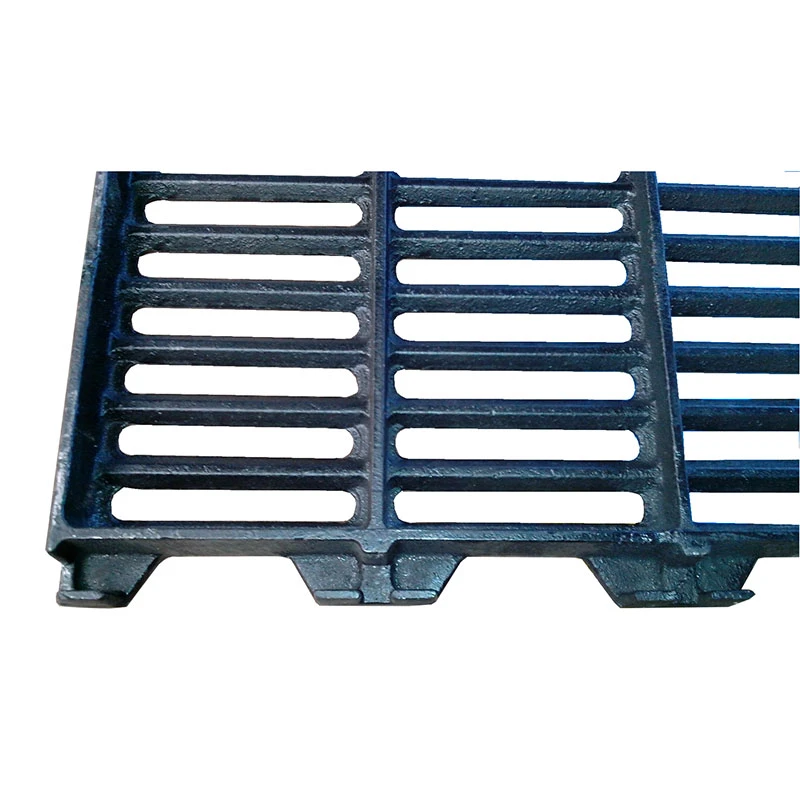
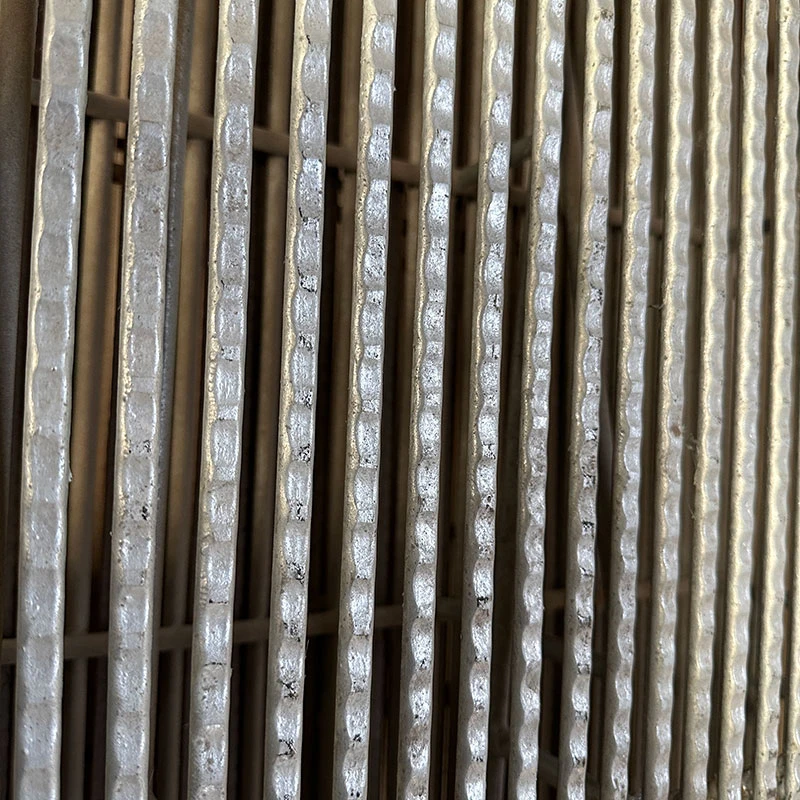
A stall must facilitate frequent cleaning and waste removal. Floors often incorporate slats or materials that allow urine and manure to fall through, minimizing contact with waste to reduce disease risk. Hygienic design is non-negotiable.
3. Space and Ergonomics
Dimensions vary, but stalls should be large enough for the sow to stand comfortably and lie down, yet small enough to prevent fighting or overcrowding. Ergonomic design also includes easy access for feeding and medical inspections.
4. Cost-effectiveness
Farmers balance upfront costs against stall lifespan and maintenance. While premium models may have features like anti-slip flooring or adjustable bars, affordability remains crucial, especially in developing regions.
5. Compliance with Welfare Standards
Especially in regions with strict animal welfare laws, stalls need to meet minimum size and design standards. Innovations include partial freedom of movement and enrichments to improve welfare without sacrificing productivity.
6. Adaptability
Farms differ in size and scale, so modular stall systems that can be expanded or reconfigured are more valuable. This adaptability also helps farms comply with changing regulations or market demands.
Mini takeaway: The best gestation stalls blend sturdy construction with ergonomic and animal-friendly design — a balancing act that evolves with technology and regulation.
Where and How They’re Used Worldwide
Gestation stalls are most common in intensive pig farming economies: China (the world’s top pork producer), the U.S., Brazil, and much of the EU. Yet, their adoption varies greatly depending on cultural norms, technology levels, and regulatory conditions.
- In
Europe, group housing is increasingly the norm, due to legislation and consumer pressure. However, stalls still see use in particular circumstances, such as quarantine or high-risk pregnancy cases.
- In
China and
South America, many farms use traditional stalls because they’re cost-efficient and proven.
- In developing or resource-limited areas, basic versions of stalls—sometimes even makeshift—help farmers safely breed sows where space is limited or resources scarce.
Organizations such as the World Animal Protection and the FAO track global housing practices, often recommending best practices to balance production with welfare.
Example: In post-disaster recovery zones where farms are rebuilt rapidly, ready-to-install modular gestation stalls allow farmers to resume breeding faster and with less risk to animals.
Mini takeaway: Gestation stalls are versatile; whether industrial or rural, they help optimize sow management in diverse settings.
Advantages and Long-term Benefits of Gestation Stalls
From a cost perspective, stalls reduce injuries from sow fighting, preventing veterinary bills and lost productivity. They also guarantee controlled feeding, meaning better nutrient management and less waste — both strong sustainability benefits.
Socially, they contribute to safer animal handling for farm workers, reducing accidents. Emotionally, there’s something reassuring about a system where each sow gets individual attention during pregnancy — trust me, many farmers feel it deep down, even if it’s hard to quantify.
Plus, with consumer awareness on animal welfare rising globally, farms that use improved gestation stall methods often enjoy better market acceptance.
Mini takeaway: The bottom line? Gestation stalls support safer, more sustainable farming that’s better for animals, farmers, and consumers alike.
Emerging Trends and Innovations
Oddly enough, this seemingly simple housing is getting a tech upgrade:
-
Smart sensors embedded in stalls monitor sow health and movement, alerting farmers to early signs of distress.
-
Eco-friendly materials — such as recycled composites and biodegradable floor coatings — are replacing steel, reducing the carbon footprint.
-
Automation for feeding and cleaning reduces labor and improves hygiene.
- Policies in Europe propel a shift to more “welfare-friendly” stalls that balance sow comfort and individual management.
The future feels like a mix of tradition and tech — new designs try to keep the advantages of stalls while addressing welfare concerns.
Mini takeaway: Gestation stalls are evolving; innovation is turning old ideas into smarter, greener practices.
Common Challenges and Smart Solutions
Challenges remain:
- Limited sow movement can cause stress and joint problems.
- Maintenance costs can be high if not planned properly.
- Regulatory shifts sometimes force retrofitting or replacement, which strains small farmers.
Solutions? Many engineers recommend modular designs for easy updates, and many farms invest in staff training to optimize stall use. Plus, hybrid housing systems that combine individual and group elements show promise.
Mini takeaway: Challenges are real, but with innovation and adaptability, gestation stalls remain a cornerstone of modern pig farming.
Quick FAQ: Answering Everyday Questions About Gestation Stalls
- Q: Are gestation stalls cruel to sows?
A: It depends on design and management. Properly constructed stalls that allow basic comfort and protect animals can meet welfare expectations, though open-group housing is preferred in some regions.
- Q: How much space does a sow need in a gestation stall?
A: Typically, about 2.1 by 0.6 meters is recommended to allow standing and lying comfortably without overcrowding.
- Q: Can gestation stalls be used in organic farming?
A: Organic standards often encourage group housing, but some allow individual stalls temporarily for health or safety reasons under strict guidelines.
- Q: How long do gestation stalls last on average?
A: With good materials like galvanized steel and proper maintenance, stalls can last 10+ years.
- Q: Are there eco-friendly gestation stall options?
A: Yes; new materials and designs aim to reduce environmental impact through recyclability and less energy-intensive manufacturing.
Product Specification Table: Typical Gestation Stall Features
| Feature |
Specification |
Notes |
| Dimensions (L × W) |
2.1 m × 0.6 m (approx.) |
Suitable for adult sows |
| Material |
Galvanized steel, optional recycled composite |
Corrosion-resistant |
| Flooring |
Slatted or solid with drainage |
Facilitates cleaning |
| Accessories |
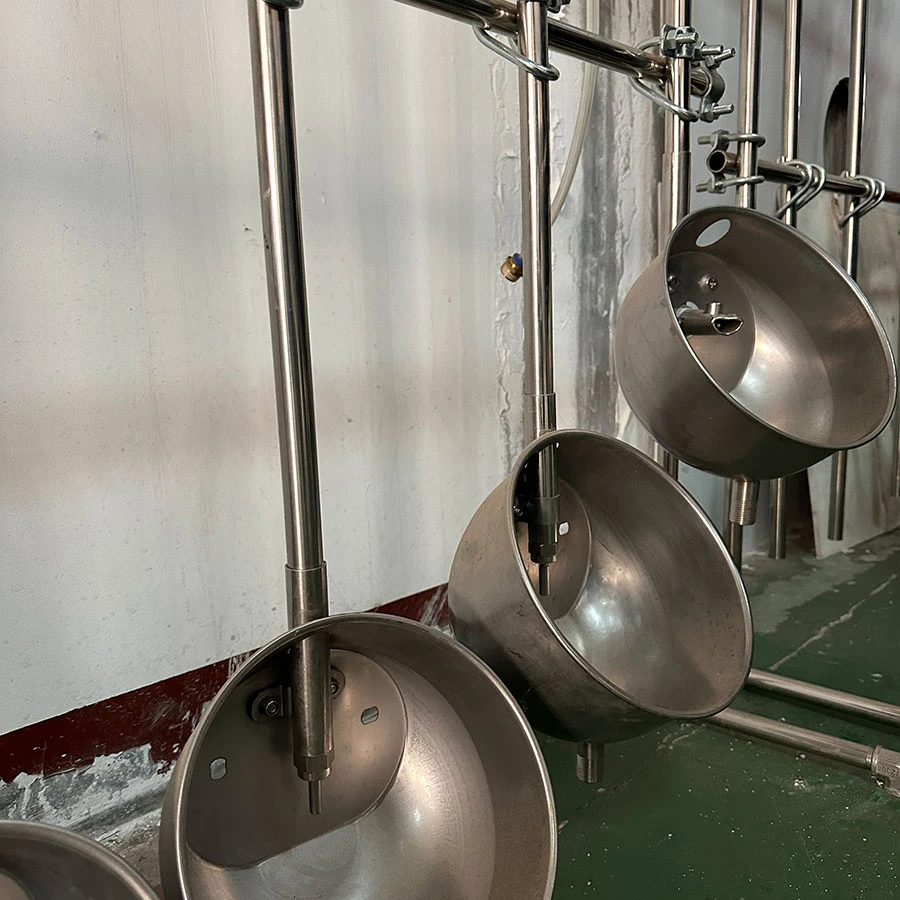
Feed trough, water nipples |
Optimizes animal care |
| Weight |
~50–70 kg |
Stable yet portable |
Vendor Comparison: Gestation Stall Solutions
| Vendor |
Material Quality |
Customization Options |
Price Range (USD) |
Warranty |
| FarmTech Solutions |
Premium galvanized steel |
Modular designs, size variants |
$120 - $180 per stall |
5 years |
| AgriCo Housing |
Steel and recycled composites |
Limited customization |
$90 - $140 per stall |
3 years |
| SowSafe Systems |
High-grade steel, anti-slip flooring |
Wide range of sizes and add-ons |
$150 - $220 per stall |
7 years |
Wrapping Up: Why It’s Time to Take Gestation Stalls Seriously
So, what’s the bottom line? Gestation stalls may seem like a niche piece of equipment, but they represent a fascinating intersection of animal welfare, agricultural innovation, and global food security. As the world’s demand for pork evolves — pressured by both ethical concerns and efficiency needs — gestation stalls are adapting, too, with smarter materials, designs, and technology.
If you’re a livestock farmer, industry professional, or simply curious about how sustainable protein production happens behind the scenes, it’s worth diving into the details. Gestation stalls show you how small changes in design ripple out into advantages for animal health, farmer livelihood, and the planet.
Interested in learning more or sourcing quality stalls? Visit our website at
https://www.cxlivestock.com to explore solutions tailored to your needs.
---
References
- FAO: Pig Production and Consumption
- Wikipedia: Gestation Stall
- World Animal Protection – Farming Standards