Understanding Equipment for Cow Farm: Why It Matters Today
Let’s kick things off with the basics. When we say equipment for cow farm, we’re talking about the wide array of tools and machines that help farmers raise cattle efficiently and humanely. Simple enough, but here’s the kicker: this equipment isn’t just luxury—it’s essential. Globally, beef and dairy industries support millions of livelihoods, feeding billions, and contributing to economies everywhere. Having the right equipment means better productivity, animal welfare, and sustainability. Plus, it helps cut costs and minimize environmental impact, which can’t be overlooked in a world waking up to climate issues.
So why does understanding such equipment matter on a global scale? Agriculture still accounts for roughly 27% of global employment according to the International Labour Organization (ILO). And cows? Well, they represent a cornerstone of both developing and developed agricultural systems. The tools that nurture these herds are thus crucial players in food security, rural development, and even climate strategy.
Mini takeaway: Good cow farm equipment isn’t just about convenience—it’s about feeding people smarter, safer, and more sustainably.
The Global Landscape: Where Equipment for Cow Farm Fits In
Dairy and beef production make up a massive chunk of the agriculture sector. The World Bank reports that livestock contributes up to 40% of global agricultural GDP. That’s huge. But here’s the problem: in many regions, lack of modern equipment for cow farm creates bottlenecks—insufficient milking tech, crude feed systems, and poor barn designs reduce yield and hurt animal health.
Emerging economies especially face challenges—balancing modernization with affordability and infrastructure gaps. By addressing these with improved equipment, farms can increase efficiency by as much as 30% (Food and Agriculture Organization, FAO). So, if we think of cow farm equipment as part of a bigger picture, it becomes clear how crucial it is to economies and global food chains.
What Exactly is Equipment for Cow Farm?
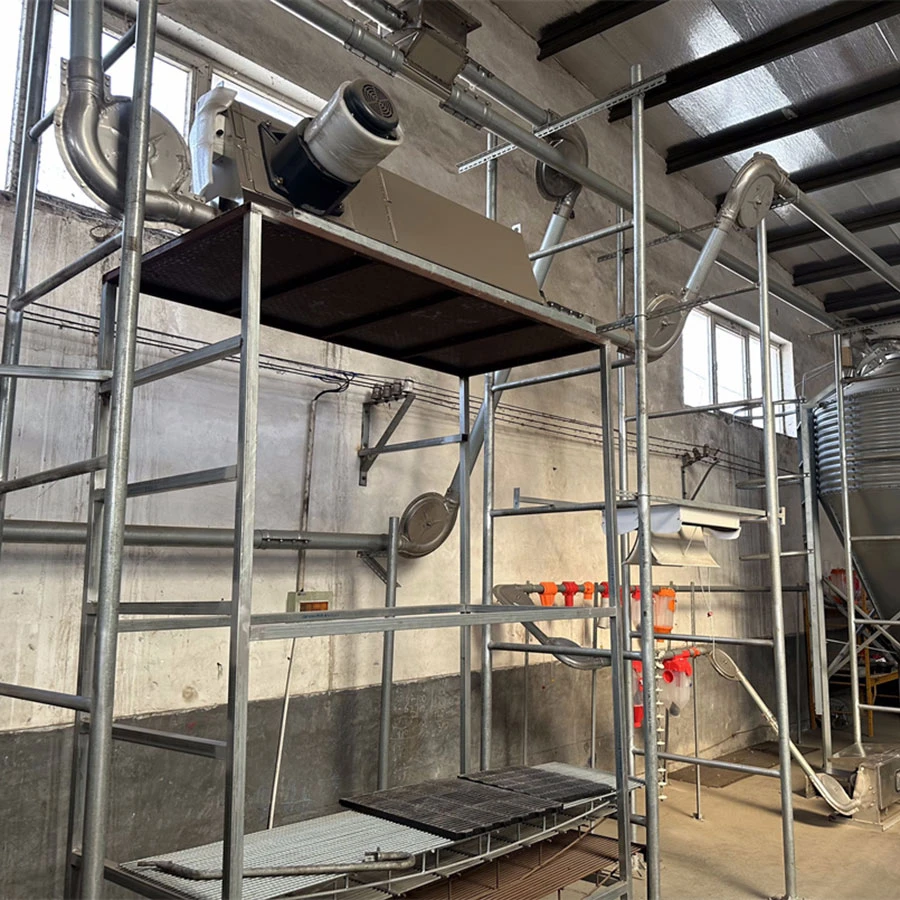
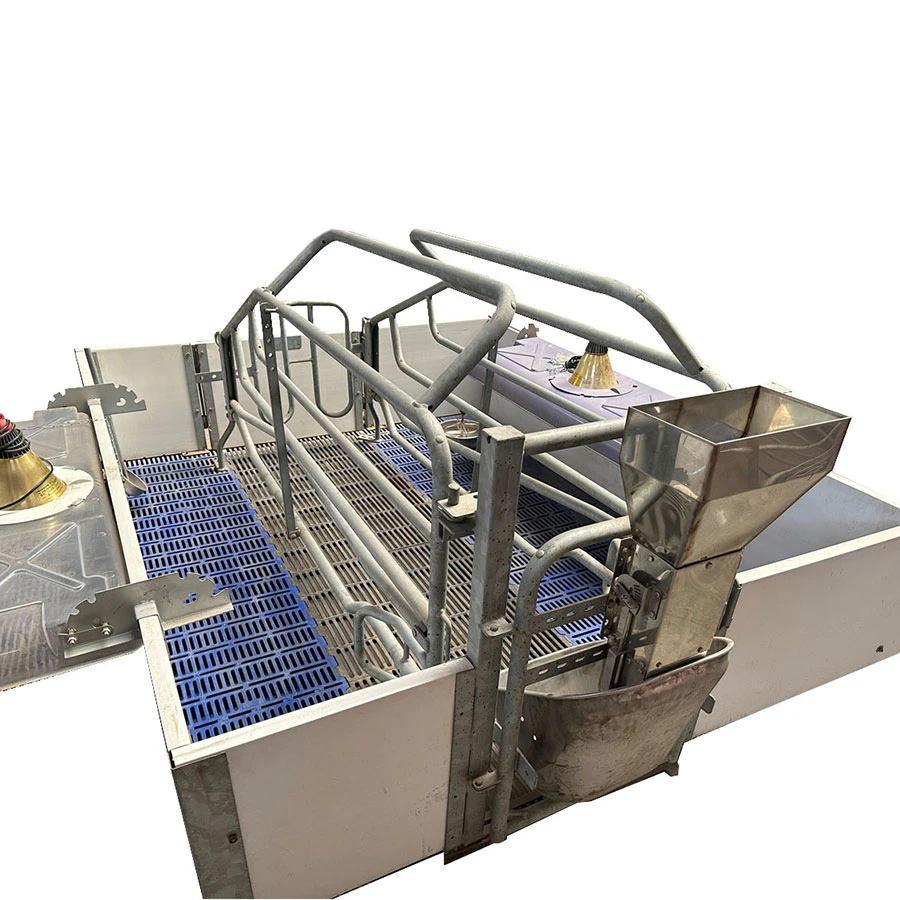
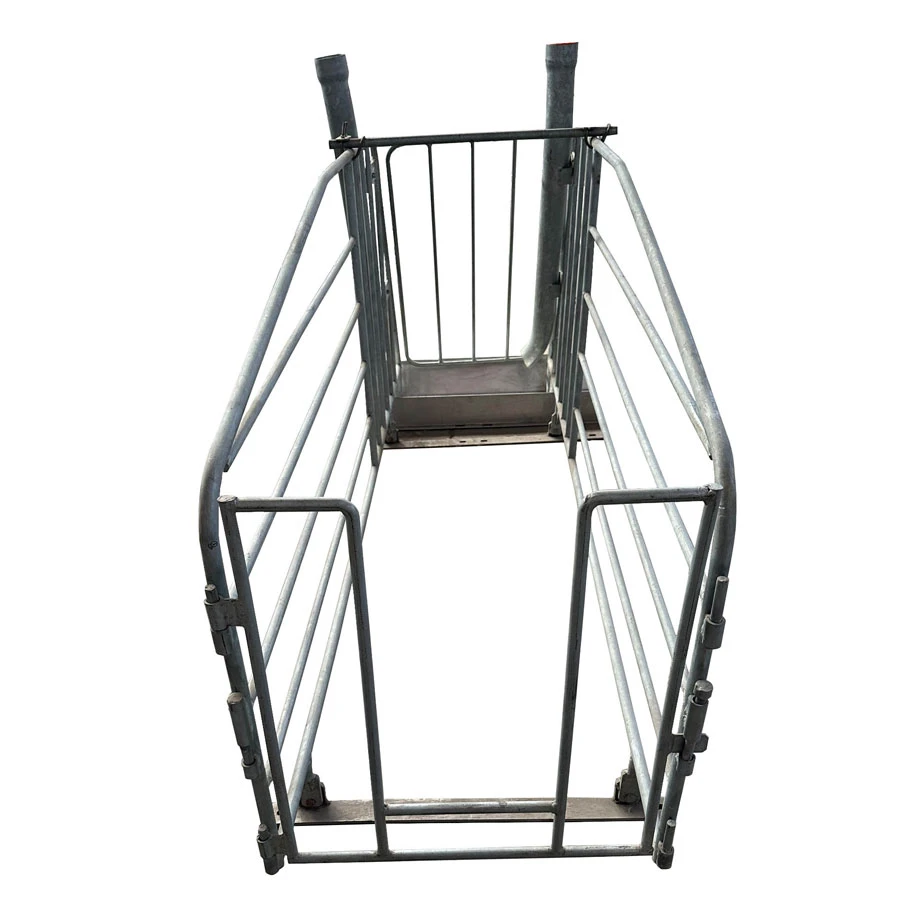
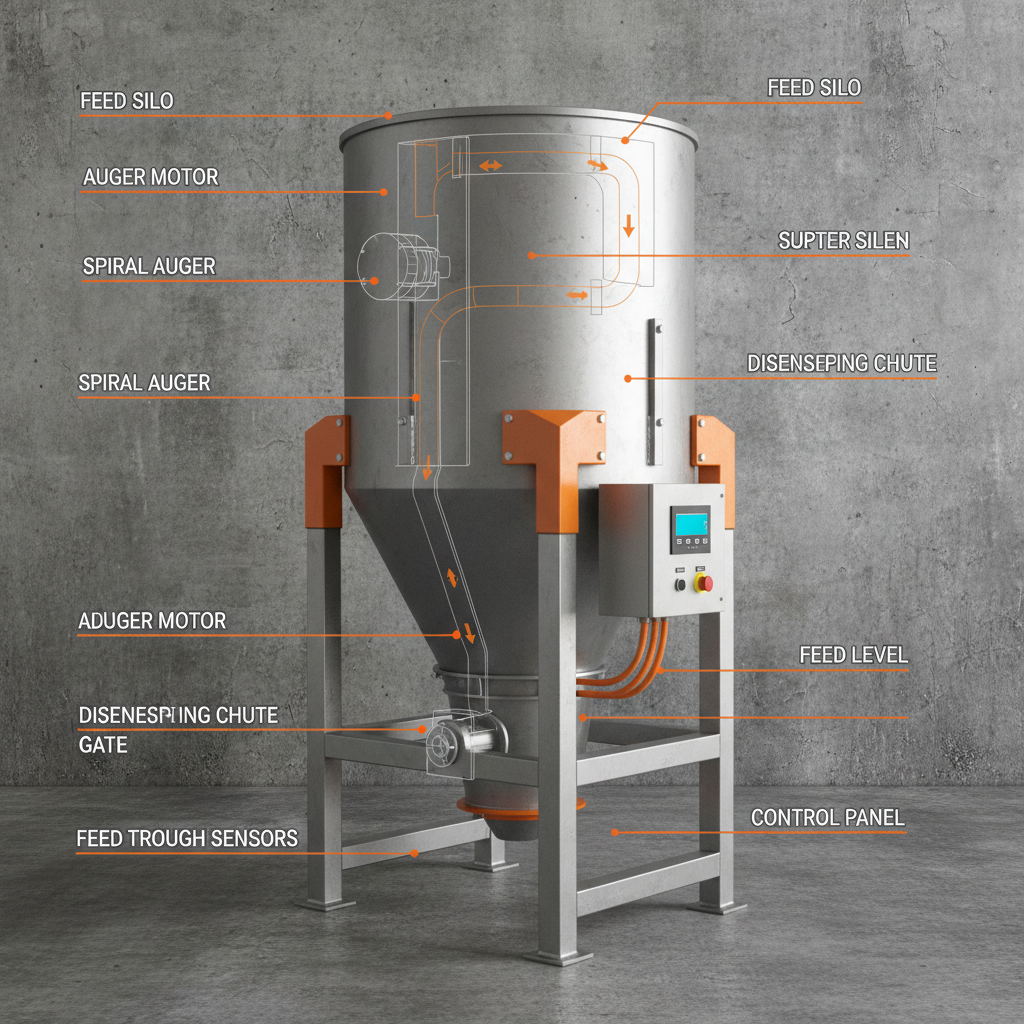
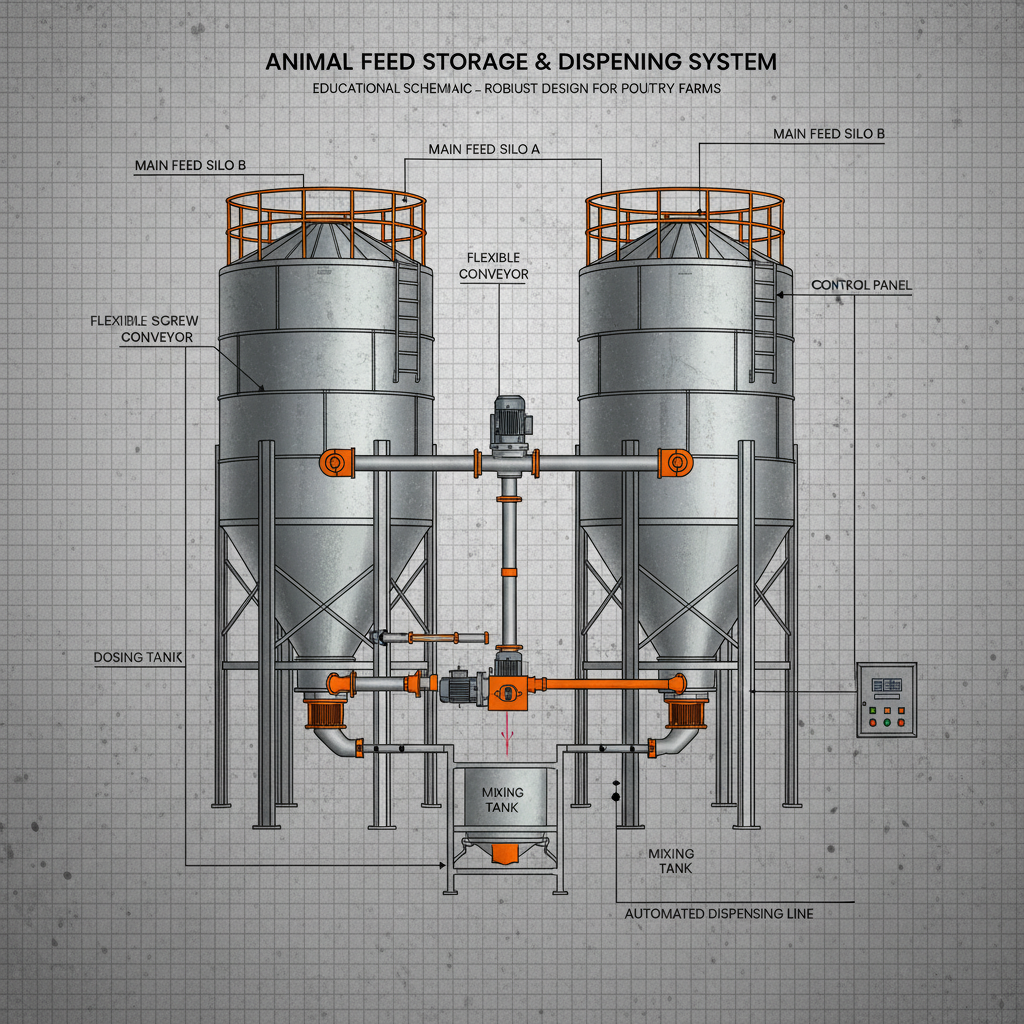
Put simply: it’s all the physical things farmers use to raise cows—feeding systems, milking machines, barns, manure handling gear, cooling units, and even automated health monitors. On a modern farm, this isn’t just wheels and tractor arms. It’s a carefully balanced ecosystem of machines and tools designed to maximize productivity while maintaining animal welfare.
Oddly enough, cow farm equipment has evolved from rudimentary wooden troughs to highly sophisticated robotic milking stations. These advances bring us one step closer to precision livestock farming—a truly 21st-century concept where every cow’s health and output is monitored digitally.
Core Components That Make a Difference
Durability and Reliability
Farms aren’t gentle environments: mud, manure, weather extremes. Equipment has to last. Durable materials like stainless steel and reinforced polymers are the unsung heroes here. When milking machines or feeders fail, downtime hits hard—so equipment uptime translates to real money.
Scalability and Modularity
Whether you have 10 cows or 10,000, scalable solutions are essential. Modular equipment lets farms adapt as they grow—adding feed stations or automated robotics without overhauling the entire system.
Cost Efficiency
Upfront investment is often a barrier, especially in developing regions. But cheaper isn't always cheaper in the long run. Many modern machines boast energy savings and reduced labor costs that pay for themselves in a few years—true for milking robots and automated feeders alike.
Animal Comfort and Welfare
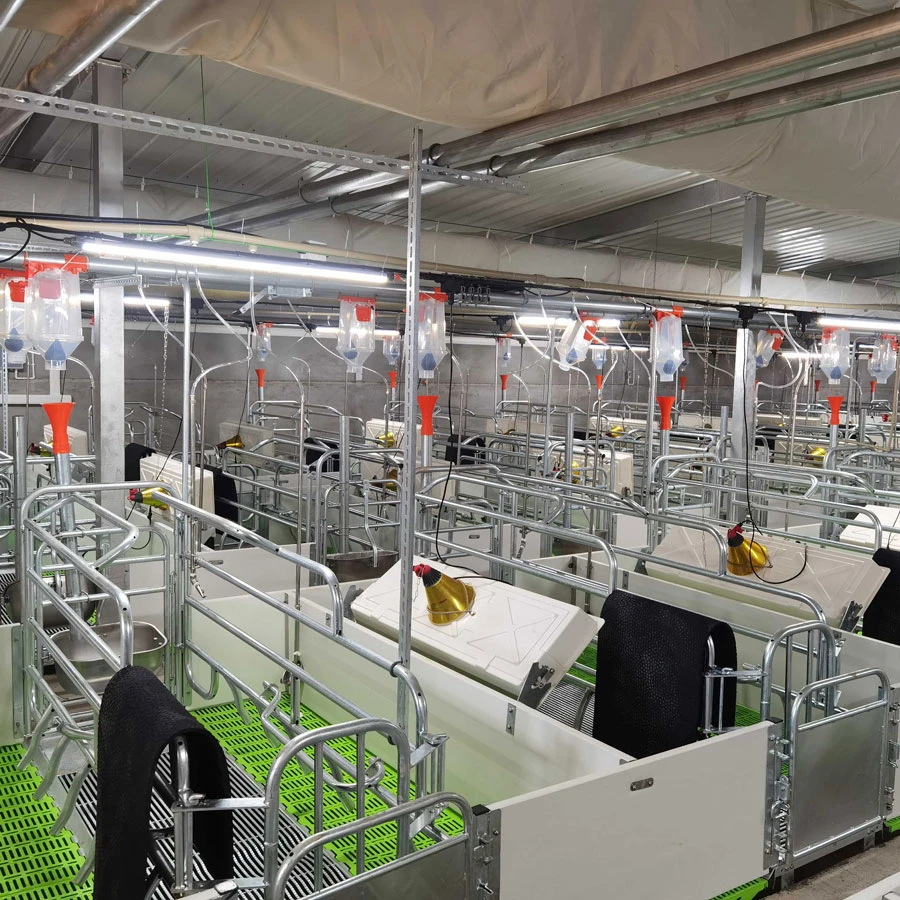
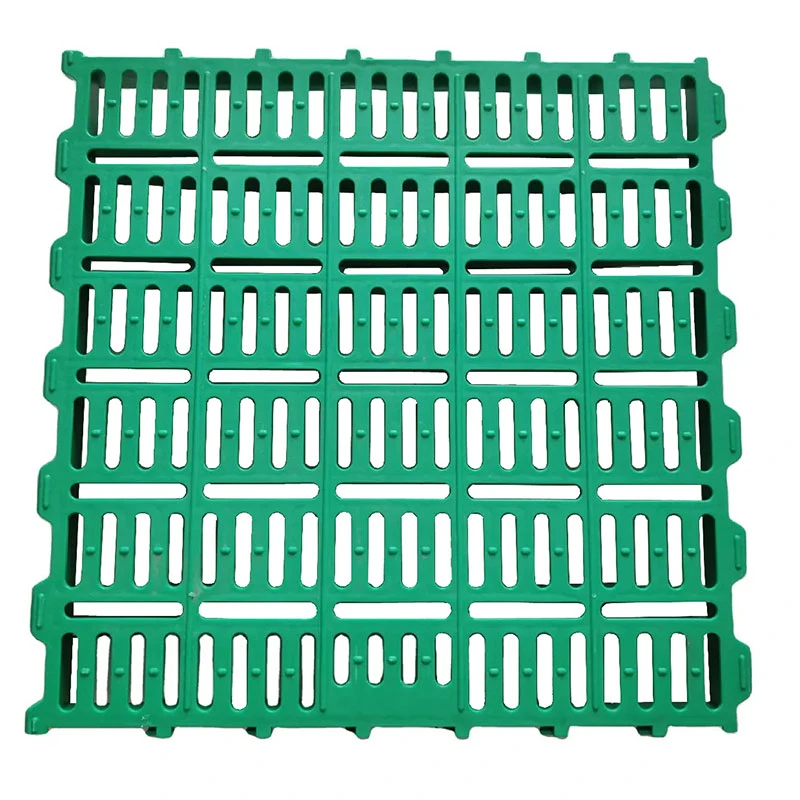
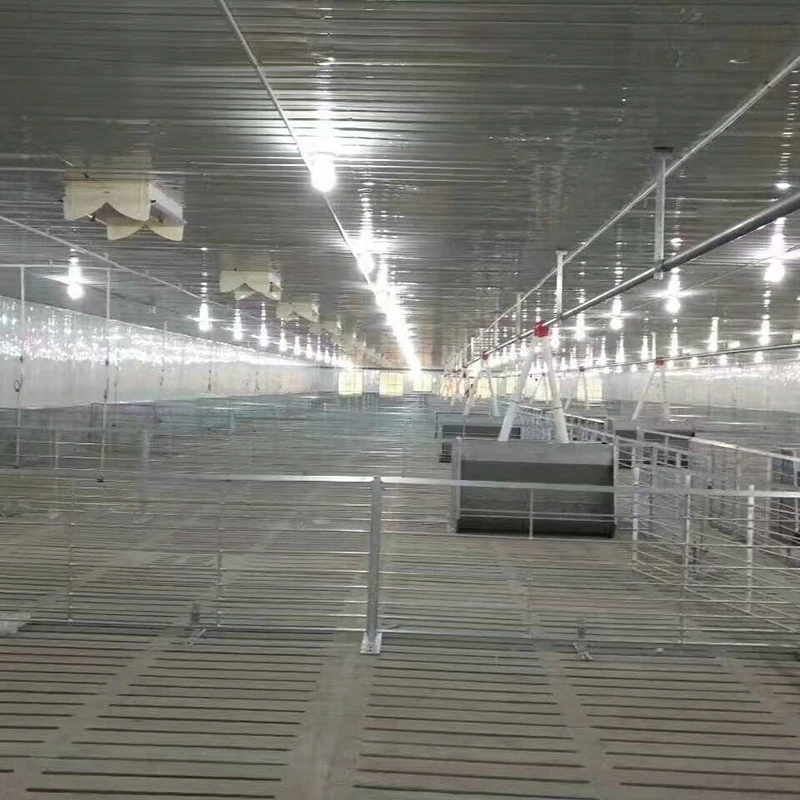
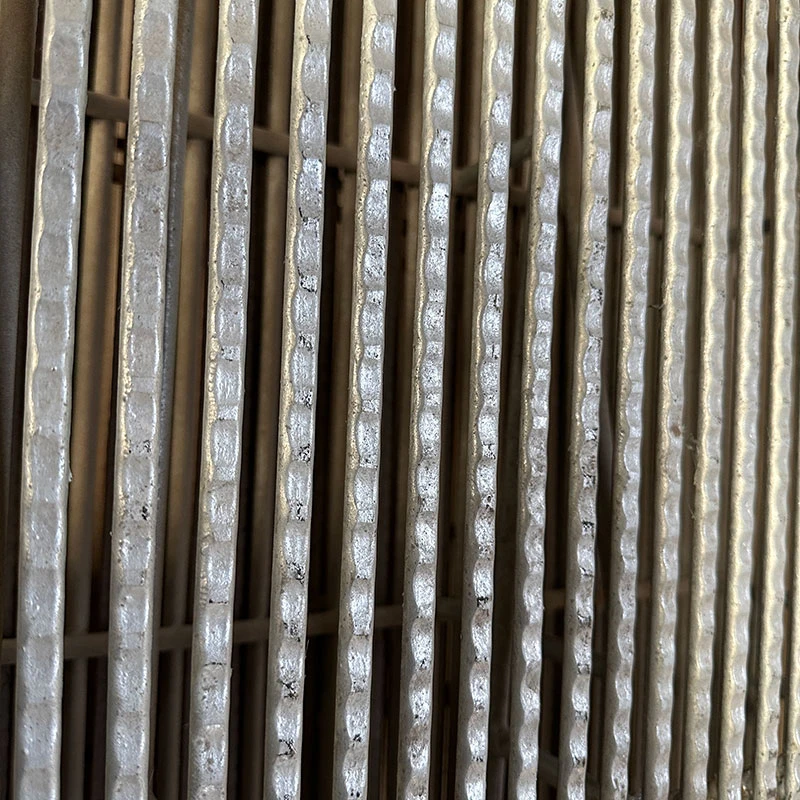
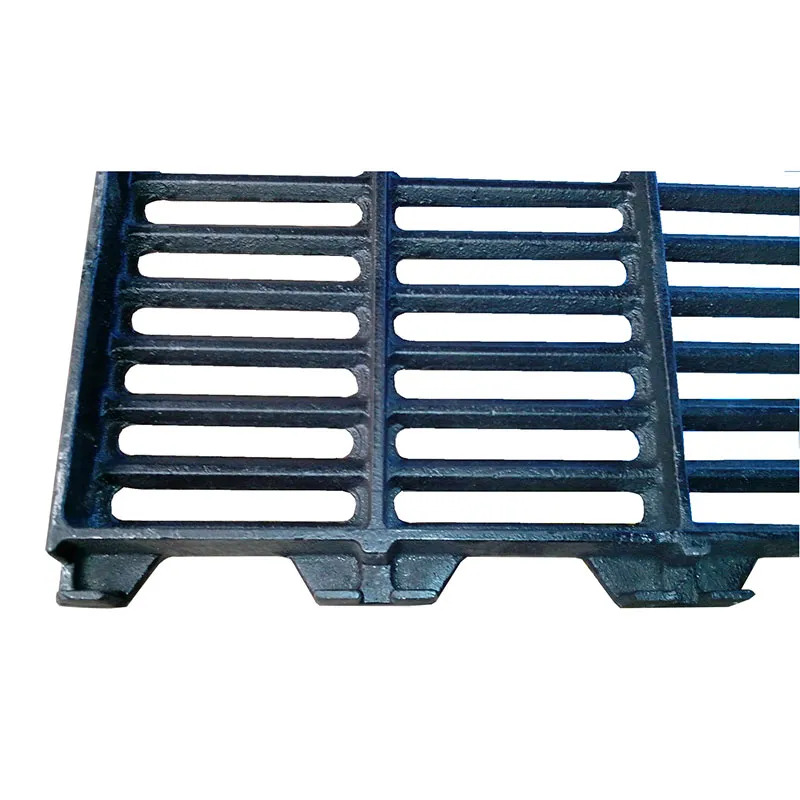
Comfortable cows produce better milk and grow faster. That’s why equipment like climate-controlled barns, anti-slip flooring, and gentle handling systems matter. These features keep stress low, health high—and that’s increasingly a consumer expectation.
Ease of Maintenance
Equipment that’s easy to clean and repair means less downtime and fewer parts waiting weeks to arrive. Farmers appreciate intuitive designs with locally-available components.
Product Specification Table: Typical Equipment for Cow Farm
| Equipment | Material | Capacity | Power Source | Key Feature |
|---|---|---|---|---|
| Automatic Milking System | Stainless Steel & Plastic | Up to 100 cows/day | Electric | Robotic arm, health monitoring |
| Feed Troughs | Plastic / Concrete | Variable | N/A | Slip-resistant surface |
| Manure Spreaders | Steel | 5,000 liters | Tractor PTO | Efficient waste recycling |
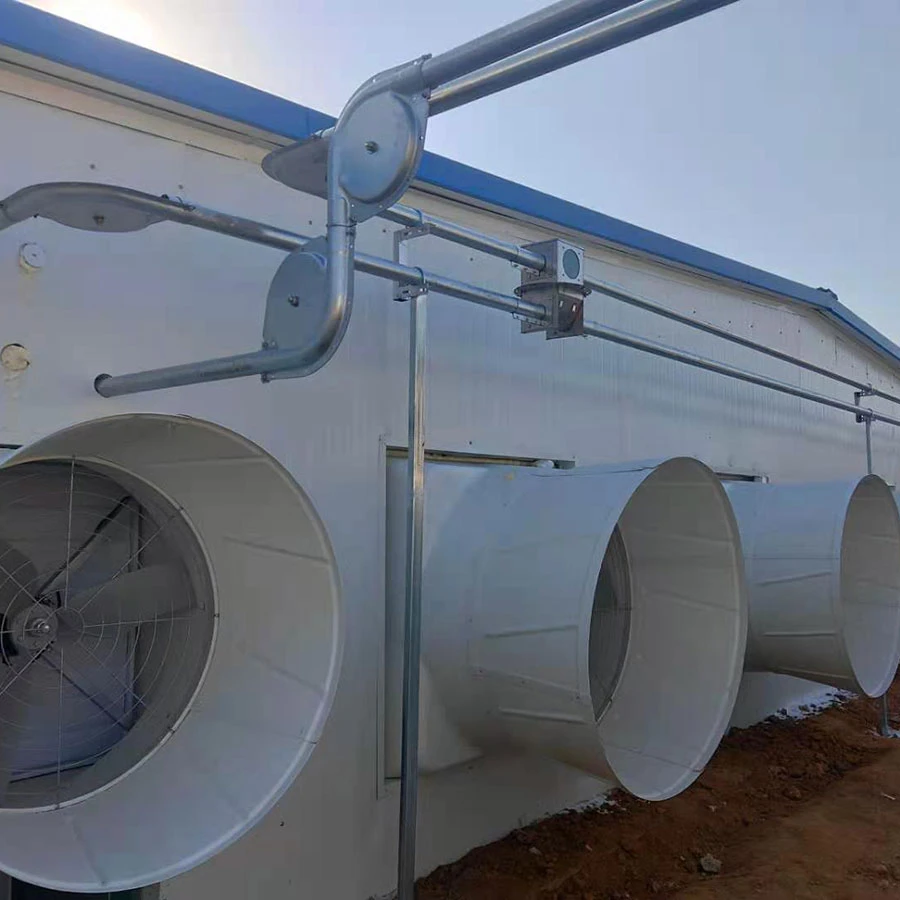
| Climate Controlled Barn | Metal, Insulated Panels | Up to 200 cows | Electric & Ventilation | Temperature & humidity sensors |
Global Scenes: Real-World Use & Impact
Around the world, equipment for cow farm plays diverse roles. In New Zealand, robotic milking hooks up with IoT sensors to optimize milk yield. Meanwhile, in East Africa, simple but durable feeding troughs and manual milking machines enable smallholder farmers to increase output with little capital. European farms invest heavily in climate-controlled barns to meet strict animal welfare laws. Even NGOs step in: equipment for cow farm becomes a critical tool in rebuilding rural livelihoods after floods or droughts.
Oddly enough, sometimes tech leaps happen in unexpected places—like Kenya’s growing use of solar-powered water pumps, giving farms reliable irrigation while slashing fuel costs. That’s innovation meeting necessity in action.
Mini takeaway: The right equipment adapts to local needs—from high-tech precision to rugged simplicity.
Advantages & Long-Term Value
- Cost Savings: Automation and durable gear cut labor and maintenance costs over time.
- Sustainability: Energy-efficient equipment and waste recycling reduce environmental footprints.
- Animal Welfare: Improved comfort leads to healthier, more productive cows.
- Social Impact: Reliable equipment empowers farmers to secure livelihoods.
- Innovation & Trust: Technological advances build confidence in food safety and quality.
Frankly, it’s not just about money. There’s an emotional dimension too—farmers take pride in well-maintained, modern farms. Their animals are healthier, and communities benefit. So, investing in good equipment is both logical and deeply human.
Future Trends & Innovations in Cow Farming Equipment
What’s next? The future feels like it’s all about smart integration. Think digital transformation: IoT devices tracking feed intake and cow health in real-time, AI-driven analytics predicting illness, and drones monitoring pasture conditions. Green tech matters too—solar-powered equipment and bio-based materials are reducing carbon footprints.
Plus, modular, customizable machine components are making maintenance easier and upgrading seamless. There’s growing attention to smart barns with built-in climate control adapting to weather changes automatically—practically a “cow comfort suite.” Oddly enough, some small farms in Europe embrace 3D-printed replacement parts to avoid long waits and costs.
Challenges & Practical Solutions
Challenges aren’t minor. Affordability remains a key barrier, especially in developing nations. Plus, the energy requirements and tech literacy can be hurdles. Maintenance, spare parts availability, and integration with existing setups also trip up adoption.
Solutions? Many engineers suggest open-source designs combined with local manufacturing to keep costs down. Training programs and mobile-based management apps are becoming standard. And leasing models or government subsidies help small-scale farmers access better gear.
FAQ: Frequently Asked Questions About Equipment for Cow Farm
Q1: How does automatic milking equipment improve farm productivity?
A1: Automatic milking systems allow cows to be milked at their own pace, reducing labor needs and increasing milking frequency. This often results in higher milk yields and better herd health monitoring.
Q2: What key features should I look for in feed equipment?
A2: Look for durability, easy cleaning, and design that reduces feed waste. Automated feeders that monitor consumption can optimize nutrition and improve cow health.
Q3: Can I use solar energy to power farm equipment?
A3: Absolutely. Many modern farms integrate solar panels to power pumps, lighting, and some milking equipment, reducing fuel costs and emissions.
Q4: How do I maintain climate-controlled barns effectively?
A4: Regular checks of ventilation systems, sensors, and insulation integrity are essential. Keeping systems updated ensures cows remain comfortable and energy use stays efficient.
Q5: Are modular equipment solutions cost-effective for small farms?
A5: Yes, modular designs allow farms to invest gradually, adapting their setup as they grow without large upfront expenses.
Vendor Comparison Table: Leading Equipment for Cow Farm Providers
| Vendor | Focus Area | Price Range | Notable Feature | Support & Training |
|---|---|---|---|---|
| FarmTech Robotics | Automated Milking | High ($50K+) | AI Health Analytics | Comprehensive |
| GreenPasture Equip | Feed & Water Systems | Mid ($5K-$20K) | Solar-Powered Pumps | Moderate |
| Rustic Farm Supplies | Barn & Manure Handling | Low ($1K-$5K) | Durable Steel Designs | Basic |
| SmartCow Solutions | Digital Monitoring Tools | Varies | Mobile App Integration | Extensive |
To Wrap It Up: Why Good Equipment for Cow Farm is Worth It
It’s clear that investing in reliable, modern equipment for cow farm isn’t just a matter of keeping up appearances. It’s about securing the future—of farms, families, and food systems. From simple troughs to futuristic robots, each piece plays a role in driving efficiency, sustainability, and animal welfare. The world needs more smart farms, not just bigger ones, and that’s where the right equipment shines.
Don’t just take my word for it—visit our website for more insights and the latest in cow farm equipment designed to grow with you.
Thanks for sticking through—it feels good to know we’re thinking beyond the barn.
References
Post time: Nov . 24, 2025