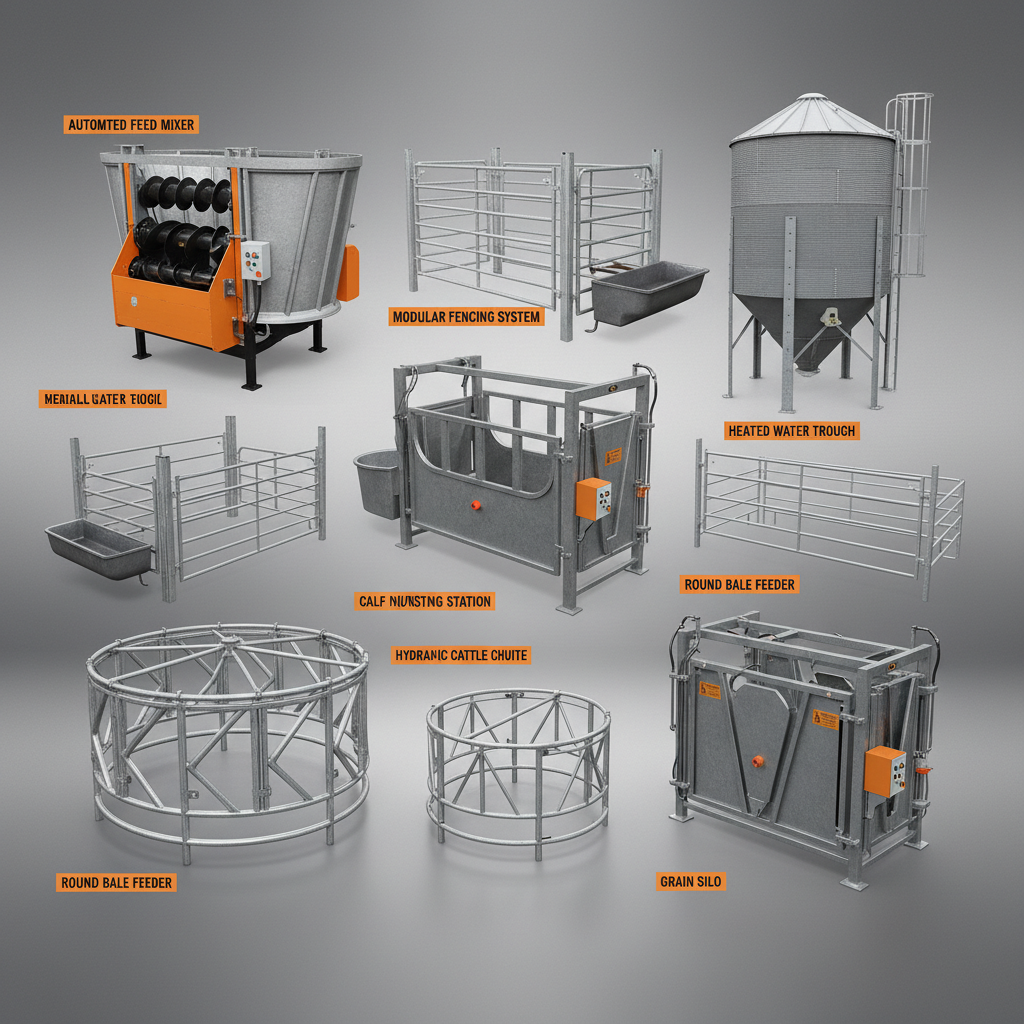
Modern livestock management requires a strategic approach to nutrition and efficiency, and the implementation of high-quality sheep feeding equipment is at the heart of this transformation. By transitioning from manual feeding to systematic, engineered solutions, farmers can drastically reduce feed wastage and ensure that every animal receives the precise nutrients required for optimal growth and wool production.
The global shift toward intensified sheep farming is driven by the increasing demand for high-quality mutton and wool, pushing producers to seek scalable systems. Implementing advanced sheep feeding equipment allows for better hygiene, reduced labor costs, and a significant decrease in the stress levels of the flock, which directly correlates to higher reproductive success and meat quality.
Understanding the nuances of different feeding systems—from automated silos to specialized troughs—is essential for any operation looking to scale sustainably. In an era where feed costs constitute a major portion of operational expenses, the right investment in equipment not only streamlines daily chores but serves as a long-term hedge against inefficiency and resource depletion.
Global Impact of Modern Sheep Feeding Equipment
The global livestock industry is currently facing a dual challenge: the need to increase protein production to feed a growing population while reducing the environmental footprint of farming. High-efficiency sheep feeding equipment plays a pivotal role here by optimizing Feed Conversion Ratios (FCR). According to agricultural trends observed by organizations like the FAO, precision feeding reduces the runoff of nitrogen and phosphorus, making sheep farming more eco-friendly.
In regions like Australia, New Zealand, and parts of Europe, the integration of automated systems has allowed farmers to manage larger flocks with fewer personnel. By minimizing human error and ensuring consistent dietary intake, these systems mitigate the risks of metabolic diseases and promote a healthier, more resilient livestock population across diverse climates.
Defining the Scope of Feeding Systems
At its most basic level, sheep feeding equipment refers to the specialized hardware designed to store, transport, and dispense feed to sheep in a controlled manner. This encompasses everything from simple galvanized steel troughs to complex, computer-controlled automatic feeding systems that can dispense specific rations based on the animal's age, weight, and health status.
Beyond the hardware, these systems represent a shift toward "precision livestock farming." The goal is to eliminate the "hit or miss" nature of traditional grazing or manual trough feeding. By utilizing engineered feeders, producers can ensure that dominant animals do not overeat while timid animals are denied nutrition, thereby homogenizing the growth rate across the entire flock.
Modern equipment also integrates humanitarian and animal welfare standards. Ergonomically designed feeders reduce neck strain and competition-induced stress among sheep. This alignment with E-E-A-T principles in agricultural management ensures that the methods used are not only productive but ethical and sustainable for the long-term health of the livestock.
Core Components for Maximum Efficiency
Durability is the foremost requirement for any sheep feeding equipment. Given the corrosive nature of some feed supplements and the physical wear and tear caused by livestock, the use of hot-dipped galvanized steel or high-density polymers is essential. This ensures that the equipment can withstand harsh barn environments without degrading or contaminating the feed.
Scalability and flexibility are equally critical. A modular feeding system allows a farmer to start with a small setup and expand as their flock grows. Whether integrating feed silos for bulk storage or adding specialized weaner nursery stalls for lambs, the equipment must be compatible with various barn layouts to maximize the available square footage.
Finally, hygiene and ease of maintenance determine the long-term viability of the system. Equipment that allows for quick cleaning prevents the buildup of mold and bacteria, which are primary causes of enteric diseases in sheep. Integrated drainage and smooth interior surfaces are key design features that reduce the man-hours required for sanitation.
Practical Applications Across Global Regions
In intensive farming zones of Northern Europe, sheep feeding equipment is often fully integrated with climate control systems. Here, automatic feeders are synchronized with gestation and farrowing floors to ensure that ewes receive high-energy supplements during the critical pre-lambing period, reducing the incidence of pregnancy toxemia.
Conversely, in the vast rangelands of Central Asia or the American West, the focus shifts to mobile and ruggedized feeding units. In these remote industrial zones, portable feed troughs and heavy-duty silos allow ranchers to provide supplementary nutrition during harsh winters or droughts, ensuring the flock survives extreme weather conditions where natural forage is unavailable.
Efficiency Comparison of Sheep Feeding Equipment Methods
Long-term Economic and Social Advantages
Investing in professional sheep feeding equipment provides an immediate return on investment (ROI) through the reduction of feed waste. In traditional systems, up to 15-20% of feed can be lost to spoilage or trampled into the floor; modern engineered troughs and dispensers can reduce this loss to under 5%, directly impacting the bottom line.
Beyond the financial metrics, there is a significant social and psychological benefit for the farmer. Automation reduces the grueling nature of daily manual feeding, lowering physical burnout and allowing the producer to focus on herd health and genetic improvement. This shift fosters a more sustainable business model that is more attractive to the next generation of agricultural entrepreneurs.
Future Innovations in Automated Feeding
The future of sheep feeding equipment is inextricably linked with the "Internet of Things" (IoT). We are seeing the emergence of "smart feeders" equipped with RFID readers that identify individual sheep as they approach the trough. This allows for the automatic dispensing of medicine or specific nutrient blends tailored to that specific animal's health record.
Sustainability is also driving material innovation. The industry is moving toward the use of recycled, food-grade polymers and carbon-neutral steel production to lower the embedded carbon of the equipment. Furthermore, solar-powered automated feeders are becoming viable for remote grazing operations, removing the need for expensive electrical infrastructure in the field.
AI-driven analytics will soon allow feeding systems to adjust rations in real-time based on weather forecasts and livestock weight gain data. By integrating sensors that monitor feed consumption patterns, the system can alert the farmer to a potential disease outbreak before physical symptoms are even visible, transforming the feeder from a simple tool into a diagnostic device.
Overcoming Common Implementation Challenges
One of the primary hurdles in adopting new sheep feeding equipment is the initial capital expenditure. Many small-scale farmers perceive the cost as prohibitive. However, the solution lies in modular implementation—starting with high-impact areas like lamb feeders and gradually expanding to full silo systems as the increased efficiency generates the necessary capital.
Another common challenge is the "learning curve" associated with automated systems. To overcome this, manufacturers are now providing comprehensive training and remote support. Choosing equipment with intuitive interfaces and robust mechanical backups ensures that a software glitch doesn't lead to a feeding failure, providing peace of mind to the operator.
Finally, integration with existing barn infrastructure can be difficult. The key is to work with developers who offer customizable configurations. By analyzing the flow of animals and the location of existing feed storage, a tailored equipment layout can prevent bottlenecks and ensure that the livestock can access feed without overcrowding.
Comparative Analysis of Sheep Feeding Equipment Tiers
| Equipment Tier |
Labor Reduction |
Feed Waste % |
Initial Cost |
| Basic Galvanized Troughs |
Low |
12-15% |
Low |
| Semi-Automatic Hoppers |
Medium |
7-10% |
Moderate |
| Automatic Conveyor Systems |
High |
3-5% |
High |
| IoT Precision Feeders |
Very High |
1-3% |
Very High |
| Mobile Feeding Trailers |
Medium |
8-12% |
Moderate |
| Custom Integrated Systems |
High |
2-4% |
High |
FAQS
For smaller operations, semi-automatic hopper feeders are generally the most cost-effective. They provide a significant reduction in labor compared to manual troughs but don't require the massive infrastructure investment of a fully automated conveyor system. They balance initial cost with a noticeable reduction in feed waste, making them ideal for growers looking to scale slowly.
Automated systems ensure a consistent and precise delivery of nutrients, eliminating the "competition stress" often seen at open troughs where dominant sheep crowd out others. Furthermore, precision feeders can deliver specific supplements to ewes or lambs, reducing the risk of nutritional deficiencies and metabolic diseases like ketosis.
Yes, most modern sheep feeding equipment is designed with modularity in mind. By using a combination of standalone silos and adjustable trough lengths, these systems can be fitted into various barn layouts. We recommend a professional site survey to ensure the feed flow is optimized and does not create bottlenecks in your current floor plan.
Hot-dipped galvanized steel is the gold standard for durability due to its resistance to rust and corrosion. For specific applications, such as lamb feeders, high-density polyethylene (HDPE) is often used because it is easy to sanitize, impact-resistant, and prevents the animals from injuring themselves on sharp edges.
Routine maintenance typically involves weekly cleaning of the dispensing heads and monthly lubrication of moving parts (like augers or conveyor belts). Most modern systems include self-diagnostic alerts that notify the farmer of a blockage or motor failure, significantly reducing the need for constant manual inspection.
Yes, advanced feeding systems can be integrated with liquid dosing pumps. This allows for the precise addition of molasses, oils, or liquid vitamins to the dry feed. This integration ensures a more palatable feed and allows for highly customized nutritional programs tailored to the specific needs of the flock.
Conclusion
The transition to professional sheep feeding equipment is no longer a luxury but a necessity for those aiming for commercial viability in the modern livestock market. From reducing feed waste and labor costs to enhancing the overall welfare and health of the flock, the advantages of engineered feeding systems are comprehensive and measurable. By focusing on durability, scalability, and precision, producers can build a foundation for sustainable growth and improved profitability.
As we look toward a future defined by IoT and AI-driven agriculture, the role of feeding systems will evolve from simple delivery tools to sophisticated health-monitoring hubs. We encourage producers to evaluate their current inefficiencies and adopt a modular approach to automation, ensuring their operations remain competitive and ethical. For world-class livestock solutions and specialized equipment, visit our website: www.cxlivestock.com