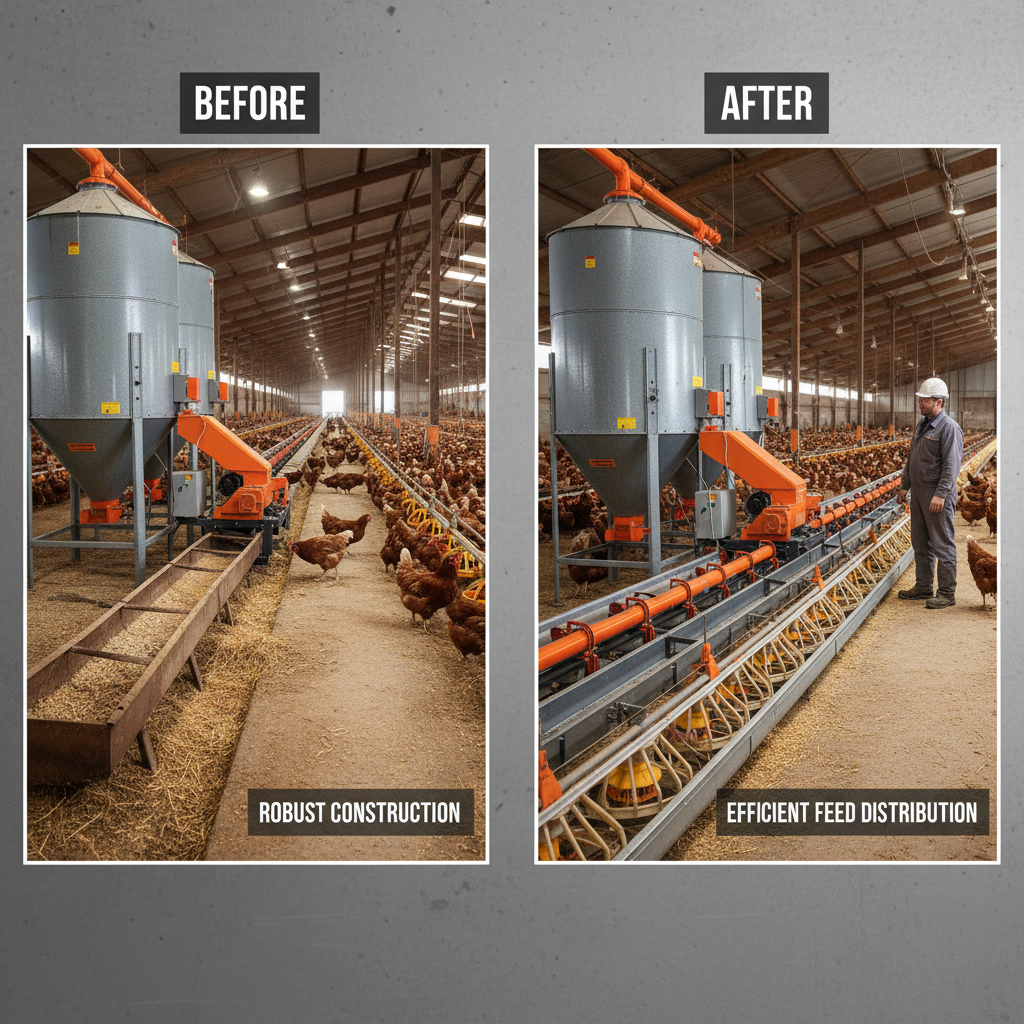
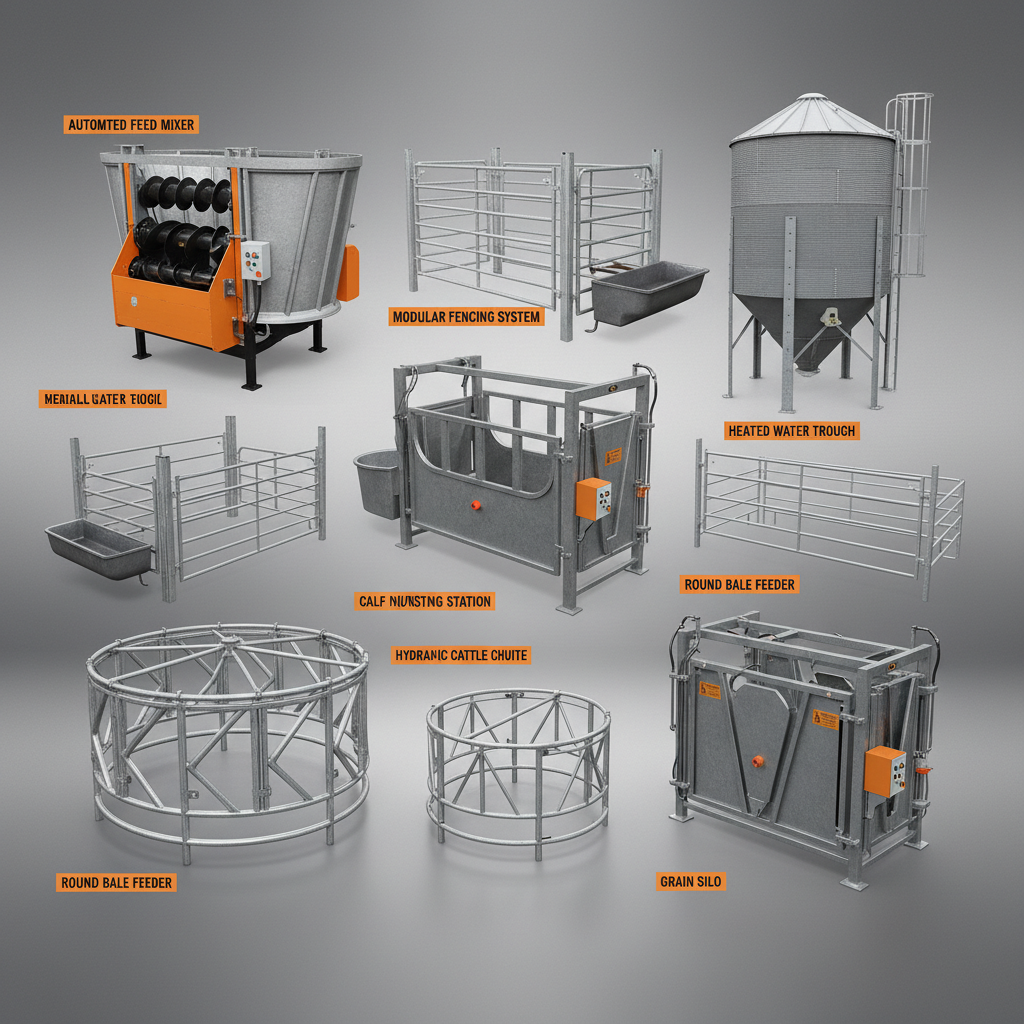
Optimizing livestock management requires a strategic approach to feeding and restraint, and for many producers, finding the right sheep troughs for sale is just the beginning of a broader infrastructure upgrade. Efficient feeding systems not only ensure that animals receive proper nutrition without waste but also drastically reduce the daily labor intensity for farm staff, allowing for a more sustainable operational model.
In the global livestock market, the shift toward precision farming has highlighted the necessity of integrating feeding troughs with advanced restraint systems. By utilizing specialized head locks and feeding stations, farmers can transition from chaotic group feeding to a managed system where each animal is monitored, ensuring that high-performance breeds grow at their optimal rate while maintaining overall herd health.
Whether you are scaling a commercial operation or managing a specialized breeding facility, the synergy between durable troughs and secure restraint mechanisms is vital. Investing in high-quality equipment ensures long-term reliability, animal welfare, and a significant return on investment through improved livestock growth and reduced veterinary intervention costs.
The Role of Feeding Systems in Modern Livestock Management
Modern livestock facilities are moving away from open-pen feeding toward integrated systems that combine feeding troughs with precision restraint. This transition is essential for preventing "boss" animals from dominating the feed supply, ensuring that every animal in the pen has equal access to nutrition. By integrating head locks between the restraint fence and the trough, farmers can fix the position of the livestock, which is critical for maintaining a healthy and uniform growth rate across the herd.
Beyond nutrition, these systems serve as a primary tool for livestock management. When searching for sheep troughs for sale, it is important to consider how the trough interacts with the restraint system. A well-coordinated setup allows for flexible locking and unlocking, which simplifies the process of individual animal care and significantly reduces the stress placed on the animals during routine handling.
Engineering Standards for Durable Feeding Equipment
Durability is the cornerstone of livestock equipment engineering. In environments exposed to moisture, waste, and the physical strength of large animals, material choice is paramount. High-quality feeding and restraint systems utilize hot-dip galvanization after the welding process. This industrial coating creates a thick, protective zinc layer that resists rust and corrosion, extending the service life of the equipment up to 30 years, even in harsh farm conditions.
The structural integrity of the equipment is further enhanced by stable, simple designs that prioritize function over complexity. For example, single-gate self-locking mechanisms are designed for ease of operation, allowing operators to lock or unlock the entire group of animals simultaneously or target specific individuals. This flexibility is crucial for tasks ranging from mass vaccinations to specific health checks.
Moreover, safety features such as anti-unlock plates are integrated into the frames. These plates prevent animals from accidentally or intentionally releasing the unlock handles, which eliminates potential safety hazards for both the livestock and the breeding staff. Such engineering details ensure that the feeding area remains a controlled and safe environment for daily operations.
Enhancing Animal Welfare through Bionic Design
Animal welfare is no longer just an ethical consideration but a commercial necessity, as stressed animals exhibit lower growth rates and weaker immune systems. When evaluating sheep troughs for sale, producers are increasingly looking for bionic designs that mimic the natural posture and movement of the animal. A bionic approach to the gate and bracket design ensures that the animal feels comfortable and secure while feeding.
To further minimize stress, advanced systems incorporate rubber covers for the gates. These covers serve a dual purpose: they drastically reduce the noise generated during the locking and unlocking process—preventing startle responses in the herd—and they provide a protective cushion that prevents injuries to the animal's neck and head during movement.
One of the most critical welfare innovations is the anti-injury device. In the event that an animal falls down during feeding, the gate is designed to open downwards automatically. This release mechanism prevents the animal from being trapped or strangled, ensuring their safety and reducing the risk of permanent injury, which is a hallmark of high-standard livestock equipment.
Operational Efficiency and Labor Reduction Metrics
The transition to automated and self-locking systems is primarily driven by the need to reduce labor costs. In large-scale operations, the ability to control 48 to 60 cattle or sheep positions simultaneously using a double-gate system is a game-changer. This level of efficiency allows a single operator to perform tasks that would previously have required a full team, thereby maximizing the labor productivity of the farm.
By reducing the physical intensity of managing livestock, these systems also lower the risk of staff burnout and workplace injuries. The ease of access provided by a perfectly designed head lock means that veterinary examinations and hybridization efforts can be carried out quickly and safely, ensuring that the breeding cycle remains on schedule without unnecessary delays.
Operational Efficiency Ratings for Livestock Feeding Systems
Strategic Implementation in Commercial Farms
Implementing a comprehensive feeding and restraint strategy requires a layout that maximizes the flow of animals and the ease of feed delivery. When integrating sheep troughs for sale into a facility, the placement of the head lock is critical; it must be perfectly aligned between the restraint fence and the trough to ensure that the animal is stable while eating.
Strategic implementation also involves choosing the right gate system based on herd size. For smaller, more specialized herds, the single-gate self-lock provides sufficient control and flexibility. However, for industrial-scale farms, the double-gate system is the superior choice due to its ability to handle larger volumes of animals, thereby significantly reducing the working intensity for the breeding staff.
Veterinary Integration and Health Monitoring
One of the most overlooked benefits of high-quality feeding restraints is their role in preventative healthcare. By fixing the animal's position during feeding, veterinarians can conduct regular physical examinations without the need for stressful chasing or heavy coercion. This makes the administration of vaccines, epidemic prevention treatments, and general health screenings a routine, low-stress activity.
For breeders, these systems are indispensable for hybridization. The ability to lock an individual animal securely allows for precise breeding management and ensures that the process is safe for both the handler and the animal. This level of control is essential for maintaining the genetic quality of the herd and ensuring that breeding goals are met with precision.
Furthermore, the ability to isolate individual animals for targeted feeding or medication—while the rest of the herd continues to eat—prevents the spread of contagion and ensures that sick animals receive the specific care they need without disrupting the overall farm schedule.
Comparison of Self-Locking System Configurations
Choosing between different system configurations depends on the specific operational goals of the farm. The single-gate system is prized for its simplicity and stable design, making it an ideal entry point for farms looking to professionalize their feeding process. Its ability to lock individuals or the whole group provides a versatile foundation for daily management.
In contrast, the double-gate system is an efficiency powerhouse. By controlling up to 60 positions at once, it addresses the primary pain point of large-scale farming: labor costs. The integration of rubber covers and anti-injury devices in these higher-end models reflects a shift toward "Animal Welfare" as a core engineering principle, balancing high output with ethical care.
Ultimately, the longevity of these systems is guaranteed by the hot-dip galvanization process. Whether choosing a simple or complex configuration, the resistance to corrosion ensures that the investment remains viable for three decades, providing a stable infrastructure that supports the farm's growth over multiple generations of livestock.
Technical Analysis of Feeding and Restraint Configurations
| System Type |
Control Capacity |
Welfare Features |
Expected Lifespan |
| Single-Gate Self-Lock |
Individual/Group |
Stable Design |
30 Years |
| Double-Gate Self-Lock |
48-60 Positions |
Rubber Covers |
30 Years |
| Bionic Bracket System |
Medium Scale |
Ergonomic Fit |
25-30 Years |
| Anti-Injury Gate |
High Security |
Auto-Release |
30 Years |
| Standard Galvanized Trough |
General Feed |
Corrosion Proof |
20+ Years |
| Integrated Feed System |
Industrial Scale |
Comprehensive |
30 Years |
FAQS
The choice depends primarily on your herd size and labor availability. Single-gate systems are ideal for smaller operations or specialized breeding where individual attention is frequent. Double-gate systems are engineered for high-efficiency commercial farms, allowing a single operator to manage 48 to 60 positions simultaneously, which significantly reduces overall labor costs.
Our systems feature a specialized anti-unlock plate. This component is strategically placed on the lock frame to prevent the animals from accidentally or intentionally releasing the unlock handle. This ensures a secure environment and prevents management issues caused by animals escaping their feeding positions.
Because our equipment is hot-dip galvanized after welding, it creates a robust barrier against moisture and chemical corrosion from livestock waste. Under standard farming conditions, this professional treatment ensures a service life of up to 30 years, making it a highly sustainable long-term investment.
Safety is integrated into our design via an anti-injury device. If an animal falls during feeding, the gate is designed to open downwards automatically. This releases the pressure on the animal's neck and head, preventing injury and allowing for a safe recovery process.
Yes, by reducing the metallic noise associated with locking and unlocking, rubber covers minimize the stress response in animals. Lower stress levels correlate directly with better feed conversion ratios and improved overall health, as the animals remain calm and focused on nutrition.
While the principles of self-locking and galvanization are the same, the dimensions are adjusted based on the species. We provide tailored solutions for both cattle and sheep to ensure the bionic design fits the animal's physical proportions for maximum comfort and security.
Conclusion
Implementing a high-quality feeding and restraint system is a fundamental step in transitioning to a professional, efficient, and ethical livestock operation. By combining durable hot-dip galvanized materials with innovative bionic designs and safety features like anti-injury gates, farmers can ensure the health of their animals while drastically reducing labor intensity. The integration of a secure head lock with the right feeding trough creates a controlled environment that supports optimal growth and simplifies veterinary management.
As the industry moves toward higher standards of animal welfare and precision farming, investing in equipment that offers a 30-year lifespan is not just a purchase, but a strategic asset. We encourage producers to evaluate their current herd size and labor constraints to choose between single and double-gate configurations. For premium solutions and a wide range of livestock equipment, visit our website: www.cxlivestock.com