What Exactly Is a Hog Pen Fence—and Why Should You Care?
At first glance, a hog pen fence might sound like a niche farming term, but it actually plays a larger role in agriculture, rural development, and even humanitarian projects worldwide. Simply put, it's a barrier designed to securely contain pigs within a designated area, protecting them and the environment around them. Why does it matter beyond farms? Because effective fencing can dramatically improve livestock welfare, reduce environmental damage, and even uplift communities depending heavily on animal farming.
Understanding the ins and outs of hog pen fences can lead to smarter investments, safer animal husbandry, and better sustainability practices. So if you're anywhere near livestock management or rural development, it’s worth the read.
The Global Perspective on Hog Pen Fencing
Interestingly, livestock plays a huge part in global food security. According to a FAO report, over 1.3 billion people rely on livestock for their livelihoods worldwide. That’s massive. Pigs, in particular, contribute vital protein and income in many regions—especially in Southeast Asia, parts of Africa, and Latin America.
But here’s the catch: uncontrolled pigs can cause extensive damage—destroying crops, spreading diseases, and degrading soil quality. Roughly billions in lost crops and repair costs happen annually due to inadequate fencing. The hog pen fence comes in as a practical, scalable solution to this problem, helping farmers secure their herds and protect resources.
Globally, the challenge is how to balance costs, durability, and ease of installation, especially in low-resource settings or challenging terrains.
What Is a Hog Pen Fence? Breaking It Down
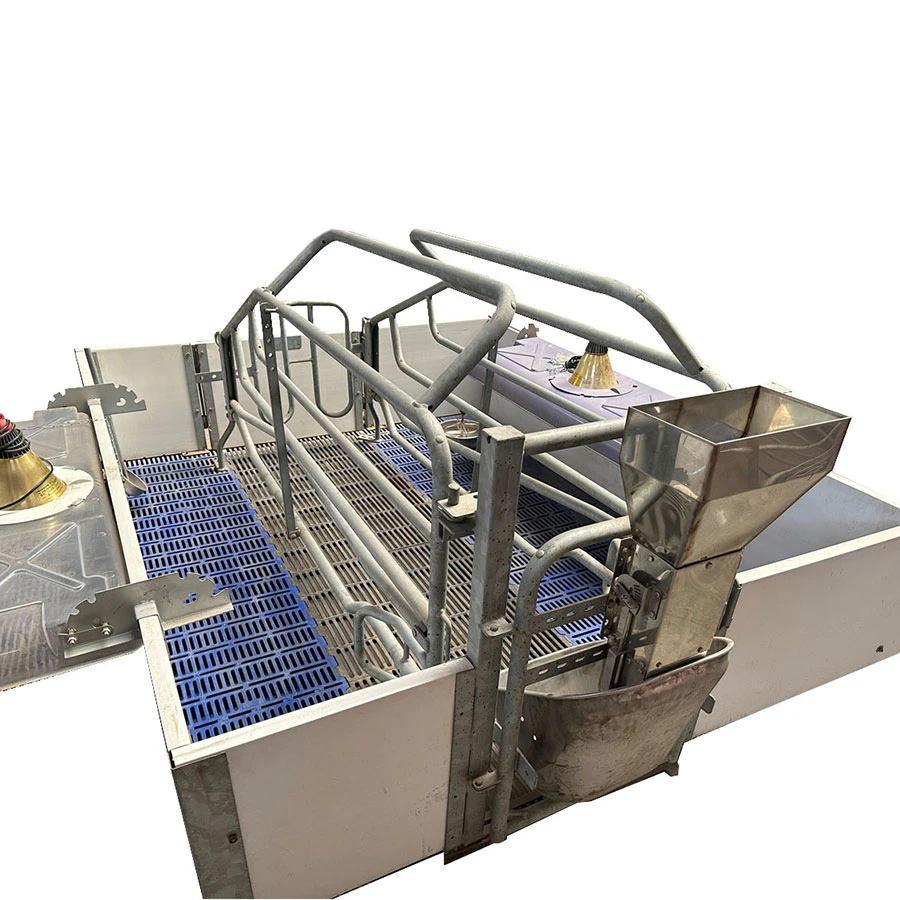
Nothing overly complicated. Essentially, it's a physical enclosure system designed specifically for pigs. Think of woven wire fences or sturdy paneling that stops hogs from escaping or mingling with other animals. Typically, these fences must withstand strong, curious, and resourceful animals — pigs are surprisingly smart escape artists!
In modern agriculture, these fences aren't just practical—they align with standards aimed at animal welfare, environmental management, and even community hygiene (limiting pig waste spread, for example). In humanitarian nutrition programs, secure pens can mean healthier pigs and, ultimately, better diets for vulnerable populations.
Durability: Built to Last in All Conditions
Fences must endure weather extremes—think hot sun, heavy rains, or muddy soils. Galvanized steel, treated wood, and synthetic materials are often chosen to resist rust, rot, and wear. Durability directly impacts maintenance costs and longevity, which farmers always consider.
Cost Efficiency: Balancing Budget and Longevity
While super-premium materials offer fantastic durability, they can price out small-scale farmers. A lightweight, modular design often strikes a good balance — easier installation plus affordable replacement parts.
Scalability: From Backyard to Commercial Herds
Pen sizes and fence heights differ vastly. Smaller farms might need 4-foot fences, while larger operations require higher, stronger barriers. Modular fencing panels allow easy scaling up or temporary reconfiguration, which can be crucial during breeding seasons or rotational grazing.
Safety and Animal Welfare
Pigs are social and intelligent, so fences incorporate features to reduce stress, like smooth edges and quarter-turn gates that minimize escape attempts or injuries. Interestingly, some designs also integrate shade structures or feeding areas directly alongside fencing.
Ease of Installation and Maintenance
Fast setup is vital—especially where volunteer labor or minimal tools are the norm. Prefabricated panels, simple connectors, and clear instructions significantly reduce the time from purchase to full function.
Where in the World Are Hog Pen Fences Making a Difference?
Global agricultural hubs rely heavily on effective pig containment. In Vietnam and the Philippines, for example, smallholder farmers use fence systems to keep farms tidy and productive. In sub-Saharan Africa, NGOs implement hog pen fence projects to help rebuild food security after droughts or conflicts.
Post-disaster relief programs often deploy rapid-deploy fencing kits to help displaced farmers protect their limited livestock quickly. Industrial agribusinesses in the US and Europe invest in high-tech, automated fencing combined with smart sensors to further optimize animal management.
Fun fact: even in remote Arctic communities where traditional reindeer herding dominates, fencing technology adapts to manage growing pig herds, blending old practices with new tools.
Advantages & Long-Term Value of a Good Hog Pen Fence
- Cost savings: Reduced pig loss and crop damage pay off quickly.
- Environmental impact: Limits soil degradation and controls pig waste runoff.
- Animal health and welfare: Reduces stress and injury, promotes hygienic living spaces.
- Community trust and safety: Keeps pigs from wandering into neighbors' fields and roads.
- Scalable innovation: Grow or shrink your farm’s infrastructure without starting from scratch.
Emotionally, it’s about dignity—for farmers who rely on these animals and for communities interacting with them daily. There’s a quiet trust that good fencing fosters a better lifestyle overall.
Emerging Trends and Innovative Solutions in Hog Pen Fencing
These days, material innovations like recycled plastics and biodegradable composites are making fences greener and lighter. Solar-powered electric fences with automated alerts update farmers remotely if pigs test boundaries—handy for monitoring extensive farms.
Digital integration is also catching on: IoT sensors provide real-time data on fence integrity, pig movement, and even health indicators, signaling early warnings to prevent disease flare-ups.
And sustainability isn’t just about materials; policies encouraging responsible fencing help reduce habitat fragmentation, protecting local wildlife corridors while managing domestic animals effectively.
The Challenges—and How Experts Are Tackling Them
Common issues? Pigs occasionally break through or under fences due to poor installation or natural wear. Maintenance expertise can be scarce in rural settings, leading to fence neglect and losses. In some areas, high costs still limit access.
Solutions include modular, easy-to-repair fence panels that require minimal tools, affordable local training programs, and community-shared resources to reduce individual expenses. Some new designs incorporate natural deterrents, like planting thorny shrubs alongside fencing.
FAQ: Quick Answers About Hog Pen Fences
- Q: What materials are best for hog pen fences in rainy climates?
A: Galvanized steel mesh or vinyl-coated wire fencing works well as they resist rust and corrosion. Wood treated with weatherproof stains can also be used but typically requires more upkeep. - Q: How tall should a hog pen fence be to prevent escapes?
A: Generally, fences between 4 to 5 feet high suffice, as pigs aren’t great jumpers—but they can root and push under fences, so panels should go several inches into the ground. - Q: Are electric fences safe for pigs?
A: Yes, low-voltage electric fences are commonly used to discourage unwanted behaviors without causing harm. Always follow manufacturer safety guidelines and monitor animal reactions. - Q: Can modular hog pen fences be expanded easily?
A: Absolutely. Modular systems are designed with connectors and standard sizes for simple scaling or reconfiguration according to herd size or land availability. - Q: How do I maintain a hog pen fence to get the longest life?
A: Regular inspections for damage, quick repairs on holes or loose panels, removing debris, and applying protective coatings where needed are essential. Seasonal checks during wet or cold months help too.
Hog Pen Fence: The Long-Term Partner in Sustainable Animal Management
The humble hog pen fence might not make news headlines, but its impact ripples through agriculture, environment, and community wellbeing globally. Smart fencing solutions save money, protect animals, and promote healthier ecosystems. If you’re managing livestock—or even just curious about agricultural infrastructure—consider the value of investing in a good fence.
Want to explore modern, durable options for your needs? Visit our website to check out a variety of innovative hog pen fence designs tailored to diverse environments and budgets.
Product Specification Table
| Feature | Standard Model | Premium Model |
|---|---|---|
| Material | Galvanized Steel Wire | Vinyl-coated Welded Mesh |
| Fence Height | 4 ft (1.2 m) | 5 ft (1.5 m) |
| Panel Width | 8 ft (2.4 m) | 10 ft (3 m) |
| Weight per Panel | 20 kg | 28 kg |
| Installation Time (per panel) | 15 minutes | 20 minutes |
| Estimated Lifespan | 5-7 years | 10+ years |
Vendor Comparison Table
| Vendor | Material Quality | Price Range | Customer Support | Customization |
|---|---|---|---|---|
| AgriFence Co. | High | $$$ | Excellent | Yes |
| FarmSecure Inc. | Medium | $$ | Good | Limited |
| Rural Solutions Ltd. | Standard | $ | Fair | No |
Mini Takeaway
Whether it’s a small family farm or a large operation, investing in the right hog pen fence pays dividends in safety, health, and peace of mind. Plus, as tech and sustainability trends push the industry forward, fencing will be more than just a barrier—it’ll be part of a smart farm ecosystem.
References
Post time: Dec . 02, 2025