The Humble Cow Trough: Why It Matters Globally
When you think of a cow trough, you might picture a simple farm scene — a long basin filled with water or feed. But it’s not just some static piece of rural furniture. Understanding the role and evolution of cow troughs touches on global food security, livestock welfare, and even rural development. On a worldwide scale, especially in agriculture-dependent regions, a well-designed trough can mean the difference between healthy cattle producing quality milk and beef, or livestock struggling with contamination and water scarcity.
Plus, in an age where sustainability and animal welfare policies are making waves, these humble basins are quietly stepping up, often improving feed efficiency and reducing waste — important details when billions of people rely on animals for their livelihoods. So yes, it’s worth knowing about cow troughs beyond the farm gate.
Introduction: A Global Perspective on Cow Trough Use
Globally, cattle farming remains a major agricultural pillar. According to the FAO, there are over 1.5 billion cattle worldwide, dispersed unevenly across continents — heavy concentrations in Asia, Africa, and the Americas. This livestock population requires massive infrastructure support, including fodder distribution and water supply systems. And here’s where the cow trough steps in as a crucial element.
Yet despite this, uneven access to clean water and efficient feeding solutions in many rural areas has led to malnutrition and disease — raising an urgent challenge. In fact, waterborne diseases transmitted through contaminated troughs have affected livestock health and livelihoods, particularly in developing regions.
Thus, the cow trough isn’t just a watering or feeding place; it represents broader issues of agricultural sustainability, rural economy development, and food safety standards. Improving trough design and deployment could, for example, help reduce calf mortality rates and improve milk yields, which in turn benefits communities reliant on dairy income.
What Exactly is a Cow Trough?
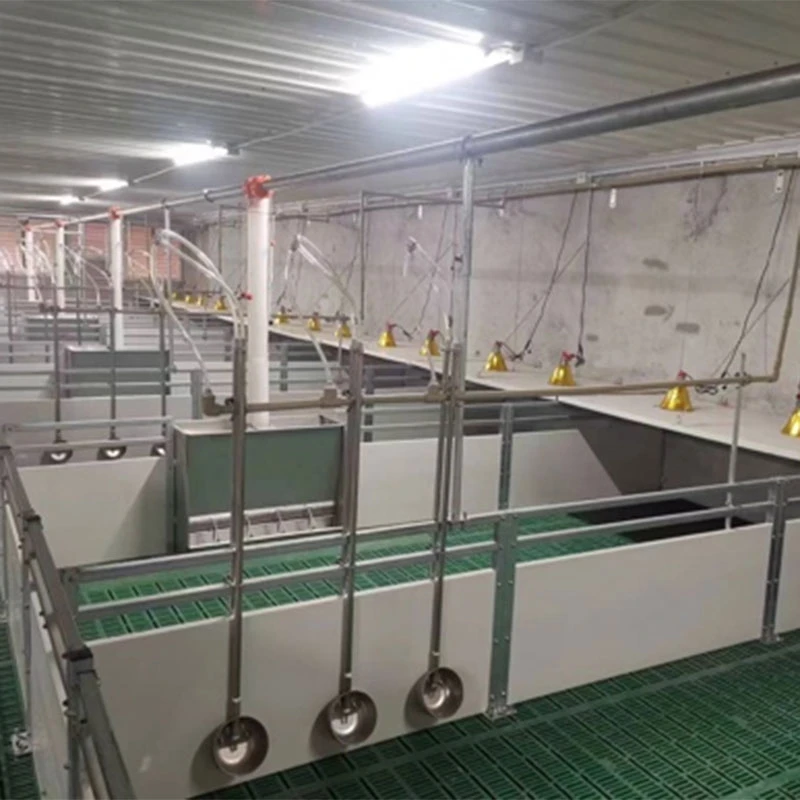
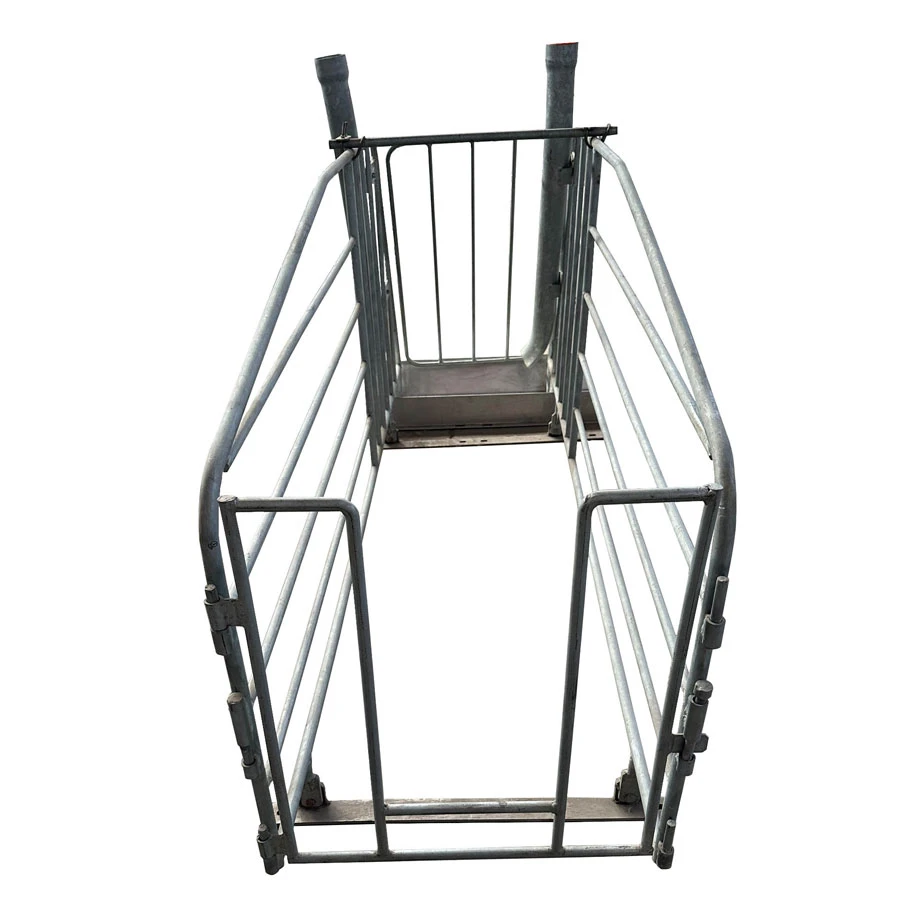
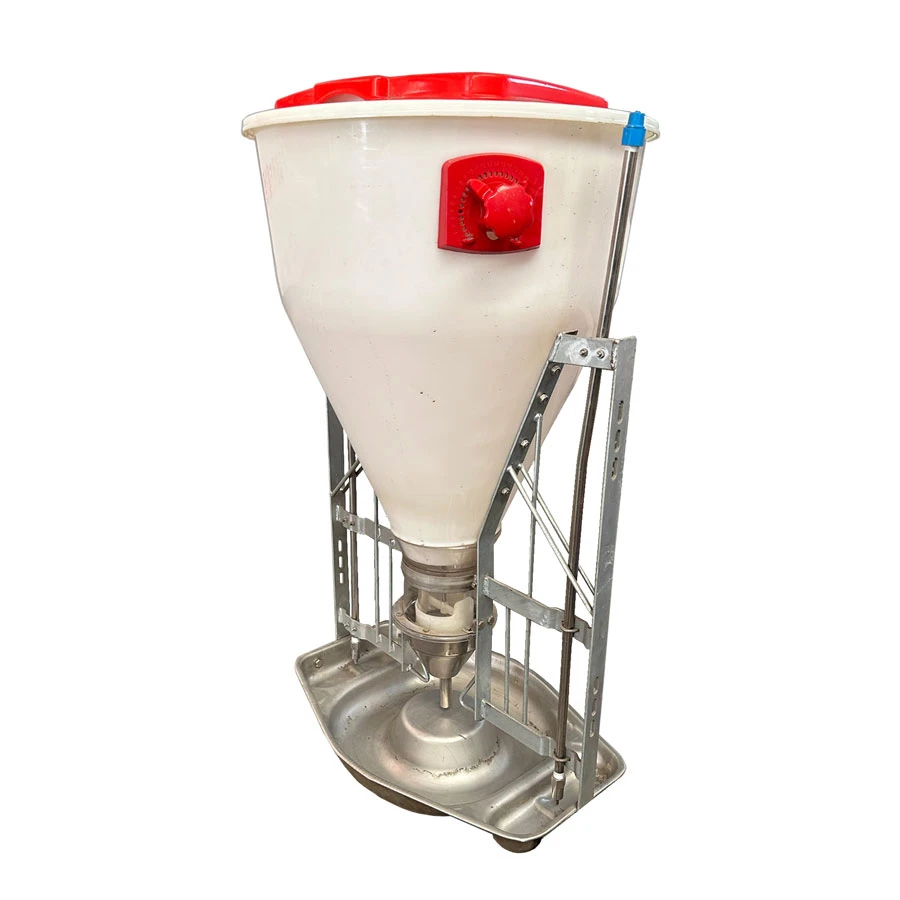
A cow trough is essentially a container or basin designed to hold water or animal feed, accessible to cattle for drinking and eating. These come in many forms: from simple concrete basins built on-site to prefabricated plastic or metal troughs.
In modern terms, the trough is part of a wider livestock management system aiming to optimize feed intake, minimize contamination risks, and improve operational efficiency. It’s connected closely with hygiene protocols, water treatment, feed technology, and animal welfare standards. So the old wooden troughs you might picture? They’ve largely been replaced by more durable, hygienic, and scalable designs.
Key Features of a Cow Trough: What Makes a Good Trough?
Durability
A trough must withstand weather extremes, rough animal use, and sometimes aggressive cleaning chemicals. Concrete, stainless steel, and high-density polyethylene (HDPE) are popular materials for their longevity and resistance to corrosion. Oddly enough, many farmers say that investing a bit more upfront can save years of costly replacements.
Ease of Cleaning
If a trough is hard to clean, it quickly becomes a health hazard. Smooth surfaces, rounded edges, and good drainage are basic but vital features. This reduces bacterial buildup and helps maintain water quality, which directly affects livestock health.
Size and Scalability
Depending on the herd size, troughs need to accommodate varying numbers of cattle simultaneously. Larger operations might require modular designs or troughs that can be linked together, while smallholders focus on compact, easy-to-move basins.
Cost Efficiency
While price matters, the total cost of ownership should guide purchasing — including installation, maintenance, and potential livestock health savings. For many rural farms, a balance between affordability and durability is the holy grail. Subsidies and government programs in some regions help bridge this gap.
Environmental Impact
Water use efficiency and the use of sustainable materials are increasingly important. Some troughs now incorporate rainwater catchment compatibility or solar-powered water circulators. Considering that livestock farming impacts a significant portion of global freshwater use (UN Water), these innovations are vital.
| Feature | Details |
|---|---|
| Material | Concrete, HDPE, Stainless Steel |
| Capacity | 100-500 liters typical |
| Dimensions | 2-4 m length, 0.6-1 m height |
| Weight | Heavy (Concrete: 200+ kg), Lightweight options available |
| Cleaning features | Rounded edges, drainage plugs, removable lids |
| Water Source Compatibility | Direct connection, manual fill, gravity-fed |
How Cow Troughs Make Their Mark Around the World
You’ll find cow troughs on every continent except Antarctica, but their design and application vary widely.
- Africa: Small-scale farmers rely heavily on low-cost, locally made concrete or plastic troughs. These are often part of community-led projects focusing on improving livestock health and drought resilience.
- South Asia: Dairy cooperatives especially around India and Nepal use stainless steel and HDPE troughs inside sheds to boost milk quality and reduce contamination.
- Europe & Americas: Large commercial farms invest in automated watering systems integrated with troughs, some even smart-troughs that monitor intake and send alerts.
- Disaster and humanitarian scenarios: In drought-hit zones or post-disaster relief operations, portable and quick-to-install troughs are vital. They help NGOs quickly restore basic livestock needs. See also cow trough options for emergency use.
In real terms, the cow trough serves as a frontline tool for both economic and animal well-being, and its influence stretches well beyond feeding.
Why Investing in a Quality Cow Trough Pays Off
Let’s be honest: feeding and watering cattle may seem straightforward, but the financial and emotional stakes are high.
Good cow troughs reduce feed waste (no spillage or contamination), maintain better hydration (thus healthier cows), and promote cleaner environments that reduce disease. This all translates to cost savings, higher productivity, and animal welfare — a trio of outcomes everyone can agree on.
Moreover, they uphold dignity and ethical standards in farming, an increasingly crucial selling point with consumers demanding transparency and sustainability in food production.
Innovation on the Horizon: What’s Next for Cow Troughs?
Technology isn’t shying away from the trough business. Here’s what to keep an eye on:
- Smart sensor integration: Monitoring water levels, temperature, and cleanliness remotely.
- Eco-friendly materials: Biodegradable composites, recycled plastics, and solar-powered water pumps.
- Automation: Feeding and water replenishment synced to livestock behavior analytics.
- Modular designs: Adaptability allowing easy expansion or reconfiguration with changing herd sizes.
With global pressures on food systems only increasing, such innovations could redefine basic cattle care tools.
Challenges and How They’re Being Solved
Of course, no product is perfect. Problems range from the cost barrier in poor rural areas to issues with vandalism, freeze damage in cold climates, or improper installation leading to quick degradation.
Experts recommend:
- Using locally sourced, weather-proven materials to lower costs and boost acceptance.
- Implementing education and extension programs for farmers on proper trough maintenance.
- Developing sturdy but lightweight designs for transport and installation in remote areas.
In short, holistic approaches including design, training, and financing are key.
| Vendor | Material Options | Price Range (USD) | Notable Features |
|---|---|---|---|
| AgroTrough Inc. | Concrete, HDPE | 150 - 500 | Custom sizes, reinforced edges |
| FarmFlow Solutions | Stainless Steel, HDPE | 300 - 700 | Automated water refill option, sensor ready |
| RuralEquip Ltd. | Plastic, Composite | 100 - 400 | Lightweight, portable models |
FAQ: Common Questions About Cow Troughs
- Q: What materials make the best cow trough for harsh climates?
- A: Stainless steel and HDPE are preferred due to their corrosion resistance and durability in freezing or desert environments. Concrete can crack with freeze-thaw cycles unless properly sealed.
- Q: How often should a cow trough be cleaned?
- A: Ideally, troughs should be cleaned weekly to prevent algae, bacteria buildup, and contamination. Rinsing daily helps keep water fresh, especially in warm climates.
- Q: Can cow troughs be connected to automated refill systems?
- A: Yes, many modern HDPE or stainless troughs can be fitted with sensor-operated refill valves, enabling hands-free watering that saves labor and ensures constant supply.
- Q: Are plastic troughs safe for long-term use?
- A: High-density polyethylene troughs are generally safe and durable, but quality varies. Choose UV-resistant, food-grade plastics to avoid degradation and harmful leaching.
- Q: Is it cost-effective to upgrade from concrete to automated troughs?
- A: While automated systems have higher upfront costs, many farmers report improved water efficiency, reduced labor, and healthier livestock, balancing the investment over a few years.
Wrapping Up: Why the Cow Trough Still Counts
So, why does this simple equipment demand attention? Because in agriculture, small practicalities ripple out into global food security, sustainability, and animal welfare. A good cow trough is not just a basin but a foundation for healthier herds and better farming futures.
Want to browse a rich selection of durable, efficient cow troughs? Visit our website: https://www.cxlivestock.com — your next trough might be just a click away.
- Durable materials and ease of cleaning are key to trough longevity and livestock health.
- Innovations like sensors and eco-materials promise a bright future for cow trough design.
- Globally, cow troughs contribute significantly to rural livelihoods and dairy production.
Post time: Dec . 01, 2025