Why Cleaning Cattle Water Troughs Matters Globally
If you pause to think about it, the humble water trough in cattle farming plays a surprisingly important role around the world. Cleaning cattle water troughs isn’t just an agricultural chore; it’s a vital practice that affects livestock health, farm productivity, and even global food security. Between waterborne diseases, algae buildup, and bacterial contamination, dirty troughs can become a hotspot for illness — and that’s a problem for farmers everywhere, from sprawling ranches in the US to smallholder farms in Africa. The Food and Agriculture Organization (FAO) estimates that livestock accounts for around 40% of the global agricultural output. So, ensuring clean water for these animals is frankly essential for sustainable food production. Proper cleaning techniques contribute to healthier cattle, fewer veterinary bills, and ultimately a more reliable supply chain — which, in a world with growing populations and climate challenges, we all care about. Mini takeaway: Keeping cattle hydrated with clean water troughs is far from trivial; it’s a frontline defense in protecting animal welfare and global agricultural stability.The Global Context Behind Cleaning Cattle Water Troughs
Globally, the livestock sector is under more pressure than ever. According to UN reports, increased droughts and water scarcity are pushing farmers to be more careful with resources. Yet, water sources near animals are prone to contamination from manure, dirt, and microorganisms, especially in hot climates where bacteria thrive quickly. The World Bank highlights that preventing livestock diseases through improved water hygiene can reduce losses by up to 20% in some regions — a huge difference for farmers who often operate on thin margins. Add to that the rising demand for animal protein (projected to increase by 70% by 2050), and you realize that efficient management practices like cleaning cattle water troughs are no longer just about farm hygiene — they are about food security, economic development, and even combating zoonotic diseases. Mini takeaway: In the bigger picture, something as routine as trough cleaning links directly to global health, economics, and sustainability challenges.What Does Cleaning Cattle Water Troughs Actually Mean?
Simply put, cleaning cattle water troughs involves removing physical debris, algae, and harmful microbes from the containers that hold water for cattle to drink. This keeps water fresh and safe, preventing illnesses like salmonella and leptospirosis which can impact both animals and, sometimes, humans. It’s routine maintenance, but with growing industrial livestock operations and small farms alike, the approach to cleaning varies widely — from manual scrubbing to automated flushing systems. In modern animal husbandry, this cleaning process is a key part of biosecurity protocols. It ties into humane animal care and sustainable farming practices, especially as regulations tighten and technologies advance. The practice directly improves cattle longevity and meat/milk quality, feeding into consumer safety and industry standards like ISO 22000 (food safety management). Mini takeaway: Routine though it is, cleaning water troughs is foundational to modern livestock farming and aligns with industry standards and animal health.Key Aspects of Effective Cattle Water Trough Cleaning
1. Durability of Materials
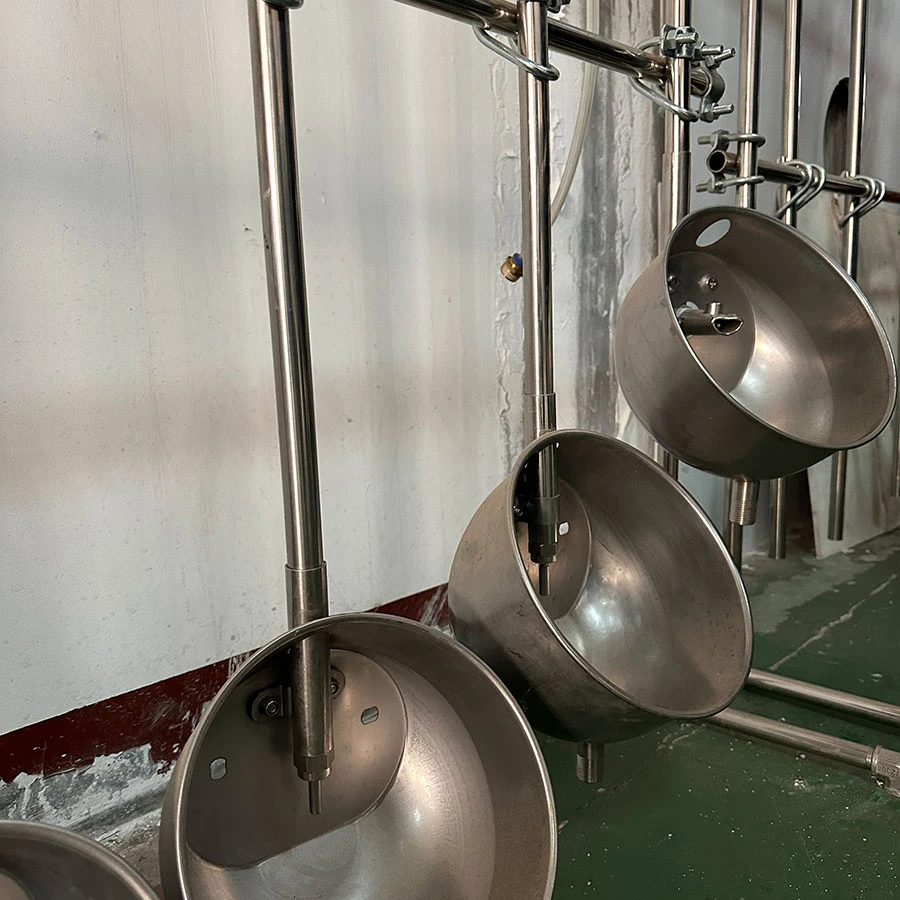
Troughs made from stainless steel or UV-resistant plastics manage the wear-and-tear of cleaning chemicals and environmental exposure better than traditional concrete or galvanized steel. Longevity means farmers replace less often, reducing cost and waste.2. Ease of Cleaning & Design
Rounded edges, smooth surfaces, and accessible heights facilitate thorough cleaning. Troughs with built-in drainage or automated cleaning cycles help reduce labor while maintaining water quality.3. Frequency & Methodology
Cleaning frequency depends on herd size, climate, and water source. Some operations rinse daily; others perform deep cleans weekly. Manual brushing is common, but some farms are adopting high-pressure cleaners or UV sterilization.4. Cost Efficiency
Down-to-earth budgets often dictate material choice and cleaning tools. Cost-effective methods that maximize health benefits without imposing heavy labor or expenses are preferred — especially among small-scale farmers.5. Water Source & Quality Control
The purity of water feeding the trough matters. Using filtered or treated water reduces algae and bacterial proliferation, making cleaning easier and preventing recurring contamination.6. Safety & Environmental Impact
Using non-toxic cleaning agents ensures runoff won’t harm soil or waterways. Environmentally-aware farms integrate sustainable cleaning protocols. Mini takeaway: Effective cleaning hinges on more than just the act itself—material choices, design, cost, and safety all play key roles in long-term success.How Cleaning Cattle Water Troughs Is Applied Around the World
In Australia’s vast cattle stations, troughs often stretch across arid paddocks where water scarcity meets high temperatures. Frequent cleaning combats algae blooms that appear rapidly during summer. Meanwhile, in East Africa, many smallholder farmers rely on simple plastic troughs cleaned daily by hand — a labor-intensive process that often benefits from local NGO training programs focused on hygiene and livestock health. Large dairy operations in Europe and North America increasingly automate cleaning troughs using sensors and flushing systems, saving time and reducing bacterial risk. Moreover, in disaster relief zones where displaced farmers rebuild herds, portable and easy-to-clean troughs play a vital role in preventing disease outbreaks. Mini takeaway: There’s no one-size-fits-all — cleaning practices adapt to climate, farm size, and infrastructure. Yet everywhere, this task is central to livestock care.The Long-Term Advantages of Proper Trough Cleaning
Besides the obvious health benefits to cattle, a well-maintained water system reduces veterinary costs and minimizes losses due to disease. There’s also an environmental upswing — less contamination means cleaner soils and water tables. For consumers, it assures ethical, high-quality animal products. And socially, it fosters animal welfare and humane treatment, which many people demand increasingly. Farmers report that invested effort in cleaning troughs pays off in longevity of equipment and herd performance. Clean water supports hydration, which affects weight gain, fertility, and milk yield. In a way, this task builds trust — between farmer and animal, producer and market, rural economies and global supply chains. Mini takeaway: Clean troughs are not just hygiene basics; they’re keystones of sustainable farming that touch economic, environmental, and ethical spheres.Emerging Trends and Innovations in Cattle Trough Cleaning
Automation is creeping in. Sensors now monitor water quality and alert farmers to contamination. Solar-powered UV sterilizers are being trialed to kill bacteria without chemicals. New materials, including antimicrobial plastics, reduce biofilm buildup and simplify cleaning — though they’re still gaining ground. Some farms connect troughs to IoT systems for remote monitoring. Plus, water recycling initiatives integrate trough cleaning wastewater into irrigation, cutting waste. Sustainability drives much of this progress, along with smarter design inspired by advances in hydraulic engineering. Mini takeaway: Technological leaps—from smart troughs to eco-friendly materials—are shaping the future of cattle water hygiene, improving both efficiency and sustainability.Common Challenges and Practical Solutions
One big headache farmers face is algae and mud accumulation, especially in outdoor troughs exposed to sunlight and dust. Inconsistent cleaning schedules and insufficient training exacerbate these issues. Also, remote farms may lack access to easily washable troughs or effective tools. To tackle this, many experts recommend a combination of better trough design (e.g., covered or shaded), inexpensive cleaning kits, and education programs. Using locally available natural disinfectants, like diluted vinegar, offers low-cost antimicrobial effects. Mobile cleaning services and NGO initiatives also fill gaps where labor or knowledge is scarce. Mini takeaway: While challenges persist, combining tech, training, and local solutions creates a robust defense against water contamination.Product Specification Table: Typical Cattle Water Troughs
| Specification | Details |
|---|---|
| Material | UV Resistant Polyethylene or Stainless Steel |
| Capacity | 200 - 1000 liters |
| Cleaning Mechanism | Manual scrubbing or Automated flushing |
| Dimensions (L x W x H) | 1.5m x 0.8m x 0.6m (typical model) |
| Weight | 15 - 30 kg (empty) |
| Recommended Cleaning Frequency | Daily rinsing; Weekly deep clean |
| Price Range | $150 - $800 depending on size and features |
Vendor Comparison: Popular Cattle Water Trough Brands
| Vendor | Material Options | Cleaning Features | Price Range | Ideal Usage |
|---|---|---|---|---|
| AquaFarm Pro | Polyethylene, Stainless Steel | Automated flushing; quick drain plugs | $300 - $800 | Large-scale ranches, automated operations |
| CleanTrough Co. | Recycled Plastics | Removable liners; manual washing | $150 - $350 | Small and medium farms; eco-conscious buyers |
| RanchTech Solutions | Stainless Steel | UV sterilization option; sensor monitoring | $500 - $900 | Tech-forward dairy farms; experimental setups |
FAQ: Frequently Asked Questions About Cleaning Cattle Water Troughs
1. How often should cattle water troughs be cleaned to avoid disease?
Daily rinsing to remove debris and weekly deep scrubs with appropriate brushes are generally recommended. Hot temperatures or large herds may require more frequent cleaning to prevent bacterial growth.
2. What are the safest cleaning agents for troughs?
Mild detergents or natural disinfectants like diluted vinegar are preferred to avoid chemical residues that could harm cattle or the environment. Avoid bleach or harsh chemicals unless thoroughly rinsed and according to veterinary advice.
3. Are automated cleaning systems worth the investment?
For large-scale operations, yes. They reduce labor, improve consistency, and ensure faster cleaning cycles. Small farms might find manual methods more cost-effective.
4. Can algae buildup be prevented instead of cleaned?
Shading troughs to reduce sunlight exposure and using filtered water help slow algae growth. Some farms use natural enzyme treatments, but regular cleaning remains necessary.
5. Is it better to use stainless steel or plastic troughs?
Stainless steel is more durable and easier to clean but costs more. UV-resistant plastic is lighter and resistant to corrosion but may wear faster. Choice depends on budget and farm conditions.
Wrapping It Up: Why Clean Cattle Water Troughs Are Non-Negotiable
In the end, cleaning cattle water troughs shouldn’t be relegated to a forgotten chore — it’s a critical practice knitting together animal health, farm economics, and food safety. Whether you manage a large industrial dairy or a family farm, it pays to invest effort in selecting the right troughs, cleaning regularly, and adopting practical innovations. If you want to dive deeper into solutions and equipment that make this easier, don’t hesitate to visit our website for expert advice and product guidance. --- ### ReferencesPost time: Dec . 02, 2025