Understanding Plastic Floor Trap Cover: A Small Product with a Big Impact
At first glance, a plastic floor trap cover might seem like just another piece of industrial hardware—simple, unassuming, even mundane. Yet, when you pause and consider its role across the globe—from bustling factories to critical humanitarian projects—it suddenly feels more like an unsung hero. This little component protects drainage systems, maintains hygiene, and keeps infrastructure safe and operational. Knowing why it matters and where it’s headed helps businesses, engineers, and relief agencies make smarter choices with lasting impact.
Mini takeaway: Plastic floor trap covers might be small but are vital for drainage safety and hygiene across industries worldwide.
Why the Plastic Floor Trap Cover Holds Global Importance
Globally, the management of waste and water drainage is a growing concern. According to the United Nations, nearly 80% of wastewater worldwide is discharged untreated, posing environmental and health risks. In both developed and developing regions, efficient drainage solutions—especially in industrial floors, commercial buildings, and emergency shelters—are critical.
Plastic floor trap covers address challenges such as corrosion and heavy load demands that metal covers sometimes struggle with, offering an affordable, light, and chemically resistant alternative. Given that over 70% of industrial infrastructure globally relies on robust drainage for safety and compliance (ISO 9001 guidelines), this product's role is anything but trivial.
Mini takeaway: Plastic floor drainage covers help tackle wastewater challenges worldwide by providing durable, cost-effective protection.
Defining the Plastic Floor Trap Cover
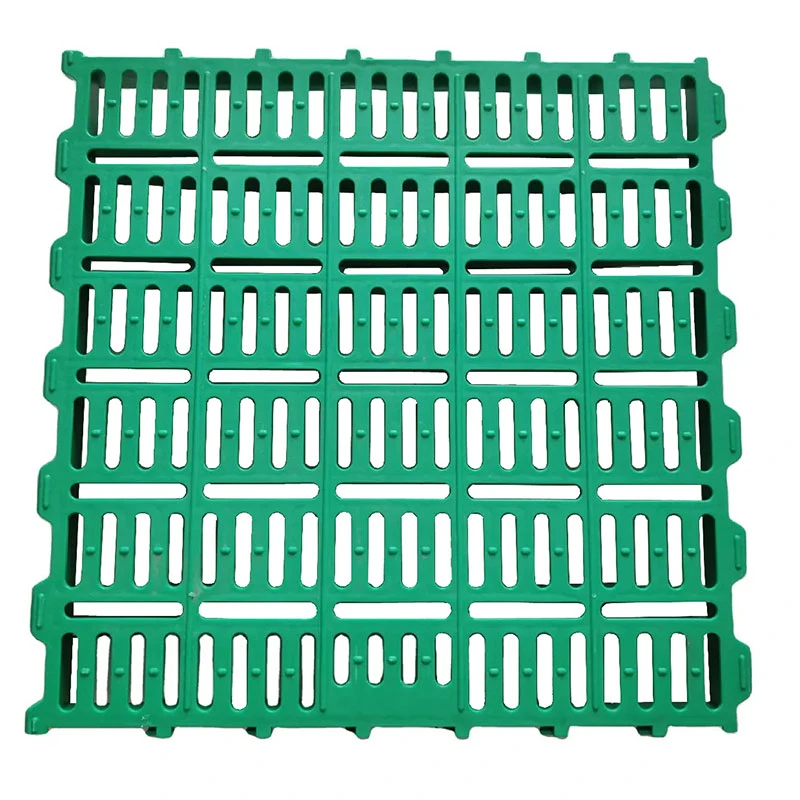
Put simply, a plastic floor trap cover is a grating or lid made primarily from sturdy plastic materials designed to cover floor drains or trap openings safely. These covers prevent debris entry, shield against accidental falls, and ensure smooth drainage flow.
In industries, they preserve clean environments by keeping drains clear, while in humanitarian zones—like disaster relief camps—they enable rapidly deployable sanitation systems. They’re often molded with high-impact plastics like polypropylene or HDPE, combining strength with chemical resistance.
Mini takeaway: A plastic floor trap cover is a protective drainage grating—lightweight, durable, and widely used in industrial and humanitarian settings.
Key Characteristics of an Effective Plastic Floor Trap Cover
Durability & Chemical Resistance
Plastic covers resist rust and many corrosive substances better than metal alternatives—a handy trait for factories handling chemicals or places prone to moisture ingress. They typically stand up well to acids, alkalis, and oils, extending lifecycle and reducing replacement costs.
Load-bearing Capacity
Many engineers express surprise at how modern plastic composites can support heavy loads—some rated for vehicular traffic up to 5 tons or more, depending on design. Manufacturers rigorously test each batch to ISO 179 and ASTM D790 to ensure safety in real-world applications.
Cost Efficiency
Compared to stainless steel or cast iron, plastic covers are often cheaper to produce and transport (thanks to their light weight). This makes logistics easier, especially for large-scale projects or remote regions where shipping costs balloon.
Customization & Design Versatility
Plastic can be molded into various sizes, colors, and textures, enabling brand differentiation or compliance with local standards. Some use anti-slip surfaces or UV inhibitors for outdoor use, making them adaptable for diverse conditions.
Environmental Impact
Many vendors adopt recycled plastics or bio-based polymers, aiming to shrink the carbon footprint without sacrificing performance. It’s a small but important step toward sustainable infrastructure.
| Specification | Typical Value |
|---|---|
| Material | High-Density Polyethylene (HDPE) |
| Load Capacity | Up to 5 tons (depending on size) |
| Dimensions | Standard sizes 300x300mm, 400x400mm, others custom |
| Resistance | Chemical, UV, Impact |
| Weight | Approx. 1.2kg per 300x300mm cover |
Mini takeaway: Plastic floor trap covers combine durability, load capacity, and customization—traits that make them preferred in diverse settings.
Where Plastic Floor Trap Covers Really Shine: Global Examples
Oddly enough, you find these covers almost everywhere—from cleanrooms in pharmaceuticals around Europe to flood-prone shelters in Southeast Asia. In places like the Middle East’s petrochemical zones, their resistance to chemicals is irreplaceable. Meanwhile, NGOs employ them in rapid-deploy camps after earthquakes, using plastic floor trap covers to speed sanitation setups.
For instance, a well-known relief agency in Haiti utilized plastic drainage covers after the 2010 earthquake to rapidly secure sanitation trenches. The light weight meant local teams could transport them quickly without heavy machinery—a lifesaver in rough terrain.
Mini takeaway: From industrial sites to disaster zones, plastic floor trap covers adapt to varied needs worldwide.
Advantages & Long-Term Benefits That Matter
- Cost Savings: Lower initial and maintenance expenses compared to metal drains.
- Sustainability: Less frequent replacements, recyclable materials, and smaller ecological footprint.
- Safety & Hygiene: Prevents debris buildup and reduces slip hazards.
- Trust & Innovation: Users often cite confidence in consistent, tested quality.
Frankly, the peace of mind when you know your drainage won’t fail during heavy rain or industrial spills is priceless. Properties keep value; workers stay safe. It feels like the kind of small innovation that quietly shapes better infrastructure.
What’s Next? Future Trends in Plastic Floor Trap Covers
There’s a buzz around greener alternatives—like composites made from recycled ocean plastics—and the integration of smart sensors to detect blockages early. Automation could mean future covers self-clean or transmit real-time data to facility managers.
Additionally, modular designs are becoming popular, allowing quick scale-up for expanding facilities or changing layout needs without full replacement. Digital certifications and advanced testing protocols (ISO 17025) are raising industry standards.
Mini takeaway: Expect smarter, greener, and more adaptable plastic covers in the near future.
Common Challenges & How They’re Overcome
No product is perfect. Issues like UV degradation, thermal expansion, or limited heavy industrial applications can complicate things.
Manufacturers tackle these by enhancing polymers with UV stabilizers, using reinforced materials, and offering tailored designs after site surveys. Experts also emphasize proper installation to ensure longevity—something often overlooked.
Plastic Floor Trap Cover Vendor Comparison
| Vendor | Material Quality | Load Capacity | Customization | Average Cost ($/unit) | Sustainability Focus |
|---|---|---|---|---|---|
| PlastiDrain Co. | HDPE with UV stabilizers | 4.5 tons | Pre-molded sizes, limited colors | $12 | Moderate (some recycled content) |
| EcoGrate Tech | Bio-based polymer composites | 3.8 tons | Custom colors & patterns | $15 | High (completely recyclable) |
| SafeDrain Solutions | Reinforced HDPE blend | 5 tons | Various sizes & anti-slip surfaces | $14 | Moderate |
FAQ: Common Questions About Plastic Floor Trap Covers
Q1: How long do plastic floor trap covers typically last?
A1: With proper installation and environment consideration, many plastic covers can last 10-15 years. Usage conditions like UV exposure and chemical contact influence lifespan.
Q2: Are plastic covers safe for vehicle traffic areas?
A2: Yes, reinforced plastic covers can handle vehicular loads up to 5 tons or more, but always check the load rating before installation.
Q3: Can I customize the size and color of a plastic floor trap cover?
A3: Most manufacturers offer customization for size and color, especially for large orders. Check with vendors on minimum order quantities and design options.
Q4: How do plastic floor trap covers compare environmentally to metal ones?
A4: Plastic covers often have a smaller carbon footprint due to lighter weight and recyclable options. However, metal covers typically have longer reuse cycles in heavy-duty scenarios.
Q5: Can plastic floor trap covers be used in harsh chemical environments?
A5: Many plastics used are highly resistant to chemicals, making them ideal for industrial settings; always confirm the specific chemical compatibility with the supplier.
Conclusion: Why Invest in Quality Plastic Floor Trap Covers?
In real terms, plastic floor trap covers are an elegant solution balancing cost, durability, and environmental responsibility. They seamlessly fit into modern infrastructure demands, whether in industrial plants, commercial premises, or emergency relief locations.
Investing in high-quality plastic drainage covers is not just about protection today but safeguarding facilities and communities for years to come. Curious to explore the latest options? Feel free to visit our website for an extensive range of sustainable, customizable plastic floor trap covers designed with tomorrow in mind.
Takeaway: This small, often-overlooked product quietly plays a pivotal role in infrastructure safety and sustainability. Its evolution is something I’ll definitely keep watching.
References:
Post time: Nov . 14, 2025